

We may earn a commission when you buy through links on this page, at no extra cost to you. Learn more.
Ravenswood red wine is best known for its bold California Zinfandel, a dry red wine with generous dark fruit, ripe berry flavors, peppery spice, and a full-bodied character. Founded by Joel Peterson in Sonoma County in 1976, Ravenswood built its reputation by highlighting the distinctive qualities of individual vineyards. Its modern portfolio includes Dry Creek Valley Zinfandel and single-vineyard wines from Monte Rosso, Teldeschi, and MacMurray. These bottles offer different expressions of California Zinfandel, ranging from approachable fruit-forward styles to more concentrated wines with distinctive vineyard character.
Ravenswood has an important place in the history of American Zinfandel. Its approach helped establish the grape as a serious California red wine rather than simply an inexpensive, everyday choice. Understanding the grape, the vineyards, and the differences between the available bottlings makes it easier to select a bottle for dinner, a gathering, or a more focused wine tasting. This guide explains what Ravenswood red wine tastes like, how its main expressions compare, and how to serve and pair each style.
Ravenswood’s History and California Zinfandel Identity
Ravenswood became recognized for producing expressive California Zinfandel with an emphasis on vineyard character. Its origins in Sonoma County and its founder’s commitment to the grape explain why the name remains closely associated with bold American red wine.
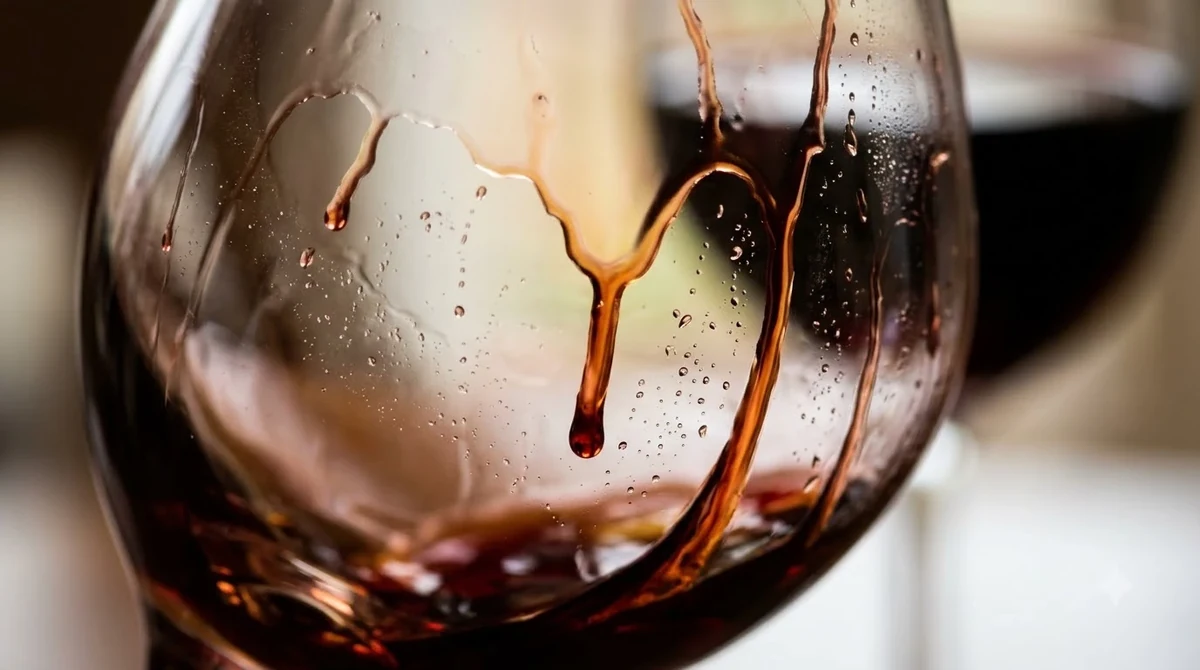
Winemaker Joel Peterson founded Ravenswood in 1976. His early work focused on Sonoma County vineyards and the potential of Zinfandel to produce wines with complexity, concentration, and a recognizable sense of place. Peterson became known as the Godfather of Zinfandel because of his influence on the grape’s reputation and its development within the California wine industry.
Rather than treating Zinfandel as a simple blending variety, Peterson emphasized the character of individual vineyards. Differences in soil, elevation, exposure, farming methods, and growing conditions could produce noticeably different wines even when the same grape variety was used. This site-focused philosophy became a defining part of Ravenswood’s identity.
The brand also became associated with the memorable phrase No Wimpy Wines. That expression reflected its preference for wines with substantial fruit, noticeable structure, and personality. Its historical reputation was built around reds that could stand up to grilled meat, rich sauces, and flavorful American food.
Ownership and winemaking stewardship have changed during the brand’s history. GALLO now oversees Ravenswood and worked with Peterson to develop its renewed portfolio. Winemaker Michael Eddy-Cort leads the modern winemaking direction, drawing on the original emphasis on vineyard expression while presenting the wines to contemporary consumers.
The renewed collection contains four principal Zinfandel expressions: Dry Creek Valley, MacMurray Vineyard, Teldeschi Vineyard, and Monte Rosso Vineyard. This approach gives drinkers a useful way to compare regional blending with individual vineyard character. Readers interested in other producers and styles can also explore our guide to Wine Brands.
What Ravenswood Red Wine Tastes Like
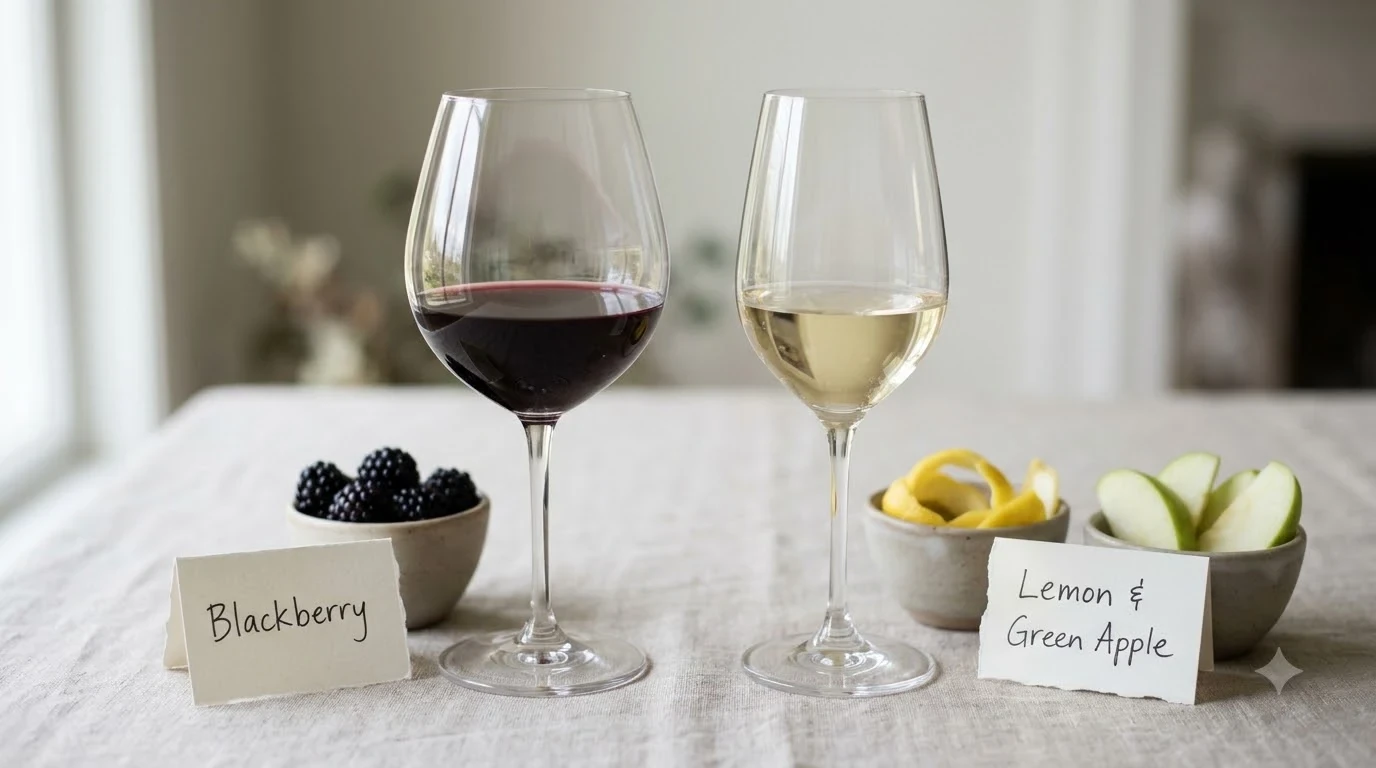
Ravenswood Zinfandel generally delivers ripe berry fruit, dark-fruit concentration, peppery spice, and a substantial mouthfeel. Its wines are dry rather than sweet, although ripe fruit aromas and flavors can create an impression of sweetness.
Blackberry, raspberry, black cherry, and plum are common reference points for understanding the variety. Depending on the vineyard and winemaking decisions, additional characteristics can include black pepper, baking spices, vanilla, toasted oak, and subtle earthy notes. These characteristics do not appear in identical proportions in every bottle.
Zinfandel is capable of producing wines with considerable alcohol and body. Some expressions feel juicy and generous, while others have firmer structure and more pronounced savory qualities. Tannin is generally noticeable but varies with grape ripeness, vineyard conditions, extraction, and blending.
For a concrete example, Wine Enthusiast awarded 90 points to the 2014 Ravenswood Old Vine Zinfandel from Sonoma County. Its review identified brambly black fruit and black pepper spice, describing a wine that combined ripe fruit with a substantial palate. That particular bottling contained additional grape varieties, demonstrating that a Ravenswood red labeled Zinfandel does not necessarily consist entirely of Zinfandel. The Wine Enthusiast review of the 2014 Ravenswood Old Vine Zinfandel provides the original tasting description and blend details.
Another example comes from Decanter’s review of the 2021 Ravenswood Old Vine Zinfandel from Lodi. The publication awarded 90 points and described blackberry, figs, coconut, clove, and other baking-spice characteristics. This wine was aged for 18 months in American and French oak, illustrating how maturation can contribute additional aromas and flavors.
For readers comparing wine styles, Ravenswood’s bold fruit profile differs from the lighter red-fruit character commonly associated with Pinot Noir. Cabernet Sauvignon generally has firmer tannins, while Merlot tends to feel softer. Zinfandel occupies its own position, offering ripe fruit, spice, and a generous texture.
Its perceived sweetness also deserves clarification. A dry Zinfandel can smell like ripe blackberries or taste like plum preserves without containing dessert-wine levels of residual sugar. The distinction between fruity flavor and actual sweetness is important when choosing a bottle for food.
Ravenswood’s Four Main Zinfandel Expressions
The current Ravenswood portfolio offers four distinct expressions, each connected to a particular California growing area or vineyard. Comparing their origins and flavor descriptions is a practical way to decide which style suits a particular occasion.
Dry Creek Valley Zinfandel
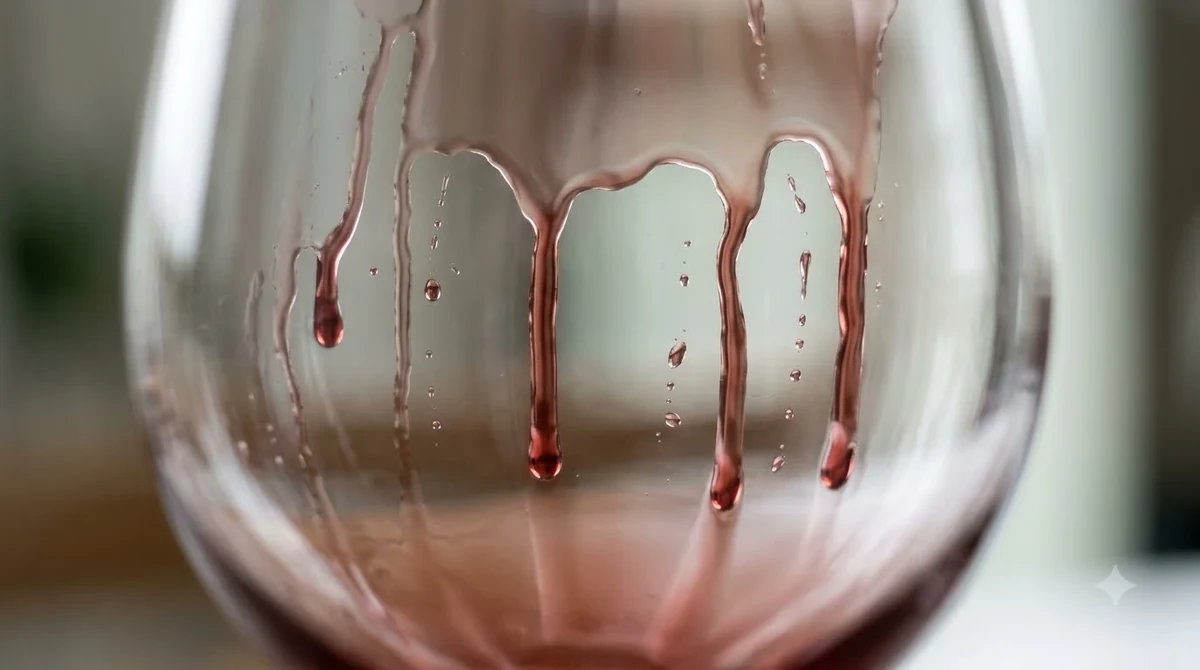
The Dry Creek Valley expression is the regional introduction to the collection. Ravenswood describes it as aromatic, smooth, and fruit-forward, with fresh red fruit, dark berries, and spice. It draws on a blend of vineyard sites within the Dry Creek Valley American Viticultural Area in Sonoma County.
This style makes sense for someone who wants a recognizable California Zinfandel without beginning with a more specialized single-vineyard expression. Its combination of fruit and spice makes it suitable for grilled meats, tomato-based pasta, and casual dinners.
Monte Rosso Vineyard Zinfandel
Monte Rosso is one of California’s historic vineyard sites. According to Ravenswood, Emmanuel Goldstein first planted the vineyard in 1886. It occupies a southwest-facing slope on Moon Mountain at approximately 1,300 feet above sea level.
Its iron-rich volcanic soils contribute to the site’s distinctive identity. Ravenswood associates its Monte Rosso Zinfandel with dark red fruit, spice, and hints of vanilla. Compared with a more straightforward fruit-forward regional wine, this expression offers an opportunity to explore the influence of a particular vineyard.
Teldeschi Vineyard Zinfandel
Teldeschi is an important site in Ravenswood’s history. Joel Peterson sourced fruit from the vineyard early in the brand’s development. The vineyard is located in a warm part of northern Sonoma County and is planted with dry-farmed old-vine Zinfandel.
Ravenswood describes its Teldeschi expression through concentrated dark fruit, richness, and black pepper. The combination makes it particularly appealing to people who enjoy wines with a substantial palate and noticeable spice. Its dry-farmed old vines also give the vineyard a distinct agricultural history within the portfolio.
MacMurray Vineyard Zinfandel
MacMurray Vineyard is associated with the Russian River Valley. The property was formerly the retreat of actor Fred MacMurray, and vines were planted there during the 1990s. The vineyard occupies a warm hilltop location above the surrounding valley.
Ravenswood describes this wine as bright and aromatic, with pronounced red fruit, fresh-cracked pepper, and spice. Its combination of freshness and aromatic intensity provides a different perspective on Zinfandel from the darker, richer Teldeschi expression.
The four wines should not be treated as interchangeable versions of exactly the same flavor. Vineyard origin and winemaking decisions affect the final result. The Dry Creek Valley wine emphasizes regional fruit character, while Monte Rosso, Teldeschi, and MacMurray provide more specific expressions of their respective growing sites.
Understanding Old Vine Zinfandel and Blended Reds
Old Vine Zinfandel is an important part of Ravenswood’s historical reputation, but the term requires some explanation. It generally refers to Zinfandel made from older grapevines, although there is no single universally enforced age threshold across all American wine labels.
Older vines can have distinctive growing characteristics, but age alone does not guarantee superior wine. Vineyard management, water availability, soil, climate, grape condition, and harvest decisions remain important. Some older vineyards produce concentrated fruit, while others may produce wines with more restrained flavors or a different balance of acidity and tannin.
Dry farming is another relevant term, particularly for the Teldeschi vineyard. Dry-farmed vines are cultivated without routine irrigation, relying primarily on natural rainfall and moisture retained in the soil. The practice requires suitable vineyard conditions and careful management, especially in California’s relatively dry growing regions.
Blending is equally important to understanding Ravenswood’s older wines. Zinfandel can be blended with other red varieties to adjust texture, color, aroma, and structure. Petite Sirah, for example, can contribute deeper color and additional tannin, while other varieties can introduce different fruit and savory characteristics.
The 2014 Ravenswood Sonoma County Old Vine Zinfandel reviewed by Wine Enthusiast provides a useful historical example. Its composition included 14% Petite Sirah, 6% Carignane, and 3% other black grapes in addition to its principal Zinfandel component. The review described a combination of ripe black fruit and peppery spice.
That example also demonstrates why it is important to distinguish between a grape name and a wine’s complete composition. A bottle identified primarily as Zinfandel can contain smaller amounts of other permitted grape varieties. The proportions and blending decisions can change between wines and vintages.
Consumers may also encounter Ravenswood bottles from Lodi, Sonoma County, and other California growing areas. These wines belong to different regional expressions and should not automatically be assumed to have identical origins or winemaking methods. For instance, the 2021 Lodi bottling reviewed by Decanter was a different wine from the older Sonoma County expression reviewed by Wine Enthusiast.
Alcohol, Body, Acidity, and Wine Structure
Ravenswood Zinfandel is generally a full-flavored red wine with medium-plus to high tannin potential and substantial body. Alcohol levels vary by bottling and vintage, making the individual wine’s specifications more useful than assuming every bottle has the same strength.
Two reviewed wines illustrate the range. Wine Enthusiast listed the 2014 Sonoma County Old Vine Zinfandel at 14.5% alcohol by volume, and Decanter listed the 2021 Lodi Old Vine Zinfandel at the same 14.5%. Those figures describe the specific wines reviewed, not a guaranteed alcohol level for the entire Ravenswood collection.
Zinfandel grapes can accumulate considerable sugar during ripening. Fermentation converts much of that sugar into alcohol, which helps explain why California Zinfandel can feel warm and generous. The result may combine dark fruit, noticeable alcohol, and a substantial texture.
Acidity provides another important element. Even a rich Zinfandel needs enough freshness to balance its fruit concentration and body. A wine with good acidity feels more lively and can work particularly well with tomato sauces, grilled foods, and dishes containing herbs or vinegar-based components.
Tannin contributes a drying sensation along the gums and inside the cheeks. In Zinfandel, the amount can vary depending on extraction, grape maturity, and blending. Petite Sirah, when included, can increase the structural impression of a blend.
| Wine characteristic | Typical expression | What it means in the glass |
|---|---|---|
| Grape variety | Primarily Zinfandel | Ripe berry and dark-fruit flavors |
| Wine style | Dry red | Fruit flavors without dessert-wine sweetness |
| Body | Medium-full to full | Generous texture and palate weight |
| Tannin | Medium-plus to high potential | Noticeable structure and drying sensation |
| Reviewed alcohol example | 14.5% ABV | Specific 2014 and 2021 bottlings |
| Serving temperature | 60–65°F | Suitable for fuller-bodied red wine |
| Standard wine pour | 5 oz | Approximately five glasses per 750 ml bottle |
These characteristics are useful when comparing Ravenswood with other red wines. Cabernet Sauvignon is generally more tannic, Merlot is often softer, and Pinot Noir usually has lighter tannins and higher perceived acidity. Zinfandel offers another balance, combining generous fruit with noticeable structure.
Food Pairings for Ravenswood Zinfandel
Ravenswood red wine pairs especially well with grilled meat, barbecue, tomato-based dishes, and strongly seasoned foods. Its ripe fruit and spice characteristics make it a natural companion for meals with substantial flavor.
Grilled beef is one of the most straightforward choices. A ribeye, sirloin steak, or grilled burger provides enough richness to complement the wine’s fruit concentration and tannin. Salt and fat also soften the perception of tannin, helping the wine feel less drying alongside a substantial meal.
Barbecue is another excellent option. Pork ribs with a savory tomato-based sauce, smoked brisket, and grilled sausages all work well with Zinfandel. A little sweetness in the sauce can complement the wine’s ripe fruit, although extremely sweet sauces are best avoided unless the wine is at least as sweet as the food.
Tomato-based pasta provides a different but equally useful pairing. Acidity in the tomatoes needs a wine with comparable or greater acidity, so a lively Zinfandel can work better than a red wine that feels heavy and flat beside the sauce. Spaghetti with meat sauce, baked ziti, and Italian sausage pasta are practical choices.
For vegetarian dishes, consider grilled mushrooms, roasted eggplant, lentil-based dishes, or vegetable lasagna. Mushrooms have savory characteristics that work naturally with the earthy and spicy elements of some Zinfandel wines. Roasted vegetables also bring caramelized flavors that complement the fruit.
Hard cheeses are another useful option. Aged cheddar, Gouda, and Parmesan can provide enough richness and savory flavor to match the wine. Softer, mild cheeses may work better with a fruitier and less tannic expression.
Some pairings require more care. Very spicy chili dishes can make alcohol and tannin feel more aggressive, increasing the impression of heat. Oily fish such as sardines or mackerel can also clash with tannic red wine. For seafood, a lighter white wine may provide a more comfortable match.
Quick pairing suggestions
- Grilled beef: Ribeye, burgers, and steak with black pepper seasoning.
- Barbecue: Smoked brisket, pork ribs, and grilled sausages.
- Pasta: Spaghetti with tomato sauce, meatballs, or Italian sausage.
- Vegetarian food: Grilled mushrooms, roasted eggplant, and vegetable lasagna.
- Cheese: Aged cheddar, Parmesan, and Gouda.
For a dinner featuring several Ravenswood expressions, begin with the more fruit-forward Dry Creek Valley wine and move toward the more concentrated single-vineyard bottles. This sequence makes differences in fruit intensity, spice, and structure easier to recognize.
Serving, Decanting, and Storing Ravenswood Red Wine
Serve fuller-bodied Ravenswood Zinfandel at approximately 60–65°F to balance its fruit, alcohol, and tannin. Proper serving temperature makes a noticeable difference, especially with wines that have substantial alcohol and concentrated flavors.
Room temperature is not always the ideal reference because modern indoor temperatures can be considerably warmer than traditional cellar conditions. If a bottle has been stored in a warm room, a short period in the refrigerator can bring it closer to the desired serving range.
Use a standard 5-ounce pour when serving. A 750 ml bottle contains approximately five standard glasses, making it straightforward to estimate how many bottles are needed for a meal. A slightly smaller pour also leaves enough room in the glass to appreciate the wine’s aromas.
Decanting can help a young, full-bodied red wine become more expressive. For a young Zinfandel with concentrated fruit and noticeable tannin, approximately 30–60 minutes in a decanter is a reasonable starting point. This allows the wine to interact with oxygen and may make its aromas easier to appreciate.
However, decanting is not compulsory. A fruit-forward bottle may be enjoyable immediately after opening, while an older bottle may require more cautious handling. The goal is to improve the drinking experience rather than expose every wine to the same amount of air.
Tip: If Ravenswood Zinfandel tastes unusually hot or alcoholic, try serving it slightly cooler. Start around 60°F, allow the wine to warm gradually in the glass, and compare its fruit and spice aromas as the temperature changes.
Store unopened bottles away from direct sunlight, heat, and repeated temperature changes. A relatively consistent temperature near 55°F is a useful target for longer-term storage. Bottles sealed with natural cork should generally be stored horizontally to help keep the cork from drying out.
After opening, reseal the bottle and refrigerate it. Even red wines benefit from refrigeration once exposed to oxygen. Allow the wine to warm slightly before pouring another glass. Most opened still wines retain reasonable quality for approximately 3–5 days, although their fruit and aromas gradually change.
Long-term aging potential depends on the specific wine, vintage, storage conditions, and structure. Not every Zinfandel improves with extended cellaring. Wines intended for immediate enjoyment are often best appreciated while their fruit remains lively and expressive.
Choosing the Right Ravenswood Bottle
The best Ravenswood expression depends on the type of Zinfandel you enjoy and the occasion for which you are buying. A regional wine provides an introduction to the grape, while the single-vineyard bottlings offer more specific expressions of California growing sites.
For someone new to the brand, Dry Creek Valley Zinfandel is a logical starting point. Its fruit-forward character and smooth profile provide a useful introduction without requiring extensive knowledge of individual vineyards. It is also a natural choice for casual dinners featuring grilled food or pasta.
Monte Rosso is a compelling choice for drinkers interested in vineyard history and site-specific wine. Its connection to a vineyard first planted in 1886, its elevated Moon Mountain position, and its volcanic soils give the bottle a particularly interesting background. The wine’s dark red fruit and spice characteristics make it suitable for a more focused tasting.
Teldeschi is worth considering for people who enjoy concentrated dark fruit and black pepper. Its dry-farmed old-vine origins make it particularly relevant to the traditional Ravenswood philosophy. The combination of richness and spice is also a good fit for flavorful meat dishes.
MacMurray provides another perspective, emphasizing red fruit, aromatic freshness, and peppery spice. It is a useful comparison for people who want to understand how a warm hilltop vineyard in the Russian River Valley can produce a different expression from other Sonoma County sites.
Vintage also matters. Growing conditions change from one harvest to another, affecting ripeness, acidity, alcohol, and overall balance. Two bottles carrying the same vineyard designation can therefore have noticeable differences even when the winemaking approach remains consistent.
It is also useful to distinguish current releases from older Ravenswood bottles. Historical Vintners Blend and Old Vine labels may differ in composition and origin from the renewed four-wine portfolio. A bottle from an earlier release should be assessed on its own characteristics rather than assumed to represent the current collection.
Consumers comparing other red wine producers may find our article about baron philippe de rothschild wine helpful for understanding a different approach to wine branding and regional styles. For white-wine drinkers, our guide to ravenswood white wine provides a separate starting point for exploring the brand beyond its best-known red wines.
Ultimately, the most useful approach is to choose based on the grape, origin, and flavor description rather than the label alone. Ravenswood’s four principal expressions provide a convenient comparison of regional blending and individual vineyard character.
Frequently Asked Questions
Is Ravenswood Zinfandel made from the same grape as Primitivo?
Yes. Zinfandel and Primitivo are genetically the same grape variety, although they are associated with different winemaking traditions and growing regions. Zinfandel is especially important in California, while Primitivo is strongly associated with southern Italy, particularly Puglia. Their flavor profiles can differ according to climate, vineyard conditions, and production choices.
Does Ravenswood use natural cork or screw caps?
Closure type can vary between individual Ravenswood releases and packaging formats. Decanter identified a cork closure for its reviewed 2021 Lodi Old Vine Zinfandel. This is a detail worth considering when selecting storage equipment or planning to keep a particular bottle for an extended period.
What does the Ravenswood raven logo represent?
The brand’s name has a connection to Joel Peterson’s early winemaking experiences and his interest in raven symbolism. Ravens were part of the story surrounding the first harvest, helping inspire the name. The bird subsequently became an important part of the brand’s recognizable identity and visual presentation.
Can Ravenswood Zinfandel be used for cooking?
Yes. Dry Zinfandel can be used in beef braises, tomato-based meat sauces, and reductions for grilled meats. Its fruit and spice characteristics can contribute depth to a sauce, particularly when combined with onions, garlic, and herbs. Avoid reducing the wine too aggressively because concentrated alcohol and acidity can become more noticeable during cooking.
What is the difference between Zinfandel and White Zinfandel?
Traditional red Zinfandel is fermented with extended contact between the juice and grape skins, producing its characteristic red color, tannin, and fuller texture. White Zinfandel is a pink wine made with limited skin contact and is often produced in a sweeter style. Despite the name, White Zinfandel is not a white grape variety or the same wine style as traditional Ravenswood red Zinfandel.
Ravenswood red wine remains an important name for people interested in California Zinfandel, combining a long Sonoma County history with a renewed emphasis on individual vineyard sites. Whether you choose the approachable Dry Creek Valley expression or explore Monte Rosso, Teldeschi, and MacMurray, the collection offers several ways to appreciate the grape’s character. Serve it at the right temperature, pair it with flavorful food, and compare different vineyard expressions to discover which style you enjoy most.
More in Wine Brands
 Underwood Wine Price: Compare Bottles, Cans, and Pack SizesUpdated Nov 21, 2026
 Zenato Wine Price: Compare Styles and Choose the Right BottleUpdated Nov 21, 2026
 Zuccardi Wine Price: Compare Bottles and Find the Right RangeUpdated Nov 21, 2026
 Yellow Tail Moscato Review: Taste, Sweetness and Serving TipsUpdated Nov 21, 2026
 Wolf Blass Yellow Label Review: Choose Your Best StyleUpdated Nov 21, 2026
 Wolffer Estate Rose Review: Choose the Right Bottle for Your TableUpdated Nov 21, 2026