

We may earn a commission when you buy through links on this page, at no extra cost to you. Learn more.
This ravenswood wine review finds that Ravenswood is an excellent brand to consider if you enjoy bold, fruit-forward California Zinfandel with distinctive Sonoma County character. Its current lineup focuses on four expressions: Dry Creek Valley, Monte Rosso, Teldeschi, and MacMurray Vineyard. The Dry Creek Valley bottling is the approachable starting point, while the three vineyard-designated wines offer more specific expressions of their growing sites.
Ravenswood has a long association with California Zinfandel, particularly the distinctive wines of Sonoma County. Founded by Joel Peterson, the winery built its reputation around expressive fruit, substantial structure, and an emphasis on vineyard character. Its modern portfolio continues that tradition, although today’s lineup is more focused than the broad range of wines many longtime customers may remember. Understanding the differences between the four current expressions makes it easier to choose a bottle that suits your palate, meal, and occasion.
Who Should Consider Ravenswood Wine
Ravenswood is particularly appealing to drinkers who enjoy generous berry flavors, noticeable spice, and full-bodied red wines. Its Sonoma County Zinfandel lineup offers several interpretations of the same grape, making the brand useful for both casual dinners and more deliberate vineyard comparisons.
The strongest reason to consider Ravenswood is its focus on Zinfandel rather than an extensive collection of unrelated grape varieties. Zinfandel typically produces wines with ripe blackberry, raspberry, cherry, and baking-spice characteristics. Depending on the vineyard and winemaking choices, the finished wine can feel soft and fruit-forward or more concentrated, structured, and peppery.
Ravenswood may suit people who already enjoy California Zinfandel, Australian Shiraz, or richer Merlot. Its wines can deliver substantial fruit and alcohol, so drinkers accustomed to light Pinot Noir or crisp Sauvignon Blanc may find the style more powerful than expected. The different vineyard expressions provide an opportunity to explore that intensity without assuming every bottle tastes exactly the same.
The brand also makes sense for people interested in Sonoma County wine history. Joel Peterson founded Ravenswood in 1976 and helped establish Zinfandel as an important California wine category. The winery’s return with a focused portfolio gives longtime fans an opportunity to reconnect with the name while introducing newer drinkers to its vineyard-centered approach.
However, Ravenswood is not automatically the right choice for every occasion. Someone seeking delicate reds with low alcohol, pronounced earthy flavors, or restrained fruit may prefer Pinot Noir. Likewise, a drinker looking for crisp white wine should explore a different category rather than expecting the current core Ravenswood lineup to provide a broad selection of white varieties.
Key Factors to Compare Before Choosing Ravenswood
The most useful buying considerations are vineyard origin, fruit character, structure, alcohol level, and the occasion for which you are buying. Comparing these characteristics is more informative than selecting a bottle based only on its label or reputation.
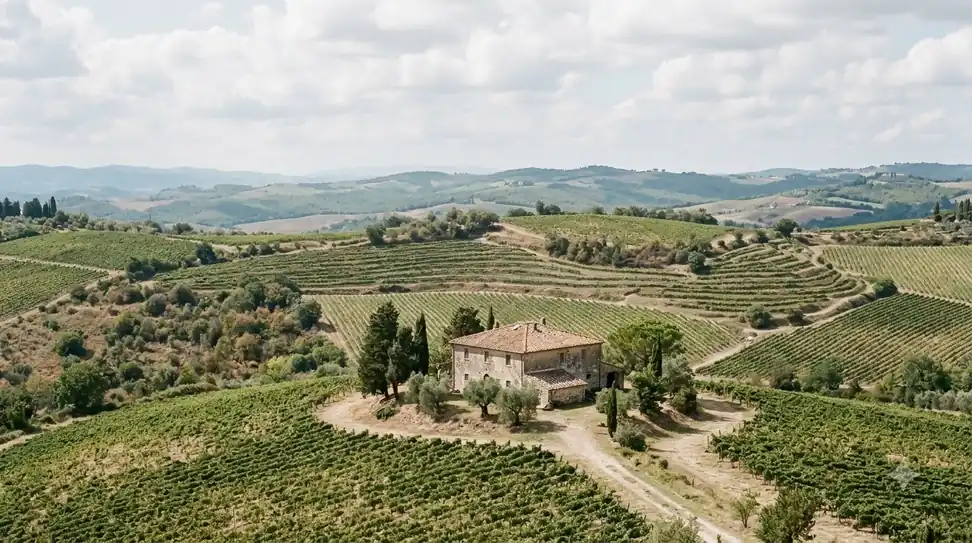
Start with the distinction between an appellation wine and a vineyard-designated wine. The Dry Creek Valley bottling draws on multiple sites within a recognized Sonoma County growing area. Monte Rosso, Teldeschi, and MacMurray instead emphasize particular vineyard sources, allowing their differences in elevation, climate, and farming conditions to influence the finished wine.
The following comparison summarizes the four current expressions using Ravenswood’s descriptions and published information about the 2023 wines. Alcohol figures are vintage-specific rather than universal specifications for every future release.
| Wine | Origin | Typical flavor direction | 2023 ABV | Best starting point |
|---|---|---|---|---|
| Dry Creek Valley Zinfandel | Dry Creek Valley, Sonoma | Red fruit, dark berries, spice | 15.6% | Approachable fruit-forward Zin |
| Monte Rosso Vineyard Zinfandel | Moon Mountain, Sonoma | Dark fruit, pepper, vanilla | 15.7% | Concentrated vineyard expression |
| Teldeschi Vineyard Zinfandel | Dry Creek Valley, Sonoma | Black cherry, plum, pepper | 15.7% | Rich, structured red wine |
| MacMurray Vineyard Zinfandel | Russian River Valley, Sonoma | Raspberry, herbs, flowers, pepper | 14.9% | Brighter, aromatic Zin |
The alcohol figures above come from Wine Enthusiast’s published 2023 reviews. They illustrate an important point: these are relatively powerful wines, with the reviewed examples ranging from 14.9% to 15.7% alcohol by volume. That does not mean they all taste equally heavy. Acidity, tannin, fruit concentration, and vineyard conditions also influence how a wine feels.
Another useful factor is the food you plan to serve. A concentrated Zinfandel generally works better with substantial dishes than with delicate seafood. Salt and fat can soften the perception of tannin, while chili heat can become more pronounced alongside high-alcohol reds. Matching the wine to the meal helps prevent its intensity from overwhelming the food.
For additional background on the producer and its history, the official Ravenswood winery story explains the brand’s connection to Sonoma Zinfandel and its renewed focus on vineyard-specific wines.
Step-by-Step: How to Choose a Ravenswood Bottle
Choosing Ravenswood becomes easier when you begin with your preferred flavor profile and work toward a specific vineyard expression. These five steps provide a practical way to narrow the selection without needing advanced wine knowledge.
-
Decide how powerful you want the wine to feel.
If you enjoy ripe fruit and a relatively smooth presentation, begin with Dry Creek Valley. Its blend of sites gives it a broader regional identity. If you prefer more concentrated flavors and a distinctive vineyard personality, consider one of the three single-vineyard wines instead.
-
Choose your preferred fruit profile.
Look toward MacMurray for brighter raspberry, floral, and herbal characteristics. Monte Rosso is a more natural direction for dark fruit and spice. Teldeschi is worth considering if black cherry, plum, and black pepper are especially appealing. Dry Creek Valley provides a middle ground with red fruit, dark berries, and spice.
-
Consider the vineyard story.
Monte Rosso is associated with a southwest-facing slope on Moon Mountain and iron-rich volcanic soils. Teldeschi is a historic dry-farmed, old-vine source in northern Sonoma County. MacMurray comes from a warm hilltop site above the cooler Russian River Valley. These geographical differences help explain why the wines are not interchangeable.
-
Match the bottle to your meal.
For grilled beef, barbecue ribs, and lamb, the richer expressions are natural candidates. For pork with herbs or roasted poultry, MacMurray’s brighter fruit character may be especially appealing. If the meal contains substantial fat or salt, the wine’s tannin can feel softer and more integrated.
-
Consider the drinking occasion.
For a relaxed dinner with friends, Dry Creek Valley is a sensible starting point. A vineyard-focused dinner or comparative tasting gives Monte Rosso and Teldeschi more room to show their individual personalities. MacMurray can be useful when you want a more aromatic expression rather than the most concentrated style.
It is also helpful to compare vintage information before purchasing. Wine is an agricultural product, so growing conditions and harvest decisions can change the balance of fruit, acidity, tannin, and alcohol. A familiar vineyard name does not guarantee an identical flavor profile from one vintage to another.
Tip: If you are new to Ravenswood, start with Dry Creek Valley before moving to a single-vineyard expression. This gives you a useful reference point for understanding how Monte Rosso, Teldeschi, and MacMurray differ in fruit, spice, and structure.
Ravenswood Wine Styles and Vineyard Differences
Ravenswood’s current range is built around four Sonoma County Zinfandel expressions rather than a large assortment of grape varieties. The most important distinction is between the regional Dry Creek Valley blend and the three wines that highlight individual vineyard sources.
Dry Creek Valley: The Regional Introduction
Dry Creek Valley is the most straightforward introduction to the brand’s current direction. Ravenswood describes this wine as aromatic, flavorful, smooth, and fruit-forward, with fresh-picked red fruit, dark berries, and spice.
Wine Enthusiast’s review of the 2023 bottling adds useful detail. Its tasting description identifies candied cherry, clove, cinnamon, raspberry, licorice, caramel, and milk chocolate. The published alcohol figure is 15.6%, illustrating that an approachable fruit profile can still come with considerable body and strength.
This expression is a practical choice for someone who wants recognizable California Zinfandel character without beginning with a single-vineyard bottling. Its regional identity also makes it suitable for casual comparisons with other Dry Creek Valley wines.
Monte Rosso: Elevation and Volcanic Soil
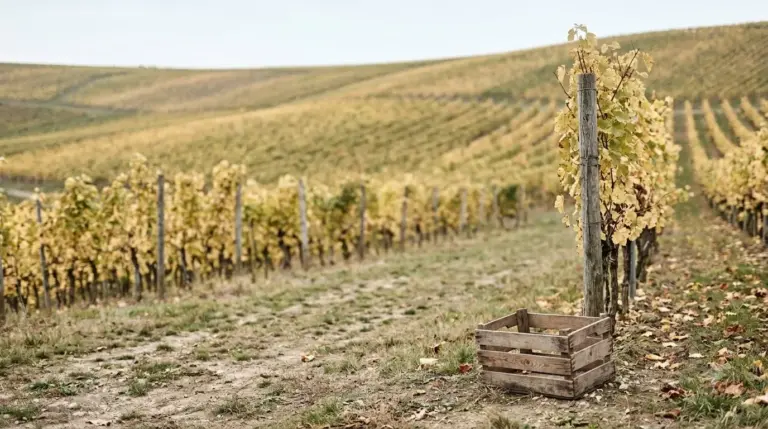
Monte Rosso is the vineyard expression to investigate if site character and concentrated dark fruit are priorities. Ravenswood identifies the vineyard as a historic Sonoma site first planted in 1886 by Emmanuel Goldstein. Its southwest-facing position on Moon Mountain, approximately 1,300 feet above sea level, and iron-rich volcanic soils contribute to its distinctive growing environment.
The winery describes the wine through dark red fruit, spice, and vanilla. Wine Enthusiast’s review of the 2023 vintage identifies blackberry, plum, black pepper, cherry, licorice, mineral character, and zesty orange. The reviewed bottle has 15.7% alcohol.
Monte Rosso is a strong candidate for people who enjoy concentrated reds with multiple layers of flavor. Its combination of ripe fruit, spice, and structure makes it particularly interesting alongside rich grilled meats and slow-cooked dishes.
Teldeschi: Traditional Old-Vine Character
Teldeschi has a particularly strong connection to Ravenswood’s early vineyard-sourcing history. The winery describes the site as a warm pocket in northern Sonoma County, planted to dry-farmed old-vine Zinfandel. Its characteristic flavor direction includes concentrated dark fruit and black pepper, with acidity providing contrast.
Wine Enthusiast’s 2023 review describes black cherry, plum, black pepper, cinnamon, spiced plum, raspberry, purple flowers, and clove. Its listed alcohol content is 15.7%. The broad, weighty character makes this expression particularly suitable for drinkers who enjoy generous fruit and substantial red-wine structure.
Teldeschi is worth considering for a serious barbecue dinner or a meal built around braised beef. It can also appeal to collectors interested in wines with a recognizable vineyard identity rather than simply a regional designation.
MacMurray: A Brighter Sonoma Expression
MacMurray offers a different perspective on Zinfandel. Its vineyard is situated on a warm hilltop above the cooler Russian River Valley, and Ravenswood associates the wine with pronounced red fruit, fresh-cracked pepper, and spice.
Wine Enthusiast’s review of the 2023 vintage identifies tart raspberry, violets, crushed herbs, candied cherry, mint, and floral characteristics. The listed alcohol level is 14.9%, lower than the reviewed 2023 Dry Creek Valley, Monte Rosso, and Teldeschi bottlings.
MacMurray is a useful option for drinkers who want Zinfandel’s familiar fruit and spice without automatically choosing the most concentrated expression. Its brighter aromatic profile can work particularly well with herb-roasted pork, grilled chicken, and moderately seasoned dishes.
For a closer look at the individual red expressions, the Ravenswood red wine selection provides a natural next step in comparing the brand’s red-wine character.
Common Mistakes When Buying Ravenswood Wine
The most frequent buying mistakes involve assuming every Zinfandel tastes the same, overlooking alcohol levels, and confusing ripe fruit with sweetness. Understanding these distinctions helps set realistic expectations before opening a bottle.
Assuming Fruit-Forward Means Sweet
Ravenswood’s descriptions frequently mention ripe berries, cherry, and other generous fruit flavors. These aromas and flavors do not automatically mean the wine contains significant residual sugar. A dry red can taste fruity, soft, and almost jam-like while remaining dry in its overall style.
This distinction matters when pairing wine with food. Zinfandel generally works well with barbecue sauces that contain some sweetness, but the wine should not be assumed to have the same sweetness level as a dessert wine. When pairing with genuinely sweet food, the wine should be at least as sweet as the dish to avoid tasting sour or harsh.
Ignoring Alcohol Content
The reviewed 2023 Ravenswood examples range from 14.9% to 15.7% alcohol. That is an important consideration for anyone accustomed to lighter reds. Alcohol contributes to the perception of warmth and body, particularly when the wine is served too warm.
A powerful wine can still have good balance, but it may dominate delicate dishes. Avoid pairing high-alcohol Zinfandel with extremely spicy food because chili heat can become more pronounced alongside alcohol and tannin.
Choosing a Vineyard Wine Without Understanding Its Style
Single-vineyard designations are useful because they communicate a more specific origin, but they are not automatic guarantees of personal preference. Someone who enjoys bright raspberry and floral notes may prefer MacMurray to a concentrated Teldeschi bottling.
Similarly, a buyer who expects all old-vine Zinfandel to taste identical may overlook meaningful differences between sites. Monte Rosso’s volcanic hillside setting and Teldeschi’s dry-farmed vineyard character are distinct parts of the story.
Serving the Wine Too Warm
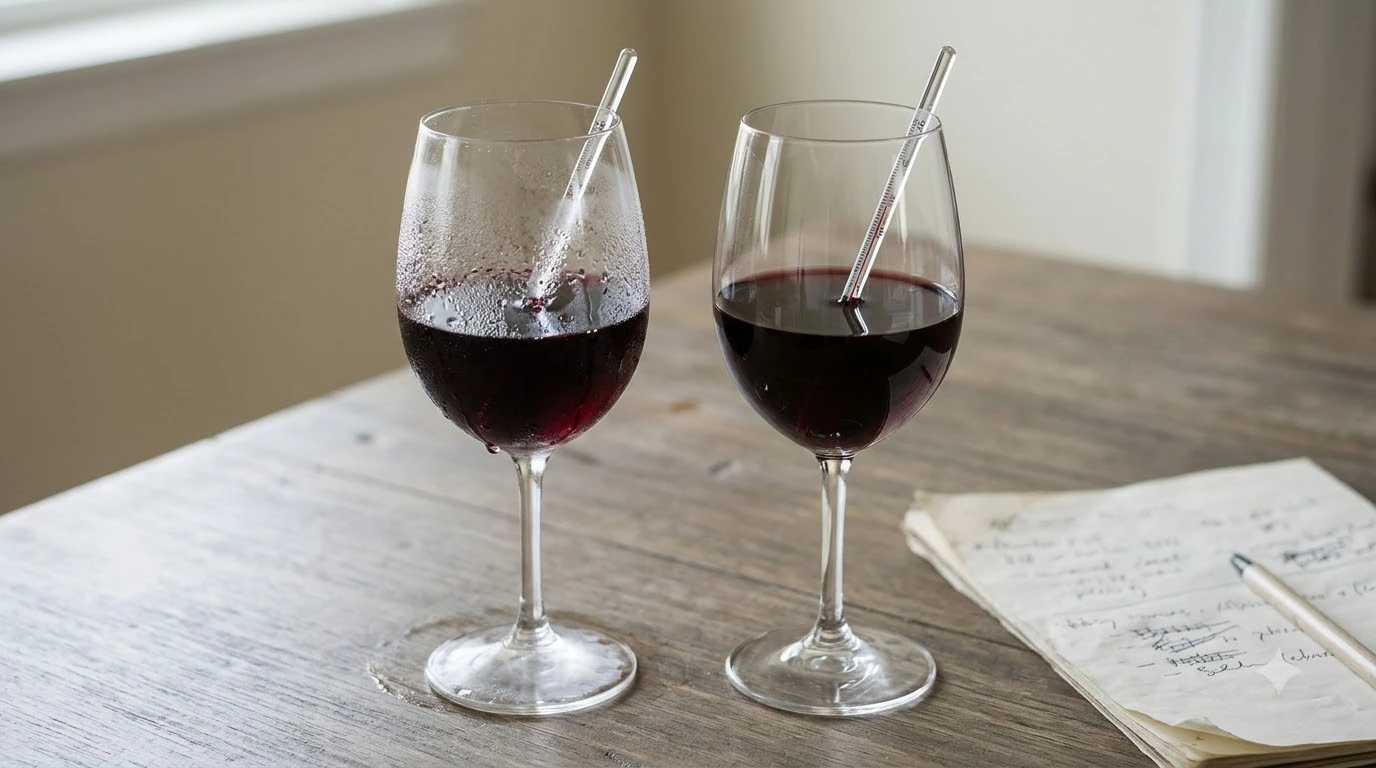
Full-bodied reds are often served at ordinary room temperature, but warm indoor conditions can make a powerful Zinfandel feel overly alcoholic. A slightly cooler serving temperature helps keep the fruit, acidity, and structure in better proportion.
For a fuller expression such as Monte Rosso or Teldeschi, begin around 60 to 65 degrees Fahrenheit. If the bottle has been stored in a warm room, a brief period in the refrigerator can help bring it into a more suitable serving range.
Expecting the Historical Portfolio to Be Unchanged
Longtime Ravenswood customers may remember older bottlings and broader product ranges. The modern portfolio has a much clearer focus on four Zinfandel expressions. Buyers should distinguish the current range from historical labels and avoid assuming that an older Vintners Blend or Chardonnay belongs to the same current lineup.
Serving, Food Pairing, and Storage Tips
Ravenswood Zinfandel generally benefits from moderate serving temperatures, suitable glassware, and food with enough flavor to stand alongside its fruit and spice. A few straightforward serving habits can make a substantial difference to the drinking experience.
Serving Temperature and Glassware
Serve full-bodied Ravenswood Zinfandel at approximately 60 to 65 degrees Fahrenheit. This is cooler than many heated dining rooms but warmer than a refrigerator. The goal is to preserve the wine’s fruit expression while limiting the perception of alcohol heat.
A large red-wine glass with a reasonably wide bowl is a good choice. It allows the wine to release its aromas and provides room for gentle swirling. Pour approximately 5 ounces per glass; a standard 750 ml bottle provides about five such servings.
When to Decant
Young, full-bodied red wines can benefit from exposure to air before serving. For a young, concentrated Zinfandel, try decanting for approximately 30 to 60 minutes. This can soften the initial impression and allow aromas of berry, spice, and herbs to become more apparent.
Decanting is particularly worth considering for a substantial Teldeschi or Monte Rosso bottling. It is not compulsory, however. A more fruit-forward Dry Creek Valley wine can be opened and poured shortly before dinner, then allowed to develop in the glass.
Food Pairings That Work
Grilled beef is a classic match for Zinfandel. The wine’s fruit and spice can stand alongside charred surfaces, smoky seasoning, and the richness of a well-marbled cut. Barbecue ribs are another natural choice, especially when the sauce combines savory, smoky, and moderately sweet flavors.
Other suitable dishes include:
- Roasted lamb: Its savory character and fat complement Zinfandel’s fruit and tannin.
- Beef short ribs: Slow cooking produces a rich texture that works with concentrated red wine.
- Grilled pork: The fruit character can complement caramelized edges and herb seasoning.
- Smoked sausages: Savory flavors and moderate fat provide a good counterpoint to berry and spice notes.
- Hard aged cheeses: Their salt and fat can soften the perception of tannin.
Not every dish is a good match. Delicate white fish and oily fish can clash with tannic red wines, while strongly spiced dishes may make the alcohol feel more pronounced. For acidic foods, choose a wine with equal or higher acidity so that the wine does not taste flat alongside the dish.
Storage After Opening
Store unopened bottles on their sides in a cool, dark location near 55 degrees Fahrenheit when they have natural cork closures. Avoid repeated temperature fluctuations, direct sunlight, and locations close to heating appliances.
Once opened, reseal the bottle and refrigerate it. Most still wines retain reasonable quality for approximately three to five days, although the exact period depends on the wine, storage conditions, and amount of air remaining in the bottle. Allow a refrigerated red to warm slightly before serving again.
For more information about the brand’s range and the distinctions between its wines, explore Ravenswood wine. Readers interested in alternatives can also browse our broader Wine Brands resource to compare producers and regional styles.
Frequently Asked Questions
Is Ravenswood an American wine brand?
Yes. Ravenswood is a California wine brand associated with Sonoma County. Its founder, Joel Peterson, is also a prominent figure in the history of American Zinfandel, helping establish the grape’s reputation as a distinctive California variety.
Who owns Ravenswood Winery?
Ravenswood is under the stewardship of GALLO. The company announced its renewed portfolio in March 2025, with Joel Peterson collaborating on the brand’s return and Michael Eddy-Cort leading the winemaking.
Is Ravenswood Zinfandel made from the same grape as Primitivo?
Zinfandel and Primitivo are genetically identical varieties, and both are associated with the Croatian grape Crljenak Kaštelanski. Their regional growing conditions and winemaking traditions can produce noticeably different styles, even though the underlying grape variety is the same.
Can Ravenswood Zinfandel be aged for several years?
Some concentrated Zinfandels can develop additional complexity with bottle age, although the potential varies by vineyard, vintage, and storage conditions. The 2023 Teldeschi and Monte Rosso reviews published by Wine Enthusiast indicate later drinking windows beginning around 2030, illustrating that selected bottlings can have meaningful aging potential.
Does Ravenswood use only Zinfandel grapes in every historical wine?
No. Older Ravenswood bottlings included blends containing varieties such as Petite Sirah, Carignane, and Syrah alongside Zinfandel. The current four-wine portfolio is presented as a Zinfandel-focused collection, so historical blends should not be confused with the present lineup.
Ravenswood remains an interesting name for anyone who appreciates Sonoma County Zinfandel, with four current expressions offering different perspectives on fruit, spice, and vineyard character. Dry Creek Valley is the sensible introduction, while Monte Rosso, Teldeschi, and MacMurray provide more distinctive alternatives for exploring the grape. Choose according to your preferred flavor profile and meal, serve the wine slightly cool, and give its individual character room to show.
More in Wine Brands
 Yellow Tail Moscato Review: Taste, Sweetness and Serving TipsUpdated Nov 21, 2026
 Wolf Blass Yellow Label Review: Choose Your Best StyleUpdated Nov 21, 2026
 Wolffer Estate Rose Review: Choose the Right Bottle for Your TableUpdated Nov 21, 2026
 Wolf Blass Yellow Label Price: What to Expect for Each BottleUpdated Nov 21, 2026
 Yellow Tail Pinot Grigio Price: Compare Bottle Sizes and Retail CostsUpdated Nov 21, 2026
 Yellow Tail Big Bold Red Price and What Buyers GetUpdated Nov 21, 2026