

We may earn a commission when you buy through links on this page, at no extra cost to you. Learn more.
Protocolo wine price typically falls around $7 to $14 for a 750 ml bottle in the United States, depending on the wine style, retailer, and availability. The Spanish brand offers approachable red, white, and rosé wines, making it an option for shoppers looking for everyday bottles rather than expensive cellar selections. Protocolo Tempranillo is the best-known starting point, while Protocolo Blanco and Protocolo Rosado provide alternatives for different meals and occasions.
Protocolo comes from Dominio de Eguren, a Spanish wine producer associated with the Eguren family. Its wines emphasize accessible fruit flavors and straightforward drinking styles. Understanding the differences between the bottles, the grapes involved, and typical American retail pricing makes it easier to choose the right Protocolo without paying for a style you do not need. This guide explains the main buying considerations, realistic price expectations, food pairings, and practical storage advice.
Who Should Buy Protocolo Wine?
Protocolo is worth considering for shoppers who want approachable Spanish wine for ordinary meals, casual gatherings, and relaxed evenings. Its combination of Tempranillo reds and lighter white and rosé alternatives gives buyers several ways to explore Spanish wine without immediately moving into premium-priced categories.
The brand is associated with Dominio de Eguren and winemaker Marcos Eguren. The producer’s vineyard selection includes areas such as Manchuela, Rioja, and Toro, with attention to older vines and lower yields. This background provides useful context: Protocolo is not simply an anonymous international red wine. Its identity is connected to Spanish vineyards and a family winemaking operation.
Red-wine drinkers who enjoy approachable fruit character should start with Protocolo Tinto or Protocolo Tempranillo. Retailer descriptions identify blackberry and strawberry as characteristic flavors, making the wine a natural candidate for pizza, burgers, roasted meats, and uncomplicated weeknight dinners. The style is more suitable for someone seeking accessible fruit and moderate structure than someone specifically searching for a powerful, heavily tannic Cabernet Sauvignon.
White-wine shoppers have another option in Protocolo Blanco. Marketview describes this wine as a dry, light-bodied blend featuring Airén and Macabeo, with apple and peach characteristics. Protocolo Rosado provides another direction for people who prefer chilled, fruit-oriented wines with lighter food.
Protocolo can also suit shoppers who are comparing affordable Spanish bottles with familiar supermarket selections. Someone who regularly buys Barefoot wine may find Protocolo an interesting way to explore a different country’s grapes and regional identity. The wines are not identical in style, but the comparison can help shoppers decide whether they want something beyond familiar American grocery-store selections.
Tip: Start with Protocolo Tinto if you usually drink dry red wine, Blanco if you prefer crisp white wine, and Rosado if you want a chilled bottle for a warm afternoon. Choosing by preferred style is more useful than choosing solely by the lowest shelf price.
Key Factors to Compare When Checking Protocolo Wine Price
The most useful way to evaluate Protocolo wine price is to compare the bottle size, wine style, retailer, and availability together. A 750 ml red, a 1.5 L format, and a white blend should not automatically be treated as equivalent purchases.
For American shoppers, a typical retail range of approximately $7 to $14 for a 750 ml bottle is a reasonable starting point. Marketview Liquor lists Protocolo Blanco around the lower end of this range, while other retailer listings provide additional examples of the brand’s everyday positioning. These are retailer examples rather than guaranteed national prices. Prices vary by state and retailer, and local taxes, distribution, vintage, and inventory can affect the final amount.
| Comparison factor | What to expect | Buying consideration |
|---|---|---|
| Protocolo Tinto | 750 ml | Fruit-forward Spanish red |
| Protocolo Tempranillo | 750 ml or 1.5 L | Compare bottle size and availability |
| Protocolo Blanco | 750 ml | Dry white blend featuring Airén and Macabeo |
| Protocolo Rosado | 750 ml | Chilled, lighter alternative to red wine |
| Typical US retail range | About $7-$14 | Varies by retailer and wine expression |
| Standard serving | 5 oz | Approximately five servings per 750 ml bottle |
| Large format | 1.5 L | Approximately ten standard 5 oz servings |
The table is a practical comparison rather than a promise that every expression is stocked at every store. Regal Wine Imports identifies both 750 ml and 1.5 L formats for its Protocolo Tempranillo listing, but the large bottle is not necessarily available in every state. A retailer may also carry a different vintage or a slightly different product name.
Retailer evidence illustrates why checking multiple stores matters. Total Wine lists a 750 ml Protocolo Tinto, while The Cellar d’Or carries several expressions, including Tempranillo, Blanco, Rosé, and organic versions. Marketview Liquor separately lists Protocolo Blanco. These different selections demonstrate that the brand’s availability is not uniform across the country.
Understand the bottle size
A standard 750 ml bottle contains approximately five 5 oz servings. A 1.5 L bottle contains twice that volume, or approximately ten standard servings. For a household that regularly serves wine with dinner, the larger bottle can be convenient, although the value should be evaluated using the actual local price per liter rather than the bottle price alone.
Compare like with like
Do not compare a white blend with a red Tempranillo as though they were interchangeable products. Different grape varieties, production choices, and wine styles influence what the bottle offers. A slightly more expensive Blanco might be the better purchase for someone serving seafood, while a less expensive Tinto may make more sense for a grilled-meat dinner.
Step-by-Step: How to Choose the Right Protocolo Bottle
A straightforward buying process can help shoppers avoid choosing the wrong expression or paying more than necessary. Start with the occasion and preferred wine style, then compare the bottle and retailer details.
-
Decide whether you want red, white, or rosé.
Choose Protocolo Tempranillo or Tinto for a dry Spanish red with berry-fruit character. Select Blanco for a lighter white wine, or Rosado for a chilled alternative that works well with casual meals. This first decision eliminates most unnecessary comparisons.
-
Consider the main grape variety.
Tempranillo is the key grape to investigate if you enjoy red wines with cherry, strawberry, and darker fruit characteristics. Protocolo Blanco is a different proposition: Marketview identifies its blend as 90% Airén and 10% Macabeo. These grapes provide a lighter white-wine direction rather than the structure of a red Tempranillo.
-
Set a realistic spending range.
Use approximately $7 to $14 per 750 ml bottle as an initial American retail comparison. Marketview Liquor’s Protocolo Blanco listing and other US retailer listings provide examples within this general market position. Prices vary by state and retailer, so compare the final shelf price at stores serving your area.
-
Compare the bottle volume.
A 750 ml bottle is suitable for a small dinner or a couple of servings over an evening. A 1.5 L bottle provides approximately ten 5 oz pours, making it more practical for a larger gathering. Check whether the larger format is genuinely better value by calculating its price per liter.
-
Match the wine to the food.
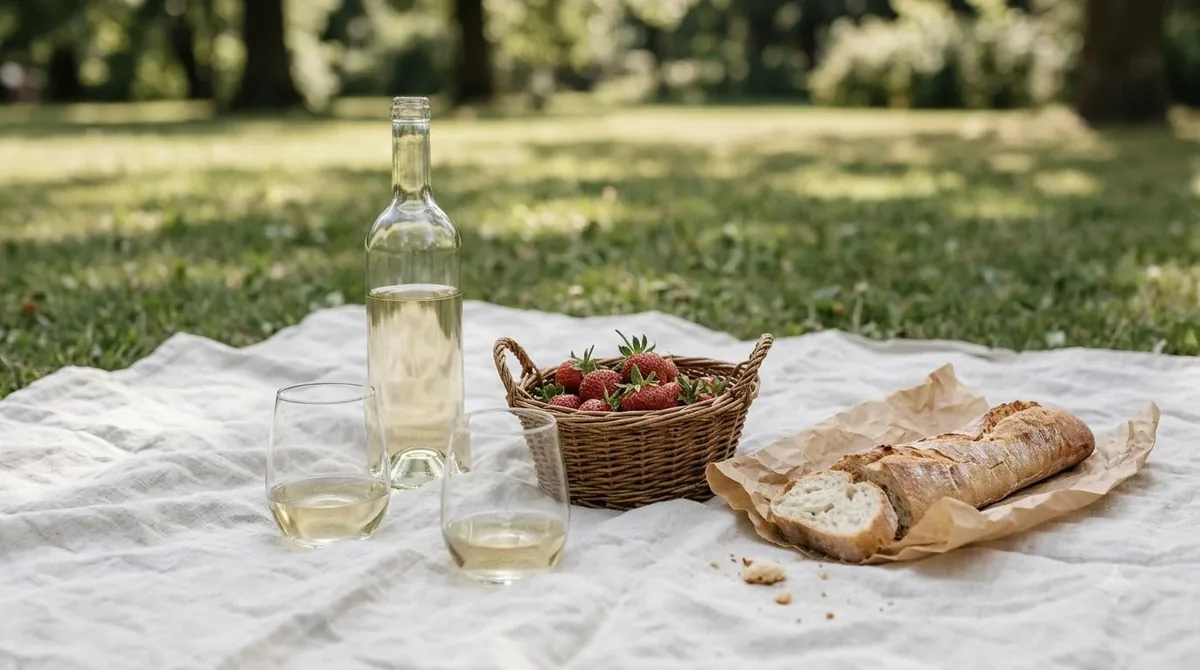
Tempranillo works naturally with grilled beef, burgers, roasted vegetables, and tomato-based dishes. Blanco is more appropriate for seafood, poultry, and lighter preparations. Rosado can accompany salads, grilled chicken, and picnic foods.
-
Compare retailer information.
Look at the producer or importer description alongside the retailer’s product listing. Regal Wine Imports’ Protocolo Tempranillo profile provides vineyard, production, and bottle-format information. Retailer listings can then help establish the local buying range.
-
Choose a bottle that fits your drinking schedule.
If you plan to serve wine to several people, the standard bottle is easy to manage. For a larger gathering, consider the 1.5 L option if available. Avoid opening a large bottle simply because its volume appears attractive if you will not finish it within a reasonable period.
This process also helps separate genuine value from a low initial shelf price. The best purchase is the bottle that fits the occasion, flavor preference, and serving quantity, rather than automatically the least expensive expression.
Protocolo Wine Types and Styles Explained
Protocolo offers several styles that appeal to different wine drinkers, with Tempranillo providing the central red-wine identity and Blanco and Rosado offering lighter alternatives. Understanding their differences is essential before comparing their retail prices.
Protocolo Tinto and Tempranillo
Protocolo Tinto is the logical starting point for red-wine shoppers. Total Wine describes its expression as a Spanish Tempranillo with fresh blackberry and strawberry flavors. These fruit characteristics suggest a wine intended for accessible everyday drinking rather than a highly concentrated, heavily oaked red.
Tempranillo is an important Spanish red grape that can produce a wide range of styles. Its character depends on growing conditions, ripeness, winemaking, and aging. Protocolo’s approach emphasizes preserving freshness and fruit, according to the production information published by its American importers.
Banville Wine Merchants describes Protocolo Tempranillo as 100% Tempranillo. Its production notes specify a 48-hour cold soak in stainless steel before fermentation, selected yeasts, and eight days of post-fermentation maceration. Light micro-oxygenation is used to soften tannins, and the wine is bottled young to protect freshness and aromatic character. Banville’s Protocolo Tempranillo description provides further details about these production choices.
These details help explain why the red can appeal to drinkers who prefer fruit-forward wines without requiring extensive aging. It is a sensible style for everyday meals, informal entertaining, and introducing Spanish Tempranillo to someone accustomed to international supermarket reds.
Protocolo Blanco
Protocolo Blanco is the option to consider when red wine feels too heavy or when the meal calls for something fresher. Marketview identifies the wine as a blend of 90% Airén and 10% Macabeo, with a dry, light-bodied profile and apple and peach flavors.
Airén is a traditional Spanish white grape, while Macabeo is another established Spanish variety used in both still and sparkling wines. Together, they provide a different experience from the berry-driven character of Tempranillo. Marketview lists the Blanco at 12% ABV for its referenced bottling, offering a useful point of comparison when selecting a white wine.
Serve the Blanco at approximately 45-50°F. Its lighter profile works with grilled shrimp, white fish, salads, roast chicken, and vegetable dishes. It can also accompany mildly spicy food, provided the dish does not overwhelm the wine with intense chili heat.
Protocolo Rosado
Protocolo Rosado gives shoppers another way to enjoy the brand without choosing a conventional red or white. Rosé is especially useful for outdoor meals, informal lunches, and warm-weather occasions because it is normally served chilled.
Its exact grape composition and tasting characteristics can vary by bottling, so shoppers should avoid assuming that every Protocolo Rosado has the same flavor profile as the Tempranillo. A rosé made with red grapes can still have a lighter body and a more refreshing presentation than its red counterpart.
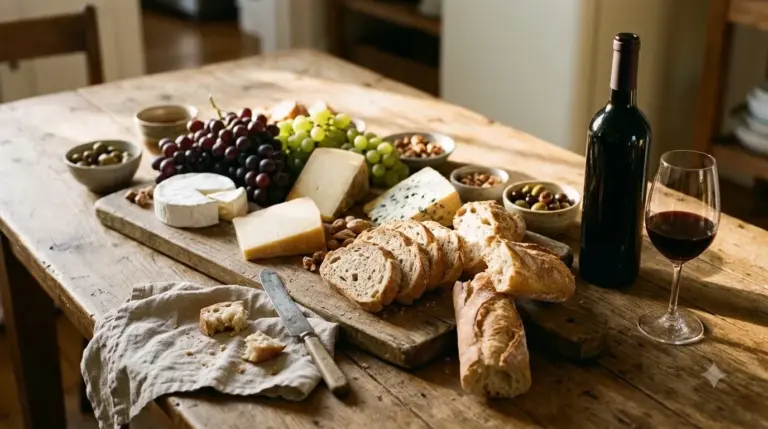
Serve rosé around 45-50°F. It pairs comfortably with grilled vegetables, chicken, charcuterie, mild cheeses, and tomato-based salads. For anyone comparing the broader selection of Spanish and international bottles, the Wine Brands category can provide additional context about how producers organize their wine ranges.
Organic Protocolo options
Some retailers also list organic Protocolo expressions, including organic Tempranillo and organic Blanco. These are useful alternatives for shoppers specifically seeking certified organic wine, although availability and the exact certification details should be evaluated for the individual bottle.
The organic Tempranillo listing at H-E-B describes red cherry, strawberry, vanilla, spice, and toast characteristics. It also identifies the wine as medium-bodied, with grapes sourced primarily from certified organic vineyards in the limits of DO Manchuela, at elevations of approximately 600-700 meters. This provides a distinct buying consideration beyond the standard Tinto’s general fruit-forward positioning.
Organic labeling does not automatically mean that a wine tastes better or costs less. The practical decision should still consider grape variety, wine style, production details, and the intended meal.
Common Mistakes When Comparing Protocolo Prices
The most common buying mistakes involve confusing different Protocolo expressions, comparing different bottle sizes, and assuming that a low retail price guarantees the best value. A little attention to the product description prevents most of these problems.
Assuming every Protocolo bottle is the same wine
Protocolo is a brand with multiple expressions rather than a single fixed wine. Tinto, Tempranillo, Blanco, Rosado, and organic versions have different characteristics. A comparison between a red Tempranillo and a light-bodied white blend should focus on intended use rather than treating them as direct substitutes.
Ignoring bottle size
Comparing a 750 ml bottle with a 1.5 L bottle based only on the total shelf price can lead to an inaccurate conclusion. The larger bottle contains twice as much wine, so price per liter provides a more meaningful comparison.
For example, a 750 ml bottle and a 1.5 L bottle should be compared using the following calculation:
Price per liter = bottle price divided by bottle volume in liters.
This simple calculation also makes it easier to compare Protocolo with other Spanish wines available in different formats.
Expecting premium oak-aged characteristics
Protocolo Tempranillo is bottled young to protect freshness and aromatic character, according to Banville Wine Merchants. It is therefore not sensible to purchase the wine expecting the same flavor profile as a long-aged Spanish red.
Someone looking specifically for pronounced oak, extensive bottle development, or a highly structured red may prefer to investigate another category. Protocolo is more naturally suited to drinkers seeking accessible fruit and uncomplicated food pairing.
Choosing based only on a retailer’s description
Retailer descriptions are useful starting points, but they do not always contain complete production information. For instance, Total Wine emphasizes blackberry and strawberry in its Tinto description, while Banville provides details about fermentation and micro-oxygenation.
These descriptions serve different purposes. One communicates what shoppers might expect in the glass; the other explains how the wine is produced. Reading both provides a more complete picture than relying on a single short shelf description.
Overlooking the food pairing
Tempranillo has more tannin than a typical light white wine, so food selection matters. Fat and salt can soften the perception of tannin, which makes grilled burgers, roasted meats, and savory tapas suitable partners. Oily fish is generally less compatible with tannic red wine.
Spicy dishes require additional attention. Alcohol and tannin can amplify chili heat, so a highly peppery meal may work better with a chilled white or rosé than with a fuller red. Matching the wine to the meal often makes a larger difference to enjoyment than spending slightly more on the bottle.
Protocolo Wine Serving and Storage Tips
Correct serving temperature and sensible storage help preserve the fruit character that makes Protocolo appealing. The standard approach is to serve the red slightly cool, chill the white and rosé, and protect opened bottles from excess air and heat.
Serving temperature for each style
Protocolo Tempranillo is best served around 55-60°F if you prefer a fresher, lighter presentation. This is cooler than many people expect when serving red wine. Excessive warmth can make alcohol feel more prominent and can reduce the impression of freshness.
Protocolo Blanco is better served around 45-50°F. This temperature helps maintain its crisp character while allowing the apple and peach notes to remain noticeable. Rosé can also be served around 45-50°F for a refreshing result.
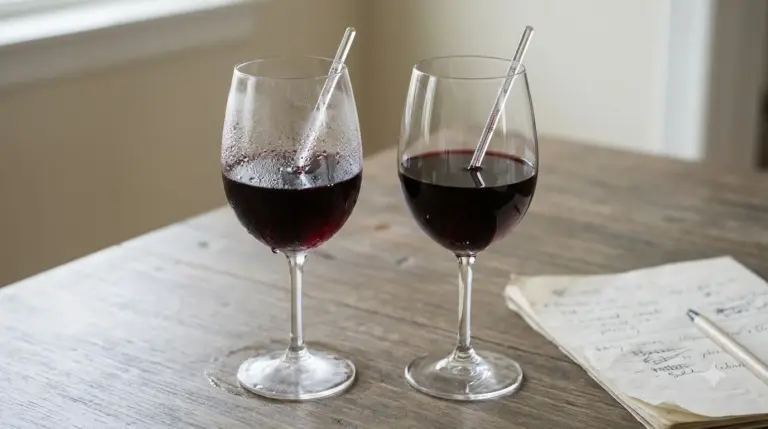
There is no requirement to use an expensive wine thermometer. A refrigerator and a little planning are usually sufficient. If a red bottle has been stored in a warm room, place it in the refrigerator briefly before serving rather than pouring it at room temperature.
Decanting and pouring
A young Protocolo Tempranillo generally does not require elaborate decanting. If you want to allow the wine to open up, approximately 15-30 minutes in a decanter or glass can be sufficient as a practical starting point. This is optional rather than a requirement for enjoying the bottle.
Use a standard 5 oz pour. A 750 ml bottle provides approximately five such servings, while a 1.5 L bottle provides approximately ten. These serving calculations make it easier to plan quantities for dinner parties without opening more wine than necessary.
Storing unopened bottles
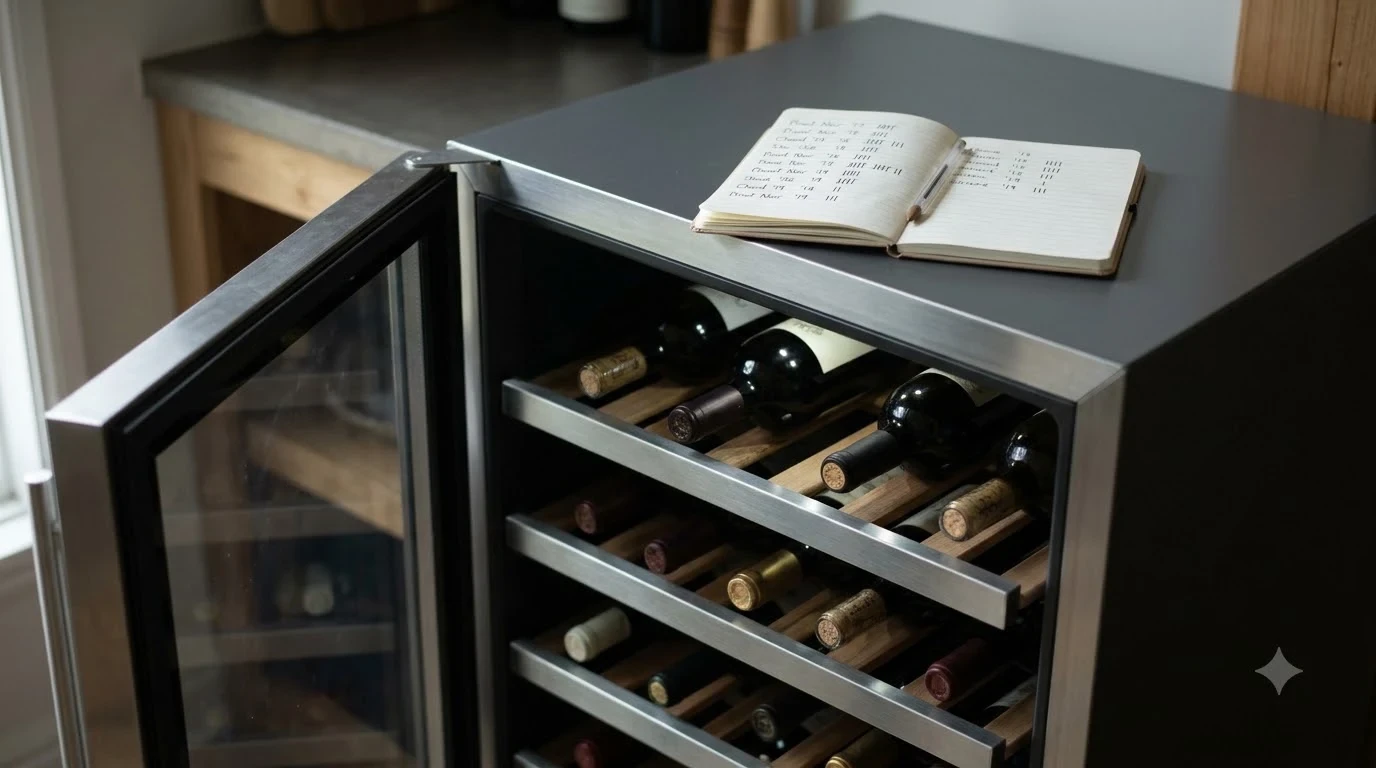
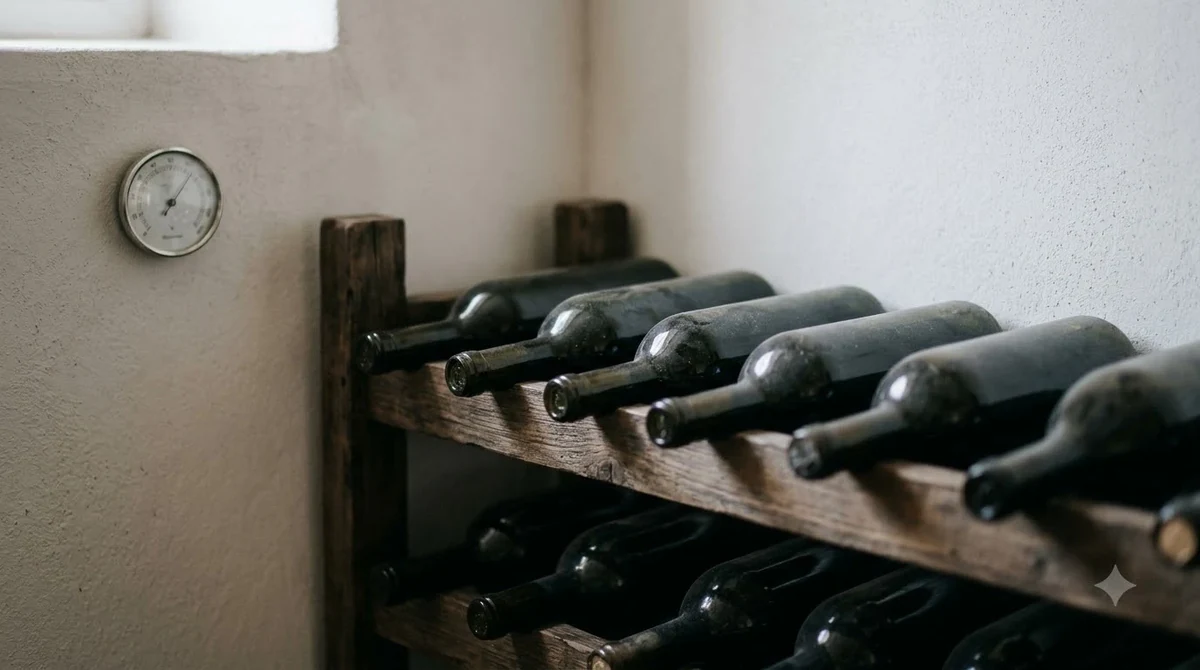
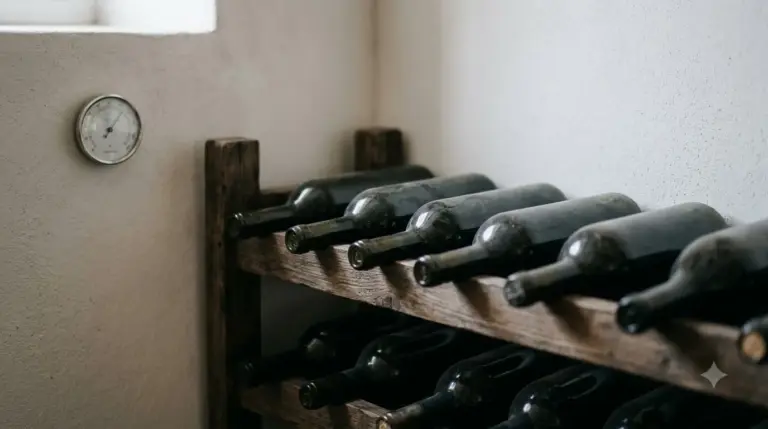
Keep unopened wine away from direct sunlight, heating equipment, and large temperature fluctuations. A storage area near 55°F is a useful target for longer-term wine storage. Bottles with traditional cork closures are generally stored horizontally to keep the cork from drying out.
For bottles intended to be consumed relatively soon, a consistently cool, dark cupboard can be adequate. Avoid leaving wine in a hot car or near a sunny window. Even an affordable bottle can lose freshness if exposed to excessive heat.
Keeping opened wine fresh
After opening Protocolo Tinto, Blanco, or Rosado, reseal the bottle and refrigerate it. A practical general guideline for opened still wines is approximately 3-5 days, although the wine’s condition can change depending on how much air remains in the bottle and how it has been handled.
White and rosé wines should also be refrigerated after opening. Allow a chilled red to warm slightly before serving again if it has become colder than your preferred temperature.
For people who rarely finish a full bottle, smaller pours and a suitable wine stopper can help reduce waste. The most important principle is to limit unnecessary air exposure and keep the wine cool between servings.
Frequently Asked Questions
Is Protocolo wine made in Spain?
Yes. Protocolo is associated with Dominio de Eguren, a Spanish wine producer. Its Tempranillo production is connected to vineyards in areas including Manchuela, Rioja, and Toro, according to Regal Wine Imports. The brand’s Spanish origin is an important distinction when comparing it with wines made from similar grapes in California or Australia.
Is Protocolo wine vegan?
Vegan status should be confirmed for the particular expression and bottling rather than assumed across the entire range. Some retailers identify Protocolo Organic Tempranillo as vegan, but organic certification and vegan production are separate considerations. Shoppers with specific requirements should look for an explicit vegan designation on the product information.
Does Protocolo wine have a screw cap?
Regal Wine Imports identifies a screw-cap closure among the features of its Protocolo Tempranillo listing. Closure type can vary between products and markets, so the red’s packaging should not automatically be assumed to apply to Blanco, Rosado, or every vintage. Screw caps are practical for everyday wine because they do not require a corkscrew.
How much alcohol does Protocolo Blanco contain?
Marketview Liquor lists its referenced Protocolo Blanco bottling at 12% ABV. Alcohol content can differ between wine expressions and vintages, so this figure should not be applied automatically to the red or rosé versions. ABV is useful when comparing two wines that otherwise appear similar in style.
Can Protocolo wine be used for cooking?
Yes. A dry Protocolo Tinto can be used in tomato-based sauces, braised dishes, and marinades for beef or other meats. Protocolo Blanco can work in seafood sauces and dishes that benefit from a little dry white wine. Use a wine whose flavor you enjoy drinking, and avoid cooking with a bottle that has developed obvious spoilage aromas.
Protocolo offers an accessible introduction to Spanish red, white, and rosé wines, with Tempranillo providing the clearest starting point for red-wine drinkers. Comparing bottle size, grape variety, and retailer listings will help you make a more informed purchase. If you are shopping for an everyday Spanish bottle, Protocolo is a practical name to include on your shortlist.
More in Wine Brands
 Red Diamond Review: How to Choose the Right Red WineUpdated Nov 21, 2026
 Ravenswood Wine Review: Find the Right Sonoma ZinfandelUpdated Nov 21, 2026
 Protocolo Wine Review: How to Choose the Right Spanish BottleUpdated Nov 21, 2026
 Ravenswood Wine Price: Compare Bottles and Find the Right ValueUpdated Nov 21, 2026
 Peter Vella Wine Review: Choose the Right Box for Your TableUpdated Nov 21, 2026
 Piper Heidsieck Brut Price: Find the Right Bottle for Your BudgetUpdated Nov 21, 2026