

We may earn a commission when you buy through links on this page, at no extra cost to you. Learn more.
The marchesi di barolo wine price typically ranges from around $18 to more than $160 per 750 ml bottle in the US, depending on the wine, vintage, vineyard designation and retailer. The producer’s everyday Piedmont selections generally cost less than its Barolo DOCG wines, while historic single-vineyard bottlings such as Cannubi command higher prices. Comparing the wine category and vintage before buying is the best way to find a bottle that matches your budget and occasion.
Marchesi di Barolo is a historic Piedmont producer associated with the development of Barolo wine. Its portfolio covers several grape varieties and appellations, giving buyers options ranging from approachable regional wines to structured, age-worthy Nebbiolo. Understanding the differences between these bottles makes it easier to interpret retail listings and decide whether a premium bottling justifies its additional cost.
Who Should Consider Marchesi di Barolo Wine?
Marchesi di Barolo is worth considering for wine drinkers interested in traditional Italian wines, particularly Nebbiolo from Piedmont. Its range includes both accessible regional selections and more distinctive Barolo bottlings, so buyers do not need to begin with an expensive single-vineyard wine.
The winery is based in the town of Barolo in the Langhe area of Piedmont, northwestern Italy. Its history is closely connected with Marchesa Giulia Falletti Colbert, whose work in the historic cellars helped establish the fuller, more stable style of Barolo during the first half of the 19th century. The Abbona family acquired the historic cellars in 1929 and has continued the winemaking tradition through successive generations.
That background matters because Barolo is not simply a generic Italian red wine. It is a designated wine made from Nebbiolo, a grape known for high acidity, substantial tannin and complex aromas. Its structure can make it particularly appealing to people who enjoy wines that develop additional complexity with bottle age.
Different buyers may approach the portfolio for different reasons:
- Newcomers to Piedmont: Regional Nebbiolo, Barbera and Dolcetto offer ways to explore the producer without immediately choosing a prestigious Barolo.
- Traditional Barolo enthusiasts: Classic Barolo bottlings offer a recognizable expression of Nebbiolo and the Langhe.
- Collectors: Cannubi, Sarmassa and Coste di Rose provide more specific vineyard identities to investigate.
- White wine drinkers: Roero Arneis and Gavi provide alternatives to the winery’s red wines.
- Special-occasion buyers: Barolo Riserva and individual cru selections may suit celebrations, formal dinners and cellar collections.
It is also useful to distinguish Marchesi di Barolo from other Italian producers with similar-sounding names. For example, Marchesi Antinori wine comes from a different historic Italian wine business with its own regions, grapes and portfolio. The two names should not be treated as interchangeable when comparing bottles or researching prices.
The best starting point is to decide whether the goal is an everyday Italian wine, a traditional Barolo for dinner or a distinctive vineyard bottling. Those categories have different production expectations and retail values.
Key Factors That Determine Marchesi di Barolo Wine Price
The most important price factors are appellation, grape variety, vineyard origin, vintage and bottle format. A standard regional wine and a single-vineyard Barolo can come from the same producer while occupying very different positions in the market.
The following table provides a practical overview of the portfolio and indicative US retail ranges. The ranges are rounded buying-guide estimates based on Vino Alert’s tracked US listings, including its Marchesi di Barolo Barolo, Ruvei, Bric Amel and other wine listings. Availability and vintage coverage differ between products.
| Wine category | Main grape or style | Indicative US price | Buying consideration |
|---|---|---|---|
| Regional white wines | Arneis or Cortese | About $15–$25 | Approachable alternative to red Barolo |
| Barbera and Dolcetto | Barbera or Dolcetto | About $15–$30 | Everyday food-friendly red wine |
| Langhe Nebbiolo | Nebbiolo | About $20–$35 | Introduction to the grape |
| Barbaresco | Nebbiolo | About $35–$60 | Structured regional alternative to Barolo |
| Standard Barolo DOCG | 100% Nebbiolo | About $45–$100 | Traditional appellation expression |
| Barolo Riserva | 100% Nebbiolo | About $70–$150+ | Longer-aged, premium selection |
| Single-vineyard Barolo | 100% Nebbiolo | About $70–$160+ | Specific vineyard identity and vintage |
These are indicative shopping bands rather than guaranteed prices for every label or vintage. Vino Alert’s Marchesi di Barolo price tracking provides a useful illustration: its listed 2019 Barolo averaged approximately $50 per 750 ml bottle across the tracked US listings, while its 2018 listings averaged considerably more. Prices vary by state and retailer, and older vintages or limited vineyard selections can fall outside these ranges.
Appellation and grape variety
Appellation is often the first clue to a wine’s position in the portfolio. Barolo DOCG is a prestigious designation with specific production requirements, while Langhe Nebbiolo and other regional wines occupy different categories. The grape variety also influences the experience: Nebbiolo is generally more tannic and structured than Dolcetto, while Barbera typically offers a fruit-forward profile with lively acidity.
White wines such as Arneis and Gavi serve a different purpose. They are not cheaper versions of Barolo; they are separate styles with different grapes, production methods and food-pairing possibilities.
Vintage and vineyard origin
Vintage affects availability, maturity and market demand. An older Barolo may cost more because of its limited remaining supply, but age alone does not guarantee quality or suitability. Buyers should compare the specific vintage, provenance and storage history rather than automatically choosing the oldest bottle.
Vineyard origin also matters. Cannubi, Sarmassa and Coste di Rose are named among the winery’s historic Barolo crus. A wine carrying one of these geographic names represents a more specific expression of its growing site than a broader regional bottling.
Step-by-Step: How to Choose the Right Bottle
A good buying decision starts with a spending limit and a clear idea of the occasion. Comparing the wine’s appellation, vintage and intended drinking window helps prevent paying a premium for characteristics that are not particularly important to the buyer.
-
Set a realistic budget.
Decide whether the purchase is intended for an everyday dinner, a weekend meal or a special occasion. A budget of approximately $20 to $35 opens up several regional selections, while a budget of approximately $45 to $100 gives access to many standard Barolo listings. These are broad shopping categories, not fixed prices.
-
Choose the grape or wine style.
Select Nebbiolo if you enjoy structured reds with acidity and tannin. Choose Barbera for a more fruit-driven red, Dolcetto for a softer everyday option, or Arneis and Gavi if you prefer white wine.
-
Identify the appellation.
Look for Barolo DOCG when the main goal is classic Barolo. Langhe Nebbiolo is a useful introduction to the grape, while Barbaresco provides another prestigious Nebbiolo-based option from Piedmont.
-
Compare the vintage.
Compare two or three available vintages rather than assuming the newest release is always the right purchase. For a bottle intended to drink soon, a mature vintage may be attractive, provided its storage and provenance are reliable.
-
Check the vineyard designation.
If the bottle carries Cannubi, Sarmassa or Coste di Rose, investigate whether the premium fits your expectations. A named cru can be appealing to collectors and people interested in differences between vineyard sites.
-
Compare equivalent bottle formats.
A 750 ml bottle is the standard comparison unit. A 375 ml half-bottle and a 1.5 L magnum should not be compared directly with a standard bottle without adjusting for volume and format.
-
Buy from a retailer with suitable storage and shipping practices.
For an expensive older Barolo, proper storage and reliable provenance matter. Confirm shipping conditions, bottle condition and the retailer’s return policy before completing the purchase.
For buyers unfamiliar with the producer, browsing the Marchesi di Barolo wine portfolio first can help establish which labels belong to the same family of wines. Comparing regional bottlings with the producer’s premium selections makes the price differences easier to understand.
Tip: Compare the same wine and vintage across retailers before judging whether a bottle is expensive. A 2018 Cannubi and a 2022 standard Barolo are not equivalent purchases, even if both carry the Marchesi di Barolo name. Always compare appellation, vintage, format and provenance together.
Types and Styles Explained
Marchesi di Barolo produces wines across several Piedmont appellations and grape varieties. Understanding the distinctions between them is more useful than treating every bottle as part of one price category.
Barolo DOCG
Barolo is the signature category most closely associated with the winery’s history. Made from Nebbiolo, it generally combines pronounced acidity, firm tannins and aromatic complexity. Common descriptors include rose, red fruit, dried herbs, spices and earthy notes, with the precise profile varying by vintage and vineyard.
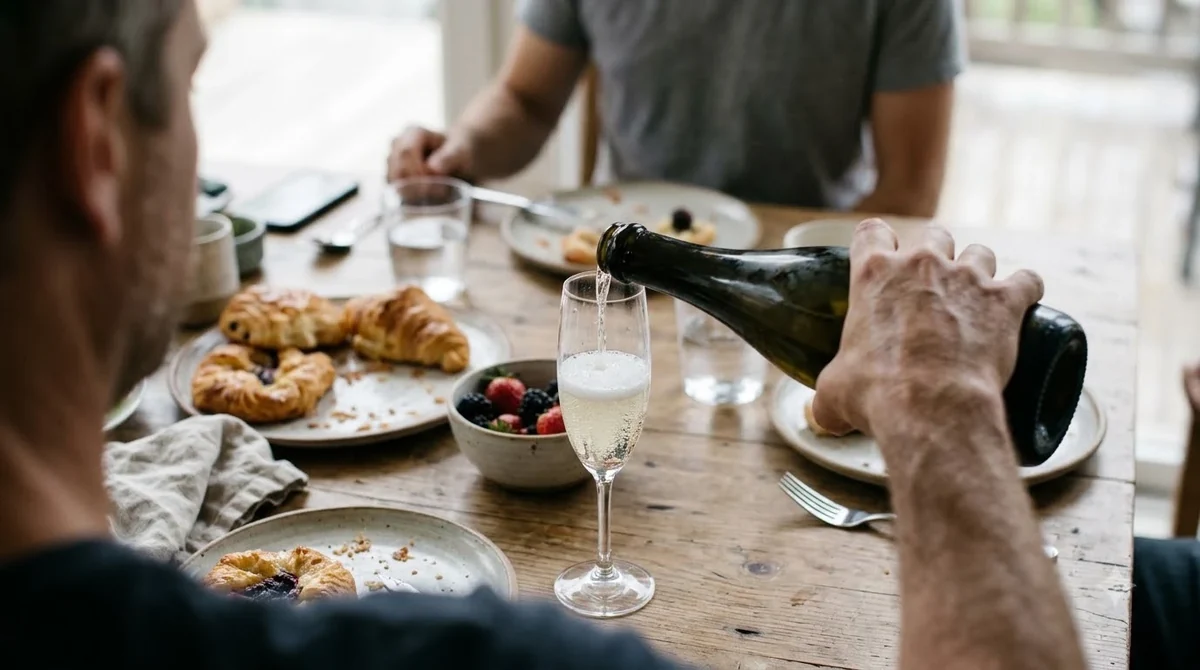
Standard Barolo is a logical choice for someone who wants the producer’s traditional red wine without necessarily purchasing a single-cru selection. It can accompany braised beef, roasted lamb, mushroom dishes and mature hard cheeses. A full-bodied young Barolo can benefit from 30 to 60 minutes of decanting, depending on its structure and age.
Barolo Cannubi
Cannubi is among the winery’s historic single-vineyard selections. The vineyard lies on a gradually rising hill in the center of the Barolo production area. Marchesi di Barolo describes its soils as a mixture of clay, sand and limestone, with a distinctive geological composition.
The producer’s technical information identifies Cannubi as 100% Nebbiolo, with 14% alcohol and a standard 750 ml bottle format. Its official Cannubi wine description and technical specifications describe aromas of rose, vanilla, spices and roasted nuts, alongside a full-bodied palate and soft, enveloping tannins.
This is a more specific purchase than a general Barolo. Buyers interested in vineyard expression, traditional Piedmont wines and cellar-worthy reds may find the designation especially appealing. Its recommended food pairings include tajarin, meat-filled ravioli, braised meats, game and aged sheep’s milk cheeses.
Barolo Sarmassa and Coste di Rose
Sarmassa and Coste di Rose are two other historic crus identified by the winery. These selections provide an opportunity to compare different vineyard expressions without changing producers. The distinction is particularly interesting to Nebbiolo enthusiasts who want to explore the influence of growing conditions on the finished wine.
The winery describes Sarmassa as a southeast-facing hillside with a good slope. Coste di Rose is identified as an eastern-facing hillside in the municipality of Barolo. Those differences in exposure and site are relevant when considering why vineyard-designated wines may be positioned differently from broader appellation bottlings.
Barbaresco
Barbaresco is another important Nebbiolo appellation in Piedmont. It offers a different regional expression from Barolo and can be an attractive alternative for drinkers who enjoy the grape but want to explore another designation.
Marchesi di Barolo’s range includes Barbaresco Tradizione and other Barbaresco selections. For buyers comparing these wines, the vintage and vineyard designation are important considerations. Barbaresco should not automatically be assumed to be less complex or less serious than Barolo simply because the appellation is different.
Langhe Nebbiolo
Langhe Nebbiolo offers a useful starting point for understanding the grape. These wines typically provide recognizable Nebbiolo characteristics without necessarily carrying the same aging expectations or appellation positioning as Barolo DOCG.
They can work particularly well with roasted chicken, pork, mushroom pasta and moderately rich meat dishes. For someone who enjoys aromatic reds but finds young Barolo too tannic, this is a sensible category to investigate.
Barbera, Dolcetto and regional whites
Barbera is a useful choice for meals where acidity and fruit are more important than substantial tannin. It works with tomato-based pasta, pizza, roasted vegetables and cured meats. Dolcetto offers another approachable red style, often with a softer overall impression than Nebbiolo.
The winery also makes white wines, including Roero Arneis and Gavi. According to the Consorzio del Roero, the producer’s Roero Arneis comes from vineyards in Corneliano, Monteu Roero and Vezza d’Alba. It is aged on its lees in stainless steel tanks for three to six months.
For buyers who prefer white wine, these bottles provide a more appropriate comparison than using Barolo as the benchmark for the entire producer’s portfolio.
Common Mistakes When Comparing Prices
The biggest buying mistakes involve comparing wines from different appellations, overlooking vintage differences and assuming that a higher price automatically means a better drinking experience. A more careful comparison begins with the exact identity of the bottle.
Comparing different vintages as if they were identical
Barolo can vary considerably between vintages. Weather conditions during the growing season affect grape ripeness, acidity, tannin and overall balance. Retail availability also changes as bottles sell through and older releases become harder to find.
Vino Alert’s tracked US listings illustrate this difference. Its 2019 Marchesi di Barolo Barolo listings averaged approximately $50 per 750 ml, while its 2018 listings averaged approximately $121 per 750 ml. The difference reflects the particular tracked listings and vintage availability, not a universal rule that one vintage is worth more than another.
Assuming every Barolo has the same production identity
A standard Barolo and a Cannubi are not necessarily interchangeable. The latter carries a specific vineyard designation, and its price may reflect the site’s reputation, limited production and vintage demand. A buyer interested mainly in a traditional Nebbiolo experience may find a broader Barolo bottling more appropriate.
Ignoring bottle size
Retailers sometimes list half-bottles and magnums alongside standard bottles. Marchesi di Barolo listings tracked by Vino Alert include 375 ml, 750 ml and 1.5 L formats. A half-bottle may appear inexpensive at first glance, but its price per 750 ml equivalent can be substantially higher.
Magnums also have different storage and serving considerations. They can be useful for larger dinners and celebrations, but buyers should not assume the larger format is automatically the better purchase.
Confusing producer reputation with personal preference
A famous appellation or prestigious vineyard designation does not guarantee that a particular wine will suit every drinker. Someone who prefers soft, fruit-forward reds may find young Nebbiolo too firm or acidic. Conversely, a person who enjoys structured wines may find Dolcetto less complex than expected.
Think about the style first, then evaluate the price. This approach is more reliable than buying solely because a bottle carries a historic producer’s name.
Overlooking other Piedmont producers
It can be useful to compare Marchesi di Barolo with other producers in the region, but the wines must be matched by appellation and style. For example, Feudi di San Gregorio wine represents another Italian producer with a different regional identity and portfolio. It should be considered a broader Italian wine comparison rather than a direct Barolo substitute.
Likewise, the wider Wine Brands category can help buyers discover producers across Italy and other major wine regions.
Serving, Care and Storage Tips
Proper serving and storage can make a meaningful difference to the experience of Marchesi di Barolo wines. Nebbiolo-based reds benefit from appropriate temperature and aeration, while lighter reds and white wines need different treatment.
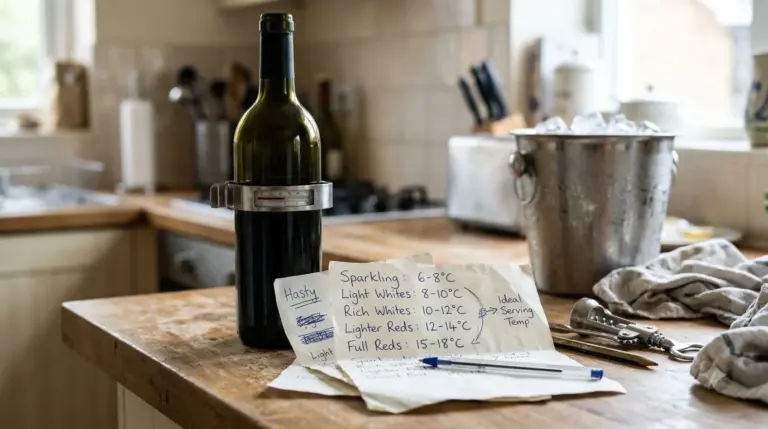
Serving temperature
The producer recommends serving Cannubi at 18°C, approximately 64°F. This falls within the usual serving range for fuller-bodied red wines. Serving Barolo too warm can make alcohol more noticeable, while serving it excessively cold can suppress its aromas and make tannins seem more pronounced.
For the broader portfolio, useful serving temperatures include:
- Barolo and Barbaresco: approximately 60–65°F.
- Langhe Nebbiolo: approximately 55–60°F.
- Barbera and Dolcetto: approximately 55–60°F.
- Arneis and Gavi: approximately 45–50°F.
If a bottle of Barolo has been stored at room temperature, allow it to cool slightly before serving. A short period in the refrigerator can help bring it into the appropriate range.
Decanting and aeration
Young, full-bodied Barolo can benefit from 30 to 60 minutes of decanting. This allows the wine to interact with oxygen and can help soften the initial impression of firm tannins. The ideal time depends on the vintage and the wine’s current development.
Older bottles require more caution. Extended aeration can be less suitable for mature wines, whose aromas and structure may be more delicate. Pour slowly and consider separating any sediment rather than automatically giving an older bottle a long decant.
Storage conditions
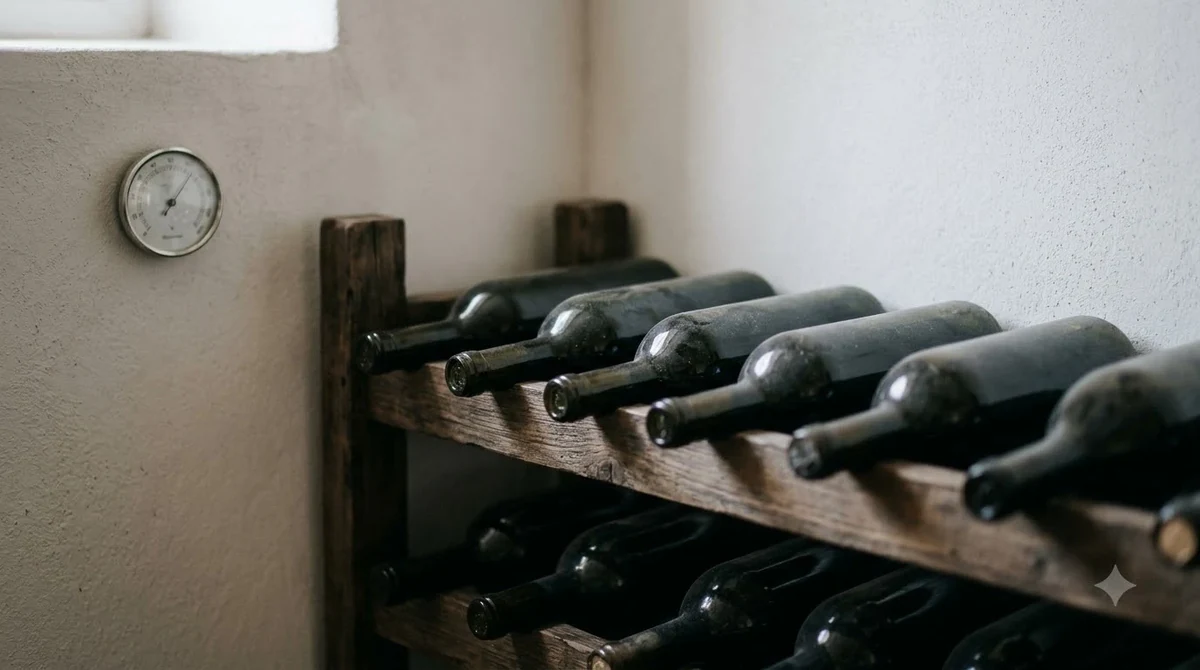
Store unopened bottles in a cool, dark location with a stable temperature near 55°F. Avoid direct sunlight, frequent temperature changes and vibration. Bottles with natural cork closures are generally stored horizontally to keep the cork from drying out.
For expensive Barolo intended for future drinking, a dedicated wine refrigerator or temperature-controlled cellar is preferable to an ordinary kitchen cupboard. Consistent conditions are more important than attempting to create an elaborate storage arrangement.
After opening
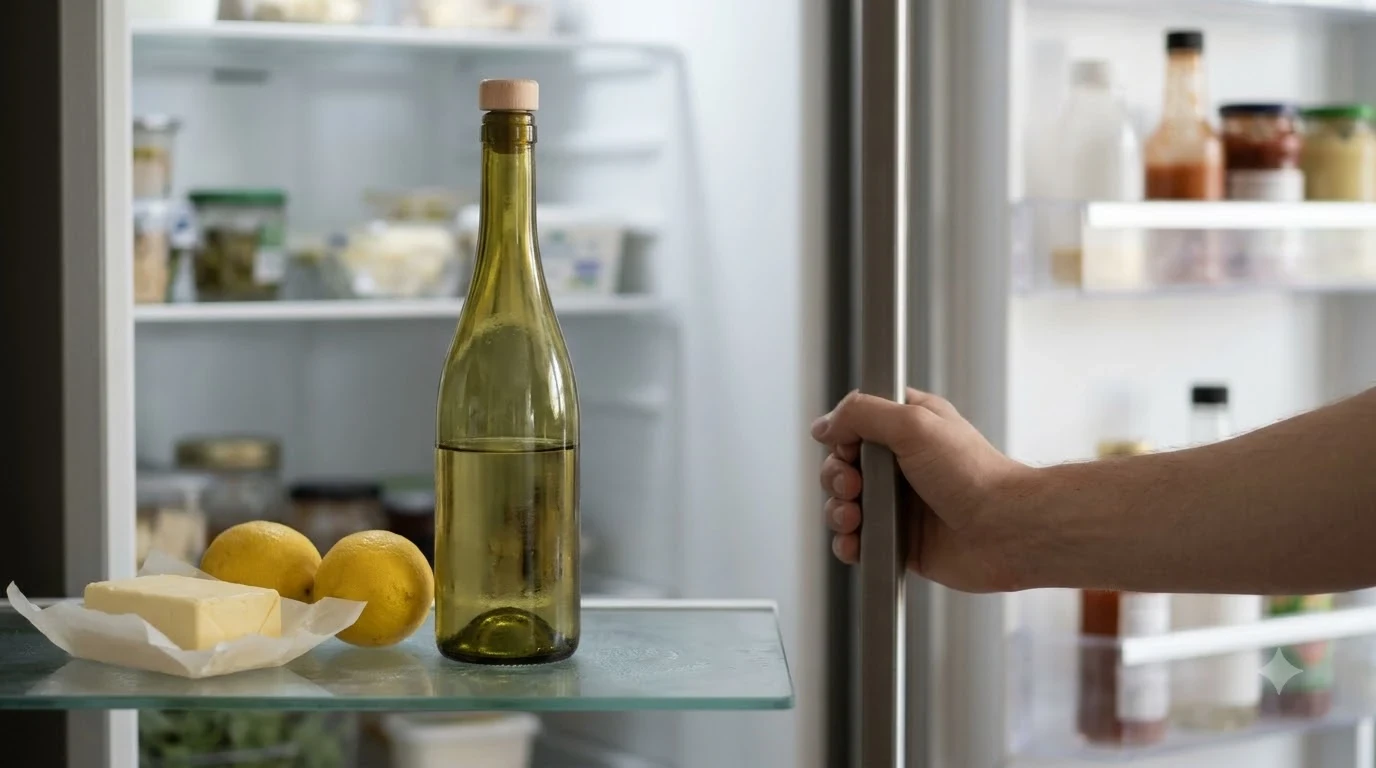
Refrigerate opened still wines and use a suitable closure to reduce oxygen exposure. Most opened still wines are best consumed within three to five days, although their condition varies according to age, structure and storage.
For a dinner serving, a standard 750 ml bottle provides approximately five glasses when poured at 5 oz each. This makes it relatively easy to estimate how many bottles are required for a meal without opening more wine than necessary.
Pairing also matters. Barolo’s tannin and acidity make it particularly compatible with rich meat dishes, braised beef, game and aged cheeses. Salt and fat can soften the perception of tannin, while heavily spicy dishes can make the alcohol and structure seem more pronounced.
Frequently Asked Questions
Is Marchesi di Barolo the original creator of Barolo wine?
The producer’s historic cellars are closely associated with the development of modern Barolo during the first half of the 19th century. Marchesa Giulia Falletti Colbert played an important role in developing the wine’s fuller, more stable character. The broader history also involves the Falletti family and the development of Nebbiolo winemaking across the region.
What does DOCG mean on a Marchesi di Barolo bottle?
DOCG stands for Denominazione di Origine Controllata e Garantita, Italy’s highest traditional designation category for protected wine origins. It establishes geographical and production requirements for the wine. Barolo DOCG must meet the applicable Nebbiolo and aging regulations rather than simply being a red wine made in Piedmont.
Is Cannubi a village or a grape variety?
Cannubi is a named vineyard area in the Barolo production zone, not a grape variety or a separate wine-producing village. The Marchesi di Barolo Cannubi bottling is made from 100% Nebbiolo. Its geographic identity distinguishes it from the producer’s broader Barolo selections.
How many years can an unopened Barolo remain in a cellar?
Some well-made Barolo wines can develop for 10 to 20 years or longer under suitable storage conditions. The actual drinking window depends on the vintage, vineyard, production style and bottle condition. A prestigious designation alone does not establish a guaranteed aging period.
Does Marchesi di Barolo produce wines other than Nebbiolo?
Yes. Its portfolio includes Barbera, Dolcetto, Arneis and Moscato, as well as Nebbiolo-based wines. The winery also produces Gavi and other Piedmont selections. This range allows buyers to explore different grape varieties without limiting their purchases to Barolo.
Marchesi di Barolo offers a broad introduction to Piedmont, from approachable regional wines to distinctive single-vineyard Barolo. The best purchase depends on the appellation, vintage, bottle format and drinking occasion rather than the producer’s name alone. Compare equivalent bottles from reputable US retailers, and choose the style that best matches your preferences and budget.
More in Wine Brands
 Kim Crawford Rose Price: Find a Fair 750 ml Bottle RangeUpdated Nov 21, 2026
 Marchesi Antinori Wine Price: Compare Bottles by Style and TierUpdated Nov 21, 2026
 Marques De Riscal Wine Review: How to Choose the Right Spanish BottleUpdated Nov 21, 2026
 Lussory Wine Review: Choose the Right Alcohol-Free StyleUpdated Nov 21, 2026
 Louis Martini Wine Review: Choose the Right Napa Valley BottleUpdated Nov 21, 2026
 Mark West Chardonnay Price: What to Expect Before BuyingUpdated Nov 21, 2026