

We may earn a commission when you buy through links on this page, at no extra cost to you. Learn more.
Barbera vs Dolcetto comes down mainly to acidity, tannin, and food pairing: Barbera is brighter and more acidic, while Dolcetto is generally softer, fruitier, and more rounded. Both are traditional red wines from Piedmont, Italy, and both work well with everyday meals. Choose Barbera for tomato-based dishes, rich sauces, and fatty foods, or Dolcetto for charcuterie, roasted meats, and relaxed meals centered on pasta and cheese.
Barbera and Dolcetto are two of Piedmont’s most recognizable red grape varieties, yet they produce noticeably different wines. They share a regional heritage and an approachable, food-friendly character, but their structures make them better suited to different dishes and drinking occasions. Understanding their differences in acidity, tannins, flavor, body, winemaking, and aging potential makes choosing between them much easier. Neither grape is automatically better; the right bottle depends on what you want from your wine and what is on the table.
Barbera Vs Dolcetto: The Main Differences at a Glance
Barbera generally has higher acidity and lower tannins, creating a lively, juicy red wine, while Dolcetto usually has more noticeable but relatively soft tannins and lower acidity. Both are typically dry, medium-bodied wines, although vineyard location and winemaking can produce lighter or more substantial examples.
The most useful distinction is how each wine feels alongside food. Barbera’s refreshing acidity makes it particularly effective with dishes containing tomato, cheese, oil, and other rich ingredients. Dolcetto offers a rounder impression, with dark fruit and a characteristic almond-like finish that works naturally with cured meats, roasted vegetables, and traditional Piedmontese dishes.
Both wines can show cherry and other red or dark fruit flavors, so fruit alone is not always enough to distinguish them. Pay attention to the finish instead. Barbera usually leaves a fresh, mouthwatering sensation, whereas Dolcetto often finishes with a gentle drying sensation and a subtle bitterness reminiscent of almonds.
| Characteristic | Barbera | Dolcetto |
|---|---|---|
| Origin | Piedmont, Italy | Piedmont, Italy |
| Sweetness | Dry | Dry |
| Body | Medium, sometimes full | Light to medium, sometimes fuller |
| Acidity | High to very high | Low to medium |
| Tannins | Low to medium | Medium, generally soft |
| Main fruit flavors | Sour cherry, raspberry, blackberry, plum | Black cherry, blackberry, plum, raspberry |
| Other flavor notes | Licorice, herbs, spice, sometimes vanilla | Bitter almond, licorice, gentle spice |
| Typical style | Juicy, fresh, structured by acidity | Round, fruity, gently tannic |
| Serving temperature | 55–60°F | 55–60°F |
| Classic food pairing | Pizza, tomato pasta, lasagna | Salami, roasted meat, cheese |
| Best drinking window | Often young; selected structured wines can age | Usually young; selected examples can age |
These descriptions represent typical styles rather than strict rules for every bottle. Barbera aged in oak can have greater tannic structure, while carefully produced Dolcetto can be more concentrated and ageworthy than its everyday reputation suggests. For a broader introduction to comparing grapes and wine styles, the site’s Wine vs Wine guide provides useful context.
Acidity and Tannins: Which Wine Is Brighter and Smoother?
Barbera is the more acidic wine, while Dolcetto generally offers a softer impression of freshness and a more noticeable tannic grip. This structural difference affects how each wine feels in the mouth and explains why they perform differently with food.
Barbera’s natural acidity is one of its defining qualities. It produces a mouthwatering sensation that refreshes the palate after bites of fatty or oily food. The grape also has naturally low tannins, so its wines can feel juicy rather than drying. This combination makes Barbera particularly approachable even when its fruit concentration and alcohol level are substantial.
Dolcetto usually has lower acidity and more noticeable tannins. However, those tannins are often gentle rather than aggressively drying. The wine tends to feel rounder, with a slightly firmer finish than Barbera. Its natural structure helps it accompany meat and savory dishes without requiring the strong acidity associated with Barbera.
Oak aging can change the comparison. Some Barbera producers use barrels to add texture, complexity, and additional structural elements. Dolcetto is more commonly produced in a fresh, fruit-focused style, although more concentrated versions can have considerable structure.
For practical purposes, think of acidity as freshness and tannin as the drying sensation that develops on the gums and tongue. Barbera emphasizes the first, while Dolcetto generally offers more of the second.
These differences also matter when comparing Barbera with other Italian reds. For example, Barbera vs Sangiovese is another useful comparison because Sangiovese typically combines high acidity with more noticeable tannins.
Flavor and Aroma: Cherry, Plum, and Almond Differences
Both wines offer generous fruit character, but Barbera tends toward juicy cherry and raspberry flavors, while Dolcetto often emphasizes black cherry, blackberry, plum, and a distinctive bitter-almond finish. Their aromas can overlap, making texture and acidity important clues when identifying each variety.
Barbera commonly displays sour cherry, red plum, raspberry, and blackberry. Depending on the growing area and production choices, additional notes can include licorice, dried herbs, pepper, and subtle earthy characteristics. Its naturally deep color can make the wine appear richer than its relatively low tannin level might suggest.
Barbera aged in stainless steel often emphasizes freshness and primary fruit. Barrel-aged versions can develop additional vanilla, toast, baking spice, and more integrated textures. The amount of oak matters: a restrained approach preserves the grape’s lively character, while extensive new oak can make the wine seem more powerful and less immediately refreshing.
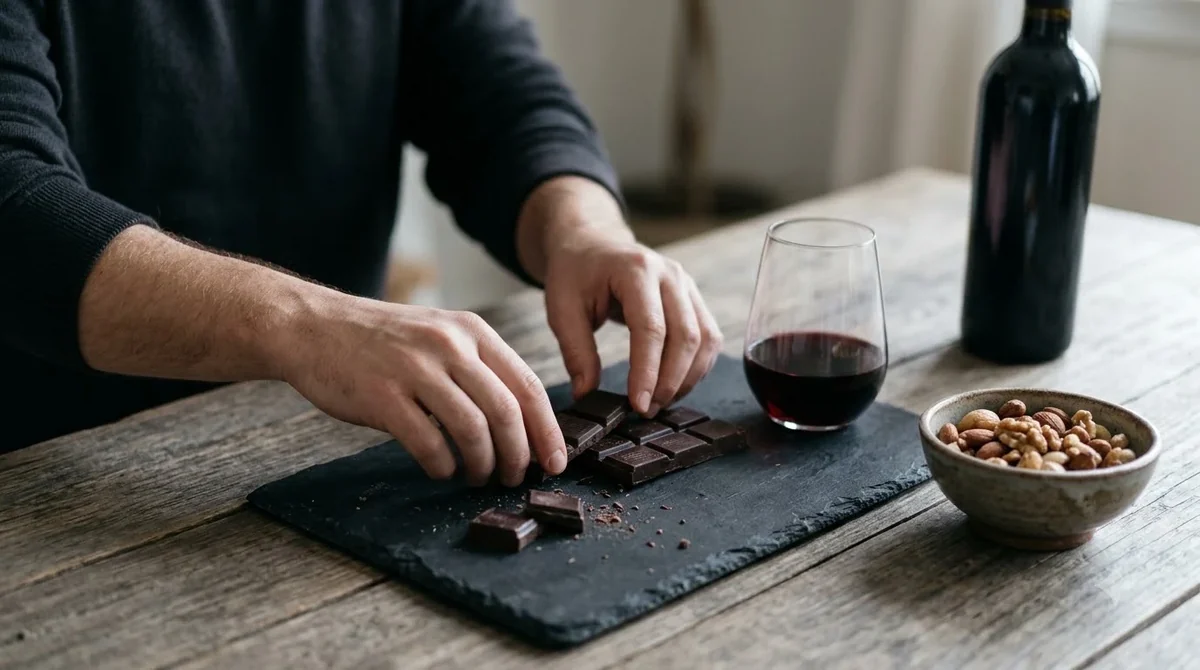
Dolcetto generally leans toward darker fruit. Black cherry, blackberry, plum, and raspberry are common descriptions, often accompanied by licorice or spice. One of its most recognizable characteristics is the slightly bitter almond sensation on the finish. This is a natural part of the wine’s character, not an indication that the bottle has spoiled.
Dolcetto’s name can create confusion for new wine drinkers. The Italian word refers to the sweetness of the grape flesh, but the finished wine is normally dry. It should not be confused with a dessert wine or a sweet red wine. Its fruity aromas can create an impression of sweetness even when the wine contains little residual sugar.
When tasting the two side by side, start with Barbera and then move to Dolcetto. Notice how Barbera makes your mouth water, while Dolcetto leaves a somewhat softer, more rounded impression with a gently bitter finish. This simple comparison makes the structural differences easier to recognize.
Piedmont Origins and Important Wine Regions
Barbera and Dolcetto both have deep roots in Piedmont, but their most important appellations and regional expressions differ. Barbera is associated particularly with Asti, Alba, and Nizza, while Dolcetto has several important denominations throughout the Langhe and surrounding Piedmontese territory.
Barbera has been cultivated in Piedmont since at least the 13th century. According to Decanter’s introduction to Barbera, the grape produces low-tannin wines with naturally high acidity and is especially associated with the region’s everyday dining culture.
Three names are particularly useful when exploring Barbera:
- Barbera d’Asti DOCG: Associated with the hills of Asti and Alessandria, this denomination produces both fresh, youthful wines and more structured examples.
- Barbera d’Alba DOC: Produced in the Alba area, these wines can display pronounced acidity and concentrated fruit. The surrounding Langhe landscape is also important for Nebbiolo production.
- Nizza DOCG: A denomination dedicated exclusively to Barbera, known for more structured wines and specific aging requirements.
Barbera d’Asti and Barbera d’Alba are not identical. Differences in soils, vineyard exposure, climate, and winemaking can influence the finished wine. Some Asti examples are particularly supple, while certain Alba wines show greater acidity and structure. Nizza provides another way to explore the grape through more tightly defined production requirements.
Dolcetto has its own network of denominations. Important names include Dolcetto d’Alba, Dolcetto di Dogliani, Dolcetto di Diano d’Alba, Dolcetto d’Asti, and Dolcetto d’Ovada. These designations reflect the grape’s longstanding presence across different parts of Piedmont rather than a single uniform style.
According to the Langhe wine consortium, Dolcetto is particularly associated with hillside vineyards featuring marly calcareous soils. The grape is cultivated at elevations commonly between 250 and 600 meters, although it can grow at higher elevations. Vineyard conditions and cellar decisions help determine whether the finished wine is simple and youthful or more concentrated and suitable for longer aging.
The official Dolcetto d’Asti DOC information describes a production area covering 24 municipalities in the province of Asti. Its regulations also specify a maximum yield of eight tons per hectare and minimum alcohol requirements of 11.5% ABV for standard wine and 12.5% ABV for Superiore.
These regional names provide useful buying clues. A Barbera d’Asti or Nizza is a logical starting point for exploring Barbera, while Dolcetto d’Alba or Dogliani offers a good introduction to the other grape.
Food Pairings: Choosing the Better Wine for Dinner
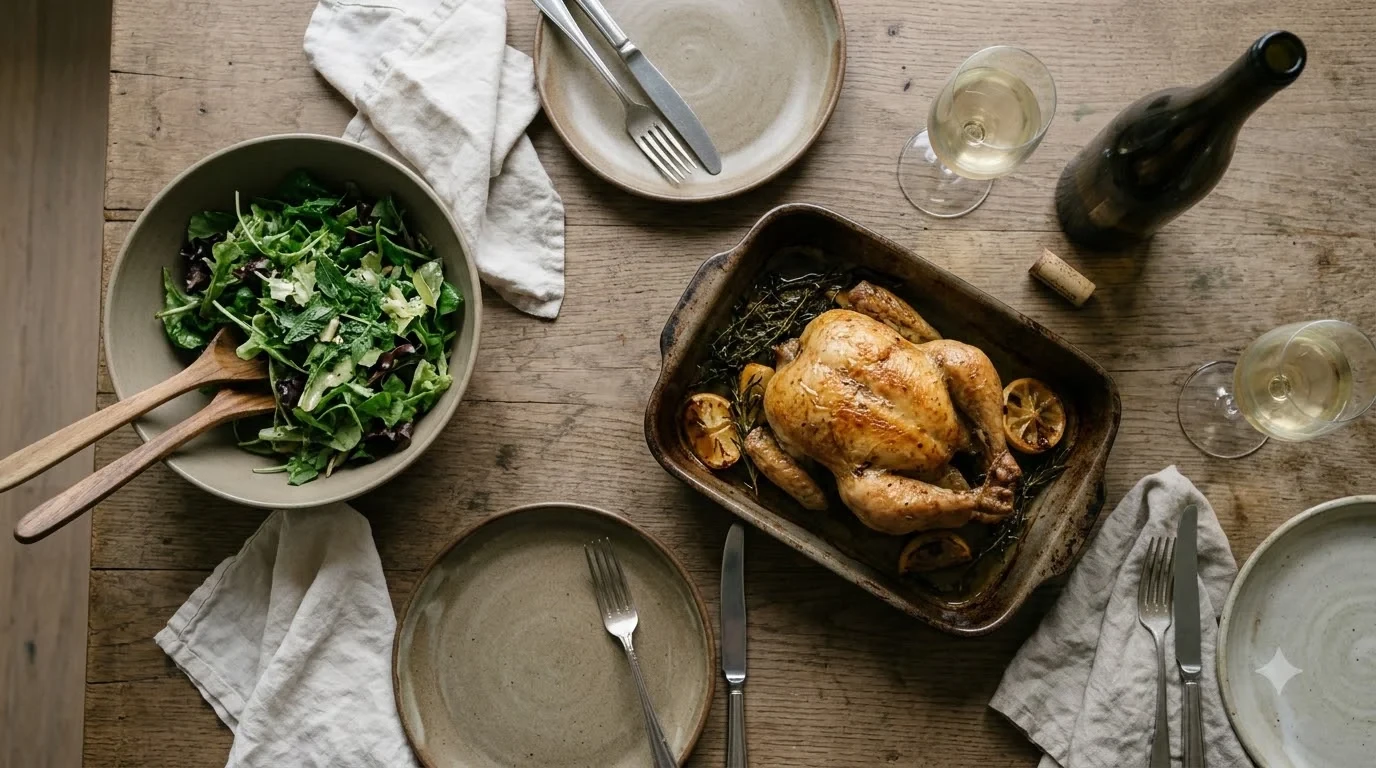
Barbera is usually the stronger choice for tomato-based dishes, pizza, and fatty foods because its high acidity refreshes the palate. Dolcetto is especially appealing with cured meats, roasted meat, mushrooms, and moderately aged cheeses because its fruit and gentle tannins complement savory flavors.
Best foods for Barbera
Barbera’s acidity makes it a natural companion for foods containing tomatoes. Tomato sauce has significant acidity of its own, so pairing it with a fresh, acidic red wine helps prevent the wine from tasting flat or overly soft. This makes Barbera particularly useful with several Italian classics.
- Pizza: Tomato sauce, mozzarella, sausage, and mushrooms work particularly well with youthful Barbera.
- Tomato pasta: Marinara, tomato-based meat sauces, and pasta with roasted tomatoes benefit from Barbera’s freshness.
- Lasagna: The acidity balances rich cheese, meat, and tomato layers.
- Grilled sausages: Barbera refreshes the palate after fatty pork and beef.
- Mushroom risotto: Its fruit and acidity complement earthy mushrooms and creamy rice.
- Charcuterie: Salami and other fatty cured meats work well with its refreshing structure.
Barbera is also a good option with roast chicken, pork, and grilled vegetables. Its low natural tannin content makes it less demanding than many fuller-bodied reds.
Best foods for Dolcetto
Dolcetto’s softer acidity and gentle tannins make it particularly comfortable with savory everyday dishes. Its black cherry and plum character can complement roasted ingredients, while the almond-like finish adds an appealing contrast to salty and savory flavors.
- Salami and prosciutto: The fruit and modest tannic structure complement cured pork.
- Roast chicken: Dolcetto’s moderate weight works with roasted poultry and herbs.
- Grilled pork: Its fruit character pairs naturally with grilled meat and savory seasoning.
- Roasted mushrooms: Earthy flavors work with the wine’s darker fruit and subtle bitterness.
- Fresh cheeses: Mild cheeses allow the wine’s fruit to remain noticeable.
- Moderately aged cheeses: Savory, firm-textured cheeses can provide a satisfying match.
- Pasta with meat sauce: Dolcetto’s roundness complements traditional meat-based pasta dishes.
Dolcetto also works with traditional Piedmontese appetizers and rice dishes. The Consorzio Barbera d’Asti e Vini del Monferrato specifically recommends it with salami, ham, hors d’oeuvres, pasta, rice, soups, fresh cheeses, and moderately aged firm-textured cheeses.
Tip: Match wine acidity to food acidity. Barbera is particularly useful with tomato sauce and other acidic ingredients. With salty, fatty dishes, both wines can work, but Barbera’s freshness is especially effective at refreshing the palate.
When neither wine is ideal
Both wines have limitations. Very spicy food can make alcoholic reds with tannin seem hotter and more aggressive, so neither is necessarily the best choice for heavily chili-seasoned dishes. A lighter, lower-alcohol wine may be more comfortable.
Likewise, oily fish is generally a difficult match for tannic red wines. If serving grilled salmon or another rich fish, consider a white wine with enough acidity instead. For a comparison with another lighter red that may work with different dishes, see Barbera vs Pinot Noir.
Body, Alcohol, Winemaking, and Aging Potential
Barbera and Dolcetto are generally medium-bodied reds, but their perceived weight can vary considerably with ripeness, alcohol, oak, and extraction. Barbera has a particularly wide range of styles, while Dolcetto is often made to emphasize fresh fruit and early enjoyment.
Barbera can range from fresh and uncomplicated to concentrated and full-bodied. Stainless-steel fermentation often preserves bright fruit and acidity. Malolactic fermentation can soften its naturally brisk acidity, while oak aging can add texture, spice, and additional complexity.
These techniques have played an important role in the development of premium Barbera. The wines of Nizza, for example, are subject to specific production and aging regulations. According to Wine Enthusiast, standard Nizza and Nizza Vigna require at least 18 months of aging, while their Riserva counterparts require at least 30 months.
Barbera d’Asti Superiore has its own requirements: at least 14 months of aging, including six months in oak. These rules help explain why some bottles have greater structure and complexity than straightforward, youthful Barbera.
Dolcetto production more commonly emphasizes primary fruit and straightforward drinking pleasure. Stainless-steel tanks and other neutral vessels can preserve cherry and blackberry character without introducing prominent oak flavors. Nevertheless, the grape is not limited to simple wines. The Langhe wine consortium notes that carefully produced, more developed examples can age for six or seven years.
The distinction between standard and Superiore is important when choosing Dolcetto. Dolcetto d’Asti Superiore must mature for 12 months, calculated from January 1 of the year after harvest. Its minimum total alcohol requirement is 12.5% ABV, compared with 11.5% ABV for standard Dolcetto d’Asti.
For everyday drinking, neither grape requires extended cellaring. Most youthful Barbera and Dolcetto are enjoyable while their fruit remains fresh and expressive. More structured Barbera, particularly selected Nizza wines, can benefit from additional bottle age, while certain carefully made Dolcetto wines can also develop over several years.
Storage matters for both varieties. Keep unopened bottles away from direct sunlight and large temperature changes, ideally in a cool environment near 55°F. Bottles intended for longer storage should generally be kept on their sides if they use natural cork closures.
Serving Temperature and How to Choose a Bottle
Both Barbera and Dolcetto are best served slightly cool, around 55–60°F, rather than at typical warm room temperature. This range helps preserve their fruit character, freshness, and balance without making their flavors seem muted.
Serving temperature can noticeably change the experience. A Barbera served too warm may seem heavier and more alcoholic, while excessive chilling can make its acidity feel sharper and suppress its aromas. Dolcetto served too warm can similarly lose some of its freshness and become dominated by alcohol and soft fruit impressions.
If the bottle has been stored at ordinary room temperature, place it in the refrigerator briefly before serving. Check the wine periodically rather than relying on a fixed chilling time, since the starting temperature and bottle size influence how quickly it cools.
A standard 750 ml bottle provides approximately five servings when each glass contains 5 ounces. This makes either grape a practical choice for a small dinner gathering, especially when the menu includes several savory dishes.
How to select Barbera
For a bright, uncomplicated dinner wine, look for a youthful Barbera d’Asti or Barbera d’Alba. These styles are generally suitable for pizza, pasta, and casual meals. Their fresh fruit and lively acidity make them particularly versatile.
For a more substantial wine, consider Barbera d’Asti Superiore or Nizza. These denominations can provide greater concentration, oak influence, and structure. They are useful when the meal includes richer sauces, roasted meats, or more elaborate preparations.
How to select Dolcetto
For a straightforward, fruit-focused wine, Dolcetto d’Alba is an excellent starting point. Look for examples that emphasize cherry, blackberry, and the grape’s characteristic almond finish. They are particularly suitable for appetizers and casual meals.
Dogliani and other recognized Dolcetto denominations are also worth exploring. More structured examples can provide additional depth, making them appropriate for richer meat dishes and moderately aged cheeses.
A simple decision guide
Use the meal as your starting point rather than choosing solely by grape reputation. Barbera is the safer choice when the menu features substantial tomato acidity, melted cheese, or rich sauces. Dolcetto is a natural alternative when the meal centers on cured meats, roasted vegetables, and traditional savory dishes.
If you are buying both, serve them in separate glasses and compare their acidity and finishes. Start with the Barbera, then taste the Dolcetto with the same food. The difference between refreshing acidity and softer tannic structure becomes much clearer when both wines are experienced under similar conditions.
Frequently Asked Questions
Is Dolcetto actually a sweet wine?
No. Dolcetto is generally made as a dry red wine, despite its Italian name meaning little sweet one. The name refers to the sweetness of the grape itself rather than the sugar level in the finished wine. Its ripe fruit aromas can create a sweet impression without making the wine a dessert wine.
Which wine is more traditional in Piedmont, Barbera or Dolcetto?
Both are traditional Piedmontese varieties with long regional histories. Barbera has documented cultivation dating back to at least the 13th century, while Dolcetto is another established indigenous variety associated with the Langhe and surrounding provinces. They occupy different but equally recognizable places in the region’s food culture.
Can Barbera and Dolcetto be blended together?
Blending possibilities depend on the denomination and its production regulations. Some Piedmont wine classifications permit specific combinations of grape varieties, while others require particular varietal compositions. For example, Barbera d’Asti must contain at least 90% Barbera, and Nizza is made exclusively from Barbera.
Does Barbera have more alcohol than Dolcetto?
Neither variety has a universal alcohol advantage. Ripeness, climate, vineyard conditions, and winemaking influence the final alcohol level. Dolcetto d’Asti DOC regulations specify a minimum of 11.5% ABV for standard wine and 12.5% ABV for Superiore, but these figures are not fixed alcohol levels for every Dolcetto or Barbera bottle.
Are Barbera and Dolcetto suitable for vegetarian meals?
Yes. Both can accompany vegetarian dishes, although the best match depends on the ingredients and preparation. Barbera works particularly well with tomato-based vegetable pasta, roasted peppers, and mushroom dishes, while Dolcetto can complement grilled eggplant, roasted squash, lentil dishes, and mushroom preparations. Cheese-based vegetarian dishes can also work with either wine.
Barbera and Dolcetto demonstrate how two grapes from the same Italian region can offer different but equally appealing dining experiences. Choose Barbera for its lively acidity and versatility with tomato-based and rich foods, or Dolcetto for its rounded fruit, gentle tannins, and savory food pairings. Exploring both is one of the easiest ways to appreciate the variety of Piedmont’s traditional red wines.
More in Wine vs Wine
 Chenin Blanc vs Pinot Gris: Acidity, Body, and Pairing DifferencesUpdated Nov 20, 2026
 Chianti vs Lambrusco: How Tuscany and Emilia-Romagna Reds CompareUpdated Nov 20, 2026
 Chianti vs Primitivo: Key Differences in Taste, Body, and PairingUpdated Nov 20, 2026
 Chianti vs Rioja: Key Differences in Taste, Aging, and PairingUpdated Nov 20, 2026
 Chianti vs Shiraz: How Acidity, Body, and Food Pairings CompareUpdated Nov 20, 2026
 Chianti vs Syrah: Key Differences in Taste, Body, and Food PairingUpdated Nov 20, 2026