

We may earn a commission when you buy through links on this page, at no extra cost to you. Learn more.
Barbera vs Pinot Noir comes down to acidity, body, tannin, and flavor: Barbera is generally a juicy, deeply colored Italian red with pronounced acidity and low tannins, while Pinot Noir is usually a lighter-bodied, aromatic red with bright acidity, softer tannins, and more delicate fruit and earthy flavors. Barbera is an excellent choice for tomato-based dishes, grilled meats, and hearty Italian food. Pinot Noir is particularly suited to roast chicken, mushrooms, duck, and salmon. Both wines are food-friendly, but they deliver noticeably different experiences in the glass.
Choosing between these two red grapes is easier when you understand what each brings to the table. Barbera comes primarily from Piedmont in northwestern Italy, while Pinot Noir is associated with Burgundy, France, and cool-climate vineyards around the world. Their natural acidity makes both refreshing choices with food, but differences in color, texture, tannin, and aromatic character influence which bottle works best for a particular meal. This comparison covers their origins, tasting profiles, structure, food pairings, serving temperatures, and aging potential.
Barbera and Pinot Noir: The Main Differences
Barbera generally offers darker color, juicy cherry and plum flavors, and a more pronounced sense of acidity, while Pinot Noir tends toward lighter color, red-fruit aromas, and a softer, more delicate texture. Both are dry red wines, but their different grape characteristics make them suitable for different occasions and dishes.
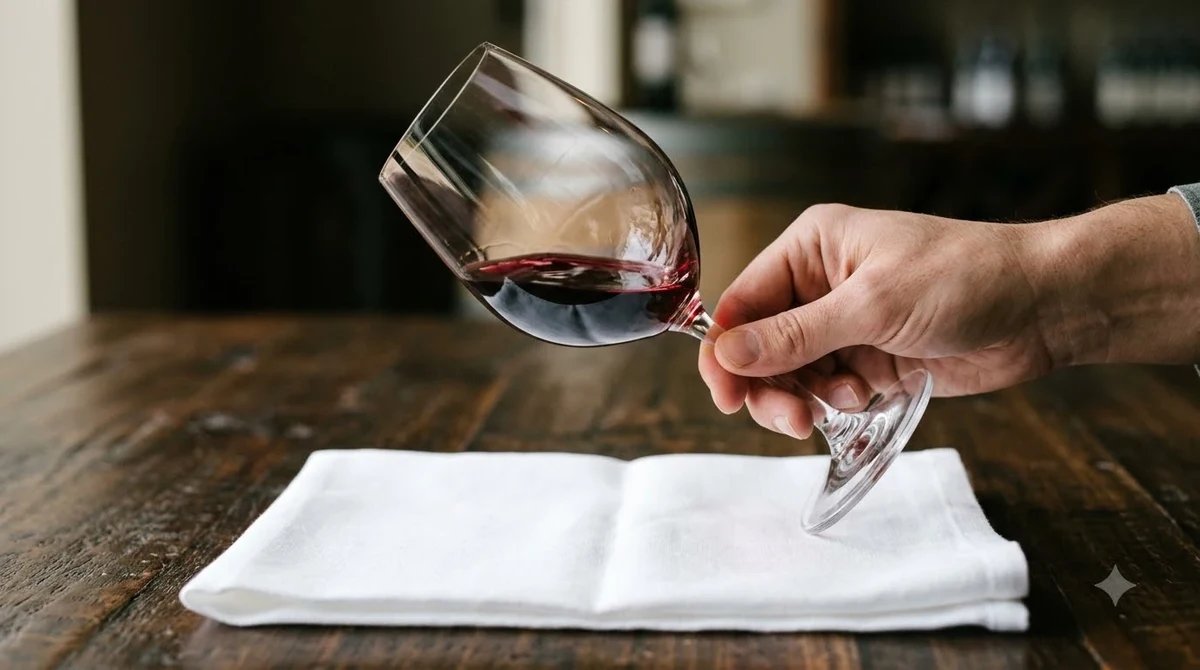
Barbera is an important grape in Piedmont, where appellations such as Barbera d’Asti and Barbera d’Alba establish distinct regional identities. The Barbera d’Asti DOCG regulations require at least 90% Barbera in the blend and specify a minimum alcohol content of 12% ABV. Pinot Noir, meanwhile, is internationally recognized through regions such as Burgundy, Oregon’s Willamette Valley, and California’s Russian River Valley.
The biggest structural difference is how the wines balance acidity, tannin, and body. Barbera typically has high acidity and relatively low tannin, which creates a lively, mouthwatering impression without the drying grip associated with more tannic reds. Pinot Noir also has bright acidity, but its low-to-medium tannin and generally lighter body produce a more delicate impression.
| Characteristic | Barbera | Pinot Noir |
|---|---|---|
| Origin associated with | Piedmont, Italy | Burgundy, France |
| Typical body | Medium to medium-full | Light to medium |
| Acidity | High | High |
| Tannin | Low to medium | Low to medium |
| Common fruit | Cherry, plum, blackberry | Strawberry, raspberry, cherry |
| Common savory notes | Herbs, spice, earthy notes | Mushroom, forest floor, tea |
| Typical alcohol range | Approximately 12–14.5% ABV | Approximately 12–15% ABV |
| Best-known food matches | Pizza, tomato pasta, grilled meat | Roast chicken, duck, mushrooms |
| Serving temperature | 55–60°F for lighter examples | 55–60°F for lighter examples |
These figures are practical style guides rather than universal rules. Vineyard climate, grape ripeness, fermentation, oak aging, and producer decisions can create meaningful differences between individual bottles. For example, a concentrated Barbera aged in oak can feel fuller than a fresh, unoaked example, while a warm-climate Pinot Noir can be considerably richer than a cool-climate Burgundy.
For a broader introduction to comparisons between grape varieties, the Wine vs Wine section provides additional ways to understand how different wines compare.
Flavor Profiles and Aromas: Cherry, Plum, Strawberry, and Earth
Barbera usually emphasizes ripe red and dark fruit, particularly cherry, plum, and blackberry, with occasional herbal and spicy notes. Pinot Noir typically focuses on red cherry, strawberry, raspberry, floral aromas, and savory characteristics such as mushroom and forest floor.
Barbera’s deep ruby color is one of its recognizable visual characteristics. The grape contains substantial anthocyanins, the pigments responsible for its dark appearance. In the glass, a young Barbera often smells of fresh cherry, sour cherry, plum, and other ripe fruits. Its acidity keeps the fruit from feeling overly heavy, even when the wine has noticeable concentration.
Winemaking can change Barbera’s aromatic profile considerably. Stainless-steel fermentation and limited oak influence tend to preserve fresh fruit characteristics. Oak aging can introduce vanilla, baking spice, and toasted notes while adding texture. More concentrated examples may develop additional savory complexity as they mature.
Pinot Noir has a different aromatic identity. Its relatively thin skins contribute to its lighter color and generally softer tannin structure. The wine often features strawberry, cranberry, raspberry, red cherry, and floral notes. With age, some examples develop mushroom, dried leaves, forest floor, leather, and tea-like characteristics.
Climate is particularly important for Pinot Noir. Burgundy’s cooler vineyards commonly produce wines with lively acidity, red fruit, and earthy complexity. Warmer areas in California can produce more concentrated cherry, raspberry, cola spice, and cedar characteristics. The same grape can therefore taste quite different depending on where it grows.
Oak aging also creates distinctions. A Pinot Noir aged in new French oak may show vanilla, baking spice, and additional structure, while a restrained oak approach generally allows the grape’s fruit and savory aromas to remain prominent. Neither style is automatically better; the choice depends on whether you prefer a more fruit-driven or more layered wine.
When comparing the two, smell the wines before taking a sip. Barbera often presents a more direct impression of cherry and plum, while Pinot Noir can reveal several layers of fruit, flowers, herbs, and earthy aromas. This makes Pinot Noir especially interesting for drinkers who enjoy aromatic complexity.
Acidity, Tannin, Alcohol, and Body
Both grapes naturally produce wines with refreshing acidity, but Barbera is particularly recognized for its high natural acidity and relatively low tannin. Pinot Noir combines high acidity with low-to-medium tannins, generally lighter body, and a silky mouthfeel.
Acidity is one of Barbera’s defining characteristics. The grape retains considerable natural acidity as it ripens, helping its wines remain lively even when the fruit becomes concentrated. This quality is especially useful with dishes containing tomatoes, because tomato acidity can make softer, lower-acid wines taste flat.
Barbera’s tannin is usually less pronounced than that of Cabernet Sauvignon or Nebbiolo. This means the wine can have a dark, substantial appearance without producing an especially drying sensation. Some examples, particularly those made for extended aging, develop more noticeable structure through extraction and oak maturation.
Pinot Noir generally has a lighter structure. Its thin skins contribute less tannin than thicker-skinned varieties, although grape maturity, extraction, and oak aging can increase the sensation of weight. Cooler-climate examples often emphasize freshness and finesse, while warmer-climate versions may feel richer and more substantial.
Alcohol is another factor worth considering. Pinot Noir commonly ranges from 12% to 15% ABV, with cooler-climate wines often toward the lower end. Barbera varies according to the region and winemaking approach, but many examples fall around 12% to 14.5% ABV. Alcohol contributes to perceived warmth and body, so two wines with similar acidity can feel quite different if one has noticeably higher alcohol.
Understanding the balance
Think about these structural elements together rather than judging a wine by acidity or body alone. A Barbera can be medium-full-bodied but still feel lively because its acidity balances the fruit. A Pinot Noir can feel light and silky while retaining enough acidity to complement rich foods.
If you prefer a red wine with dark fruit, refreshing acidity, and relatively little tannic grip, Barbera is a strong option. If you prefer a more delicate wine with aromatic detail, red fruit, and a softer texture, Pinot Noir is likely to suit your palate better.
Tip: Compare both wines at approximately 58°F in separate glasses. Give each wine a few minutes to open, then compare the initial fruit aromas, acidity, and finish. This temperature helps preserve freshness without making the wines feel overly cold.
Where Barbera and Pinot Noir Come From
Barbera is most strongly associated with Piedmont in northwestern Italy, particularly the provinces of Asti, Alessandria, and Cuneo. Pinot Noir is historically associated with Burgundy in eastern France but is now cultivated in numerous cool-climate wine regions, including Oregon, California, Germany, and New Zealand.
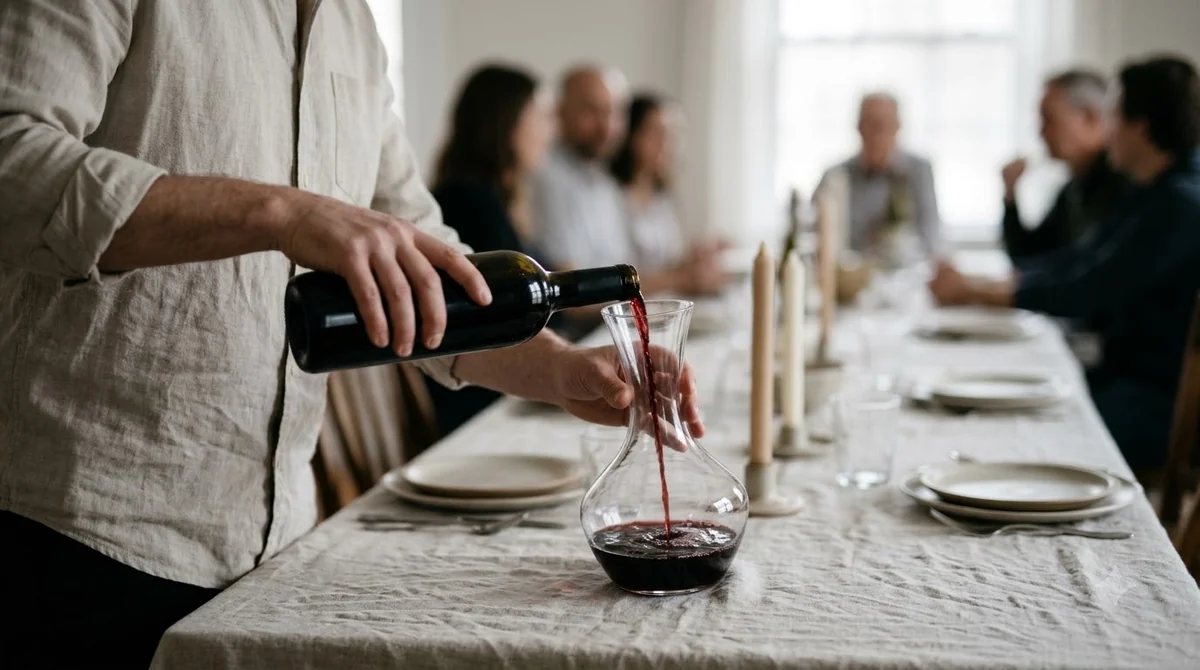
Piedmont is Barbera’s traditional stronghold. The grape has a long documented history in the region, with a historical reference dating to 1512 in a cadastral document from Chieri. It became a familiar part of local wine culture and remains one of the region’s most important red varieties.
Two important appellations are Barbera d’Asti and Barbera d’Alba. Barbera d’Asti DOCG wines come from vineyard areas in the provinces of Asti and Alessandria. They must contain at least 90% Barbera and have a minimum total alcohol content of 12% ABV under the regional production rules.
Barbera d’Alba DOC comes from the hills surrounding Alba in the province of Cuneo. Its regulations permit 85% to 100% Barbera, with Nebbiolo accounting for up to 15% of the permitted blend. The Superiore designation requires at least 12.5% ABV and a minimum aging period of one year.
Barbera is also grown outside Piedmont, including Lombardy, Emilia-Romagna, California, and South America. However, Piedmont remains the region most closely associated with the grape’s identity and established appellations.
Pinot Noir’s traditional home is Burgundy, where the grape produces some of the world’s most recognized red wines. Appellations such as Gevrey-Chambertin, Vosne-Romanée, and Volnay demonstrate how vineyard location can influence the final wine. Soil, slope, exposure, and local climate all contribute to differences in aroma, texture, and concentration.
Outside France, Oregon’s Willamette Valley is particularly well known for Pinot Noir. California’s Russian River Valley and Sonoma Coast also produce notable examples. New Zealand’s Central Otago and Marlborough regions offer additional expressions, while Germany produces Pinot Noir under the name Spätburgunder.
The geographical distinction is useful when shopping. A Piedmontese Barbera provides a reliable starting point for understanding the grape’s traditional style. For Pinot Noir, Burgundy is a classic reference, but Oregon and California offer different interpretations that can be equally rewarding.
Food Pairings: Which Wine Works Best With Dinner?
Barbera is particularly effective with tomato-based dishes, pizza, grilled sausages, roasted meats, and rich Italian sauces. Pinot Noir is a natural partner for roast chicken, duck, mushrooms, pork, salmon, and dishes with earthy herbs.
Barbera’s acidity makes it a strong match for tomato-based food. Tomato sauce can be difficult to pair with red wine because its acidity makes wines with insufficient freshness taste dull. Barbera’s naturally high acidity helps maintain balance, especially with pizza, lasagna, spaghetti with meat sauce, and baked pasta dishes.
Its relatively low tannin also makes it comfortable alongside savory foods that do not need a strongly structured red. Grilled sausages, pork chops, meatballs, and roasted chicken can all work well. For richer preparations, such as braised beef or lamb, a more concentrated Barbera d’Asti or Barbera d’Alba can provide additional depth.
Pinot Noir has a different advantage: its aromatic delicacy and gentle tannin allow it to work with a wide range of dishes. Roast chicken with thyme, duck breast, pork tenderloin, mushroom risotto, and herb-roasted vegetables are particularly suitable choices.
Unlike heavily tannic reds, Pinot Noir can also work with certain fish dishes. Salmon, trout, and tuna are suitable options, especially when grilled, roasted, or served with mushroom, soy, or miso-based preparations. Avoid strongly tannic red wines with oily fish because the combination can create an unpleasant metallic impression.
Pairing by ingredient
For tomato sauces and acidic foods, choose Barbera or another wine with equally pronounced acidity. For mushrooms, truffles, and earthy vegetables, Pinot Noir is often the more natural match. If the meal contains rich meat or fatty cheese, both wines can work, but salt and fat soften the perception of tannin and help make structured reds feel more balanced.
Spicy dishes require a little more care. Alcohol and tannin can amplify chili heat, so a high-alcohol or strongly structured red may make a spicy meal feel hotter. For heavily spiced food, consider a lighter Pinot Noir with moderate alcohol or a fruit-forward Barbera rather than a powerful, highly extracted example.
For a more detailed comparison involving another familiar red grape, the article on Grenache vs Pinot Noir explains how fruit intensity, body, and tannin influence food choices.
Serving Temperature, Glassware, and Storage
Both wines benefit from slightly cool serving temperatures rather than being served warm at room temperature. Light-bodied Pinot Noir is best around 55–60°F, while a fuller Barbera can be served around 60–65°F depending on its concentration and oak influence.
Serving temperature changes how a wine feels. Excessive warmth can make alcohol seem more prominent and reduce the impression of freshness. Excessive chilling can suppress aromas and make tannins feel more noticeable.
For a lighter Barbera, aim for approximately 55–60°F. Fuller examples, particularly those with substantial oak influence, can be served closer to 60–65°F. Pinot Noir generally performs well at 55–60°F, especially when its delicate red-fruit aromas are an important part of the experience.
A useful approach is to place a bottle at room temperature in the refrigerator for approximately 20–30 minutes before serving, adjusting for the starting temperature. If the wine becomes too cold, allow it to warm gradually in the glass. Avoid adding ice because melting water changes the wine’s concentration and flavor balance.
Choose a medium-sized red wine glass with a reasonably wide bowl for both varieties. Pinot Noir benefits from a glass that gives its floral and earthy aromas room to develop. Barbera also benefits from a bowl that allows its cherry, plum, and herbal characteristics to emerge.
A standard wine pour is approximately 5 ounces. A 750 ml bottle therefore provides about five standard glasses. When comparing two bottles, pour similar amounts into each glass so that differences in aroma and structure are easier to assess.
Storage matters if you do not finish the bottle. Keep unopened wine in a cool, dark place near 55°F, ideally with minimal temperature fluctuations. Bottles with natural corks should generally be stored on their sides to keep the cork from drying out.
After opening, recork the bottle and refrigerate it. Both Barbera and Pinot Noir generally remain enjoyable for approximately three to five days, although their freshness and aromatic detail gradually decline as oxygen exposure continues. Allow refrigerated wine to warm slightly before serving again.
Aging Potential and Choosing the Right Bottle
Both Barbera and Pinot Noir can age, but their development depends on fruit concentration, acidity, tannin, producer decisions, and vineyard quality. Fresh, uncomplicated Barbera is generally intended for relatively early drinking, while structured Barbera and quality Pinot Noir from recognized regions can develop additional complexity over time.
Barbera’s natural acidity provides an important foundation for aging. More ambitious examples from Piedmont may receive extended maturation in oak or bottle, developing softer fruit characteristics and more integrated spice and savory notes. Barbera d’Asti Superiore and carefully made Barbera d’Alba are useful categories to explore when looking for wines with more structure.
However, not every Barbera is designed for long-term cellaring. Many young examples emphasize fresh cherry and plum and are best enjoyed while those fruit characteristics remain prominent. A simple stainless-steel-aged Barbera is often intended to be approachable without extended bottle aging.
Pinot Noir has a particularly strong reputation for ageworthiness, especially from Burgundy’s more structured appellations and carefully selected vineyard sites. Its acidity, tannin, and concentration provide the framework for development. As a quality Pinot Noir matures, fresh strawberry and cherry notes may gradually give way to dried fruit, forest floor, mushroom, leather, and savory spice.
Not all Pinot Noir should be cellared for many years. Light, fruit-driven examples from everyday wine ranges are usually made to be enjoyed relatively young. More concentrated wines from producers with a strong track record may develop over a longer period.
Which bottle should you choose?
Choose Barbera if you enjoy bright acidity, darker cherry and plum fruit, and a red wine that works especially well with pizza, tomato pasta, grilled pork, and traditional Italian cooking. It is also a useful alternative when you want a deeply colored wine without the pronounced tannin of Cabernet Sauvignon or Nebbiolo.
Choose Pinot Noir if you prefer lighter body, aromatic complexity, red berries, floral notes, and earthy flavors. It is particularly useful for meals that include mushrooms, poultry, duck, pork, and salmon, and it can be a good introduction to red wines for people who dislike aggressive tannins.
Price is not a reliable substitute for understanding style. Rather than assuming that one grape is inherently better, consider the producer, growing region, vintage conditions, and intended drinking occasion. A well-made young Barbera can be more satisfying than an overly ambitious Pinot Noir that does not match your preferences, and the reverse is equally true.
If you enjoy comparing Pinot Noir with other varieties, you can also explore Nebbiolo vs Pinot Noir and Pinot Noir vs Sauvignon Blanc to understand how grape characteristics influence wine style and pairing decisions.
For additional background on Pinot Noir’s growing regions, climate, flavor development, and serving recommendations, consult Wine Enthusiast’s Essential Guide to Pinot Noir. For Barbera’s traditional Piedmont origins and viticultural characteristics, the Barbera d’Asti and Monferrato Consortium’s grape profile provides useful regional context.
Frequently Asked Questions
Is Barbera related to Pinot Noir?
No. Barbera and Pinot Noir are separate grape varieties within the Vitis vinifera species. They have different genetic backgrounds, growing characteristics, and traditional regional associations. Their shared popularity as dry red wines does not indicate a close varietal relationship.
Is Barbera ever used to make sparkling wine?
Yes. Some Barbera wines are made in lightly sparkling styles, particularly in traditional regional production. These wines can offer fresh fruit, lively acidity, and gentle bubbles rather than the structure of a conventional still red. They are often served slightly chilled.
What is Barbera called outside Italy?
The grape generally retains the name Barbera in international wine markets, including California and South America. Unlike Pinot Noir, which has the Italian synonym Pinot Nero, Barbera does not have a widely established alternative international grape name. The regional designation is often more important than a translated name.
Can Barbera be blended with other grapes?
Yes. Some appellations permit Barbera to be blended with other authorized red varieties. For example, Barbera d’Alba regulations allow up to 15% Nebbiolo, while Barbera d’Asti permits up to 10% other qualifying non-aromatic red grapes. These blending allowances depend on the appellation’s production rules.
Why is Pinot Noir sometimes called the heartbreak grape?
The nickname reflects the grape’s demanding cultivation requirements. Its thin skins and sensitivity to moisture, disease pressure, and unfavorable weather make vineyard management challenging. Small changes in growing conditions can significantly affect grape quality and the resulting wine.
Barbera and Pinot Noir are both excellent red wines, but they suit different preferences and meals. Choose Barbera for juicy dark fruit, high acidity, and satisfying Italian food pairings; choose Pinot Noir for delicate red fruit, aromatic complexity, and versatility with poultry, mushrooms, and fish. Comparing bottles from Piedmont and Burgundy or Oregon is a practical way to discover which style belongs in your regular wine rotation.
More in Wine vs Wine
 Chenin Blanc vs Pinot Gris: Acidity, Body, and Pairing DifferencesUpdated Nov 20, 2026
 Chianti vs Lambrusco: How Tuscany and Emilia-Romagna Reds CompareUpdated Nov 20, 2026
 Chianti vs Primitivo: Key Differences in Taste, Body, and PairingUpdated Nov 20, 2026
 Chianti vs Rioja: Key Differences in Taste, Aging, and PairingUpdated Nov 20, 2026
 Chianti vs Shiraz: How Acidity, Body, and Food Pairings CompareUpdated Nov 20, 2026
 Chianti vs Syrah: Key Differences in Taste, Body, and Food PairingUpdated Nov 20, 2026