

We may earn a commission when you buy through links on this page, at no extra cost to you. Learn more.
barbera vs sangiovese comes down to a choice between Barbera’s juicy, high-acid, low-tannin profile and Sangiovese’s firmer tannins, savory character, and similarly lively freshness. Choose Barbera for a softer, fruit-forward red that works especially well with rich, tomato-based food. Choose Sangiovese when you want more grip, cherry-and-herb detail, and the structure to stand beside grilled meats or aged cheese.
Both grapes are Italian staples, but they come from different regional traditions and create distinct experiences at the table. The comparison below explains how their structure, flavors, regional styles, and food matches differ, so you can choose with more confidence and make better wine-versus-wine comparisons.
The Core Difference Between Piedmont Barbera and Tuscan Sangiovese
Barbera is generally the juicier, less tannic choice, while Sangiovese usually feels firmer and more savory. Both have refreshing acidity, but Sangiovese tends to add more tannic grip and a broader range of styles, from easy-drinking reds to wines built for extended aging.
Barbera is associated above all with Piedmont in northwestern Italy, particularly the areas around Asti, Alba, and Monferrato. Decanter’s Barbera profile describes the grape as high in acidity and low in tannin, with youthful flavors of cherry, blackberry, raspberry, and plum. That combination often makes Barbera feel immediately generous: the fruit is vivid, the mouthwatering acidity keeps the finish lively, and the tannins usually do not dominate the palate.
Sangiovese is strongly tied to Tuscany and the wines of Chianti, Chianti Classico, and Brunello di Montalcino. Wine Enthusiast’s Sangiovese overview characterizes it as medium- to full-bodied, with medium-to-full tannins, high natural acidity, and red or dark fruit alongside peppery and savory notes. Its texture is therefore usually more structured than Barbera’s, although young, lighter examples can be bright and approachable.
| Typical trait | Barbera | Sangiovese |
|---|---|---|
| Main Italian home | Piedmont | Tuscany and central Italy |
| Acidity | High | High |
| Tannin | Low to medium | Medium to high |
| Body | Medium to medium-full | Medium to full |
| Common fruit notes | Cherry, blackberry, plum | Sour cherry, red plum, dark cherry |
| Typical character | Bright, fruit-forward | Fruit with peppery and savory accents |
| Best general role | Juicy, flexible weeknight red | Structured food wine with broader aging range |
| Named DOCG grape minimum | Barbera d’Asti: 90% | Chianti Classico Annata: 80% Sangiovese |
| Named DOCG minimum alcohol | Barbera d’Asti: 12% ABV | Chianti Classico Annata: 12% ABV |
| Named DOCG minimum acidity | Barbera d’Asti: 4.5 g/L | Chianti Classico Annata: 4.5 g/L |
Regional Roots: Asti, Alba, Chianti, and Montalcino
Barbera’s identity begins in Piedmont, while Sangiovese’s best-known expressions come from Tuscany and neighboring parts of central Italy. The place name on the bottle matters because regional rules, vineyard conditions, and local winemaking traditions can shape the wine as much as the grape itself.
The Barbera d’Asti DOCG comes from hilly areas in the provinces of Asti and Alessandria. Regione Piemonte states that the wine must contain at least 90% Barbera, with up to 10% of other qualifying non-aromatic red grapes. The designation became DOCG in 2008, and its rules identify a minimum total acidity of 4.5 grams per liter and minimum alcohol of 12% by volume.
Other Piedmont labels include Barbera d’Alba and Barbera del Monferrato. Producers may make brisk, youthful wines, sometimes with a slight spritz in certain styles, or richer versions that receive oak aging. Barbera is also grown beyond Piedmont, including in parts of Emilia-Romagna and southern Italy, as well as California and South America.
Sangiovese is the principal grape behind several major Tuscan names. Chianti Classico must contain at least 80% Sangiovese, while the Gran Selezione tier requires at least 90% under the consortium’s published types. Brunello di Montalcino is a different expression: the Brunello consortium identifies Sangiovese, locally also called Brunello, as its sole grape variety. These rules help explain why a bottle labeled Chianti Classico and one labeled Brunello can taste quite different even though both rely on Sangiovese. For a closer look at how a Sangiovese-based denomination compares with another Tuscan-style red, see Montepulciano vs. Sangiovese. Montepulciano can refer to a place in Tuscany or to a grape grown elsewhere, so understanding the label is essential before comparing the wines.
Acidity, Tannin, and Body: How Each Wine Feels
Acidity is a defining feature of both grapes, but their tannin levels make them feel different. Barbera typically has high acidity with relatively low tannin; Sangiovese typically combines high acidity with more noticeable tannin, creating a firmer finish and a more structured impression.
In Barbera, acidity often tastes like fresh tart cherry or cranberry. It gives the wine lift and helps it cut through fatty or rich food, while the lower tannin level keeps the finish from feeling especially drying. A ripe, concentrated Barbera can still have substantial body, but its texture is more often supple and fruit-led than tightly gripped. Oak aging can contribute roundness and spice, although the amount varies by producer and bottling.
Sangiovese’s acidity also gives it freshness, but its tannins add a drying sensation along the gums and cheeks. The level varies: a lighter Rosso di Montepulciano or Rosso di Montalcino can be lively and relatively easygoing, while a structured Brunello can feel broad, firm, and persistent. In a young wine, acidity and tannin may seem especially prominent; with bottle age, they can become more integrated and complex.
These differences matter at the table. Salt and fat soften the perception of tannin, making Sangiovese a natural match for grilled beef, lamb, and aged cheeses. Barbera’s lower tannin makes it a flexible partner for dishes with tomato acidity, sausage, and braised meat. Acidic foods need a wine with equal or higher acidity, which is one reason both grapes can handle tomato-based sauces particularly well.
Tip: When deciding between the two, match the wine’s structure to the richest element on the plate. Choose Barbera for a tart tomato sauce or sausage ragu; choose a more structured Sangiovese for grilled steak, lamb, or aged Pecorino.
Flavor Profiles and Winemaking Styles
Barbera most often emphasizes juicy red and dark fruit, while Sangiovese commonly combines cherry fruit with herbs, spice, and earthy notes. Neither profile is fixed: climate, crop level, ripeness, fermentation choices, and oak can change the aroma and texture substantially.
A young Barbera often suggests bright cherry, blackberry, raspberry, and plum. Stainless-steel fermentation and limited oak can preserve a direct, bright fruit character. Barbera that spends time in barrels may take on vanilla, toast, and a fuller texture, but oak is a stylistic choice rather than a defining requirement of the grape.
Sangiovese often leans toward sour cherry, red plum, dried herbs, and savory spice. Depending on the site and the producer, darker cherry, leather, tobacco, earth, olive, or floral notes may appear, particularly as the wine matures. Wine Enthusiast notes that the grape can range from light-bodied and vibrant to firmly structured and long-lived. This range is one reason the label matters: a young Rosso and a cellar-worthy Brunello should not be expected to taste alike.
Oak can shape either wine, but it is particularly important to understand the style of an aged Sangiovese. Brunello di Montalcino regulations require at least 2 years in oak and at least 4 months in bottle before release; the Riserva requires 6 months in bottle. Those rules create a minimum maturation framework, not a promise that every Brunello will taste heavily oaked. Barbera d’Asti, by contrast, may be bottled in a fresher style or given additional time in wood according to the producer’s goals. Look beyond the grape name on individual bottles: Barbera labeled Superiore and Sangiovese labeled Riserva indicate more specific regional styles. The guide to Barbera vs. Pinot Noir explains how Barbera’s acidity and tannin compare with another red grape.
Food Pairings for Pasta, Meat, Cheese, and Vegetables
Both grapes are excellent with Italian food, but Barbera is especially useful with rich tomato dishes and fatty cured meats, while Sangiovese is particularly comfortable with grilled meats, herbs, and aged cheese. The best match depends on sauce acidity, protein richness, cooking method, and the wine’s tannin level.
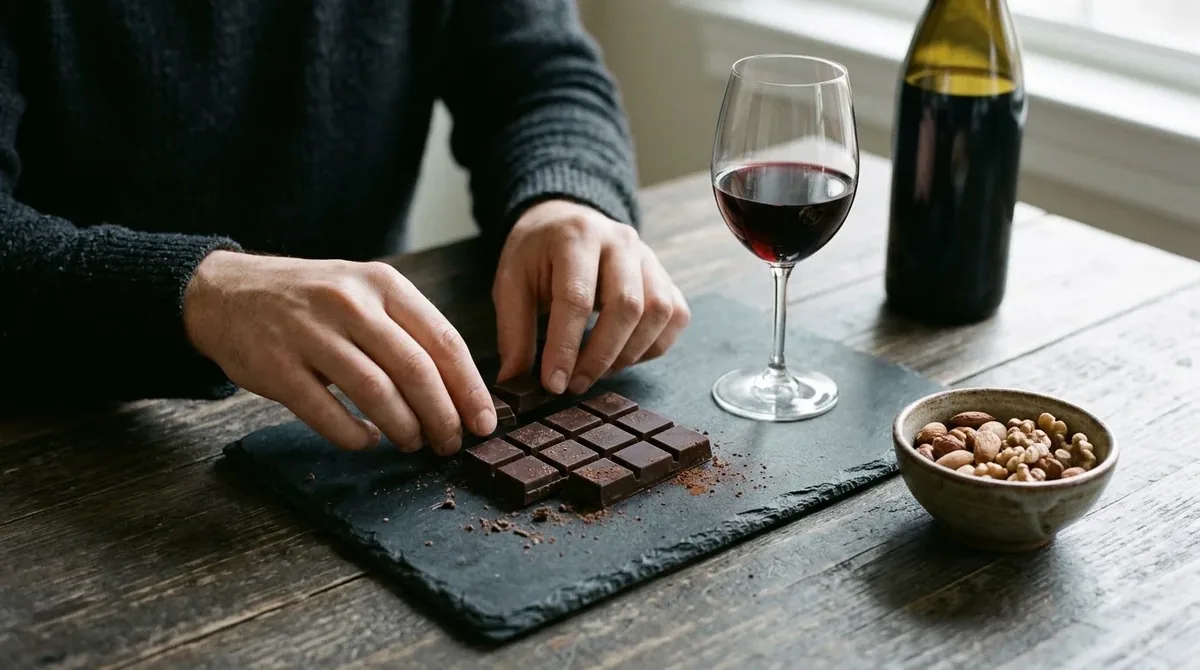
Pair Barbera with tomato-based pasta, pizza, sausage ragu, lasagna, and dishes built around pork or mushrooms. Its high acidity can meet the sharpness of tomato sauce, and its relatively low tannin avoids the hard, drying effect that can appear when a tannic red meets a lean or acidic dish.
Barbera can also stand up to richer Piedmontese dishes. Think agnolotti with braised-meat filling, beef short ribs, pot roast, sausage, or mushroom risotto. The acidity refreshes the palate after each bite, while the fruit complements savory cooking juices. For hard cheeses, try aged Parmesan or a firm sheep’s-milk cheese; salt and fat can soften the sensation of tannin in a wine, although Barbera’s tannin is usually modest to begin with.
Sangiovese is a strong match for bistecca alla Fiorentina, grilled lamb, pork chops, wild boar ragu, meatballs, and roasted chicken with rosemary. Its acidity can balance tomato sauce, while its tannin gives it enough structure for protein and fat. A younger Chianti can suit pizza and tomato pasta, whereas a more concentrated Sangiovese from Montalcino can better meet a substantial steak or a dish with mushrooms and truffles. Use the dish’s dominant ingredient to make the final call: a tomato-heavy pasta with sausage leans toward Barbera, while grilled steak with rosemary leans toward Sangiovese. For seafood, avoid pairing a tannic red with oily fish such as salmon or mackerel, which can create an unpleasant clash. If serving a lighter fish dish, consider a white wine instead. Chili heat can also become more pronounced alongside alcohol and tannin, so strongly spicy food is usually easier with a lower-tannin, moderate-alcohol option.
How to Choose, Serve, and Store a Bottle
Choose Barbera when you want bright fruit and refreshing acidity without much tannic grip; choose Sangiovese when you want a firmer texture, more savory complexity, or a wine with a longer aging track record. Serving temperature and a little air can help either grape show its best features.
For a fresh, fruit-forward red, look for Barbera d’Asti, Barbera d’Alba, or Barbera del Monferrato. If you prefer a fuller style, seek a producer’s barrel-aged bottling or a Barbera d’Asti Superiore. For Sangiovese, Chianti and Chianti Classico are useful starting points for versatile table wines; Rosso di Montalcino can offer a more direct introduction to the Montalcino style, while Brunello di Montalcino is typically more structured and subject to longer maturation rules. For another useful regional comparison, Barbera vs. Chianti sets a Piedmont red alongside a famous Sangiovese-led Tuscan denomination.
Serve light- to medium-bodied reds slightly cool, around 55–60°F. This temperature helps preserve freshness and keeps alcohol from feeling too prominent. If the bottle has been stored at room temperature, a short chill in the refrigerator can bring it closer to the ideal range. Use a standard 5-ounce pour; a 750-milliliter bottle provides about five such glasses. Young, full-bodied Sangiovese may benefit from 30–60 minutes in a decanter, especially when its tannins seem firm. Most fresh Barbera does not need lengthy aeration, though a brief rest in the glass can open its fruit and spice. Older Brunello should be handled more gently because extended exposure to air can diminish delicate aromas; open it carefully and assess it as it develops.
Store both wines in a cool, dark place near 55°F, with bottles on their sides when sealed with natural cork. After opening, keep the bottle in the refrigerator and use a stopper. Most still reds remain in good condition for about 3–5 days, although fruit and freshness gradually fade.
Frequently Asked Questions
These answers clarify pronunciation, regional grape names, and production rules behind familiar labels such as Barbera d’Asti and Brunello di Montalcino.
How do you pronounce Sangiovese?
Wine Enthusiast gives the pronunciation as “San-joe-VAY-zeh.” The emphasis falls on the third syllable, and the final “e” is pronounced rather than silent. Hearing the name said aloud can make Italian restaurant wine lists easier to read with confidence.
Can Barbera be slightly sparkling?
Yes. Barbera is used for a range of wines, including young reds that are sometimes semi-sparkling. These lightly fizzy examples are a different experience from the familiar still Barbera d’Asti or Barbera d’Alba styles, so the producer’s description is useful when choosing one.
What does Prugnolo Gentile mean on a wine label?
Prugnolo Gentile is a regional name for Sangiovese used around Montepulciano in Tuscany. It is the grape behind Vino Nobile di Montepulciano, not the same thing as Montepulciano d’Abruzzo, which is made from the Montepulciano grape. The similar names refer to different things: one is a Tuscan place and local Sangiovese name, while the other is a grape variety.
Is Brunello di Montalcino always made from Sangiovese?
Yes. The Brunello di Montalcino consortium lists Sangiovese as the denomination’s grape variety and notes that the grape is also called Brunello in Montalcino. This is stricter than Chianti Classico, which allows authorized red varieties alongside its required minimum share of Sangiovese.
Why does Brunello di Montalcino reach the market later?
The denomination’s rules prevent Brunello from being released before January 1 of the year following the end of the fifth year calculated from the harvest year. The Riserva requires a sixth year. That timetable is separate from the minimum 2 years in oak and minimum bottle-aging period, and it helps explain why Brunello is generally a more mature release than many everyday reds.
Barbera is the fresher, softer-feeling choice for tomato-rich meals, sausage, and relaxed weeknight cooking. Sangiovese brings more tannic structure and savory depth for grilled meats, Tuscan dishes, and bottles intended for aging. Start with the dish and the texture you enjoy, then use the region and denomination to narrow the choice.
More in Wine vs Wine
 Chenin Blanc vs Pinot Gris: Acidity, Body, and Pairing DifferencesUpdated Nov 20, 2026
 Chianti vs Lambrusco: How Tuscany and Emilia-Romagna Reds CompareUpdated Nov 20, 2026
 Chianti vs Primitivo: Key Differences in Taste, Body, and PairingUpdated Nov 20, 2026
 Chianti vs Rioja: Key Differences in Taste, Aging, and PairingUpdated Nov 20, 2026
 Chianti vs Shiraz: How Acidity, Body, and Food Pairings CompareUpdated Nov 20, 2026
 Chianti vs Syrah: Key Differences in Taste, Body, and Food PairingUpdated Nov 20, 2026