

We may earn a commission when you buy through links on this page, at no extra cost to you. Learn more.
Marchesi di Barolo wine is a Piedmont red-wine range centered on Nebbiolo-based Barolo, with the structure, acidity, and cellar potential to reward careful serving and classic northern Italian food. The historic winery works from cellars in the town of Barolo and also makes Barbaresco, Nebbiolo, Barbera, Dolcetto, Arneis, and Moscato. Its lineup therefore includes both serious, age-worthy bottles and fresher wines for earlier drinking.
For a useful first purchase, start by identifying the appellation on the label, then match the wine’s tannin, acidity, body, and age to the meal. Marchesi di Barolo’s identity is closely tied to its home village, old cellars, and separate vineyard expressions rather than to one single flavor profile.
History and Estate Identity
According to the producer’s official history of Marchesi di Barolo, the winery traces its story to the cellars where the modern, stable style of Barolo developed in the first half of the 19th century. The estate’s historical account connects that change to Marchesa Giulia Falletti Colbert, while the winery’s current family tradition reaches six generations and includes the Abbona family’s 1929 purchase of the ancient cellars.
That timeline matters because Barolo was not simply a grape name that became a brand. The town, the wine cellar, and the Nebbiolo-growing landscape are part of the producer’s identity. The official history records a cellar visit in 1834 that described 30 casks, and it notes that the winery’s Barolo won a medal at the Vienna World’s Fair in 1873. Those details show a long pattern of maturation, transport, and public recognition.
The winery says its historic cellars still contain five centuries-old oak casks associated with Marchesa Giulia. It also records a 1973 decision to make single-vineyard Barolos from Cannubi, Coste di Rose, and Sarmassa. That focus helps explain why the range can show meaningful differences between a village wine and a cru bottling.
In practical terms, the name signals a producer with a documented Barolo setting and a long connection to the appellation. It does not mean every bottle tastes the same. A Barolo del Comune, a Cannubi, a Sarmassa, a Riserva, and a younger Langhe Nebbiolo can differ in tannin, oak impression, aromatic intensity, and drinking window.
Grapes, Appellations, and Style
Nebbiolo is the central grape for the estate’s Barolo wines, and it naturally brings high acidity, firm tannin, and aromas that can move from rose and red cherry to leather, spice, tobacco, and earth with age. The combination can feel lighter in color than the wine’s structure suggests, so pale ruby color should not be mistaken for low intensity.
Barolo DOCG requires a long aging period before release: the standard wine must age at least 38 months, including at least 18 months in wood, while Riserva requires at least 62 months, also including at least 18 months in wood. These are appellation requirements, not a promise that every bottle will taste identical. The extra time can soften texture and integrate oak, but bottle age, vintage, site, and cellar conditions still matter.
Marchesi di Barolo’s official range also includes wines outside Barolo. The company lists Barbaresco, Nebbiolo, Barbera, Dolcetto, Arneis, and Moscato among its wines. That breadth gives shoppers a way to choose the producer’s regional style without committing to the full tannic weight or long release schedule of Barolo.
A useful style map is simple. Barolo and Barbaresco are structured reds with pronounced acidity and tannin. Barbera is generally more acid-driven and less tannic. Dolcetto is often more approachable in youth, while Arneis and Moscato serve white-wine and sweet-wine occasions. The exact bottling still matters, but grape and appellation provide the right starting point.
| Category | Main grape or grapes | Typical structure | Useful occasion |
|---|---|---|---|
| Barolo DOCG | Nebbiolo | High acidity, firm tannin, full body | Braised beef, aged cheese, cellaring |
| Barbaresco DOCG | Nebbiolo | High acidity, medium-plus to high tannin | Roast poultry, mushrooms, veal |
| Barbera | Barbera | High acidity, lower tannin | Tomato sauces and pizza |
| Dolcetto | Dolcetto | Medium acidity, medium tannin | Weeknight pasta and cured meats |
| Arneis or Moscato | White grapes | Fresh or sweet, depending on wine | Seafood, fruit, or dessert |
Vineyards and Recognizable Bottlings
The producer states that its vineyards extend through the town of Barolo, the wider Langhe, Roero, and Monferrato Nicese. Within the Barolo range, Cannubi, Sarmassa, and Coste di Rose are presented as historic cru names. A cru bottling is not just a decorative label: it identifies a more specific site and can reveal differences in exposure, soil, ripening, and tannin.
Barolo del Comune di Barolo is a practical reference point because its grapes come exclusively from vines in the municipality of Barolo. The producer describes aromas such as spice, cinnamon, absinthe, tobacco, and dog rose, with a full and elegant palate. Those notes fit Nebbiolo’s aromatic range, but they should be treated as a style guide rather than a guarantee that every vintage will show each aroma at the same intensity.
Cannubi is presented by the winery as structured and full-bodied, and marked by soft, enveloping tannins with spicy and woody notes. Sarmassa is described with dog rose, vanilla, licorice, spice, pine resin, and tobacco. The named aromas overlap, yet the emphasis differs: Cannubi can read as broad and savory, while Sarmassa can bring a more perfumed and resinous impression.
Coste di Rose belongs in the same single-vineyard conversation, although a bottle’s release, vintage, and cellar history should guide expectations. When comparing these wines, keep the serving conditions consistent: open both at the same temperature, use similar glasses, and taste them with the same food. That approach makes site differences easier to notice than switching between unrelated meals.
Tip: If tannin feels severe, serve the Barolo with salt and fat from a braised dish, a mushroom preparation, or aged cheese. Salt and fat soften the perception of tannin, while a dry, lean snack can make the same wine seem harder.
Tasting Profile and Aging Potential
A young Marchesi di Barolo Nebbiolo-based red commonly shows red cherry, rose, violet, dried herbs, and spice, with acidity that keeps the finish energetic. As the wine develops, aromas can move toward dried flowers, leather, woodland, tobacco, and earthy savory notes. Tannin is the main structural feature, so the wine may feel angular when opened too soon or served without food.
Wine Enthusiast rated the 2016 Riserva della Casa 93 points and described dried rose petals, sweet spice, aged leather, woodland herbs, dark cherry, and crushed berries. The review lists 14% alcohol and a 750 ml bottle, and it gives a drinking range extending to 2045. Those details apply to that specific Riserva, not automatically to every Marchesi di Barolo wine.
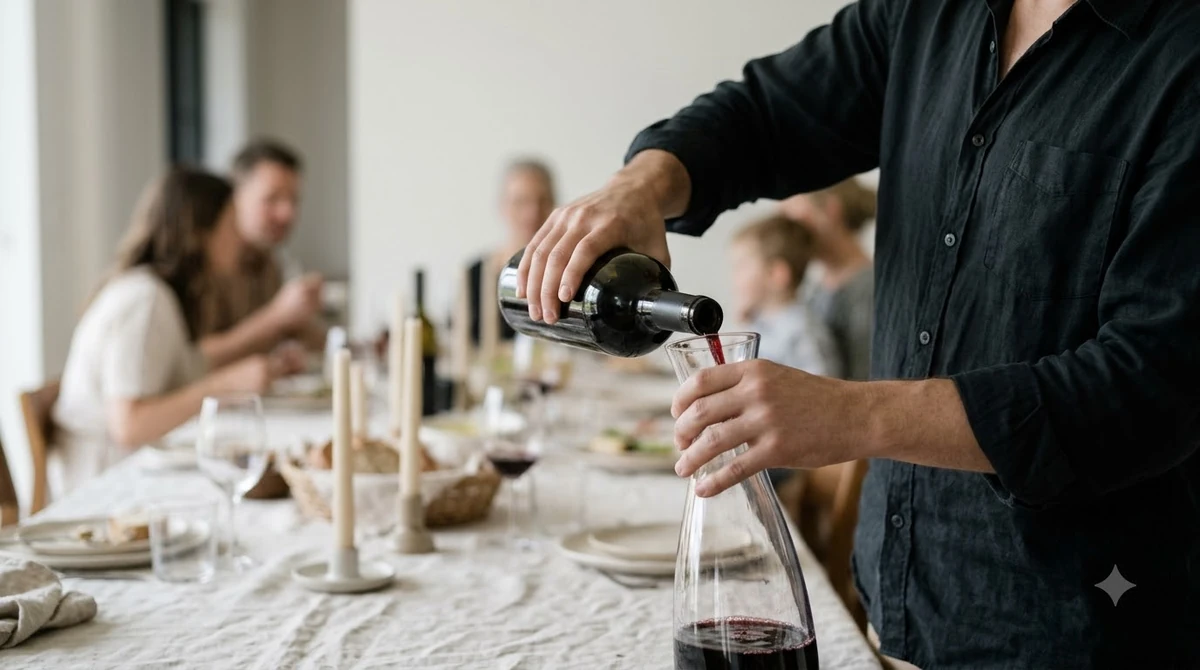
For a standard Barolo, a 30- to 60-minute decant can help a young, full red open and let sediment remain in the bottle. Older bottles need more careful handling: stand the bottle upright before opening if sediment is likely, pour slowly, and stop before the final cloudy portion reaches the glass. Decanting is a serving choice, not a rule that improves every mature bottle.
Storage has a direct effect on the result. Keep bottles near 55 degrees Fahrenheit, away from light and vibration, with cork-sealed bottles on their side. A 750 ml bottle yields about five five-ounce glasses. Once opened, still wine generally keeps three to five days in the refrigerator, though a delicate mature Barolo may change faster than that broad guideline suggests.
Serving Temperature and Food Pairing
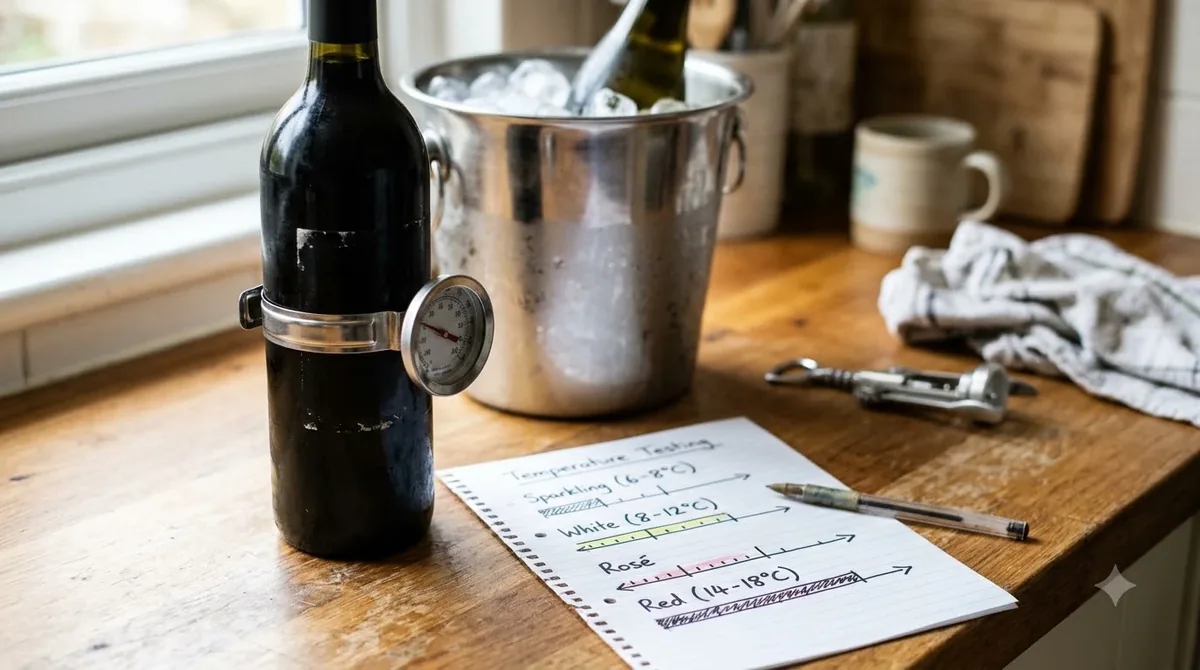
Serve a full-bodied red Barolo at about 60 to 65 degrees Fahrenheit, not warm room temperature. If the bottle has been sitting in a hot room, a brief chill can make the alcohol and tannin feel more balanced. Use a large bowl-shaped red-wine glass, pour about five ounces, and give the wine time to show both its floral opening and savory finish.
Classic pairings work because they address the wine’s structure. Braised beef, veal shank, truffle dishes, porcini mushrooms, and aged hard cheese provide savory depth, protein, salt, or fat. A rich beef stew can soften tannin, while mushrooms echo earthy notes without adding sweetness. A tomato-based dish can also work when its acidity is balanced by the wine’s own acidity.
Acidic food needs a wine with equal or higher acidity, so a sharp lemon sauce can make a low-acid red seem flat. Oily fish is a poor match for a tannic red because the texture can clash. Chili heat is amplified by alcohol and tannin, so spicy dishes are safer with a lower-tannin, lower-alcohol style from the producer rather than a powerful Barolo.
For a broader meal plan, Barbera’s acidity can handle tomato sauce, while Dolcetto can fit cured meats and simple pasta. Arneis can suit seafood, and Moscato can pair with fruit or dessert when the wine is at least as sweet as the food. If dessert is sweeter than the wine, the wine may taste thin and sour.
How to Choose a Bottle
Choose by meal, timing, and texture rather than by the most prestigious-sounding name. For an immediate dinner, look for a younger Nebbiolo, Barbera, or Dolcetto. For a long meal with braised meat, choose Barolo del Comune di Barolo. For a site-focused comparison, choose Cannubi or Sarmassa and pay attention to the vintage and the producer’s release information.
For a special bottle, Riserva signals a longer minimum aging path, but it does not remove the need for proper storage or serving. A full red with 14% alcohol, such as the reviewed 2016 Riserva della Casa, can feel polished yet still structured. If you prefer softer texture, give the bottle air and serve it with protein and fat rather than drinking it alone.
Read the label for the appellation, grape, vintage, alcohol, and any Riserva designation. The appellation tells you the broad legal category; the vineyard name points to a more specific origin; the vintage gives context for maturity. A retailer’s storage history can matter as much as the label, especially for older bottles, so ask how the wine was kept when that information is available.
There are also useful lower-commitment routes into the producer. A Barbera can show the Langhe’s bright acidity without Barolo’s tannic wait. An Arneis can make a seafood course easier, and Moscato can finish a meal. Readers comparing labels across producers can use the site’s Wine Brands guide for broader terminology, while those looking at familiar red blends can compare with 14 Hands red wine as a different American style.
Buying Context and Cellar Planning
Marchesi di Barolo wines cover several drinking windows, so a small mixed purchase can be more useful than several bottles of one style. Pair one Barbera with pizza or pasta, one Dolcetto with a casual meal, and one Barolo for a weekend dish that can support tannin. Add an Arneis when the menu includes shellfish or lighter poultry.
Barolo should be treated as a wine with patience, especially when the tannin is firm. A young bottle can still be enjoyable after decanting, but its floral and fruit notes may sit behind the structure. A mature bottle can show more dried flower, leather, tobacco, and woodland character, while also becoming more fragile after opening.
Plan the glassware and meal before opening. For a 750 ml bottle, five five-ounce pours leave little room for repeated large servings, so keep pours measured. If the wine is part of a group dinner, serve it after a lighter wine and before a sweet wine. That sequence protects the palate and makes the Barolo’s acidity easier to appreciate.
For comparison, do not treat 19 Crimes red or 19 Crimes white wine as substitutes for Barolo’s Nebbiolo structure. They can be useful contrasts in a tasting because different grapes, regions, oak choices, and tannin levels reveal how much the Marchesi di Barolo style depends on acidity and long-lived structure.
Frequently Asked Questions
What does the name Marchesi di Barolo mean on a wine label?
It identifies the producer associated with the historic cellars in Barolo, Piedmont. The winery’s address is Via Roma 1 in Barolo, in the Province of Cuneo, and its tasting rooms are open daily from 10:30 a.m. to 6 p.m. according to the official site.
Is every Marchesi di Barolo bottle made from Nebbiolo?
No. The company also lists Barbera, Dolcetto, Arneis, Moscato, and other regional wines. A label naming Barolo or Barbaresco points to Nebbiolo, while the grape or appellation on other bottles can indicate a different style.
What is special about the five historic oak casks?
The winery says five casks associated with Marchesa Giulia have been preserved and restored for continued use. They are described as centuries-old vessels, which makes them a physical link between the historic cellars and present-day production.
How many bottles can a 2016 Riserva produce?
The reviewed Wine Enthusiast entry gives a 750 ml bottle size but does not state the total production quantity. Without a published production figure for that bottling, a reliable bottle count cannot be supplied.
Does Marchesi di Barolo make wines from outside Barolo?
Yes. The winery reports vineyards in Roero and Monferrato Nicese as well as Barolo and the Langhe. Its listed wines include regional categories such as Roero Arneis, Barbera, Dolcetto, Moscato, and Barbaresco, so the portfolio extends beyond one commune.
Marchesi di Barolo is best understood as a producer with a deep Barolo identity and a broad Piedmont portfolio. Choose the bottle by grape, site, age, and meal, then give Nebbiolo the temperature, glass, and time it needs to show its full range.
More in Wine Brands
 Underwood Wine Price: Compare Bottles, Cans, and Pack SizesUpdated Nov 21, 2026
 Zenato Wine Price: Compare Styles and Choose the Right BottleUpdated Nov 21, 2026
 Zuccardi Wine Price: Compare Bottles and Find the Right RangeUpdated Nov 21, 2026
 Yellow Tail Moscato Review: Taste, Sweetness and Serving TipsUpdated Nov 21, 2026
 Wolf Blass Yellow Label Review: Choose Your Best StyleUpdated Nov 21, 2026
 Wolffer Estate Rose Review: Choose the Right Bottle for Your TableUpdated Nov 21, 2026