
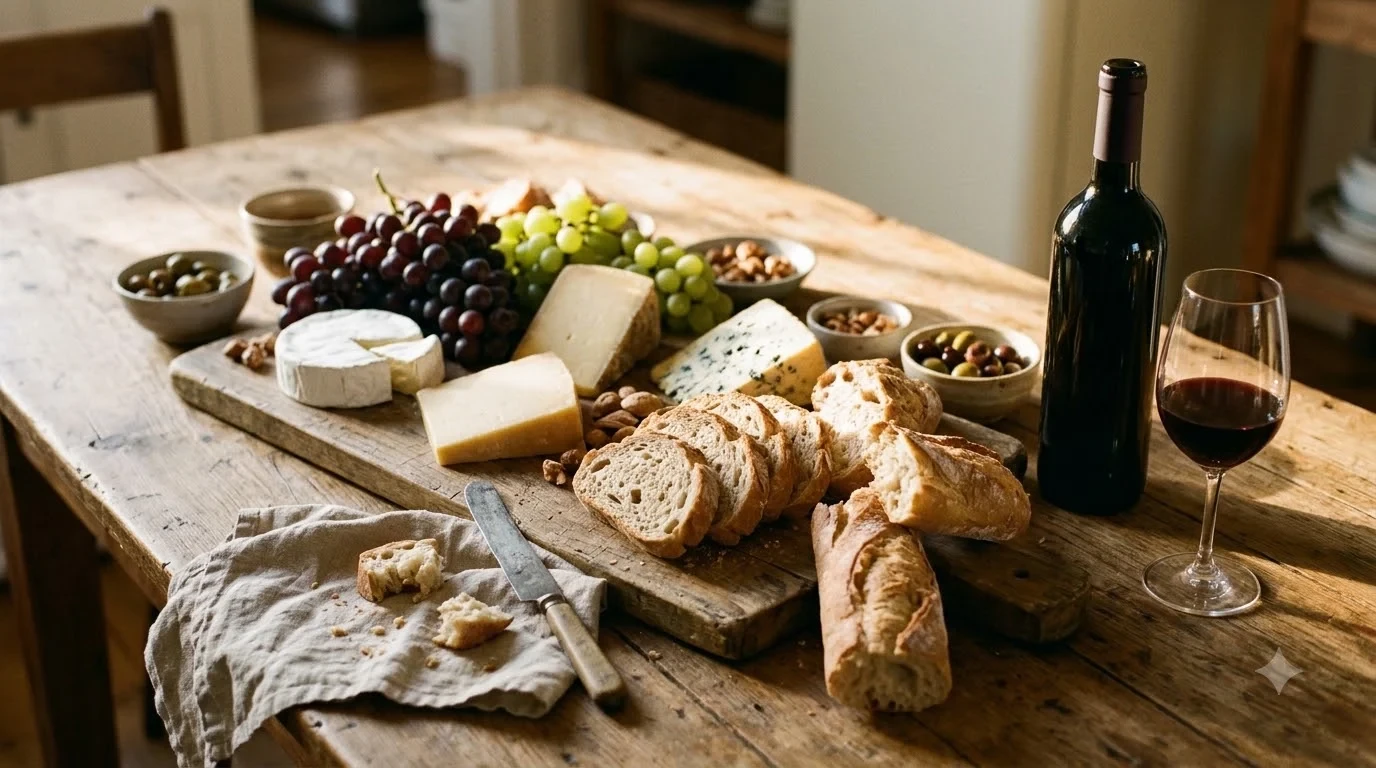

We may earn a commission when you buy through links on this page, at no extra cost to you. Learn more.
19 Crimes red wine is built on a convict-era theme and a line of bold, approachable reds, including Cabernet Sauvignon and several red blends. Each bottle is sealed with a cork that names one of 19 crimes that could once have earned a person banishment to Australia. This guide explains the brand story, the main red styles, and how to serve and pair them.
Shoppers often notice 19 Crimes on the shelf because of its label design and its story, which is unusual for a mass-market wine. The reds range from a straightforward Cabernet Sauvignon to blends with names drawn from the brand’s theme. This page helps you understand what the reds have in common, how they differ, and how to pick one for dinner. For a broader look at other labels, the wine brands guide covers a range of producers.
The Brand Story Behind the Reds
According to the brand’s website, 19 Crimes is built on the idea of “Punishment by Transportation.” Each bottle contains one of 19 corks, and each cork names a crime that could once have earned a person banishment. The site sets the story in the Industrial Revolution, when cities were crowded, prisons were full, and petty crime was rising. After the American Revolution blocked transportation to America, banishment to Australia became the alternative.
That story is more than decoration. It gives the line a clear identity, and it explains why the names on the front of the bottles, such as The Warden and The Uprising, sound like chapters from a prison-era history. For buyers, the theme is a conversation starter, but the wine inside still needs to be judged on taste, style, and how well it suits the meal.
The Main Red Styles
The brand’s website lists several reds that differ in structure and character. The 19 Crimes Cabernet Sauvignon is the most direct option for people who like a classic varietal, with the grape’s typical dark fruit and firm structure. Blends such as The Uprising Red Blend and The Warden Red Blend are the next step for drinkers who want a softer, rounder glass.
The site also lists a Universal Monsters Frankenstein Cabernet Sauvignon, a themed bottle that keeps the cabernet base but carries a different label and promotion. A product called The Banished Dark Red appears on the same page, although the site does not name its grape. Because the names change and new releases appear, always read the front and back labels to confirm the grape, the blend, and the vintage before you buy.
| Style on the brand’s site | What it suggests | Good for |
|---|---|---|
| 19 Crimes Cabernet Sauvignon | Classic varietal with dark fruit | Steak, burgers, hearty dinners |
| The Uprising Red Blend | Blend style, typically softer | Everyday drinking, mixed plates |
| The Warden Red Blend | Blend style, rounder finish | Casual gatherings |
| Universal Monsters Frankenstein Cabernet Sauvignon | Cabernet base, themed label | Gifts and tasting nights |
| The Banished Dark Red | Dark red, grape not stated | Check the back label |
How to Serve a 19 Crimes Red
Serve the red slightly cooler than room temperature. A Cabernet Sauvignon can handle a little more warmth than a light red, but a short stay in the refrigerator before pouring keeps the fruit lively and the tannins from feeling harsh. Use a standard red wine glass so the aromas can gather.
Decanting is optional for most bottles on this list. A brief pour into a decanter or a wide glass helps a young cabernet open up, but it is not essential for a casual weeknight. Once opened, recork the bottle and keep it cool, and finish it within a few days for the best fruit.
Food Pairings for the Reds
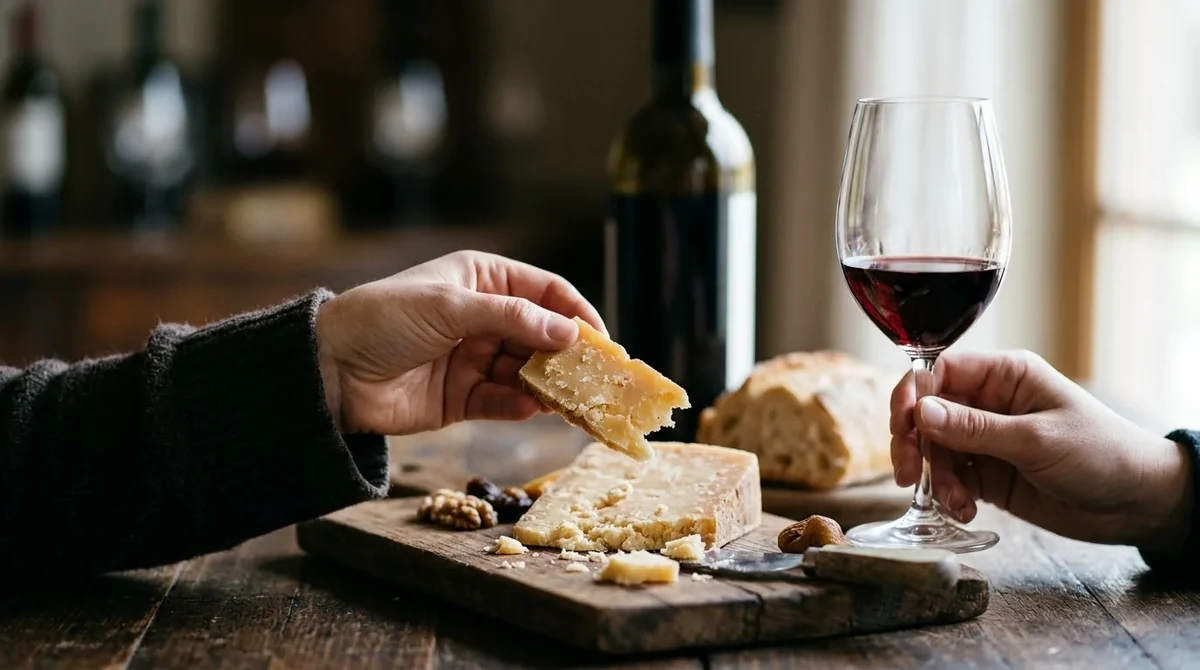
Cabernet-style reds like the brand’s Cabernet Sauvignon pair well with grilled meats, beef stew, and aged cheeses. The firmer structure stands up to fat and char. A customer review quoted on the brand’s Frankenstein Cabernet product page says the wine pairs well with steak, which fits this general pattern.
Blends tend to be easier to match. Pizza, pasta with tomato sauce, roasted chicken, and barbecue are all reasonable choices. Avoid very spicy dishes with the bolder reds, because heat can make a fruit-forward wine taste flat and a tannic wine taste harsher.
How to Choose Between the Reds
If you want a red with more structure and a longer finish, start with the Cabernet Sauvignon. If you prefer something that is easier to drink on its own, a red blend is usually the better pick. The label should always say the grape or blend, and that information matters more than the theme name when you compare two bottles.
Plan for the occasion as well. A themed bottle works well as a gift or a conversation piece. For a regular dinner, buy the style you already enjoy, because the brand’s names can vary from one shelf to the next and retailers may stock different releases at different times.
Tip: Compare two reds side by side with the same meal. The one that tastes better with food is usually the right choice for your table.
Reading the Label and Choosing a Style
A themed label can make the wine feel more distinctive, but the back label still does the real work. Look for the grape or blend, the vintage, the appellation or region, and the alcohol by volume. Those details tell you how the wine is built. A single-varietal Cabernet Sauvignon will usually show a clearer grape identity than a blend, while a blend may list several varieties and a regional origin that describes the mix.
Think about the palate you enjoy. If you like firm, structured reds with a longer finish, a Cabernet Sauvignon is the more natural choice. If you prefer something rounder and easier to pour, a red blend is often more comfortable. Some drinkers like to try one of each in the same week and note which one they reach for on their own.
Price is a practical consideration as well. The brand’s website lists prices on its product pages, but those figures can change and vary by retailer, so compare the bottle you see on the shelf rather than relying on a single listed figure. Check the label, confirm the style, and then decide whether the bottle fits your budget and your meal.
Finally, consider the occasion. A themed gift is a good match for a bottle with a memorable story, while a weeknight pour benefits from a reliable style you already know. Matching the wine to the moment usually matters more than chasing a specific name.
Frequently Asked Questions
Is 19 Crimes red wine a Cabernet Sauvignon?
The brand offers a 19 Crimes Cabernet Sauvignon, and it also lists several red blends and themed cabernets. Check the back label of the specific bottle to confirm the grape or blend.
What does the 19 Crimes name mean?
The brand is built on the idea of punishment by transportation. Each bottle carries a cork naming one of 19 crimes that could have led to banishment to Australia, which is the theme behind the label.
What food goes best with 19 Crimes reds?
Grilled steak, beef stew, and burgers suit the Cabernet Sauvignon. Blends work with pizza, pasta, and roasted chicken. Avoid very spicy food with the bolder reds.
Should I decant a 19 Crimes red?
Decanting is not required. A short pour into a wide glass can help a young cabernet open up, but most casual bottles taste fine straight from the bottle.
A 19 Crimes red suits a relaxed dinner, a themed gift, or a steady everyday pour. Start with the style you know, read the back label, and pair it with a simple meal to judge the wine. If you are also comparing other brands, the 19 Crimes white wine guide and the 14 Hands red wine guide show how the category differs across producers. The brand’s own site, 19crimes.com, is the best place to check current releases.
More in Wine Brands
 Underwood Wine Price: Compare Bottles, Cans, and Pack SizesUpdated Nov 21, 2026
 Zenato Wine Price: Compare Styles and Choose the Right BottleUpdated Nov 21, 2026
 Zuccardi Wine Price: Compare Bottles and Find the Right RangeUpdated Nov 21, 2026
 Yellow Tail Moscato Review: Taste, Sweetness and Serving TipsUpdated Nov 21, 2026
 Wolf Blass Yellow Label Review: Choose Your Best StyleUpdated Nov 21, 2026
 Wolffer Estate Rose Review: Choose the Right Bottle for Your TableUpdated Nov 21, 2026