

We may earn a commission when you buy through links on this page, at no extra cost to you. Learn more.
19 Crimes white wine is the lighter side of a brand built on a convict-era story, and its whites are meant for easy, everyday drinking. The brand’s website lists Hard Chard as its clearest white option, and the same cork-and-crime theme appears across the range. This guide explains what the brand’s whites are, how they differ from the reds, and how to serve and pair them.
Many shoppers meet 19 Crimes through its reds, which tend to get the most attention. Yet the brand also sells whites, and buyers who prefer a crisp, lighter glass often want to know what to expect. This page walks through the brand’s story, the white styles the site shows, and practical tips for serving them. For a view of the reds, the 19 Crimes red guide covers the other side of the range.
The Brand Story and Why It Matters for Whites
The brand’s website explains that 19 Crimes is built on the idea of “Punishment by Transportation.” Each bottle contains one of 19 corks, and each cork names a crime that could once have earned banishment. The story is set in the Industrial Revolution, when prisons were overcrowded and petty crime was rising, and it traces how banishment moved to Australia after transportation to America was cut off.
The theme applies to the whites as well. It gives the line a consistent identity, so a white bottle from the brand is recognizable on the shelf. The story does not change how a wine tastes, though. A white should be judged on its fruit, acidity, and body, and on how it works with the food on your table.
The White Styles on the Brand’s Site
The clearest white listed on the brand’s website is Hard Chard. The name points to Chardonnay, but the site does not state the grape on its product listing, so check the back label before you buy. The site also has a white wines section, although the pages reviewed for this guide did not display individual white products within it.
Because the lineup can change, treat the brand’s whites as a category rather than a fixed list. Look for the grape, the vintage, and the alcohol content on the label. A Chardonnay-style white usually feels richer and rounder than a crisp Sauvignon Blanc or Pinot Grigio, so the grape you see on the label tells you more about the taste than the brand name does.
| Question | What to look for |
|---|---|
| Grape | Printed on the back label; the site’s Hard Chard name suggests Chardonnay |
| Body | Chardonnay-style whites feel fuller; lighter grapes feel crisper |
| Acidity | Higher acidity pairs better with fried or fatty foods |
| Serving | Chilled, but not ice cold |
How to Serve a 19 Crimes White
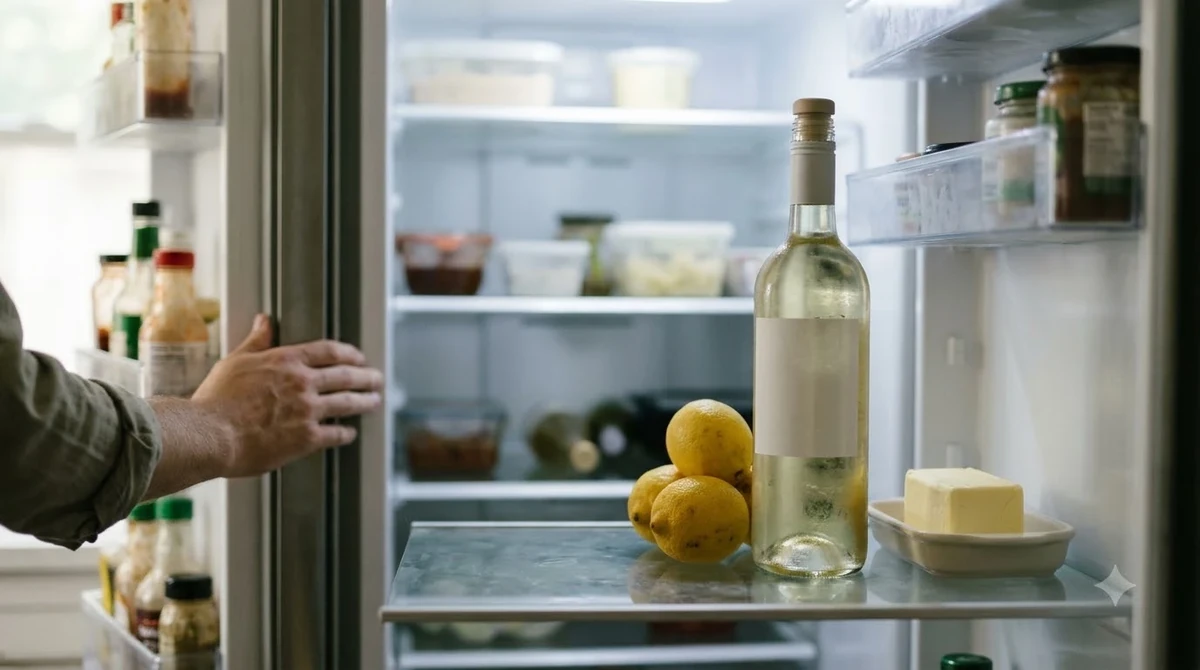
Serve the white chilled, but not ice cold. Very cold temperatures mute aromas and make the wine taste thinner. A short time in the refrigerator before serving is usually enough, and a white glass helps you judge the color and the aroma.
Temperature changes during the meal also matter. A white that starts well chilled will warm up in the glass over the course of a long dinner, which can bring out more aroma and softer fruit. If the room is warm, pour smaller glasses and return the bottle to the refrigerator between rounds, so the last glass tastes as fresh as the first.
Keep open bottles sealed and refrigerated. Whites lose their freshness faster than many reds once opened, so plan to finish the bottle within a few days. A small stopper or the original cork in the fridge works well for a casual evening.
Food Pairings for the Whites
A Chardonnay-style white pairs with roasted chicken, creamy pasta, grilled fish, and mild cheeses. The fuller body stands up to these dishes without overwhelming them. For a lighter white, seafood, salads, and vegetable dishes are better matches.
Spicy food is a common pitfall. Heat can make a white taste sharp or flat, so milder dishes work best. Salty snacks such as popcorn or roasted nuts pair nicely with most whites because the salt softens the wine’s acidity.

How to Choose a White for Your Table
Start with the meal. If you are cooking a creamy dish, pick a white with a rounder body. If you are serving lighter food, choose a crisper style and check the label for the grape. Compare two whites with the same dish to see which one you enjoy more.
Plan for the occasion too. A bottle from a themed brand works well as a gift or a casual conversation piece. For everyday drinking, buy the style you already know, because retailers stock releases differently and the exact product on the shelf may change over time.
Tip: Taste the white slightly cooler than you would a red, then let it warm for a few minutes in the glass. The aromas will open up as it warms.
Building a Simple White Wine Routine
A good white for the table does not need to be complicated. Many home cooks keep one fuller, rounder white for creamy dishes and one crisper, lighter white for salads, seafood, and warm-weather meals. A brand’s Chardonnay-style white fits the first slot well, because the fuller body can hold up to richer sauces and roasted proteins.
The second slot is where a lighter white earns its place. Crisp whites with brighter acidity clean the palate between bites of fried food or creamy pasta, which is why they are often the better choice for an aperitif. If you are unsure which style you want, buy a single bottle, serve it with a simple meal, and notice whether the wine lifts the food or gets lost beside it.
Storage matters more for whites than many people expect. Keep unopened bottles in a cool, dark spot. Once opened, reseal the wine, refrigerate it, and aim to finish it within a few days. Whites lose their fresh fruit and crispness faster than many reds, so smaller bottles or a half-finished bottle used in cooking can help avoid waste.
Cooking with white wine is another practical use. A splash in a pan sauce, risotto, or steamed mussels adds acidity and aroma. Use a white you would be happy to drink, since the flavors concentrate as the sauce reduces. A bottle that tastes flat in the glass will taste flat in the pan too.
Frequently Asked Questions
Is Hard Chard a Chardonnay?
The name suggests Chardonnay, but the brand’s site does not state the grape on the product listing. Check the back label of the bottle to confirm the grape before you buy.
How should I serve a 19 Crimes white?
Serve it chilled but not ice cold. A short time in the refrigerator before pouring is usually enough to bring out the fruit without muting the aroma.
What food goes with 19 Crimes white wine?
Roasted chicken, creamy pasta, grilled fish, and mild cheeses suit a Chardonnay-style white. Lighter whites go well with salads and seafood.
How long does an opened white last?
Keep it sealed and refrigerated. Whites tend to lose freshness faster than many reds, so plan to finish the bottle within a few days.
A 19 Crimes white works well for a casual dinner, a light lunch, or a relaxed evening with friends. Check the grape on the label, serve it chilled, and match it to a meal you already enjoy. To compare other brands in the same category, read the 14 Hands red wine guide, and for the brand’s current releases, visit 19crimes.com.
More in Wine Brands
 Underwood Wine Price: Compare Bottles, Cans, and Pack SizesUpdated Nov 21, 2026
 Zenato Wine Price: Compare Styles and Choose the Right BottleUpdated Nov 21, 2026
 Zuccardi Wine Price: Compare Bottles and Find the Right RangeUpdated Nov 21, 2026
 Yellow Tail Moscato Review: Taste, Sweetness and Serving TipsUpdated Nov 21, 2026
 Wolf Blass Yellow Label Review: Choose Your Best StyleUpdated Nov 21, 2026
 Wolffer Estate Rose Review: Choose the Right Bottle for Your TableUpdated Nov 21, 2026