

We may earn a commission when you buy through links on this page, at no extra cost to you. Learn more.
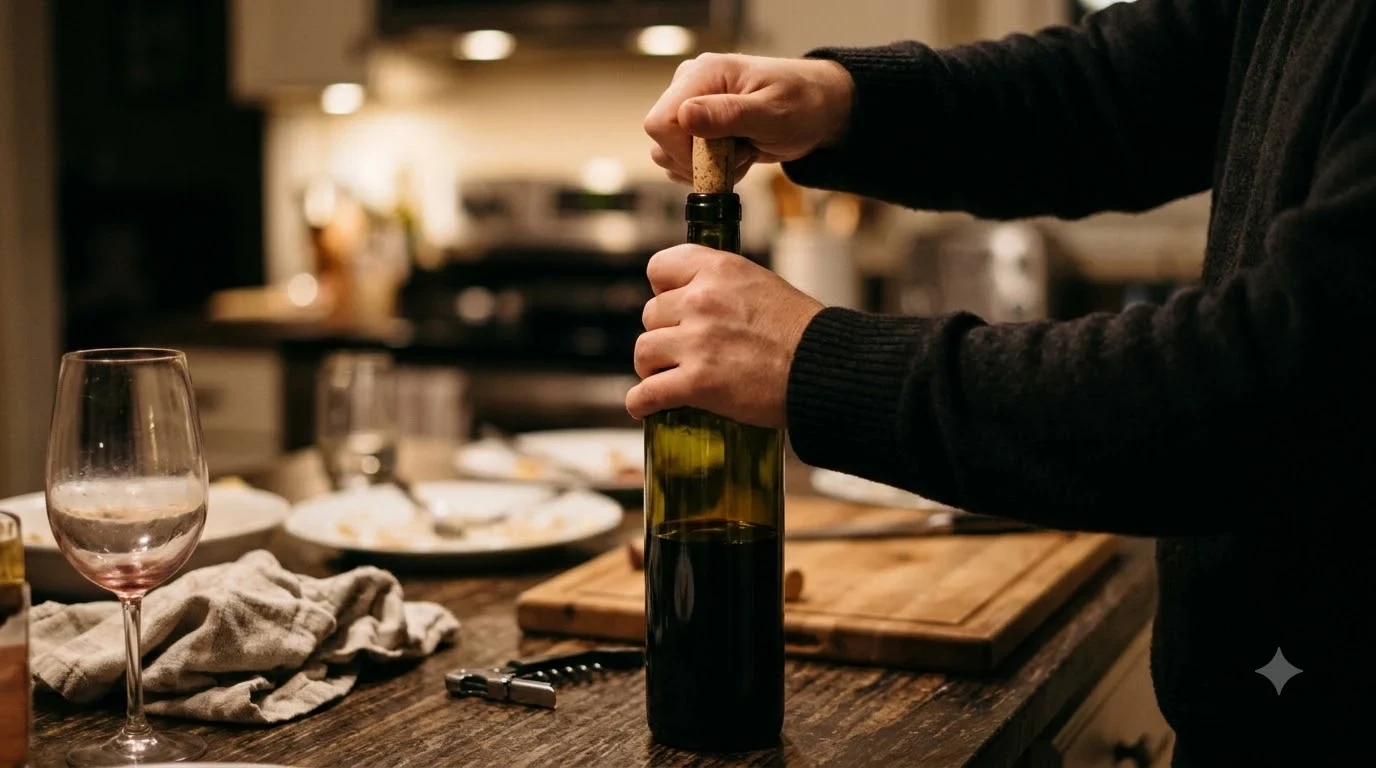
This fetzer wine review finds that Fetzer is a practical choice for approachable California wines, particularly for drinkers seeking familiar grape varieties, fruit-forward flavors, and versatile everyday food pairings. Its portfolio includes Chardonnay, Cabernet Sauvignon, Merlot, Pinot Grigio, Riesling, Sauvignon Blanc, Gewürztraminer, and Reserve Port. The best bottle depends on whether you prefer crisp whites, aromatic off-dry wines, softer reds, or fuller-bodied options.
Fetzer has a long-established presence in American wine and offers a straightforward way to explore several familiar styles without starting with complicated regional classifications or unfamiliar grape varieties. Its wines are generally positioned around accessibility and everyday enjoyment rather than elaborate cellar aging. This guide examines the portfolio, explains how the varieties differ, and provides practical advice for choosing, serving, and storing a bottle that suits your preferences.
Who This Is For: Understanding Fetzer’s Everyday Wine Appeal
Fetzer is worth considering if you want recognizable California grape varieties, approachable flavor profiles, and wines that can accompany ordinary meals. Its range covers several different styles, so choosing a bottle based on your preferred sweetness, acidity, and body is more useful than treating the entire brand as one consistent wine.
The Fetzer family founded the California wine brand in 1968. Its history is part of its appeal for shoppers looking for an established American producer rather than an unfamiliar label. Viña Concha y Toro USA identifies Fetzer as a California brand focused on approachable wines, flavor, consistency, and value. The company also describes its portfolio as suitable for different occasions, from casual meals to gatherings.
The brand is particularly relevant to beginners because its portfolio includes familiar names such as Chardonnay, Cabernet Sauvignon, Merlot, and Pinot Grigio. These varieties provide useful starting points for understanding the differences between white and red wine. Someone who already enjoys Sauvignon Blanc, for example, can use Fetzer’s Sauvignon Blanc as a familiar reference point before exploring more distinctive white wines such as Gewürztraminer.
Fetzer can also suit experienced drinkers who want an uncomplicated bottle for a weeknight dinner, a picnic, or an informal gathering. However, shoppers looking for highly distinctive vineyard expressions, rare bottlings, or complex cellar-worthy wines may want to explore other producers and more specialized collections.
The brand’s sustainability commitments are another reason some shoppers consider it. Fetzer identifies itself as a certified B Corporation and describes environmental and social responsibility as part of its business practices. Those credentials provide additional context for evaluating the producer, although certification should not be confused with a guarantee that every bottle will match an individual’s preferred taste.
For readers exploring producers beyond California, the broader Wine Brands category offers another starting point for comparing different winemaking approaches and regional identities.
Key Factors to Compare Before Buying Fetzer Wine
The most important buying considerations are grape variety, sweetness, acidity, body, and intended food pairing. Fetzer’s portfolio includes eight named wine selections, and their differences are significant enough that selecting by grape variety makes a more reliable decision than choosing by label appearance alone.
Start by deciding whether you want red, white, or fortified wine. Then consider how much fruit character, sweetness, and acidity you enjoy. A person who likes refreshing wines with citrus flavors may prefer Pinot Grigio or Sauvignon Blanc, while someone who enjoys aromatic fruit and a little residual sweetness may find Gewürztraminer more appealing.
The following table summarizes the principal options in Fetzer’s published portfolio. The flavor and structure descriptions reflect typical characteristics of the grape varieties rather than guarantees about every vintage or bottling.
| Fetzer wine | Typical style | Key characteristics | Good food matches |
|---|---|---|---|
| Gewürztraminer | Off-dry white | Floral aromas, peach, apricot, aromatic fruit | Spicy curry, roasted chicken, savory snacks |
| Chardonnay | Medium-bodied white | Apple, citrus, possible creamy or richer notes | Roast chicken, seafood, creamy pasta |
| Pinot Grigio | Light-bodied white | Fresh fruit, citrus, refreshing acidity | Sushi, salads, grilled fish |
| Riesling | White, sweetness varies | High acidity, citrus, orchard fruit | Asian takeout, spicy dishes, pork |
| Sauvignon Blanc | Light to medium-bodied white | High acidity, citrus, green fruit | Tacos, goat cheese, salads |
| Merlot | Medium-bodied red | Softer tannins, plum, red and dark fruit | Pizza, burgers, roasted vegetables |
| Cabernet Sauvignon | Full-bodied red | Dark fruit, firm tannins, structure | Burgers, steak, grilled beef |
| Reserve Port | Fortified wine | Sweet, concentrated fruit character | Blue cheese, chocolate desserts, nuts |
These categories are useful because they help identify the broad experience you can expect from each grape. Cabernet Sauvignon generally has higher tannin than Merlot, while Pinot Grigio and Sauvignon Blanc tend to provide a fresher white-wine experience. Gewürztraminer stands apart because its aromatic character and off-dry style make it particularly suitable for meals with noticeable spice.
Sweetness deserves special attention. Dry wine contains little perceptible sweetness, while off-dry wine has a noticeable but restrained sweet impression. A wine can still feel refreshing when it has some sweetness because acidity balances the fruit character. Fetzer’s Gewürztraminer is a useful example of this relationship.
Body is another practical distinction. Light-bodied wines generally feel less weighty on the palate, while full-bodied wines have a richer, more substantial texture. If you enjoy light white wines but find heavily structured reds tiring, starting with Pinot Grigio or Sauvignon Blanc is a sensible approach.
Tip: If you are uncertain which Fetzer wine to choose, begin with the food. Pick Gewürztraminer for spicy dishes, Sauvignon Blanc for fresh and acidic meals, Merlot for pizza, or Cabernet Sauvignon for a richer beef dish. Food pairing often makes the selection easier than trying to interpret every tasting note.
Step-by-Step: How to Choose the Right Fetzer Bottle
A simple selection process helps prevent mismatches between your preferred flavor profile and the wine you purchase. Use these six steps to narrow the portfolio down to a bottle that makes sense for your meal and drinking preferences.
-
Decide between red and white.
Begin with the overall style you enjoy. Choose a white if you prefer freshness, citrus, orchard fruit, or floral aromas. Select a red if you prefer darker fruit, more structure, and a fuller mouthfeel. Reserve Port is a separate option for people who want a sweeter, fortified style.
-
Determine your sweetness preference.
If you prefer dry wine, begin by considering Pinot Grigio, Sauvignon Blanc, or a suitable Chardonnay. If you enjoy a softer, off-dry experience, look at Gewürztraminer. Riesling can also be worth exploring, but its sweetness can vary, so identify the particular style before choosing.
-
Consider acidity and body.
High-acidity wines such as Sauvignon Blanc and Riesling are useful with bright, tangy dishes. Chardonnay generally has medium acidity, while Cabernet Sauvignon offers more tannin and structure. Someone who prefers a softer red may find Merlot a more comfortable starting point.
-
Match the wine to your meal.
Think about the main ingredient and the strongest flavor in the dish. Spicy curry is a natural opportunity to try Gewürztraminer, while burgers and steak can work with Cabernet Sauvignon. Pinot Grigio is a practical option for lighter seafood dishes, particularly when the preparation includes citrus or herbs.
-
Consider the occasion.
For an informal gathering, choose a versatile white or red that works with several dishes. A bottle of Sauvignon Blanc can suit a fresh appetizer spread, while Merlot can accompany pizza and roasted vegetables. If you are serving dessert, a sweet fortified wine such as Reserve Port may make more sense.
-
Choose the appropriate bottle size and serving plan.
A standard 750 ml bottle provides approximately five conventional 5 oz pours. That makes it a practical quantity for a small gathering. If you are serving several wine styles, plan the order so lighter whites generally come before fuller reds.
When comparing individual bottles, look beyond the grape name. The region, vintage, alcohol level, and winemaking approach can all influence the finished wine. For instance, Fetzer’s official Gewürztraminer page identifies California as its appellation and lists 12% alcohol by volume. Its producer tasting description also emphasizes peach, apricot, rose petal, and honeysuckle.
Readers specifically interested in that aromatic white can find additional information in this Fetzer Gewürztraminer wine overview. It is a useful next step if you are deciding whether an off-dry wine suits your palate.
Types and Styles Explained Across the Fetzer Portfolio
Fetzer’s range is broad enough to cover several everyday drinking preferences, but the varieties should not be treated as interchangeable. Understanding their typical structure and flavor helps you make a more confident choice, particularly if you are moving between red, white, and sweet wine.

Gewürztraminer: Aromatic and Off-Dry
Gewürztraminer is one of the more distinctive choices in the Fetzer portfolio. Its official product description highlights honeyed apricot and peach flavors alongside rose petal and honeysuckle aromas. The producer describes the wine as crisp and suitable for both spicy food and casual sipping.
The official listing gives the California Gewürztraminer an alcohol level of 12%. It also identifies spicy curries, roasted chicken, and savory snacks as suitable food pairings. This makes the wine particularly useful for meals in which a very dry, sharply acidic white might feel less accommodating.
Its off-dry character is important. Rather than tasting like a dessert wine, it offers a balance between fruit sweetness and refreshing acidity. This combination can work especially well with moderately spicy Asian dishes, aromatic herbs, and savory preparations.
Chardonnay: A Versatile White for Meals
Chardonnay is generally more flexible than its reputation sometimes suggests. Depending on how it is produced, Chardonnay can show citrus, apple, pear, creamy textures, or richer fruit characteristics. Its typical acidity is medium, making it suitable for a range of foods without necessarily dominating the plate.
Fetzer positions Chardonnay as a wine for snacks and casual occasions. It can be a reasonable choice for roasted chicken, vegetable pasta, and seafood dishes with moderate richness. If you prefer a white wine that does not have the strongly aromatic profile of Gewürztraminer, Chardonnay is worth considering.
Pinot Grigio: Light and Refreshing
Pinot Grigio is a natural starting point for drinkers who prefer lighter white wines. It typically emphasizes fresh fruit and citrus, with a relatively light body and an uncomplicated finish. It is particularly suitable for people who want a refreshing glass before dinner or alongside a lighter meal.
Fetzer connects Pinot Grigio with sushi in its portfolio presentation. That pairing makes sense when the preparation is clean and delicate, such as vegetable rolls or simply prepared seafood. Avoid heavily tannic reds with oily fish because their structure can create an unpleasant combination.
Riesling: Fresh Acidity and Fruit
Riesling is known for its high acidity and aromatic fruit character. Depending on its sweetness level, it can range from dry and crisp to distinctly sweet. This makes it one of the more adaptable white grape varieties for meals with contrasting flavors.
Fetzer associates Riesling with takeout. It can work with dishes containing ginger, citrus, savory sauces, and moderate chili heat. However, the exact sweetness level matters. A sweeter Riesling generally handles noticeable spice more comfortably than a very dry white.
Sauvignon Blanc: Bright and Zesty
Sauvignon Blanc typically has high acidity, with citrus, green fruit, and sometimes herbal characteristics. It is a useful choice when you want a lively white that can cut through moderately rich food and complement fresh ingredients.
Fetzer suggests pairing Sauvignon Blanc with tacos. This is particularly sensible for preparations featuring lime, cilantro, grilled vegetables, or fish. The wine’s acidity can complement the dish’s citrus elements and help refresh the palate between bites.
Merlot: Softer Red Wine Structure
Merlot is usually a medium-tannin red with a softer structure than Cabernet Sauvignon. Plum and other dark fruit characteristics are common, and its relatively approachable texture makes it a useful option for drinkers who do not want an especially firm red.
Fetzer connects Merlot with pizza. The combination is practical because the wine’s fruit character can complement tomato sauce, while its moderate tannin is generally easier to manage than a more heavily structured red. It can also work with roasted vegetables and casual meat dishes.
Cabernet Sauvignon: Fuller Body and More Tannin
Cabernet Sauvignon is the fuller-bodied red option in the core Fetzer selection. Its typical profile includes dark fruit and higher tannin, giving it more structure than Merlot. This makes it particularly suitable for people who prefer a substantial red alongside grilled or roasted meat.
Fetzer recommends Cabernet Sauvignon with burgers. It is also a logical match for steak and other protein-rich dishes. Salt and fat can soften the perception of tannin, which explains why structured reds often work better with rich meat preparations than with delicate seafood.
Reserve Port: A Different Drinking Occasion
Reserve Port belongs in a different category from the table wines. Port is fortified, and its sweeter, concentrated style is generally more appropriate for dessert, cheese, or after-dinner sipping than for an ordinary main course.
Consider it with blue cheese, nuts, or chocolate-based desserts. The key pairing principle is that the wine should be at least as sweet as the dessert. Otherwise, the wine can seem less fruity and more acidic after each bite.
For a closer look at the full white-wine selection, the Fetzer white wine overview provides another useful starting point for comparing the brand’s different white varieties.
Common Mistakes When Buying and Pairing Fetzer Wines
The most common mistakes involve assuming all white wines are dry, choosing reds without considering tannin, and serving bottles at unsuitable temperatures. A few straightforward adjustments can make a noticeable difference to how the wines perform with food.
Assuming every white wine tastes the same: Gewürztraminer, Pinot Grigio, Chardonnay, Riesling, and Sauvignon Blanc have different aromatic profiles and levels of acidity. An off-dry Gewürztraminer is not a direct substitute for a crisp Sauvignon Blanc. If you are buying for someone who dislikes sweetness, pay particular attention to the wine’s style rather than its color.
Confusing fruitiness with sweetness: A wine can smell strongly of peach, apple, pineapple, or mango while still being dry. Aromas do not automatically indicate residual sugar. This is particularly important with aromatic varieties such as Riesling and Gewürztraminer.
Serving white wine too warm: White wines can lose some of their refreshing character when served too warm. Light whites and rosé are generally best around 45–50°F, while fuller whites such as richer Chardonnay styles are better around 50–55°F. A chilled bottle should be cool rather than so cold that its aromas become difficult to detect.
Serving red wine too warm: Many people serve full-bodied reds at room temperature, but modern indoor temperatures can be warmer than ideal. Light reds generally benefit from 55–60°F, while full-bodied reds are better around 60–65°F. A short period in the refrigerator can help if the room is particularly warm.
Pairing high-tannin reds with delicate fish: Cabernet Sauvignon has substantial tannin, and oily fish can clash with tannic red wine. Pinot Grigio or Sauvignon Blanc is usually a more practical starting point for seafood. For richer fish preparations, a suitable Chardonnay can also work.
Pairing dry wine with very sweet desserts: A dry white or red may taste noticeably sharper after a sugary dessert. Choose a wine at least as sweet as the food. Reserve Port is a more logical direction for chocolate desserts or other rich sweets than a dry Cabernet Sauvignon.
Ignoring chili heat: Alcohol and tannin can amplify the sensation of chili heat. A strongly structured Cabernet Sauvignon may therefore be uncomfortable with very spicy food. An off-dry Gewürztraminer or an appropriately sweet Riesling is often a more comfortable pairing.
Buying only by grape name: Two wines made from the same grape can differ in sweetness, acidity, alcohol, and winemaking style. Use the producer’s descriptions and the bottle’s information to identify the style you actually want rather than assuming every Gewürztraminer or Chardonnay will taste identical.
Care and Storage Tips for Preserving Fetzer Wine
Good storage and serving practices help preserve a wine’s intended character. For most Fetzer bottles, the priority is avoiding excessive heat, sunlight, and large temperature fluctuations rather than attempting elaborate cellar management.
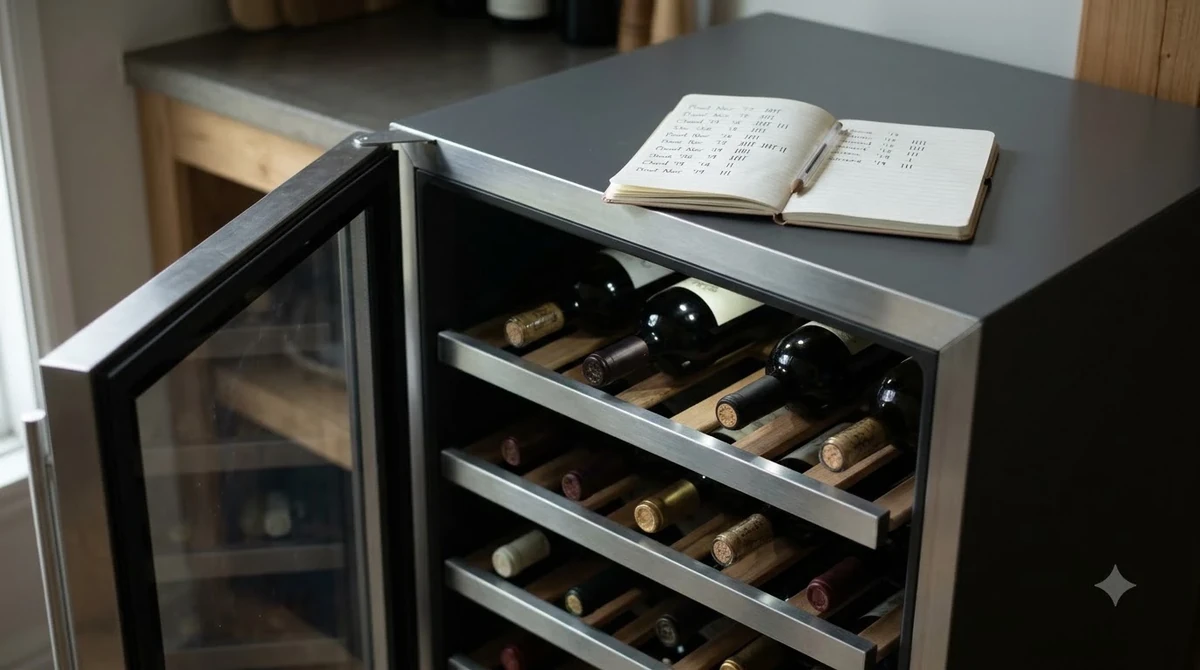
For unopened bottles, a cool, dark location near 55°F is a useful storage target. Store bottles on their sides when they have traditional cork closures, helping keep the cork in contact with the wine. Avoid placing wine beside ovens, radiators, sunny windows, or appliances that generate substantial heat.
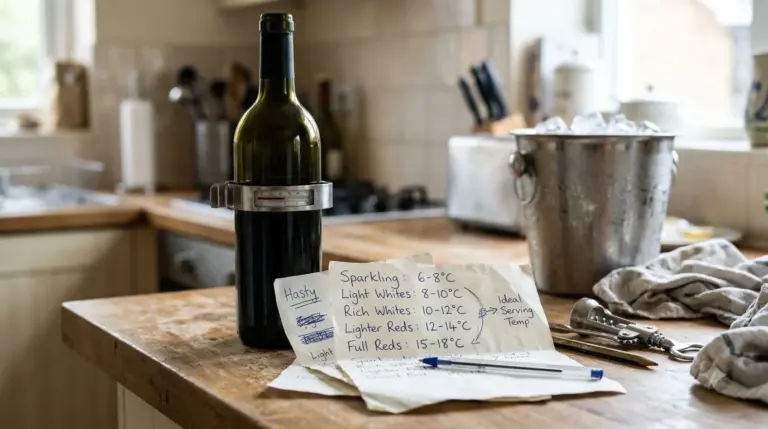
White wines generally benefit from chilling before serving. Use the following temperature ranges as a practical reference:
- Sparkling wine: 40–50°F.
- Light whites and rosé: 45–50°F.
- Fuller-bodied whites: 50–55°F.
- Light reds: 55–60°F.
- Full-bodied reds: 60–65°F.
- Sweet whites: 43–50°F.
For Fetzer’s aromatic Gewürztraminer, serving it cool rather than ice-cold helps maintain its floral and stone-fruit aromas. A temperature around 45–50°F is a useful starting point. If the wine seems too restrained straight from the refrigerator, allow it to warm slightly in the glass.
Red wines generally do not need to be served warm. A Merlot can be enjoyable around 55–60°F, while Cabernet Sauvignon generally benefits from approximately 60–65°F. These temperatures preserve freshness while allowing the fruit and structure to show more clearly.
Opening and preserving a bottle also requires some attention. Once opened, still wines generally remain in reasonable condition for approximately 3–5 days when refrigerated and properly resealed. Sparkling wines generally last around 1–3 days with an appropriate sparkling-wine stopper. Fortified wines such as Port can often remain enjoyable for several weeks, depending on their style and storage conditions.
Keep opened white and red wines in the refrigerator, including red wine. Cold storage slows oxidation and helps preserve freshness. Before serving a refrigerated red, allow it to warm toward its recommended drinking temperature rather than leaving it out for an extended period.
Decanting is not essential for every bottle. Young, full-bodied reds can benefit from approximately 30–60 minutes of aeration, but lighter wines generally need less intervention. For an everyday Merlot or Cabernet Sauvignon, taste a small pour first and decide whether additional aeration improves the experience.
Fetzer’s sustainability practices also provide useful background for shoppers interested in how a winery manages its operations. The producer describes its use of renewable electricity, wastewater treatment, and waste diversion in its official sustainability information. Its description of the winery’s TRUE Zero Waste Certification specifically states that more than 90% of waste is diverted away from landfill.
Frequently Asked Questions
Is Fetzer wine vegan-friendly?
Vegan suitability depends on the individual wine and the fining materials used during production. The general brand descriptions do not establish that every Fetzer bottling is vegan-certified. Contact the producer about the specific wine if avoiding animal-derived processing aids is important to your purchase.
Does Fetzer make organic wine?
Fetzer and Bonterra are distinct wine brands within the wider California portfolio associated with the same business group. Bonterra is particularly identified with organic and regenerative farming, while Fetzer’s own sustainability information emphasizes its B Corporation certification and operational practices. Do not assume that every Fetzer wine is certified organic simply because of the producer’s broader environmental commitments.
What is the difference between Gewürztraminer and Riesling?
Gewürztraminer is particularly recognized for floral aromas such as rose and lychee-like fruit characteristics, while Riesling is especially associated with high acidity and citrus or orchard-fruit flavors. Both varieties can be made in off-dry or sweeter styles. Their aromatic profiles are different enough that someone who enjoys one may still prefer the other for particular meals.
Can Fetzer wine be used for cooking?
Suitable dry Fetzer whites can be used in dishes such as risotto, seafood sauces, and pan sauces, while dry reds can contribute flavor to braises and tomato-based preparations. Avoid using an off-dry wine in a savory recipe unless its sweetness is appropriate for the sauce. Reserve Port is better suited to recipes involving reduced sweet sauces or desserts.
Does Fetzer offer large-format wine bottles?
Fetzer bottle formats can differ by variety and retailer. Large-format 1.5-liter bottles have appeared in retail listings for some Fetzer white wines, while standard 750 ml bottles are also available. Availability depends on the particular selection and the retailer serving your area.
Fetzer is a sensible brand to consider if you want approachable California wines across several familiar grape varieties. Gewürztraminer is a particularly interesting starting point for aromatic, off-dry white wine, while Pinot Grigio, Sauvignon Blanc, Merlot, and Cabernet Sauvignon offer alternatives for different meals and preferences. Choose according to sweetness, acidity, body, and food pairing, and you will have a much better chance of finding a bottle that suits the occasion.
More in Wine Brands
 Marchesi Antinori Wine Price: Compare Bottles by Style and TierUpdated Nov 21, 2026
 Marques De Riscal Wine Review: How to Choose the Right Spanish BottleUpdated Nov 21, 2026
 Lussory Wine Review: Choose the Right Alcohol-Free StyleUpdated Nov 21, 2026
 Marchesi Di Barolo Wine Price: Compare Bottles and Find Your FitUpdated Nov 21, 2026
 Louis Martini Wine Review: Choose the Right Napa Valley BottleUpdated Nov 21, 2026
 Mark West Chardonnay Price: What to Expect Before BuyingUpdated Nov 21, 2026