

We may earn a commission when you buy through links on this page, at no extra cost to you. Learn more.
This faustino wine review finds that Bodegas Faustino is a strong choice for drinkers interested in traditional Spanish Rioja, with options ranging from approachable everyday wines to carefully aged Gran Reserva bottles. Its Roman numeral labels make the range easier to understand: Faustino I represents the premium tier, Faustino V occupies the middle position, and Faustino VII provides an accessible introduction. The producer also makes white, rosé, and sparkling wines, so there is considerably more to explore than its familiar red Rioja.
Faustino is a recognizable name in Spanish wine, particularly among shoppers looking for Tempranillo-based Rioja. Its appeal comes from a combination of regional identity, oak ageing, traditional grape varieties, and a portfolio that covers several drinking occasions. However, choosing the right bottle requires understanding the differences between the labels. A young Faustino red and a mature Gran Reserva can deliver very different experiences, even though they share the same winery name.
Who Should Consider Faustino Wine?
Faustino is particularly suitable for wine drinkers who appreciate Spanish reds with recognizable fruit, savory complexity, and measured oak influence. Its range also accommodates people who prefer lighter white wines, refreshing rosés, or sparkling Cava rather than traditional red Rioja.

The winery is based in Oyón, in Rioja Alavesa, Spain. According to Bodegas Faustino, its winemaking tradition extends beyond 160 years, and its wines reach more than 140 countries. The producer also reports maintaining more than 60,000 barrels and approximately nine million bottles in its ageing facilities. These figures help explain why Faustino can offer both widely distributed wines and more mature selections.
Its traditional Rioja reds are especially relevant to drinkers who enjoy Tempranillo. This grape can produce wines with ripe cherry, plum, earthy characteristics, and moderate-to-firm tannins. Oak ageing can introduce additional impressions of vanilla, spice, tobacco, and toasted wood. The balance between fruit and ageing character depends on the individual wine and its production style.
Faustino is also worth considering if you are exploring Spanish wine for the first time. Instead of requiring knowledge of numerous unfamiliar regional producers, its Roman numeral system provides a relatively simple starting point. Faustino VII is the entry-level designation, Faustino V occupies the middle tier, and Faustino I identifies the flagship range.
However, the most prestigious designation is not automatically the right choice for every occasion. Someone looking for a straightforward weekday red might prefer a younger wine, while a drinker planning a special dinner could appreciate the additional complexity associated with Gran Reserva. The important distinction is the intended drinking experience rather than the assumption that every bottle should be approached in the same way.
For a broader overview of the producer’s portfolio, the Faustino wine range includes several styles beyond its best-known aged reds. Exploring the full selection is useful before deciding that Rioja necessarily means a full-bodied red wine.
Key Factors to Compare Before Choosing a Bottle
The most useful comparison points are the Faustino designation, wine color, grape variety, and ageing category. These four factors provide a practical way to narrow the selection without relying exclusively on the bottle’s appearance or reputation.
| Comparison factor | What to look for | What it means for the drinker |
|---|---|---|
| Faustino I | Premium designation | More developed Rioja with extended ageing |
| Faustino V | Middle designation | Traditional Rioja character with moderate ageing |
| Faustino VII | Entry designation | Approachable wines for everyday occasions |
| Crianza | At least 2 years of total ageing under Rioja regulations | Generally younger, fruit-forward Rioja |
| Reserva | At least 3 years of total ageing for red Rioja | Greater development and oak influence |
| Gran Reserva | At least 5 years of total ageing for red Rioja | More mature fruit, savory complexity, and developed structure |
| Tempranillo | Primary red grape | Cherry, plum, spice, and balanced structure |
| Viura | Traditional Rioja white grape | Fresh fruit, floral notes, and lively acidity |
The ageing figures in the table refer to the minimum total ageing requirements for the respective traditional Rioja red categories, not a claim that every Faustino bottle follows an identical maturation schedule. Rioja Crianza requires at least two years of ageing, including at least one year in oak barrels. Reserva requires at least three years, including at least one year in oak and six months in bottle. Gran Reserva requires at least five years, including at least two years in oak and two years in bottle.
These distinctions matter because ageing affects the relationship between fruit, acidity, tannin, and secondary aromas. A younger Crianza generally emphasizes fruit more directly, while a mature Gran Reserva can show dried fruit, leather, tobacco, earth, and more integrated oak. Longer ageing does not necessarily mean a wine tastes heavier or sweeter. It often means its components have had more time to develop together.
The grape composition is another important consideration. Tempranillo provides much of the recognizable Rioja character, while Graciano contributes acidity and aromatic intensity. Mazuelo, also known internationally as Carignan, can add tannin and freshness. For white wines, Viura is especially important because it can provide citrus-like fruit, floral character, and refreshing acidity. The producer explains these grape characteristics in its Rioja vineyard and grape variety overview.
Finally, consider the occasion. A bottle intended for a casual dinner with grilled vegetables does not necessarily need the extended development of a premium Gran Reserva. A formal meal featuring roast lamb or slow-cooked beef may offer a better opportunity to appreciate a more mature Rioja.
Step-by-Step: How to Choose Faustino Wine
Choosing Faustino becomes considerably easier when you start with the drinking occasion and work backward toward the bottle. Follow these five steps to identify a style that fits your preferences.
-
Decide whether you want red, white, rosé, or sparkling wine.
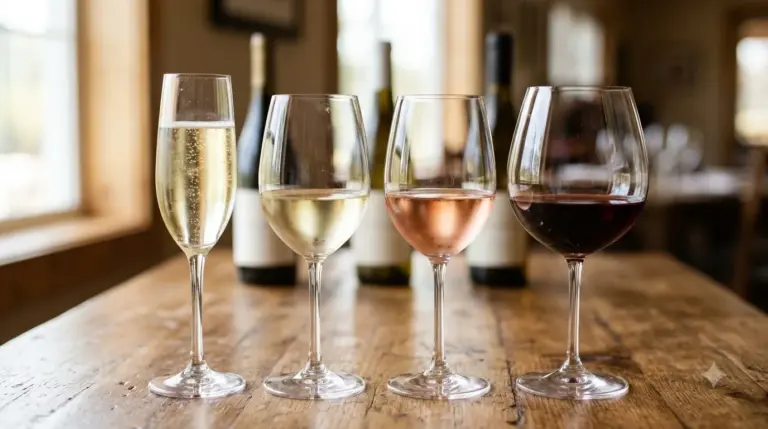
Start with the broadest decision. Choose a red if you enjoy Tempranillo and oak-influenced flavors, a white for fresher fruit and acidity, a rosé for a lighter food-friendly style, or Cava for a sparkling occasion. Faustino’s official portfolio includes all four categories.
-
Choose your preferred level of ageing.
For a younger and more accessible Rioja experience, begin with Crianza or an entry-level Faustino VII expression. For more developed oak and fruit character, consider Reserva. Choose Gran Reserva if you specifically want a mature Rioja with extended ageing and more complex savory characteristics.
-
Use the Roman numeral as a starting point.
Faustino I is the flagship designation, V is the middle tier, and VII is the entry tier according to Decanter’s Bodegas Faustino producer profile. This hierarchy is a useful shopping shortcut, although the actual ageing category and individual wine remain important. A Faustino VII white and a Faustino I Gran Reserva red should not be judged as though they serve the same purpose.
-
Match the wine to your preferred flavor profile.
If you enjoy cherry, plum, vanilla, and spice, investigate the traditional red Rioja selections. If you prefer citrus, floral aromas, and brighter acidity, consider Viura-based whites or Verdejo expressions. People who enjoy softer, less tannic wines may find rosé or white selections more suitable.
-
Consider the meal and serving conditions.
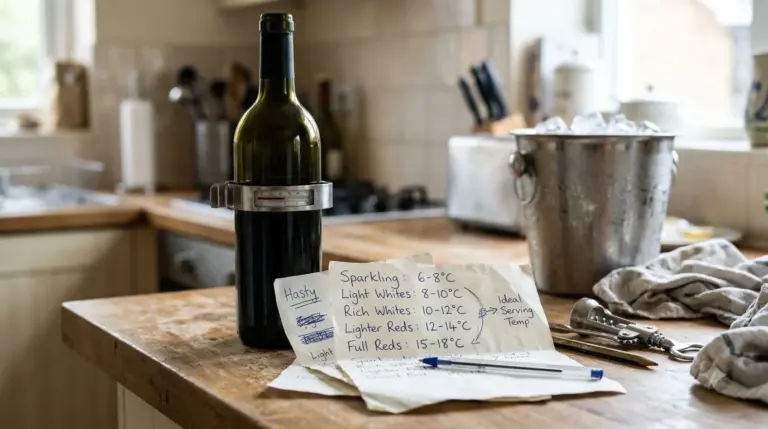
Choose a structured red for roast meats, a fresher white for seafood, or a rosé for lighter dishes. Serve full-bodied reds around 60 to 65 F and lighter whites around 45 to 50 F. Proper serving temperature can make a meaningful difference to the wine’s perceived balance.
It is also useful to distinguish between a wine’s prestige and its practical value. A flagship Gran Reserva may be a more interesting choice for someone studying mature Rioja, but a younger wine may be more enjoyable for someone who prefers direct fruit flavors. Neither preference is inherently better.
Tip: If you are unfamiliar with Faustino, start by comparing one Faustino VII red with a Faustino V Reserva before moving to Faustino I Gran Reserva. This progression makes it easier to recognize how Rioja ageing and the producer’s different designations influence the finished wine.
Faustino Wine Types and Styles Explained
Faustino offers several distinct categories, but its best-known identity comes from traditional Rioja reds. Understanding the main ranges helps shoppers distinguish approachable bottles from wines intended for more deliberate appreciation.
Faustino I: The Flagship Gran Reserva
Faustino I Gran Reserva is the producer’s signature wine and one of its most recognizable labels. The first Faustino I Gran Reserva was made from the 1958 harvest and entered the market in 1964. The producer explains that the name honors Faustino, an ancestor of the founding family.
Its traditional blend uses Tempranillo, Graciano, and Mazuelo. According to Decanter’s producer profile, the wine is generally composed of approximately 80% Tempranillo, with the remaining proportion coming from Graciano and Mazuelo. The exact composition can vary between vintages.
Its flavor profile can include ripe cherry, other mature red fruits, vanilla, cinnamon, tobacco, and cocoa. The producer also describes its structure as elegant, with good acidity and a developed finish. These characteristics make Faustino I particularly relevant to drinkers who enjoy traditional, oak-aged Rioja rather than youthful, uncomplicated red wine.
Decanter describes a minimum of 25 months in French and American oak barrels followed by at least three years of bottle ageing for Faustino I. This extended maturation helps explain why its character differs from a younger Crianza. It is a bottle to consider for a special meal or for exploring the more developed side of Rioja.
Faustino V: The Middle-Tier Selection
Faustino V occupies the middle position in the producer’s Roman numeral hierarchy. Its range includes red Reserva, rosé, Verdejo, and white wine selections. The red Reserva is particularly interesting for people who want a traditional Rioja style without beginning with the flagship Gran Reserva.
Decanter identifies Faustino V Reserva as a blend of Tempranillo and Mazuelo in its producer profile and describes an 18-month American oak ageing period for the wine discussed there. This provides a useful example of how the winery uses traditional Rioja grapes and oak to create a developed red wine.
Expect the red Reserva category to offer a balance between fruit and ageing character. Cherry and plum can remain present, while vanilla, spice, and more savory impressions may develop through maturation. The wine’s tannins and acidity can also make it a suitable partner for substantial meals.
Faustino VII: An Accessible Introduction
Faustino VII is the entry-level designation in Decanter’s description of the range. It is a sensible starting point for shoppers who want to become familiar with the producer before exploring its more developed wines.
The range is particularly broad. The producer lists Faustino VII red, rosé, white, semi-sweet white, Garnacha, Cabernet Sauvignon, and Sauvignon Blanc. This means shoppers can explore several grape varieties and sweetness levels without leaving the brand.
For someone who prefers straightforward fruit flavors, a younger Faustino VII red may be more suitable than a mature Gran Reserva. Its white and rosé selections also provide alternatives for lighter meals and warmer weather.
Art Collection and Special Selections
The Art Collection offers another route through the Faustino portfolio. Its listed selections include Reserva red, Crianza red, rosé, Verdejo, and a Viura-Chardonnay white blend. This range is useful for people interested in trying different wine styles rather than concentrating exclusively on traditional Rioja reds.
The producer also lists Legado Faustino wines, limited editions, and additional Gran Reserva selections. Faustino I Blanco Gran Reserva is particularly noteworthy because it demonstrates that the winery’s premium identity is not limited to red wine.
Cava and Sparkling Options
Faustino’s sparkling range includes Cava Brut, Cava Semi Seco, Cava Extra Seco, and an Art Collection Cava Brut. These provide different options for celebrations, aperitifs, and meals where sparkling wine is more suitable than still Rioja.
Cava follows the traditional method of secondary fermentation in the bottle. The sweetness terminology is important: Brut is drier than Extra Dry, while Semi Seco is noticeably sweeter than Brut. This distinction helps shoppers select a sparkling wine that matches their preference rather than assuming that all sparkling wines taste equally dry.
Overall, Faustino’s portfolio is broad enough to serve different occasions. The key is to select the individual style that matches the desired flavor, structure, and food pairing rather than assuming every product shares the characteristics of Faustino I.
Common Mistakes When Buying Faustino
The biggest shopping mistakes involve treating all Faustino labels as interchangeable, confusing Rioja ageing categories, and expecting every wine to taste like the flagship red. A little label knowledge prevents these misunderstandings.
Assuming Every Faustino Is a Red Gran Reserva
Faustino is strongly associated with aged red Rioja, but the producer makes substantially more than that. Its portfolio includes white wines, rosés, semi-sweet wines, Verdejo, Sauvignon Blanc, Cabernet Sauvignon, and Cava.
Someone searching specifically for a dry red Rioja should not automatically select a Faustino white or semi-sweet expression simply because the winery name is familiar. Identify the wine’s color and style before comparing the different designations. The dedicated Faustino red wine range is a useful starting point for shoppers who specifically want Tempranillo-based reds and other red expressions.
Confusing the Roman Numerals With Ageing Categories
Faustino I, V, and VII communicate the producer’s product hierarchy, but they are not substitutes for Crianza, Reserva, and Gran Reserva. These are separate pieces of information. The Roman numeral identifies the position of a product in the winery’s range, while the Rioja ageing designation describes a regulated production category.
This distinction is particularly important when comparing Faustino V Reserva with Faustino VII red. The former indicates a middle-tier product carrying a Reserva designation, while the latter is an entry-level label whose individual wine style must be identified separately.
Expecting Long Ageing to Mean Sweetness
Oak ageing can create impressions of vanilla, baking spice, caramel, and ripe fruit. These aromas may make a dry wine seem richer or sweeter, but they do not necessarily indicate residual sugar.
Faustino I Gran Reserva is a useful example of this distinction. Its producer-described flavor profile includes ripe fruit, vanilla, cinnamon, tobacco, and cocoa, but those characteristics should not be confused with a sweet dessert wine.
Ignoring Tannin and Acidity
Rioja reds can vary in tannin and freshness according to grape composition, vintage, and ageing. Tempranillo provides the main structure in many Faustino reds, while Mazuelo can contribute additional tannin and acidity. Graciano can also contribute freshness and aromatic intensity.
People who prefer very soft, low-tannin reds may find a more structured Reserva or Gran Reserva less approachable than a younger wine. Those who enjoy firm structure and savory complexity may appreciate the additional development.
Choosing a Wine Without Considering the Meal
A wine that works beautifully with roast beef may be less suitable for a delicate seafood dish. Tannic reds can overwhelm mild fish, while their structure generally works better with protein-rich dishes. Similarly, a wine with substantial acidity can be an excellent partner for dishes containing tomatoes, lemon, or vinaigrette.
For spicy food, avoid assuming that a powerful red will automatically be the best match. Alcohol and tannin can amplify chili heat. A fresher white or rosé may provide a more comfortable pairing, depending on the dish’s sweetness and seasoning.
Serving, Food Pairing, and Storage Tips
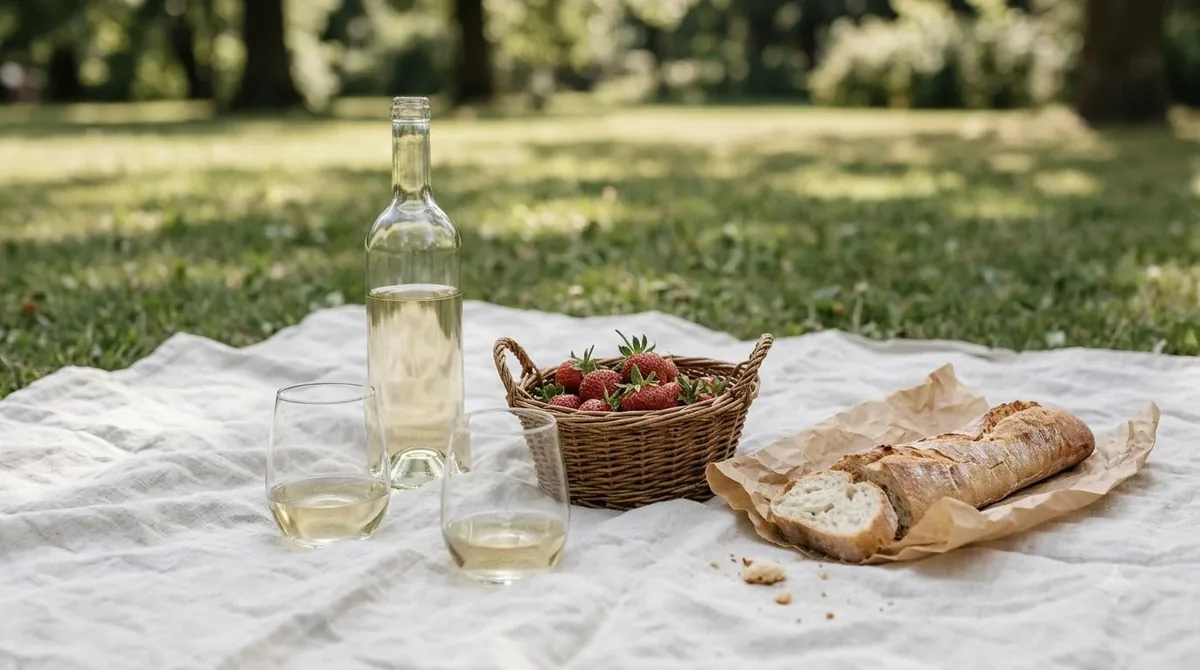
Correct serving temperature and suitable food pairings can help Faustino wines show their intended balance. Mature Rioja benefits from thoughtful handling, while younger white and rosé selections are generally better served cool.
Serving Temperature
Use these practical temperature ranges as starting points:
- Faustino I and other full-bodied reds: 60 to 65 F.
- Lighter red wines: 55 to 60 F.
- Full-bodied white wines: 50 to 55 F.
- Light white wines and rosé: 45 to 50 F.
- Sparkling Cava: 40 to 50 F.
- Semi-sweet white wines: 43 to 50 F.
Serving a red too warm can make its alcohol feel more prominent and soften the impression of freshness. Serving a white too cold can suppress its aromas. If a bottle has been stored at room temperature, a short period of chilling can help bring it closer to the recommended range.
Food Pairings for Faustino Red
Traditional Rioja reds are particularly versatile with savory food. Tempranillo’s fruit character and acidity can work with roasted meats, grilled vegetables, and dishes featuring herbs and spices.
- Faustino I Gran Reserva: Roast lamb, grilled beef, mushroom dishes, and aged cheeses.
- Faustino V Reserva: Roast pork, beef stew, grilled sausages, and mature hard cheese.
- Faustino VII red: Tomato-based pasta, burgers, roasted chicken, and casual grilled dishes.
- Faustino rosé: Grilled vegetables, seafood salads, tapas, and lighter chicken dishes.
Salt and fat can soften the perception of tannin, which helps explain why structured Rioja reds often work well with fatty cuts of meat. Mushrooms are another useful pairing because their savory character complements the earthy and developed aromas that can appear in mature Rioja.
Pairing Faustino White and Sparkling Wine
Viura-based white wines are worth considering with seafood, shellfish, grilled white fish, and vegetable dishes. Their acidity can help refresh the palate, particularly when the meal includes olive oil, lemon, or fresh herbs. The Faustino white wine selection offers alternatives for people who prefer fresh, aromatic styles rather than oak-influenced red Rioja.
Verdejo expressions can also work with seafood, salads, and light tapas. For a more aromatic alternative, the Faustino VII Sauvignon Blanc provides another route into the producer’s white portfolio.
Cava Brut is a versatile option for appetizers, fried foods, seafood, and salty snacks. Its bubbles and acidity can provide a refreshing contrast to rich textures. Semi-sweet Cava may be more suitable for people who prefer a noticeably softer and sweeter sparkling style.
Decanting and Opening a Bottle
A mature Gran Reserva and a young red do not always need identical treatment. Young, full-bodied reds can benefit from approximately 30 to 60 minutes of decanting to allow their aromas to develop and their structure to become more approachable.
For an older Faustino I, begin by opening the bottle carefully and checking how the wine develops in the glass. Older wines can be more delicate than younger reds, and prolonged exposure to air may cause their aromas to fade. Decanting an older bottle should therefore be based on its condition and the presence of sediment rather than automatically following the same schedule used for a youthful red.
Pour approximately 5 ounces per glass. A standard 750 ml bottle provides roughly five servings, making it a convenient size for a small dinner gathering.
Storage After Opening
Store unopened bottles in a cool, dark location with a relatively stable temperature near 55 F. Traditional cork-sealed bottles are generally best stored on their sides to keep the cork from drying out.
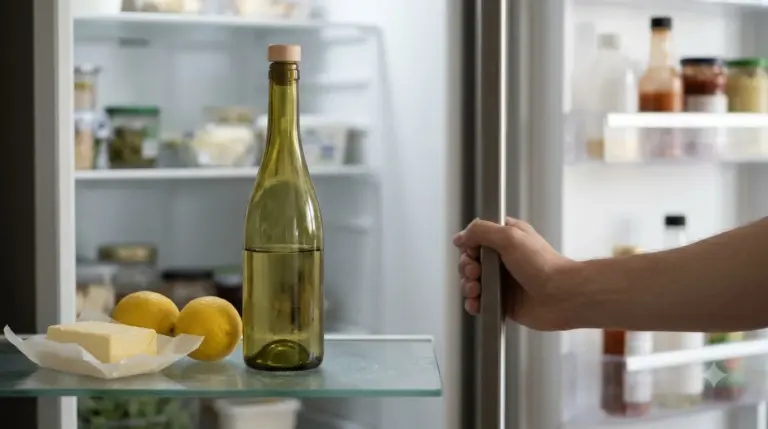
After opening, reseal the bottle and place it in the refrigerator. Even red wine benefits from refrigeration once opened because lower temperatures slow oxidation.
- Still red and white wines: Approximately 3 to 5 days.
- Sparkling wines: Approximately 1 to 3 days with a suitable sparkling-wine stopper.
- Fortified wines: Several weeks, depending on the style.
These are practical estimates rather than guarantees. Wine condition, storage temperature, oxygen exposure, and the individual bottle all affect how long the wine remains enjoyable. Allow refrigerated red wine to warm slightly before serving if necessary.
Frequently Asked Questions
Is Faustino wine suitable for beginners?
Yes. Faustino VII is a useful starting point because the producer offers several straightforward red, white, and rosé expressions under that designation. Beginners can also use the winery’s range to compare different grape varieties without immediately moving into more complex aged Rioja wines.
What does the Faustino bottle label with a portrait represent?
The portrait on the iconic Faustino I Gran Reserva label is based on Rembrandt’s 1641 painting of Nicolaes Van Bambeek. It is an important part of the wine’s recognizable presentation and distinguishes this flagship bottle from many other Rioja labels.
Can Faustino wine be kept for several years after purchase?
Some Faustino Gran Reserva wines can develop further with suitable cellar storage, but their ageing potential depends on vintage, bottle condition, and storage conditions. A wine that has already spent considerable time maturing before release may be ready to enjoy rather than requiring additional years in a home cellar.
What does Rioja Alavesa mean on a wine description?
Rioja Alavesa is one of the recognized subregions of Rioja in northern Spain. It is located in Álava in the Basque Country, and its vineyards include areas around Laguardia and Oyón. Bodegas Faustino’s winery is situated in Oyón, placing it within this important Rioja wine-producing area.
Does Faustino make organic wine or vegan wine?
Vineyard sustainability practices do not automatically establish that an individual wine is certified organic or vegan. Bodegas Faustino describes environmentally friendly vineyard management and precision viticulture, but certification and fining information need to be verified for the specific bottle rather than assumed across the entire portfolio.
Faustino offers a broad introduction to Rioja, from approachable Faustino VII selections to the mature and distinctive Faustino I Gran Reserva. The best choice depends on your preferred grape variety, ageing style, and food pairing rather than the prestige of the label alone. Start with the designation that matches your drinking occasion, then explore the wider range to discover which expression of Spanish wine suits your taste.
More in Wine Brands
 Marchesi Antinori Wine Price: Compare Bottles by Style and TierUpdated Nov 21, 2026
 Marques De Riscal Wine Review: How to Choose the Right Spanish BottleUpdated Nov 21, 2026
 Lussory Wine Review: Choose the Right Alcohol-Free StyleUpdated Nov 21, 2026
 Marchesi Di Barolo Wine Price: Compare Bottles and Find Your FitUpdated Nov 21, 2026
 Louis Martini Wine Review: Choose the Right Napa Valley BottleUpdated Nov 21, 2026
 Mark West Chardonnay Price: What to Expect Before BuyingUpdated Nov 21, 2026