

We may earn a commission when you buy through links on this page, at no extra cost to you. Learn more.
Faustino wine refers to a historic portfolio of Spanish Rioja wines produced by Bodegas Faustino in northern Spain, best known worldwide for its flagship Faustino I Gran Reserva. Founded in 1861 in Oyón within the Rioja Alavesa sub-region, the family-owned estate crafts red, white, rosé, and Cava sparkling wines built primarily around Tempranillo. Today, Bodegas Faustino accounts for roughly three out of every ten bottles of Rioja Gran Reserva exported globally, making its distinctive portrait-labeled bottles a benchmark for traditional oak-aged Spanish wine.
Walking down the Spanish aisle of almost any major wine shop in the United States, you are likely to spot a frosted, textured bottle bearing the 17th-century Rembrandt-style portrait of Nicolaes van Bambeeck. That familiar label belongs to Bodegas Faustino, one of the defining wine brands of Spain’s Rioja DOCa appellation. Understanding how the producer organizes its Roman-numeral tiers, aging regimes, and grape blends makes choosing the right bottle for dinner or the cellar much simpler.
Who Makes Faustino Wine
Faustino wine is produced by Bodegas Faustino, a fourth-generation family winery headquartered in Oyón, a town in the Rioja Alavesa sub-region of northern Spain. Established in 1861 by Eleuterio Martínez Arzok, the estate remains under the ownership of the Martínez Zabala family and anchors the broader Familia Martínez Zabala wine group.
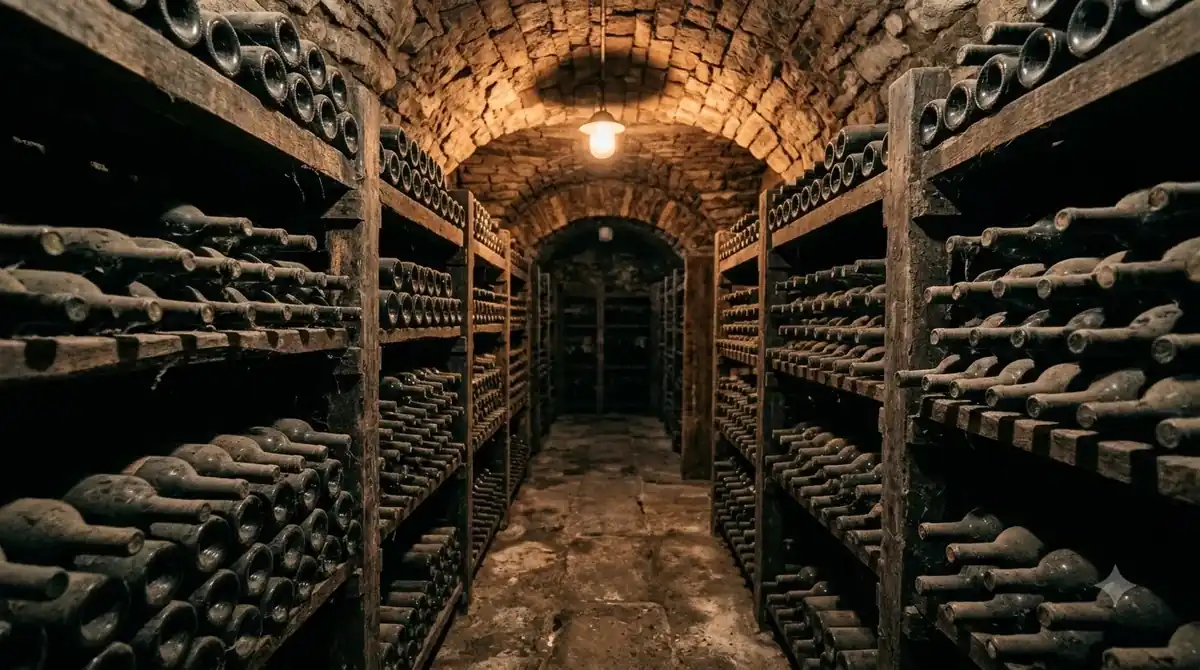
The winery’s reputation rests heavily on its long-term commitment to traditional Rioja aging. According to Consejo Regulador DOCa Rioja, the cellars in Oyón house more than nine million bottles resting in temperature- and humidity-controlled conditions as they mature. Estate vineyards span limestone-rich clay soils in Rioja Alavesa, where cooler Atlantic influences and higher elevations help Tempranillo retain natural acidity alongside concentrated skin tannins.
While rooted in 19th-century winemaking traditions, Bodegas Faustino has also invested in modern architectural and sustainability upgrades. The estate holds Sustainable Wineries for Climate Protection certification and partnered with architectural firm Foster + Partners on “The Legacy of Bodegas Faustino,” a project that redesigned visitor spaces and integrated energy-efficient cellar infrastructure around the historic winery.
The Faustino Wine Lineup and Aging Tiers
Bodegas Faustino organizes its core Rioja portfolio using Roman numerals—most notably VII, V, and I—that correspond directly to Spain’s official oak-and-bottle aging classifications. Knowing what each number signifies tells you immediately whether a bottle is fresh and fruit-forward or savory and aged for decades.
At the entry level sits Faustino VII, a Joven-style lineup that includes red, white, rosé, and Cava sparkling bottlings. The red Faustino VII Tinto ferments in temperature-controlled stainless steel with minimal oak influence, keeping the focus squarely on bright red berry character. Moving up the ladder, Faustino Crianza and the Faustino Art Collection tier introduce moderate barrel maturation for extra spice and roundness while remaining approachable for midweek meals.
The upper tiers showcase extended wood and bottle aging. Faustino V Reserva spends around 16 to 18 months in American white oak barrels followed by additional bottle rest before release, bridging fresh fruit with warm vanilla and toast. At the top stands Faustino I Gran Reserva, first launched in the 1960s and aged for a minimum of 26 months in American and French oak barrels plus several years in bottle, alongside rare library re-releases labeled as Mythical Vintages.
| Bottling | Rioja Classification | Primary Grapes | Typical Aging | Typical ABV |
|---|---|---|---|---|
| Faustino VII Tinto | Joven (Young Red) | Tempranillo | Stainless steel / brief oak | 13.5% |
| Faustino Art Collection Tempranillo | Tinto / Crianza tier | Tempranillo | Brief to moderate oak aging | 13.5% |
| Faustino V Reserva | Reserva | Tempranillo, Mazuelo | 16–18 months American oak + bottle rest | 13.5% |
| Faustino I Gran Reserva | Gran Reserva | Tempranillo, Graciano, Mazuelo | Minimum 26 months American & French oak + years in bottle | 13.5%–14% |
| Faustino I Blanco Gran Reserva | Gran Reserva Blanco | Viura, Chardonnay | Extended oak and bottle aging | 13% |
| Faustino VII Rosado | Rosado | Tempranillo | Stainless steel, no oak | 13% |
| Cava Faustino Brut | D.O. Cava | Viura, Chardonnay | Traditional method lees aging | 11.5%–12% |
Taste Profile Across the Core Styles
Across the red portfolio, Faustino wine leans into classic Rioja balance—pairing bright red and dark cherry fruit with sweet baking spice, vanilla, and supple tannins rather than heavy, high-alcohol extraction. Most red bottlings sit between 13.5% and 14% ABV, giving them enough body for rich dishes while maintaining refreshing acidity.
In younger expressions like Faustino VII Tinto and the Art Collection Tempranillo, the glass shows a vivid cherry-red hue with aromas of fresh raspberry, black cherry, and subtle violet notes. Because oak contact is brief, tannins stay light and juicy, delivering a clean, fruit-driven finish similar in everyday drinkability to approachable American reds like 14 Hands Hot to Trot wine.
Extended barrel maturation transforms the sensory profile in the Reserva and Gran Reserva tiers. Reviewers at Wine Enthusiast have praised Faustino V for its balanced structure and value, noting ripe red berries layered with vanilla, cocoa, and sweet oak spice. Faustino I Gran Reserva pushes that complexity even further, developing a garnet-to-maroon rim and tertiary aromas of leather, cured tobacco, dried plum, dill, and toasted coconut over velvety, fully resolved tannins.
Beyond reds, Faustino’s white and sparkling bottlings offer contrasting textures. Faustino VII Rosado delivers crisp strawberry and red currant flavors, while the rare Faustino I Blanco Gran Reserva blends Viura and Chardonnay into a golden, waxy, barrel-aged white with notes of caramelized lemon, baked apricot, and toasted nuts.
How to Serve and Pair Faustino Wine
Serving temperature and gentle aeration play a major role in bringing out the aromatics of oak-aged Rioja, especially in older Reserva and Gran Reserva vintages. Serving red Rioja too warm emphasizes alcohol and flattens its savory spice, while serving it straight from a cold refrigerator mutes its bouquet.
Serve younger reds like Faustino VII Tinto slightly cool at 57°F to 61°F (14°C to 16°C) in a standard medium-bowled red wine glass. Step up to 61°F to 64°F (16°C to 18°C) for Faustino V Reserva and Faustino I Gran Reserva, pouring them into a wide-bowled Bordeaux-style glass so aromas of leather, vanilla, and dried cherry can unfurl. Chilled styles belong colder: serve Cava Faustino Brut at 43°F to 46°F (6°C to 8°C), Faustino VII Rosado at 46°F to 50°F (8°C to 10°C), and barrel-aged Faustino I Blanco Gran Reserva slightly warmer around 52°F (11°C).
Tip: Decant Faustino V Reserva for 20 to 30 minutes before dinner to soften its oak spice, and stand mature bottles of Faustino I Gran Reserva upright for 24 hours before opening so natural sediment settles cleanly to the bottom.
At the dinner table, Faustino’s red wines shine alongside savory, slow-cooked, and roasted proteins. Traditional Spanish pairings include roast suckling lamb, grilled pork tenderloin, chorizo, jamón ibérico, and aged Manchego cheese. For American home cooking, pair Faustino VII or Crianza with smoky barbecue ribs, burgers, or wood-fired pizza, and reserve Faustino I Gran Reserva for prime rib, braised short ribs, or wild mushroom risotto.
Who Faustino Wine Suits Best
Faustino wine appeals most to drinkers who appreciate traditional, oak-influenced Old World reds with smooth tannins, layered savory complexity, and reliable vintage consistency. Because the brand spans both everyday young wines and long-aged Gran Reservas, it serves very different occasions under one recognizable label.
Casual weeknight drinkers and tapas hosts gravitate toward Faustino VII and the Art Collection tier for their bright fruit, easy-going structure, and crowd-pleasing versatility. Conversely, wine collectors, gift buyers, and fans of aged Bordeaux or classic Napa Cabernet often choose Faustino I Gran Reserva because it arrives at retail already aged for years in the winery’s cellars—offering mature leather, tobacco, and spice notes right out of the bottle without requiring a decade of home cellaring. Those who prefer zero-alcohol options or ultra-minimalist natural whites, such as Ariel wine or Avaline white wine, will find Faustino firmly rooted in classic, conventional Rioja craftsmanship.
Frequently Asked Questions
Is Faustino wine sweet or dry?
All of Faustino’s still red, white, and rosé Rioja wines are dry, containing minimal residual sugar (typically around 1.4 grams per liter in Faustino I Gran Reserva). Notes of vanilla, coconut, and ripe cherry come from American oak barrel aging and ripe Tempranillo fruit rather than sugar. The only noticeably sweet bottling in the lineup is Faustino Cava Semi Dry.
What does the Roman numeral on a Faustino bottle mean?
The Roman numerals distinguish the winery’s aging tiers and style levels. Faustino VII denotes young, fruit-forward Joven wines with little to no oak aging, Faustino V identifies the Reserva tier aged around 16 to 18 months in oak, and Faustino I marks the flagship Gran Reserva aged at least 26 months in barrels plus years in bottle.
Does Faustino I Gran Reserva need to be aged further before drinking?
No, Faustino I Gran Reserva is released only after spending at least five years—and often longer—maturing in Bodegas Faustino’s oak barrels and bottle cellars. Because the winery handles the primary aging for you, every vintage is ready to drink upon release, though well-stored bottles can continue evolving gracefully for another 10 to 20 years.
What grapes are used in Faustino red wines?
Tempranillo is the backbone of every red Faustino wine, providing red berry fruit, moderate acidity, and supple structure. In the Reserva and Gran Reserva blends, the winemakers add small percentages of Graciano for aromatic lift and vibrant acidity, along with Mazuelo (Carignan) for deeper color and firm aging tannin.
Whether you pick up a vibrant bottle of Faustino VII for Tuesday night tapas or uncork a library vintage of Faustino I Gran Reserva for a holiday roast, Bodegas Faustino offers a clear window into traditional Rioja winemaking. Paying attention to the Roman numeral on the frosted glass ensures you get the exact balance of fresh fruit and aged oak spice your meal calls for.
More in Wine Brands
 Underwood Wine Price: Compare Bottles, Cans, and Pack SizesUpdated Nov 21, 2026
 Zenato Wine Price: Compare Styles and Choose the Right BottleUpdated Nov 21, 2026
 Zuccardi Wine Price: Compare Bottles and Find the Right RangeUpdated Nov 21, 2026
 Yellow Tail Moscato Review: Taste, Sweetness and Serving TipsUpdated Nov 21, 2026
 Wolf Blass Yellow Label Review: Choose Your Best StyleUpdated Nov 21, 2026
 Wolffer Estate Rose Review: Choose the Right Bottle for Your TableUpdated Nov 21, 2026