

We may earn a commission when you buy through links on this page, at no extra cost to you. Learn more.
Faustino white wine is a Spanish white wine from Rioja, typically made with Viura, Chardonnay, or a blend of the two, offering fresh acidity and flavors of orchard fruit, flowers, and, in oak-aged versions, stone fruit and toasted nuts. Bodegas Faustino produces several white styles, including Faustino V White, Faustino VII White, and Faustino I Blanco Gran Reserva. These wines differ in grape composition, winemaking, texture, and oak influence, so choosing the right bottle depends on whether you prefer a crisp, fruit-forward white or a richer wine with more developed flavors.
Rioja is widely associated with Tempranillo-based red wines, but its white wines deserve attention too. Faustino offers an accessible introduction to this side of the region, with bottles suited to seafood dinners, grilled chicken, vegetable dishes, and cheese boards. Understanding the differences between its labels makes it easier to select a bottle that fits your meal and preferences.
What Is Faustino White Wine?
Faustino white wine is a category of Spanish white wines produced by Bodegas Faustino in DOCa Rioja. The range includes fresh, fruit-driven wines and more structured oak-aged bottlings, giving drinkers different expressions of the region rather than one uniform house style.
The producer is based in Oyón, Álava, within the Rioja wine region. Its white wine range includes Faustino V White, Faustino VII White, and Faustino I Blanco Gran Reserva. Although these wines share the Faustino name, they are not interchangeable. Their grape proportions, fermentation choices, and aging methods influence the finished wine considerably.
Rioja’s white wines are particularly interesting because they combine local Spanish grape varieties with international grapes such as Chardonnay. Viura, also known as Macabeo in other Spanish regions, provides much of the traditional character. Chardonnay can contribute additional body, fruit richness, and texture. Depending on the blend and winemaking, the result can be refreshing and straightforward or layered and suitable for more substantial meals.
For readers exploring Spanish producers, Faustino also belongs among the established names covered in our overview of Wine Brands. Its white wines provide an alternative to the familiar red Rioja styles, particularly for people who prefer white wine with food.
One important distinction is that the Faustino name does not identify a single grape variety or sweetness level. The specific bottle matters. Faustino V, Faustino VII, and Faustino I Blanco Gran Reserva each have their own production details and tasting profiles.
The Grapes Behind Faustino White Wine
Viura and Chardonnay are the principal grapes to understand when exploring Faustino’s white wine range. Viura brings recognizable orchard-fruit character and freshness, while Chardonnay can add a broader palate and more pronounced stone-fruit or creamy notes, particularly when barrel aging is involved.
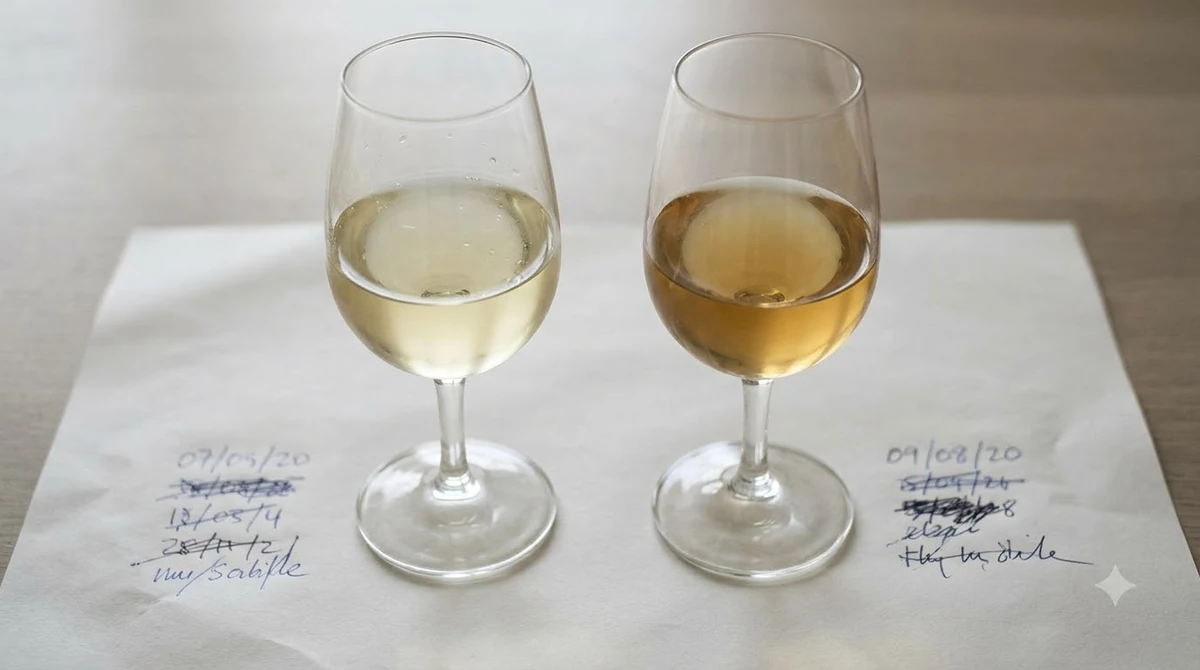
Viura is a traditional white grape associated with Rioja. It commonly produces wines with flavors of apple, pear, citrus, and subtle floral notes. Its acidity makes it useful for wines intended to accompany seafood, vegetables, and lighter meals. In a fresh, unoaked style, Viura can deliver a clean, uncomplicated drinking experience.
Chardonnay is an international variety that can produce a range of styles depending on climate and winemaking. In Faustino’s blends, it contributes to the fruit profile and can support a fuller texture. When fermented or aged in oak, Chardonnay may develop additional flavors resembling toasted nuts, vanilla, and pastry alongside its fruit character.
Faustino V White is a blend of Viura and Chardonnay. The winery specifies 20 hours of cold maceration and fermentation at 16°C, approximately 61°F. Its tasting description emphasizes pear, apple, white flowers, and herbaceous aromas, followed by a fresh palate with good acidity.
Faustino VII White is another option in the range. Its specific composition and production details should be distinguished from those of Faustino V rather than assumed to be identical. The individual product presentation is the appropriate reference for its grape blend and production method.
Faustino I Blanco Gran Reserva returns to the Viura-Chardonnay combination but uses a more involved maturation process. Its blend develops additional complexity through time in new French and American oak barrels, followed by bottle aging.
Tip: If you prefer a straightforward white wine with pear and apple flavors, start by comparing the fresher Faustino bottlings. If you enjoy fuller textures, stone-fruit flavors, and oak influence, investigate Faustino I Blanco Gran Reserva.
Faustino White Wine Taste and Aroma
The typical Faustino white wine profile combines orchard fruit, refreshing acidity, and a moderate sense of body. The exact balance depends on the bottling: the younger styles emphasize pear, apple, and floral aromas, while the Gran Reserva introduces riper fruit, nuts, and oak-related complexity.
Faustino V White provides a good illustration of the fresh style. According to the producer, its color is bright yellow with golden reflections. Its aromas include white fruit, flowers, and herbs, with pear and apple taking a prominent role. The winery describes its palate as fresh and balanced, with good acidity and a long, intense finish.
Faustino VII White also belongs to the fresher side of the range. Its fruit-focused character makes it useful to compare with Faustino V, although the two should not be treated as identical wines. Differences in grape composition and winemaking can influence aromatic intensity, texture, and the overall balance between fruit and acidity.
Faustino I Blanco Gran Reserva offers a noticeably different experience. The winery describes peach, apricot, mango, and pineapple alongside floral aromas and elegant wood notes. The oak maturation contributes a richer impression and gives the wine a more substantial role at the table.
A Wine Enthusiast review of the 2020 Faustino I Gran Reserva Blanco awarded the wine 92 points. The reviewer identified orchard fruit, ripe peaches, nectarines, crushed almonds, and a satiny texture. These notes demonstrate how a mature oak-influenced Rioja white can move beyond the simple apple-and-citrus profile associated with many young whites.
The difference is not simply about fruit intensity. Texture matters too. A young Viura-led white generally feels more direct and refreshing, whereas an oak-aged blend can seem rounder and more layered. Neither approach is automatically better; the ideal choice depends on your food and preferred drinking style.
Faustino V, Faustino VII, and Faustino I Blanco Compared
These three labels represent different ways to experience Faustino’s white wines. Faustino V combines Viura and Chardonnay, Faustino VII is another bottling in the white range, and Faustino I Blanco Gran Reserva emphasizes oak aging and greater structural complexity.
The producer’s technical description provides useful distinctions for Faustino V and the Gran Reserva. The table below summarizes the documented characteristics while avoiding assumptions about details that can vary between individual releases.
| Characteristic | Faustino V White | Faustino VII White | Faustino I Blanco Gran Reserva |
|---|---|---|---|
| Grapes | Viura and Chardonnay | See individual bottling | Viura and Chardonnay |
| Cold maceration | 20 hours | Not specified here | Not specified here |
| Fermentation temperature | 16°C / 61°F | Not specified here | Not specified here |
| Oak aging | Not specified | Not specified | 6-8 months |
| Bottle size | 750 ml | Varies by listing | 750 ml |
| Listed alcohol | 14% ABV | Check individual listing | 14% ABV on producer page |
| General style | Fresh, fruity, balanced | Depends on bottling | Fuller, oak-influenced |
There is a clear difference between the fresher Faustino V and the Gran Reserva. Faustino V is appropriate for drinkers who want fruit and freshness. The Gran Reserva is better suited to someone looking for additional texture, mature fruit, and oak-derived aromas.
One detail deserves attention: alcohol percentages can vary between individual releases and markets. The figures in the table are the values published on the producer’s product descriptions for the specified bottlings, rather than a guarantee that every vintage or regional listing will carry precisely the same figure.
Independent reviews also illustrate why it helps to distinguish the specific vintage. Decanter’s review of the 2020 Faustino Gran Reserva Rioja Blanco identifies the wine as dry and full-bodied, with 58% Viura and 42% Chardonnay. It records 13% alcohol. That differs from the 14% listed on the winery’s general product presentation. Those figures refer to specific published descriptions, not a universal specification for every Faustino white.
For a broader comparison with other familiar wine styles, readers may also find our article about Black Box Pinot Grigio alcohol content useful. It helps illustrate why alcohol level should be considered separately from sweetness, body, and flavor intensity.
Food Pairings for Faustino White Wine
Faustino white wine works particularly well with seafood, fish, vegetables, potatoes, poultry, and selected cheeses. The fresher bottles suit lighter dishes, while the oak-aged Gran Reserva can handle richer preparations and more substantial food.
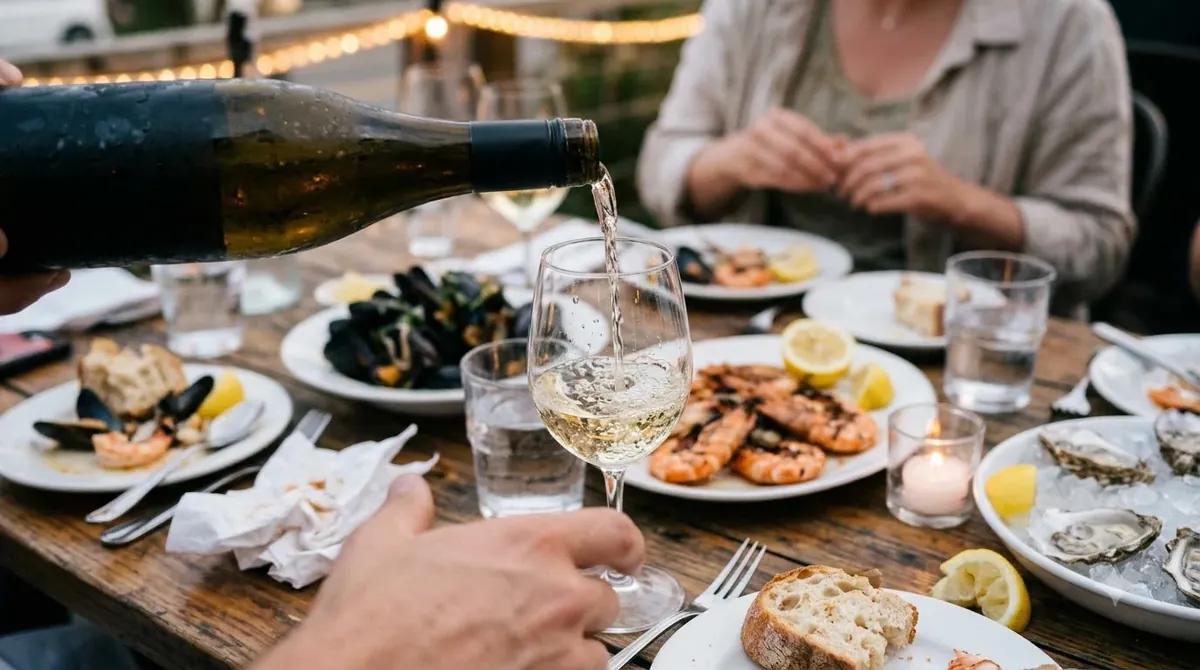
Seafood and fish: Faustino V is a natural choice for grilled white fish, shrimp, scallops, and shellfish. Its fruit-forward character and acidity help refresh the palate between bites. Try a simple preparation with lemon, parsley, olive oil, and grilled vegetables rather than a heavily spiced sauce.
For delicate fish such as cod or sole, keep the cooking relatively simple. A lightly seasoned fillet with roasted potatoes allows the wine’s pear and apple notes to remain noticeable. Seafood pasta with herbs is another useful pairing, especially when the sauce is not excessively rich.
Chicken and poultry: Faustino I Blanco Gran Reserva is particularly suitable for chicken with light cream or butter-based sauces. Its fuller texture and oak-derived character complement roasted poultry and more developed flavors. Grilled chicken with lemon, herbs, and rice is another good option.
Vegetables and potatoes: The producer specifically recommends potatoes, fried tomatoes, and vegetables for Faustino V. Roasted potatoes, vegetable gratin, asparagus, and basil pasta can all work well. For dishes containing tomato, keep the wine’s acidity in mind: strongly acidic tomato preparations benefit from a white wine with sufficient freshness.
Cheese: Goat cheese is one of the producer’s recommended pairings. Its creamy texture and tangy flavor can work especially well with the refreshing character of a Viura-based white. Roquefort is another suggested match, although its strong saltiness makes it a more distinctive pairing.
Salt and fat can soften the perception of tannin in red wines, but white wines generally have much less tannin. For Faustino, the more important considerations are acidity, texture, and the intensity of the dish. A richer, oak-aged bottle is usually better equipped to accompany creamy preparations than a delicate, fruit-forward white.
Very spicy food deserves some caution. The alcohol in wine can make chili heat seem more pronounced, and Faustino’s listed 14% ABV bottlings are not necessarily ideal for very hot dishes. Choose milder seasoning when serving these wines with poultry or seafood.
For another Spanish wine pairing comparison, see our article about Campo Viejo red wine. Comparing Rioja whites with Rioja reds can help clarify how grape variety and wine structure affect food choices.
Serving Temperature, Storage, and Alcohol Content
Faustino white wine is best served chilled, but not so cold that its fruit and aromatic details disappear. A useful starting point is 45-50°F for lighter white wines and 50-55°F for fuller-bodied white wines such as an oak-influenced Gran Reserva.
For Faustino V White, aim for approximately 45-50°F. This temperature range preserves its fresh character while allowing pear, apple, and floral aromas to emerge. Faustino I Blanco Gran Reserva can be served slightly warmer, around 50-55°F, to make its stone-fruit, oak, and nutty notes easier to appreciate.
If the bottle has been refrigerated for several hours, pour a small sample first. If the wine seems muted, allow it to warm gradually in the glass. Avoid leaving the bottle in a warm room for extended periods because excessive warmth can make alcohol more noticeable and reduce freshness.
Understanding the alcohol level
The winery lists 14% ABV for Faustino V White and Faustino I Blanco Gran Reserva on the cited product pages. However, independent records can show different figures for individual vintages. Decanter, for example, lists 13% ABV for its reviewed 2020 Gran Reserva Rioja Blanco.
Alcohol content is not a measure of sweetness. A wine with 14% ABV can still be dry, and a wine with lower alcohol can be sweet. Look at the individual wine’s description and tasting profile rather than assuming that a fuller or fruitier wine contains more residual sugar.
Storing an opened bottle
After opening, reseal the bottle and keep it refrigerated. Most still white wines remain enjoyable for approximately three to five days when stored properly, although their freshness and aromatic intensity gradually decline.
For the best results, use a suitable wine stopper and minimize the amount of air inside the bottle. If you have only a small quantity remaining, transferring it to a smaller airtight container can help limit oxidation. Bring the wine back toward its recommended serving temperature before pouring.
Unopened bottles should be stored in a cool, dark location away from direct sunlight and significant temperature changes. A consistent storage temperature near 55°F is a useful target. If a bottle has a natural cork closure and will be stored for an extended period, keeping it on its side helps prevent the cork from drying out.
Which Faustino White Wine Should You Choose?
The best Faustino white wine depends on the style you enjoy and the food you plan to serve. A fresh Viura-focused bottle is a sensible starting point for casual meals, while an oak-aged Gran Reserva is more appropriate when you want a fuller wine with additional layers of flavor.
Choose Faustino VII White if you want to explore another expression in the producer’s white wine range. Compare its individual grape composition and tasting description with the other bottles before making a selection. This is particularly useful if you prefer a fresh, fruit-driven white rather than a wine with pronounced oak influence.
Choose Faustino V White if you prefer a blend of Viura and Chardonnay. Its 20-hour cold maceration and fermentation at 16°C are part of the producer’s stated production process. Its fresh fruit and balanced acidity suit fish, shellfish, potatoes, goat cheese, and basil pasta.
Choose Faustino I Blanco Gran Reserva if you prefer more complexity and oak influence. Its 6-8 months in new French and American oak barrels give it a different profile from the fresher wines. Peach, apricot, mango, pineapple, and wood-related notes make it a strong candidate for roasted poultry, seafood rice dishes, and richer fish preparations.
Think about the meal before selecting the bottle. A simple shrimp salad or grilled fish usually calls for a fresher option, whereas roasted chicken with a creamy sauce can justify the richer Gran Reserva. If the wine is intended for a cheese board, consider both the cheese’s saltiness and the wine’s body.
Also consider how much fruit and oak you enjoy. Drinkers accustomed to light Pinot Grigio may prefer the cleaner, fresher impression of a Viura-focused wine. Someone who enjoys fuller Chardonnay may find Faustino I Blanco Gran Reserva more appealing. Neither preference is a requirement for enjoying Rioja; they are simply different approaches to white winemaking.
Frequently Asked Questions
Is Faustino white wine dry or sweet?
Faustino’s standard white styles are generally presented as fresh, balanced wines rather than dessert wines. Decanter specifically classifies its reviewed 2020 Faustino Gran Reserva Rioja Blanco as dry. The word fruity in a tasting description refers to aromas and flavors, not necessarily residual sugar.
Is Faustino white wine vegan?
Vegan suitability cannot be established for every Faustino white from the grape varieties or general product description alone. Winemaking can involve fining agents derived from animal products, so anyone following a vegan diet should look for a specific vegan certification or confirmation from the producer for the particular bottling.
Does Faustino white wine contain sulfites?
Faustino white wine, like most conventional wines, may contain naturally occurring sulfites and additional sulfur dioxide used during winemaking. Sulfites are commonly identified on wine labels sold in the United States. The exact concentration depends on the individual wine and production decisions.
Can Faustino white wine be aged in a cellar?
Some Faustino whites receive extended maturation before release, particularly Faustino I Blanco Gran Reserva, which combines barrel aging with further bottle aging. That does not mean every Faustino white needs additional cellar time after purchase. Fresh Viura-focused wines are generally best enjoyed for their youthful fruit and freshness rather than stored for many years.
What does DOCa Rioja mean on a Faustino white wine label?
DOCa stands for Denominación de Origen Calificada, Spain’s qualified designation of origin category. Rioja is one of the Spanish wine regions holding this designation. It indicates that the wine belongs to a regulated appellation with requirements governing matters such as production origin and grape-growing and winemaking standards.
Faustino white wine offers several ways to explore Rioja beyond its better-known red wines. Whether you prefer the fresh pear and apple character of Faustino V, the Viura-Chardonnay balance of its blended wines, or the richer oak-aged profile of Faustino I Blanco Gran Reserva, the range provides a useful match for different meals and preferences. Serve the wine at an appropriate temperature, pair it with complementary food, and choose the specific bottling that best suits your preferred style.
More in Wine Brands
 Louis Latour Wine Price: Compare Bottles by Style and TierUpdated Nov 20, 2026
 Yellow Tail Moscato Price: What to Expect Before You BuyUpdated Nov 20, 2026
 Sutter Home Sweet Red Review: Find the Right Food PairingsUpdated Nov 20, 2026
 Franzia Chillable Red Review: Find the Right Serving StyleUpdated Nov 20, 2026
 Veuve Clicquot Rose Review: Flavor, Food Pairings and Buying AdviceUpdated Nov 20, 2026
 Rombauer Wine Price: Compare Bottles Before You BuyUpdated Nov 20, 2026