

We may earn a commission when you buy through links on this page, at no extra cost to you. Learn more.
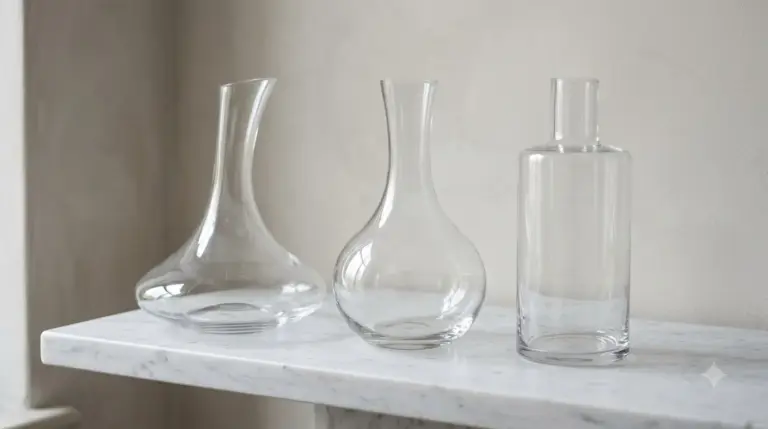
The best vintage decanter is a slim-profile vessel with a narrow surface area and a tight-fitting stopper, designed to separate heavy bottle sediment without overexposing delicate, aged wine to oxygen. Unlike wide-bottomed carafes built to aggressively aerate young reds, vessels tailored for mature bottles prioritize gentle handling and minimal air contact. Choosing the right silhouette depends on whether you are pouring fragile, decades-old Bordeaux, sediment-heavy vintage Port, or cellar-aged reds that still benefit from a brief, controlled breath.
Aging transforms wine both chemically and physically, softening harsh tannins into velvety textures while leaving behind harmless deposits of potassium bitartrate and grape pigments. When opening a bottle that has rested in a cellar for ten, twenty, or thirty years, the primary goal shifts from vigorous oxygenation to careful clarification. A thoughtfully shaped wine decanter protects fragile tertiary aromas—like dried fig, leather, and forest floor—from fading too quickly once the cork is pulled.
Quick Comparison
Different styles of vintage decanters balance sediment control, oxygen exposure, and pouring ergonomics to suit specific bottle ages and wine styles.
| Decanter Type | Surface Area | Oxygen Exposure | Stopper Included | Best Wine Style |
|---|---|---|---|---|
| Narrow-Necked Carafe | Small | Low | Yes | Fragile aged reds (15+ years) |
| Built-In Filter Decanter | Medium | Low to Moderate | Usually | Unfiltered reds & crumbling corks |
| Ship’s Decanter | Wide Base, Narrow Top | Moderate | Yes | Vintage Port & fortified wines |
| Medium-Base Amphora | Moderate | Controlled | Optional | Structured cellar reds (8–15 years) |
| Half-Bottle Carafe | Very Small | Minimal | Yes | 375 ml bottles & slow sipping |
Best for Fragile Aged Reds
A tall, slender decanter with a narrow base and tight stopper is the safest choice for mature reds over fifteen years old, limiting air contact while leaving sediment behind in the bottle.
Why it stands out: As Wine Enthusiast notes, decanters serve two core roles: separating clarified wine from solids formed during aging and exposing the liquid to oxygen. For delicate older vintages, excessive oxygen can strip away nuanced aromas within minutes. A narrow, vertical silhouette keeps the surface-to-air ratio small, ensuring the wine remains vibrant from the first pour to the last glass, while an airtight glass or silicone-sealed stopper lets you pause oxidation between courses.
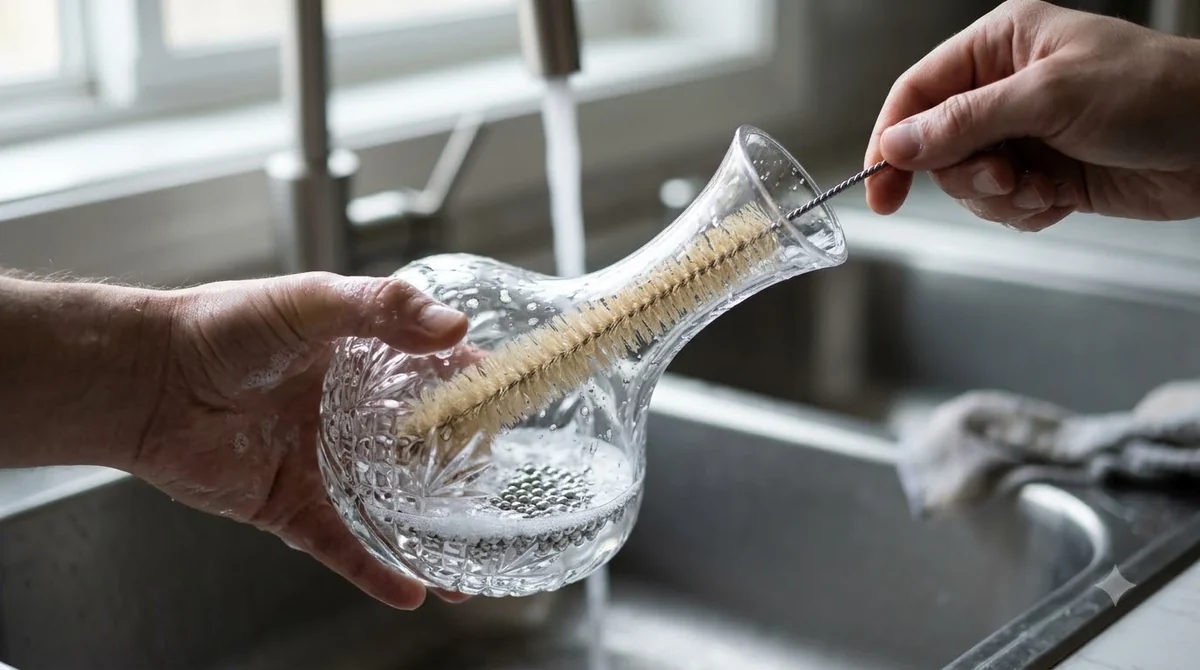
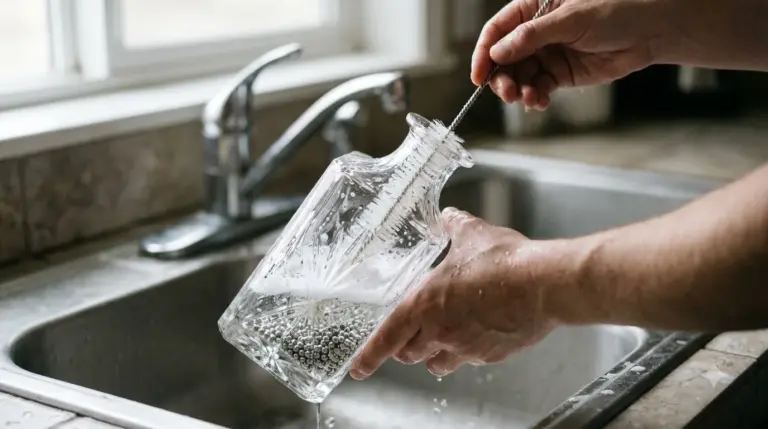
Keep in mind: Tall, slim vessels require steady hands during pouring and a narrow bottle brush for cleaning afterward. Because the opening is tight, you will also want to stand your bottle upright for at least 24 hours beforehand so sediment settles neatly at the punt before you begin.
Best for: Collectors opening mature Bordeaux, aged Burgundy, vintage Rioja, or older Napa Cabernet Sauvignon where preserving subtle bouquet notes matters more than softening tannins.

- Material
- Lead-free crystal
- Capacity
- 750 ml
- Lid
- Crystal stopper
- Size
- 5"W x 12"H
A traditional silhouette and brilliant crystal make this carafe a natural display piece for a vintage bottle. It holds a standard 750 ml pour, stands 12 inches tall on a 5 inch base, and comes with a crystal stopper. The Dublin collection suits classic decor, and the lead-free crystal keeps it safe for regular use.
Pros & ConsView
- Lead-free crystal with a timeless look
- Crystal stopper protects the wine between pours
- Holds exactly one standard 750 ml bottle
- Tall 12 inch shape needs a roomy shelf
- No filter or aerator is built in
Best for Unfiltered Wines and Fragile Corks
A filtering decanter equipped with an integrated stainless-steel mesh screen catches fine sediment and stray cork crumbs in a single pour without requiring extra funnels.
Why it stands out: Older bottles frequently suffer from dry, brittle corks that crumble even under a gentle two-prong opener, alongside heavy lees that cloud the final third of the bottle. Reviewers at Wine Enthusiast highlight filtering decanter designs because their dual-chamber stoppers or built-in screens trap unwanted particles before the liquid enters the vessel. Having the strainer integrated into the neck eliminates the need to balance a separate funnel while holding a heavy bottle over a flashlight or candle.
Keep in mind: Fine mesh screens slow down the flow rate, which can slightly increase agitation as wine trickles through the perforations. Rinse the mesh immediately with warm water after serving so dried pigment and tartar crystals do not clog the micro-pores.
Best for: Unfiltered red wines, older bottles with compromised corks, and hosts who want a clean, worry-free pour without juggling separate straining accessories.

- Capacity
- 1500 ml (52 oz)
- Material
- Lead-free crystal glass
- Includes
- Cleaning brush, lid, gift box
- Size
- 6"W x 12"H
With 1500 ml of capacity, this slim decanter gives a magnum-sized pour plenty of room to open up. The wide mouth and slanted top make it easy to pour without spills, while the included cleaning brush clears away deposits and residue. A gold-print gift box makes it ready to present, and a glass lid covers the opening between servings.
Pros & ConsView
- Large 1500 ml body for magnum-size pours
- Cleaning brush removes stains and deposits
- Gift box included for presenting
- Tall 12 inch shape may not fit all cabinets
- 1500 ml is far more than one bottle needs
Best for Vintage Port and Fortified Wines
A traditional ship’s decanter features a broad, flat bottom for stability and a tapered, stoppered neck that protects sweet, fortified vintages over multi-hour tastings.
Why it stands out: Vintage Port is bottled unfiltered and throws a thick crust of sediment as it matures in the cellar, making decanting mandatory rather than optional. Originally designed to stay upright on rolling naval vessels, the low center of gravity prevents accidental spills on a crowded dining table. Its generous capacity easily holds a full 750 ml bottle, and the fitted stopper preserves rich dried-fruit and spice notes if the bottle is enjoyed slowly after dinner. If you are shopping for a coordinated decanter set, pairing a ship’s style silhouette with matching tasting glasses creates a classic post-dinner presentation.
Keep in mind: The wide base increases surface area slightly compared to a slim carafe, so keeping the stopper seated between pours is essential for older fortified bottles. Washing the broad interior corners requires flexible cleaning beads or a curved sponge.
Best for: Vintage Port, Madeira, aged Tawny, and after-dinner dessert wine service where table stability and a tight seal are top priorities.

- Capacity
- 27 oz (800 ml)
- Material
- Glass, glass stopper
- Seal
- Airtight stopper
- Care
- Dishwasher safe
Sold as a liquor decanter, this ribbed 27 oz piece suits drinks you finish over several evenings, such as port or other fortified bottles. The airtight round glass stopper keeps the opening covered between pours, and the thick glass gives a steady, weighty feel. It rinses clean by hand or in the dishwasher and doubles as bar decor.
Pros & ConsView
- Airtight glass stopper seals between pours
- Ribbed body adds grip and visual texture
- Dishwasher safe, lead-free glass
- Sold for liquor, not marketed for aerating wine
- Heavy at about 3.2 pounds
Best for Structured Cellar-Aged Reds
A medium-width amphora or teardrop decanter offers a balanced middle ground, providing enough surface area to open up dense, decade-old reds without overwhelming them.
Why it stands out: Not every mature bottle is fragile; structured varietals like Barolo, Brunello di Montalcino, Syrah, and Northern Rhône blends often still carry firm tannins at ten to fifteen years of age. As wine educators at Wine Folly point out, older tannic wines still benefit from controlled breathing, though you should monitor them closely rather than leaving them exposed for hours. A gently curved teardrop profile promotes smooth, laminar flow down the glass walls during filling, waking up closed aromatics while maintaining a modest surface diameter.
Keep in mind: This style lacks the dramatic wide footprint of a young-wine bowl, so it will not aerate a tight, newly released Cabernet as rapidly. Look for models with an indented base or ergonomic neck grip to make single-handed pouring effortless.
Best for: Ten- to fifteen-year-old Nebbiolo, Sangiovese, Syrah, and Left Bank Bordeaux that need gentle awakening alongside sediment separation.

- Capacity
- 27 oz (800 ml)
- Material
- Lead-free glass
- Stopper
- Diamond-cut with plastic liner
- Height
- 12 inches with stopper
Engraved sides and a diamond-cut stopper give this decanter an Art Deco look that sits well on a liquor cabinet or dining table. It is marketed for whiskey, scotch, rum and brandy, so treat it as a serving and display piece rather than an aerating vessel for a structured red. The food-grade liner gives the stopper an airtight fit.
Pros & ConsView
- Engraved body gives a secure grip for pouring
- Airtight stopper has a food-grade plastic liner
- Heavy glass base is stable on a bar
- Marketed for spirits, not wine aeration
- Plastic liner in the stopper
Best for Half-Bottles and Slow Sipping
A compact 375 ml to 500 ml carafe eliminates excess headspace, preventing oxidation when decanting split bottles or saving half a standard bottle for the next evening.
Why it stands out: Pouring a 375 ml half-bottle—or the clear half of a heavily sedimented 750 ml bottle—into a standard full-sized decanter leaves a massive pocket of trapped air inside the glass. Even with a stopper in place, that internal oxygen continues reacting with delicate compounds. Downsized vintage carafes keep the wine level high near the narrow neck, minimizing air contact while showcasing the jewel-like garnet or brick-red color of mature wine on the table. Understanding how long does red wine last after opening makes it clear why reducing headspace is critical once a mature bottle meets air.
Keep in mind: Smaller vessels cannot accommodate a full 750 ml bottle if you want to decant everything at once, making them best as a secondary vessel in a well-stocked bar. Check that the lip is precision-cut or flared to prevent drips on linen tablecloths.
Best for: Half-bottles (375 ml), two-person dinners, and collectors who want to savor an older bottle over two consecutive evenings.
How to Choose
Selecting the right vessel for aged wine comes down to matching the geometry of the glass to the age and structure of the bottles in your cellar.
- Surface-to-Air Ratio: Prioritize narrow bases and slender necks for wines over 15 years old. Wide, flat-bottomed bowls accelerate oxidation, which helps young tannins soften but can flatten mature, nuanced reds within half an hour.
- Stopper Seal Quality: Look for a ground-glass stopper or a food-grade silicone ring that creates a snug closure. Being able to cap the decanter between pours gives you direct control over how quickly the wine evolves at the table.
- Lead-Free Crystal vs. Borosilicate Glass: Lead-free crystal offers brilliant optical clarity that helps you inspect the color and rim variation of aged wine, while lightweight borosilicate glass provides high thermal durability and resistance to everyday knocks.
- Pouring Lip and Ergonomics: A cold-cut, beveled, or gently flared rim prevents wine from dribbling down the exterior neck. Test how balanced the vessel feels when tilted, especially if it lacks a built-in handle or base punt.
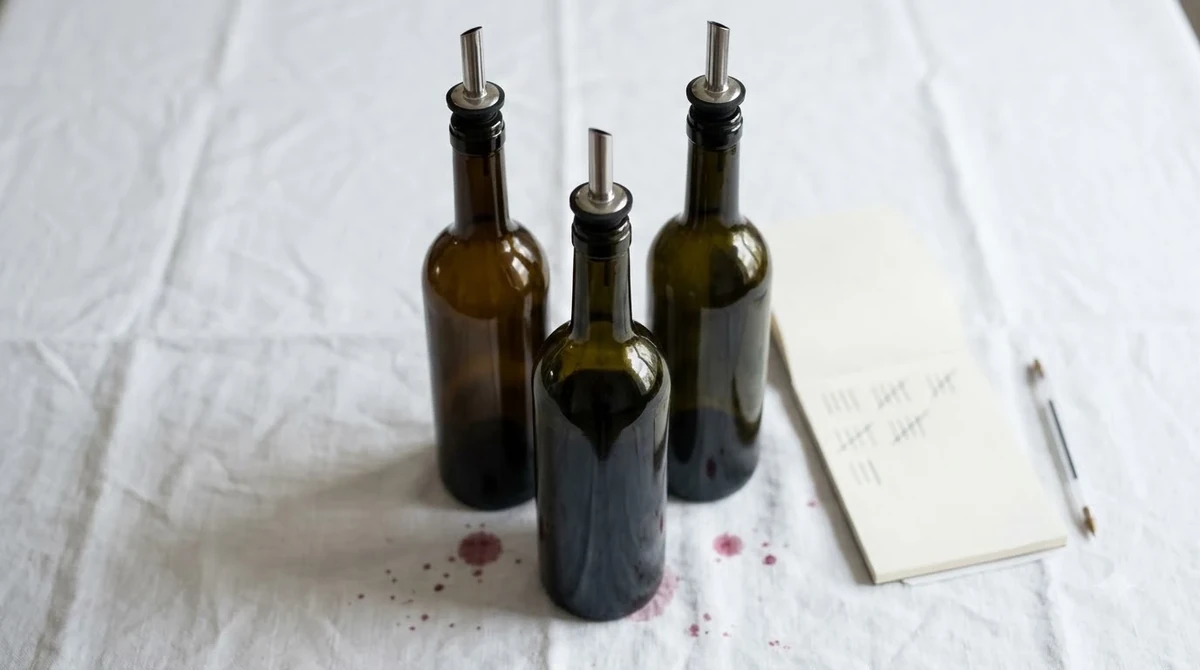
Tip: Before decanting any bottle older than ten years, stand it upright for 24 to 48 hours so fine sediment settles cleanly to the bottom, and shine a small flashlight beneath the bottle neck while pouring so you can stop the instant cloudy particles appear.
Frequently Asked Questions
Should you decant very old wine?
Yes, primarily to separate clear wine from bitter bottle sediment rather than to aerate it. Pour the wine slowly into a narrow-necked vessel right before serving, and taste it immediately so you can enjoy its fragile aromas before extended air exposure causes them to fade.
How long should you decant a 20-year-old wine?
Most 20-year-old wines need little to no resting time in the decanter before serving—often just 15 to 30 minutes at most. Decant the bottle right before dinner, pour a small taste immediately, and keep a stopper in the neck if the wine already feels open and expressive.
What is the difference between a wine decanter and a carafe?
A wine decanter typically features a purposefully engineered shape—such as a wide base for aeration or a slim neck with a stopper for aged bottles—and often includes a drip-free pouring lip. A carafe is usually a simpler, open-topped pitcher designed mainly for casual table service of everyday wines.
How do you clean a narrow vintage decanter without scratching it?
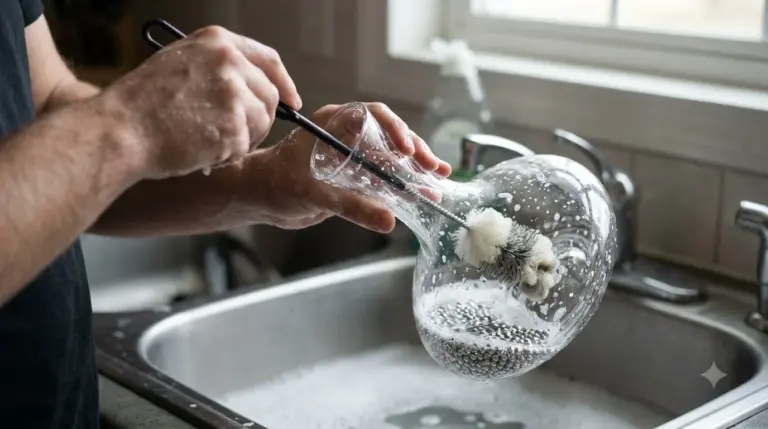
Rinse the inside with warm water immediately after emptying the last glass so pigment does not dry onto the glass. For stubborn stains, swirl warm water with stainless-steel cleaning beads or a soft foam-tipped brush, avoid scented dish soaps that leave lingering aromas, and dry the vessel upside down on a dedicated stand.
Matching your decanter’s silhouette to the age of your bottle protects delicate aromatics while keeping gritty sediment out of your glass. Whether you prefer a sleek narrow carafe for mature Bordeaux or a filtered design for older corks, exploring curated Aerators & Decanters makes every cellar opening smoother and more rewarding.
More in Decanters & Aerators
 Best Whiskey and Wine Decanter: Choosing One Vessel for Both DrinksUpdated Nov 18, 2026
 Best Tower Decanter: How to Pick the Right Shape for Your WineUpdated Nov 18, 2026
 Best Cleaning Brush Decanter Options for Narrow Necks and Deep BowlsUpdated Nov 19, 2026
 Best U Shaped Decanter Picks for Aerating Bold Red WineUpdated Nov 18, 2026
 Best Electric Decanter Styles for Faster, Smoother Wine PoursUpdated Nov 18, 2026
 Best Hand Blown Decanter Styles for Every Bottle and TableUpdated Nov 18, 2026