


We may earn a commission when you buy through links on this page, at no extra cost to you. Learn more.
The best U shaped decanter for most home drinkers is a mid-sized, wide-bodied glass model with a narrow neck and a stable base, because the curved body exposes more wine to air while the narrow neck keeps the pour controlled. If you mostly decant bold reds such as Cabernet Sauvignon or Syrah, choose a larger capacity so the wine has room to open. People with small kitchens or occasional needs will do better with a compact design that is easy to rinse and dry.
A decanter does two jobs: it separates clear wine from sediment in an older bottle, and it introduces air to a young or tightly closed wine. A U shaped decanter handles the second job well. Its narrow neck keeps the pour steady, while the rounded, wide body gives the wine a large surface area to meet oxygen. The Wikipedia overview of decanters describes the same principle in older Venetian designs, which used a long, slender neck opening into a wide body to increase the exposed surface area of the wine. Modern U-shaped versions follow that logic with a curved silhouette that is easier to lift and tilt.
Quick Comparison
Decanter styles differ mostly in body width, neck shape, and how much air the wine meets during the first few minutes after pouring.
| Decanter Type | Body Shape | Air Contact | Storage and Cleaning |
|---|---|---|---|
| U shaped, wide body | Curved, broad body with a narrow neck | High, suited to young reds | Needs a narrow brush and room to dry |
| Classic slender-neck | Long neck opening into a round body | High, similar to U shaped | Often easier to store on a shelf |
| Straight carafe | Plain cylinder with a wide mouth | Moderate | Simple to clean and stack |
| Decanter with aerating spout | Standard body with a built-in spout or insert | High, more controlled | More parts to rinse |
| Compact pour-style decanter | Small body for a single bottle | Lower, suited to lighter wines | Quick to rinse and dry |
The table is a starting point rather than a ranking. A U shaped decanter suits a bold red better than a delicate white, and a plain carafe may be enough for a bottle that only needs to be separated from sediment.
Best for Bold Reds That Need Air
A wide-bodied U shaped decanter is most useful when the wine is young, firmly tannic, or tightly closed, because the broad surface helps the aromas open within a short window.
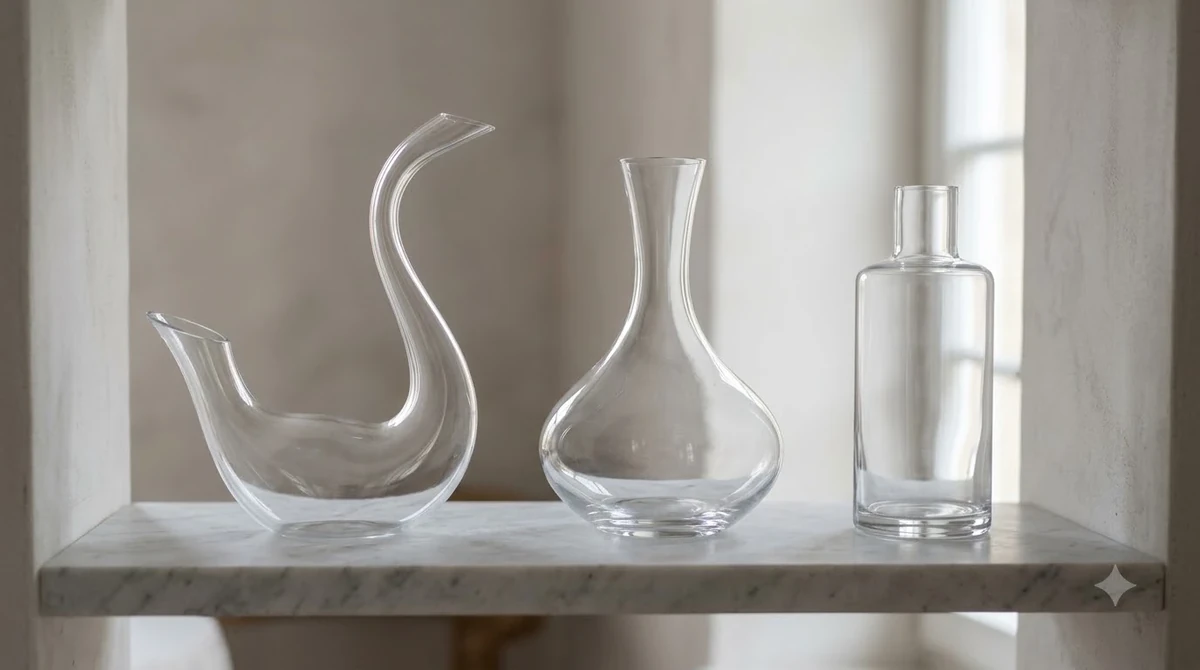
Look for a body wide enough that you can swirl the wine without sloshing it over the rim, and a neck narrow enough to pour without dripping. Thicker glass tends to hold up to repeated use and resists chips at the rim, which is where many decanters first show wear.
Decanting is not always necessary. The Wikipedia overview notes that some experts argue prolonged oxygen exposure can dissipate aroma as well as release it. A young Cabernet may do well with an hour or two in the decanter, while an older, more delicate bottle often needs only a short rest before serving.
Best for Small Kitchens and Occasional Use
A compact U shaped decanter holds about one standard bottle, which keeps the wine from sitting too long in a large vessel and makes cleanup faster.
The smaller body means less surface area, so the aeration is gentler. That can suit a lighter red such as Pinot Noir or a fuller white that only needs a few minutes of air. Check that the neck is wide enough for a brush, since a long, narrow neck can trap drops and leave a film if it is not dried upside down.
Think about where the decanter will live as well. A compact body that fits in a cabinet or on a narrow shelf is easier to reach for often, and a decanter that gets used regularly is more likely to be rinsed right away, which protects the glass from residue and cloudiness.
Best for Entertaining a Crowd
A larger U shaped decanter is practical when you open several bottles before guests arrive and want each one to look and pour the same way.
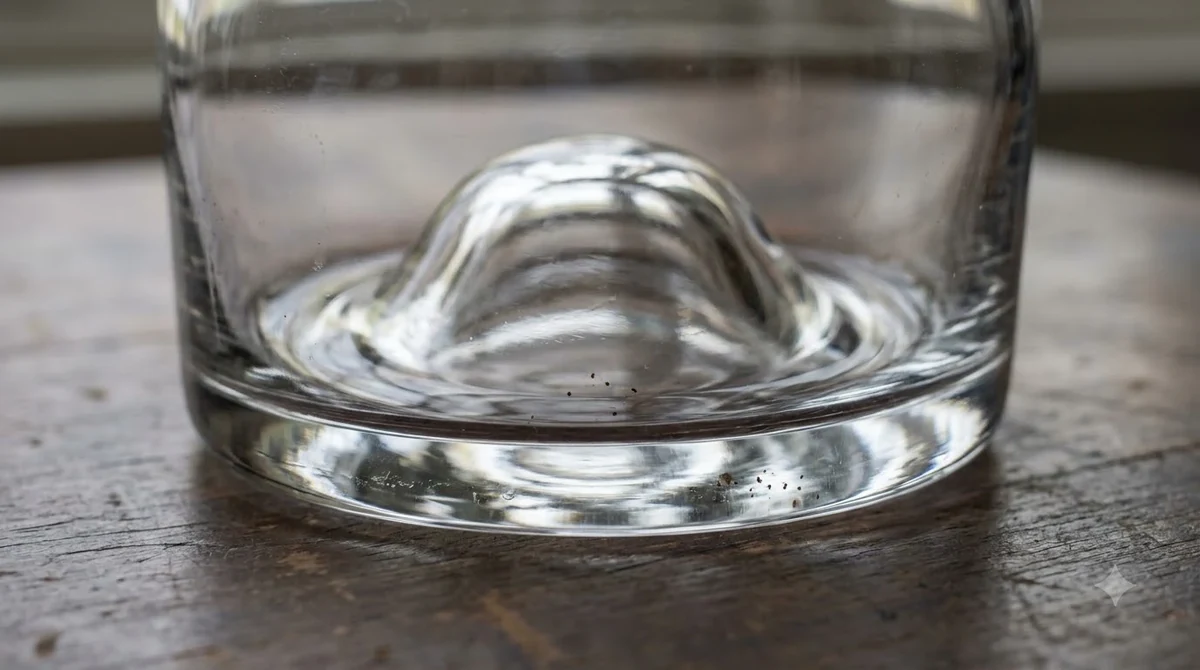
Decant young reds at least an hour before serving, then cover the decanter loosely with a clean cloth or stopper so dust stays out. A stable, heavy base matters on a crowded table, where a tall, narrow body can tip easily when someone reaches past it.
Pour from the decanter into smaller glasses rather than leaving the whole bottle on the table, so the wine does not warm too quickly during a long meal.
If guests arrive at different times, decant only the bottles you expect to serve within the next hour or two, and keep the rest corked until needed. That keeps the wine fresh and avoids a half-empty decanter sitting out at the end of the evening.
Best for Gifts and Display
A clear, well-finished decanter with a stopper makes a practical gift for someone who enjoys wine and wants a piece that looks good on a sideboard.
The Wikipedia overview credits British glassmakers with introducing the stopper in the 1730s, and a stopper limits how much air reaches the wine. That makes a stoppered design a sensible choice for someone who stores wine for a day or two after opening, while an open-mouth carafe suits someone who prefers to drink the bottle at one sitting.
Check the cleaning requirements before you give it. A decanter with a narrow neck and a fitted stopper may need a bottle brush and a drying rack, and the recipient should know that from the start.
A small touch helps the gift feel considered. Pair the decanter with a bottle of the recipient’s favorite red, or add a short note on how to decant and clean it. Those details take little effort and make the present more useful from the first pour.
Best for Budget-Minded Beginners
A plain U shaped decanter with few parts keeps the purchase simple and reduces the number of things that can break or need cleaning.
Beginners often do best with a single, clear body and no spouts or inserts. That keeps the decanter easy to understand and easy to rinse. If you decant older bottles that have settled sediment, a decanting cradle is a separate accessory. The Wikipedia overview describes cradles, usually wicker or metal, that hold a bottle on its side so it can be decanted without stirring up the deposit.
Watch the glass quality rather than the decoration. Clear, evenly blown glass shows the wine’s color, and a smooth rim is easier to pour from without drips.
Before buying, check the opening against the body. A very narrow mouth makes it harder to rinse, while a very wide mouth on a shallow body can make a light decanter feel unsteady when it is empty. A balanced proportion is usually the easiest to live with.
How to Choose
Use these questions to narrow the field before you compare individual models.
- Capacity: one bottle for daily use, or a larger body for dinners with several guests.
- Body width: a wider body gives more air contact, which suits young, tannic reds.
- Neck and pour: a narrow, steady neck reduces drips and splashing.
- Base: a broad, flat base keeps the decanter steady on a crowded table.
- Stopper or spout: a stopper limits air exposure, while a spout can add controlled aeration.
- Cleaning access: confirm that a brush can reach the bottom of the body and that the decanter can dry upside down.
Frequently Asked Questions
Does a U shaped decanter make wine taste better?
It can change the aroma by increasing contact with air, which is most noticeable with young, tannic reds. The effect is debated, and older or delicate wines may lose aroma if they sit too long in a wide vessel.
How long should red wine stay in a decanter?
Young, firm reds often benefit from one to two hours. Older bottles usually need less time, sometimes only a short rest before serving. Taste the wine every so often and stop when it opens up.
Can I decant white wine in a U shaped decanter?
Yes, but use a shorter window. Full-bodied whites such as oaked Chardonnay can open with a little air, while crisp, light whites generally need little or none. Keep the decanter cool if the wine is served chilled.
How do I clean a decanter with a narrow neck?
Rinse with warm water right after use, then use a narrow brush or small cleaning beads to reach the bottom. Dry the decanter upside down so no water sits in the body or neck, which keeps it clear and free of film.
A U shaped decanter is a practical choice for anyone who wants more air contact without extra equipment. Start with the size and body width that match how you drink, then read the wine decanter guide for other styles, or check how long red wine keeps after opening if you are planning to save a partly poured bottle.
More in Decanters & Aerators
 Best Whiskey and Wine Decanter: Choosing One Vessel for Both DrinksUpdated Nov 18, 2026
 Best Tower Decanter: How to Pick the Right Shape for Your WineUpdated Nov 18, 2026
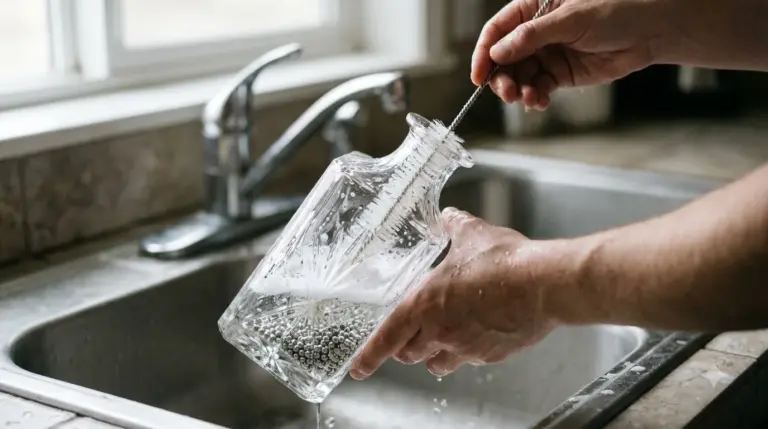 Best Cleaning Brush Decanter Options for Narrow Necks and Deep BowlsUpdated Nov 19, 2026
 Best Electric Decanter Styles for Faster, Smoother Wine PoursUpdated Nov 18, 2026
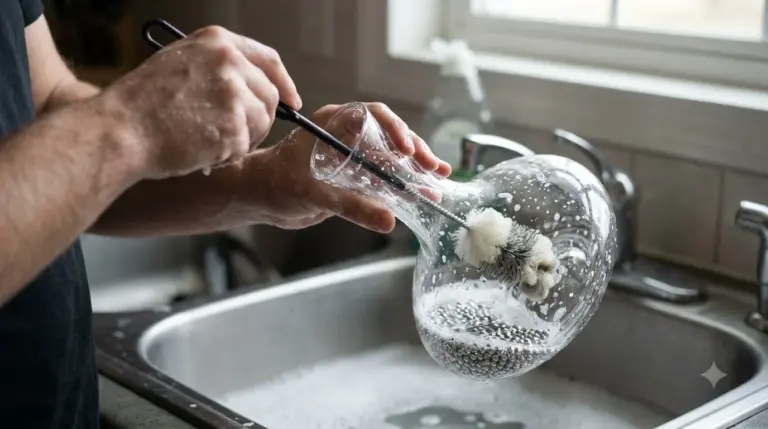 Best Hand Blown Decanter Styles for Every Bottle and TableUpdated Nov 18, 2026
 Best Large Decanter: Top Styles for Magnums, Dinner Parties, and Bold RedsUpdated Nov 18, 2026