

We may earn a commission when you buy through links on this page, at no extra cost to you. Learn more.
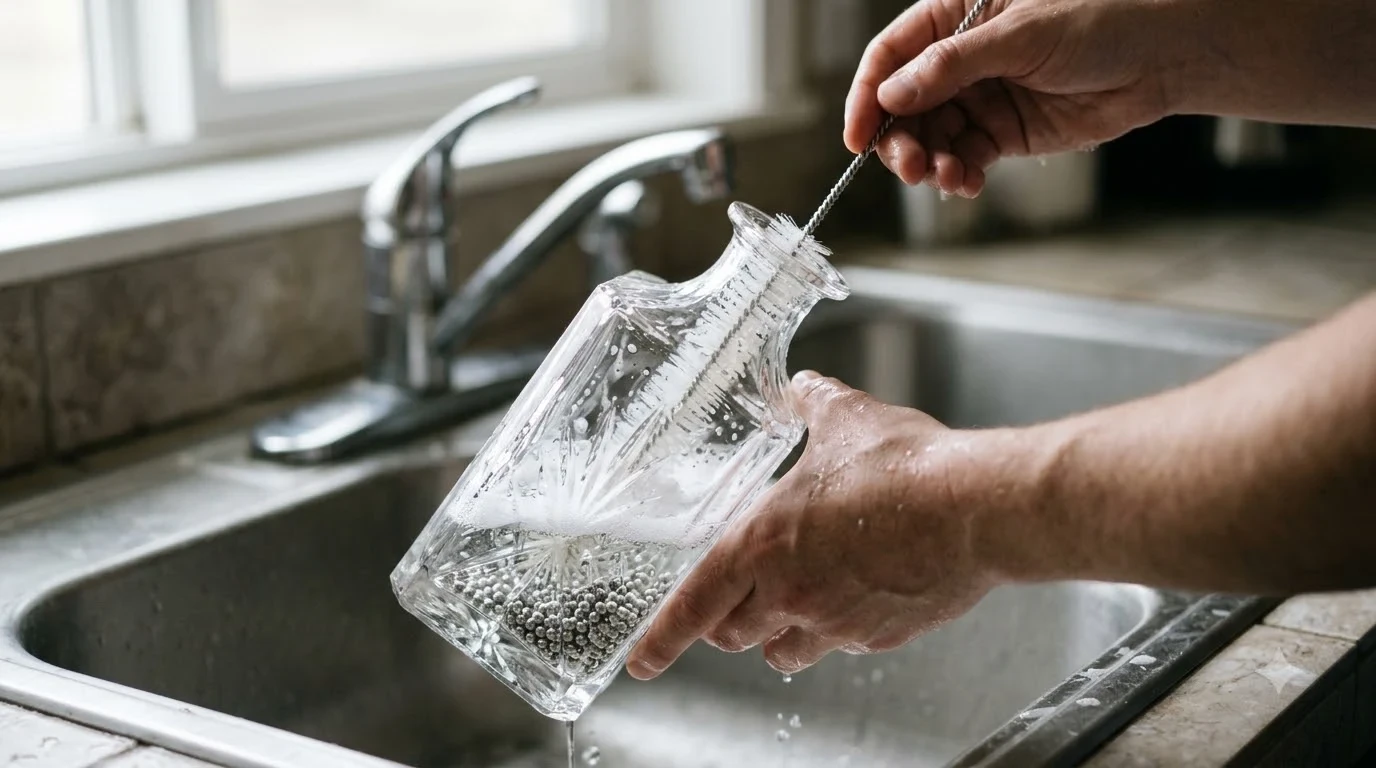
The best cleaning brush decanter choice is the one that reaches the full inside surface without scratching the glass. A long, flexible brush suits narrow necks and tall bodies, a sponge head works for wide bowls, and a soft-bristle brush fits delicate crystal. Pick by neck width, glass type, and how easily the brush dries after washing.
A decanter holds a lot of surface area for a small opening, and wine residue can settle on the inside walls, around the shoulder, and along the base. A good brush clears that residue without leaving haze or scratches. This guide compares the main brush styles, explains what each one reaches, and lists the checks that matter before you buy.
Quick Comparison of Decanter Cleaning Brush Styles
The table compares common brush styles by reach, head type, and suitability for different glass. Use it to narrow the field, then read the sections that match your decanter.
| Style | Head and reach | Best use | Main trade-off |
|---|---|---|---|
| Long flexible brush | Thin bristle head on a bendable shaft | Narrow necks and tall bodies | Can miss the base if the shaft is stiff |
| Sponge head brush | Foam or sponge on a short handle | Wide bowls and gentle cleaning | Can trap residue in the foam |
| Wire-core brush | Twisted wire with soft fibres | Heavy staining and deep decanters | Risky on thin or delicate crystal |
| Soft-bristle brush | Fine bristles on a rigid handle | Crystal and hand-blown glass | Less scrubbing power on set-in stains |
Best for Narrow Necks and Tall Decanters
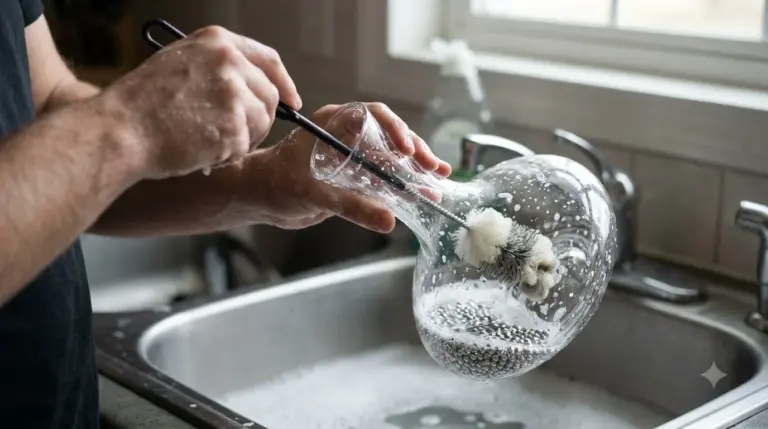
Many decanters have a slim neck and a tall body, which makes it hard to reach the lower walls. A long, flexible brush with a thin head can slide down the neck and follow the curve of the glass. It is the most common choice for a decanter that sits on a shelf and is used often.
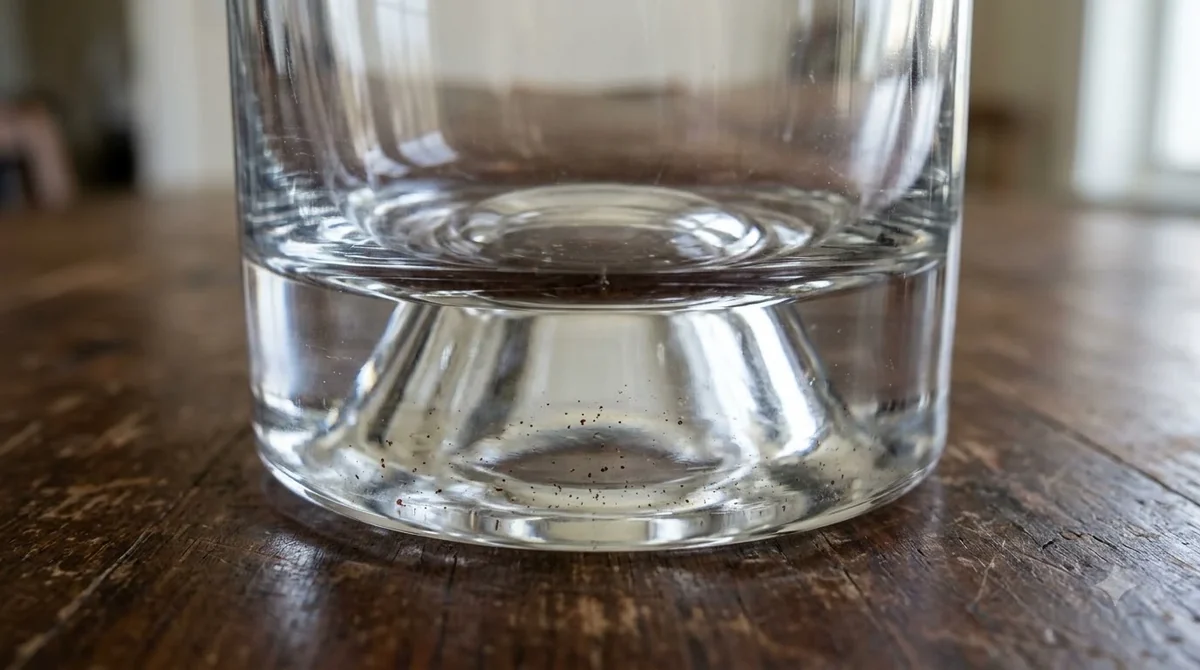
Why it stands out: a flexible shaft bends to match the decanter’s curve, which lets the head reach areas a rigid tool would miss. A thin head also fits through a narrow opening without catching on the rim. Many brushes of this type are long enough to clean the base in one pass.
Keep in mind: a stiff shaft can press against the neck and chip a thin rim, so choose a flexible one for delicate glass. Clean with warm water rather than hot, because sudden temperature changes can stress thin glass. The decanter’s job is to let wine breathe and separate sediment, as the decanter article describes, and a clean inner surface helps it do that job without any off flavours.
Best for Wide Bowls and Everyday Cleaning
A wide decanter, or one used for daily service, benefits from a sponge head. The soft foam glides across the inside walls and lifts light residue without much pressure. It suits a household that rinses the decanter after each use and wants a quick routine. A sponge head also works well for a decanter used with a wide range of wines, since a quick rinse between bottles removes most of the carry-over flavour.
Why it stands out: a sponge head is gentle on glass, which lowers the risk of scratches on a clear surface. It also covers a wide area in a few strokes, so a big bowl takes less time to clean. The short handle keeps the grip steady when the decanter is full of water.
Keep in mind: foam can hold onto residue and smell if it is not rinsed well. Squeeze out the water after each use and let the head dry fully before storing it. Replace a worn sponge, since a crumbling head can leave fibres behind in the glass.
Best for Heavy Staining and Older Decanters
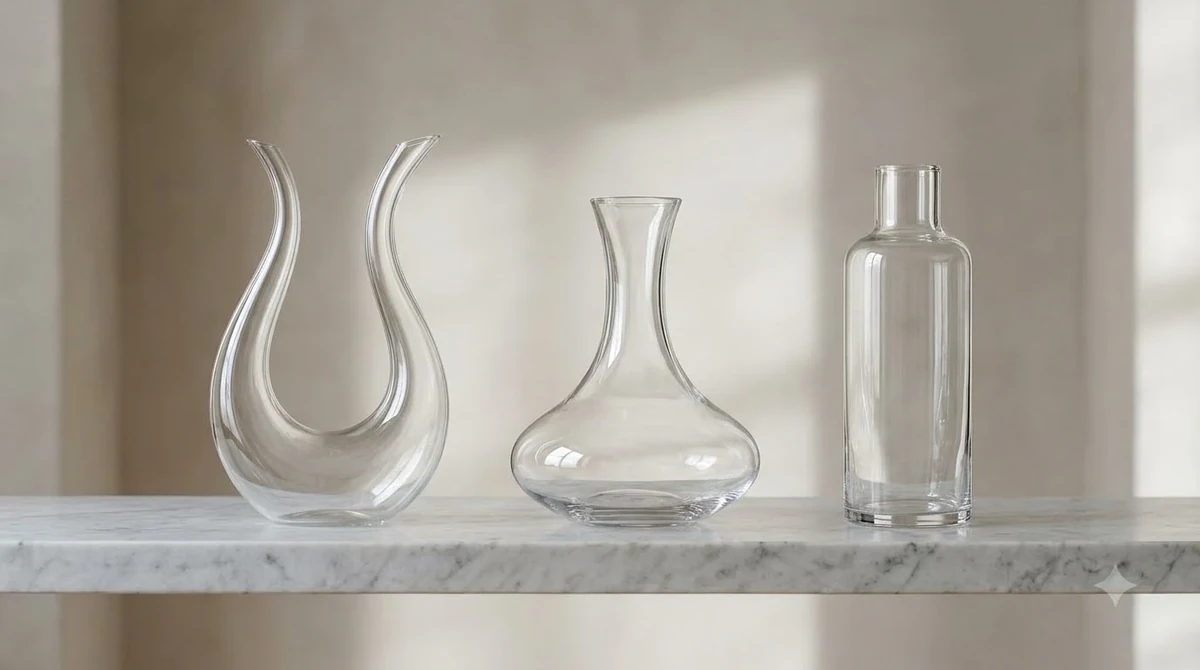
Some decanters carry stubborn marks from years of use, especially around the shoulder where the wine line rests. A brush with a wire core and soft fibres gives more scrubbing power, which helps with set-in residue that a sponge cannot lift.
Why it stands out: the firmer head reaches stains that a soft brush leaves behind, and the wire core holds its shape so the brush does not fold in the neck. A brush like this is useful for a decanter that has not been cleaned in a long time, or one used for a range of wines.
Keep in mind: wire-core heads are risky on thin, hand-blown, or lead crystal, where light pressure matters. Test the brush on a spare area first, and use a mild cleaning solution rather than harsh chemicals. If a stain stays after gentle cleaning, a decanter-safe soak may work better than extra force.
Best for Crystal and Hand-Blown Glass
Fine crystal and hand-blown decanters need a brush that cleans without leaving marks. A simple routine works well here: rinse the bowl with warm water, add a small amount of mild soap, brush with light strokes, rinse twice, and dry upside down. Repeating this after each use prevents the film that makes a clear bowl look cloudy. A soft-bristle brush with a rigid handle gives control over pressure, and the fine fibres follow the glass without catching on edges or bubbles.
Why it stands out: soft bristles are less likely to leave hairline scratches, which matter on a clear surface that is shown in a cabinet or on a dining table. The rigid handle gives control, so the brush stays in the bowl rather than bouncing against the walls.
Keep in mind: soft bristles lift less residue than firmer heads, so they suit regular cleaning rather than heavy staining. Allow the decanter to dry upside down on a clean towel. Water left inside a crystal bowl can leave spots that a brush alone will not remove.
Best for Gifts and Decanter Care Sets
A cleaning brush can be a practical gift for someone who already owns a decanter. The best gift matches the glass: a flexible brush for a tall decanter, a sponge head for a wide one, or a set with both for a household that owns several.
Why it stands out: a brush is used after almost every decanting session, so a gift like this gets regular use. A set with two heads also covers different glass shapes, which makes it useful for hosts who own more than one decanter.
Keep in mind: check the decanter’s neck width before buying, since a brush that is too thick will not fit. Some sets include a drying rack or a stand, which helps the decanter dry without trapping water in the bowl.
How to Choose the Right Decanter Cleaning Brush
Most cleaning problems come from using the wrong head for the glass. Check these points before you buy.
- Neck width: measure the opening so the brush head passes through without forcing.
- Glass type: choose soft bristles or a sponge for crystal, and reserve firmer heads for sturdy everyday glass.
- Shaft flexibility: a bendable shaft reaches the base of a tall decanter more easily.
- Drying: heads that dry fast and do not trap water reduce odour and spotting.
- Replacement: check whether heads can be swapped, since worn sponges and bristles need replacing.
Frequently Asked Questions
What is the best cleaning brush for a narrow decanter neck?
A long, flexible brush with a thin head is usually the best fit. It passes through the opening and follows the curve of the body, so the walls and base get cleaned without forcing the brush.
Can I use a wire brush on crystal?
It is safer to avoid firm wire heads on crystal, since light pressure matters on thin glass. A soft-bristle or sponge brush is a gentler choice for crystal and hand-blown pieces.
How do I dry a decanter after cleaning?
Rinse thoroughly, then let the decanter air-dry upside down on a clean towel. Avoid leaving water in the bowl, because it can leave spots or a faint smell once it dries.
How often should I clean a decanter with a brush?
Rinse it after each use, and brush it when residue builds up or when you switch between very different wines. A regular routine keeps the walls clear and avoids the need for heavy scrubbing.
A good cleaning brush keeps a decanter clear, dry, and ready for the next pour. Measure the neck, match the head to the glass, and choose a brush that dries quickly. For more on the decanter itself, see the wine decanter guide, and for brushes and beads that suit a crystal bowl, browse decanter cleaning beads. The Aerators & Decanters section compares the rest of the setup.
More in Decanters & Aerators
 Best Whiskey and Wine Decanter: Choosing One Vessel for Both DrinksUpdated Nov 18, 2026
 Best Tower Decanter: How to Pick the Right Shape for Your WineUpdated Nov 18, 2026
 Best U Shaped Decanter Picks for Aerating Bold Red WineUpdated Nov 18, 2026
 Best Electric Decanter Styles for Faster, Smoother Wine PoursUpdated Nov 18, 2026
 Best Hand Blown Decanter Styles for Every Bottle and TableUpdated Nov 18, 2026
 Best Large Decanter: Top Styles for Magnums, Dinner Parties, and Bold RedsUpdated Nov 18, 2026