

We may earn a commission when you buy through links on this page, at no extra cost to you. Learn more.
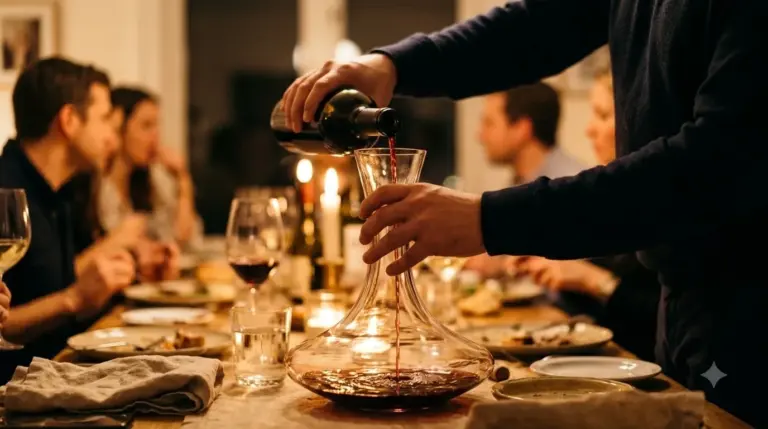
The best hand blown decanter for your table depends on the bottles you open most often, with wide-base ships’ decanters leading the pack for bold young reds that need maximum oxygen exposure. If you regularly pour delicate vintage bottles with heavy sediment, a tall, narrow-shouldered duck or swan silhouette limits surface area while catching bitter lees. Casual weeknight drinkers benefit most from thick-walled borosilicate carafes that clean easily, whereas dinner party hosts often favor sculptural loop or double-chamber vessels built for steady, drip-free service.
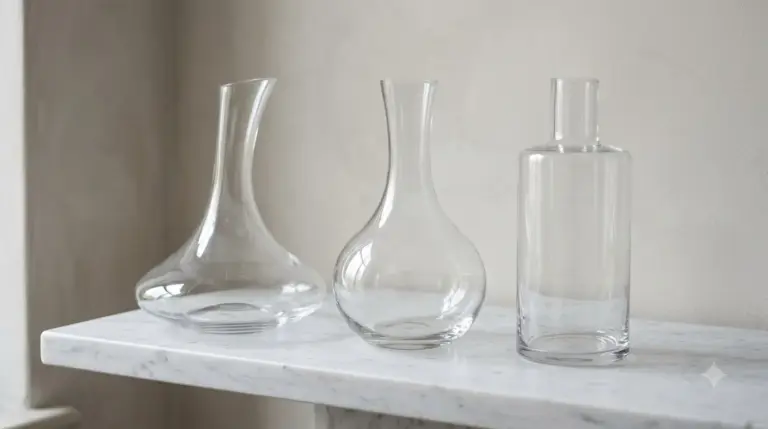
Machine-molded glass gets the job done, yet mouth-blown crystal and glass vessels bring lighter balance in the hand, sharper pouring lips, and smooth walls that show off a wine’s color without optical distortion. Because each vessel is shaped by a glassmaker’s breath and tools rather than a factory seam, subtle variations in bowl width and neck angle directly change how fast your wine opens up.
Quick Comparison
Every decanter silhouette controls oxygen contact and pouring ergonomics differently, so matching the vessel shape to your favorite wine styles makes all the difference.
| Decanter Type | Primary Wine Style | Aeration Speed | Ease of Cleaning | Pour Control |
|---|---|---|---|---|
| Wide-Base Ship’s Decanter | Full-bodied young reds | Fast (30–90 minutes) | Moderate | Good with broad grip |
| U-Shaped & Swan Carafe | Medium- to full-bodied reds | Fast (dual-opening airflow) | Challenging | Excellent one-handed |
| Narrow Amphora & Duck | Aged reds, whites, sparkling | Gentle (15–30 minutes) | Moderate | Very high precision |
| Ergonomic Thumb-Punt Vessel | Everyday reds & table service | Moderate to fast | Easy to moderate | Superior stability |
| Straight-Sided Borosilicate Carafe | Weeknight reds, rosés, whites | Moderate (20–45 minutes) | Very easy | Good, lightweight |
Best for Bold Young Reds: Wide-Base Ship’s Decanter
A classic wide-base ship’s decanter provides the broadest possible liquid surface area, making it the top choice for tannic, full-bodied young wines like Cabernet Sauvignon, Nebbiolo, and Syrah.
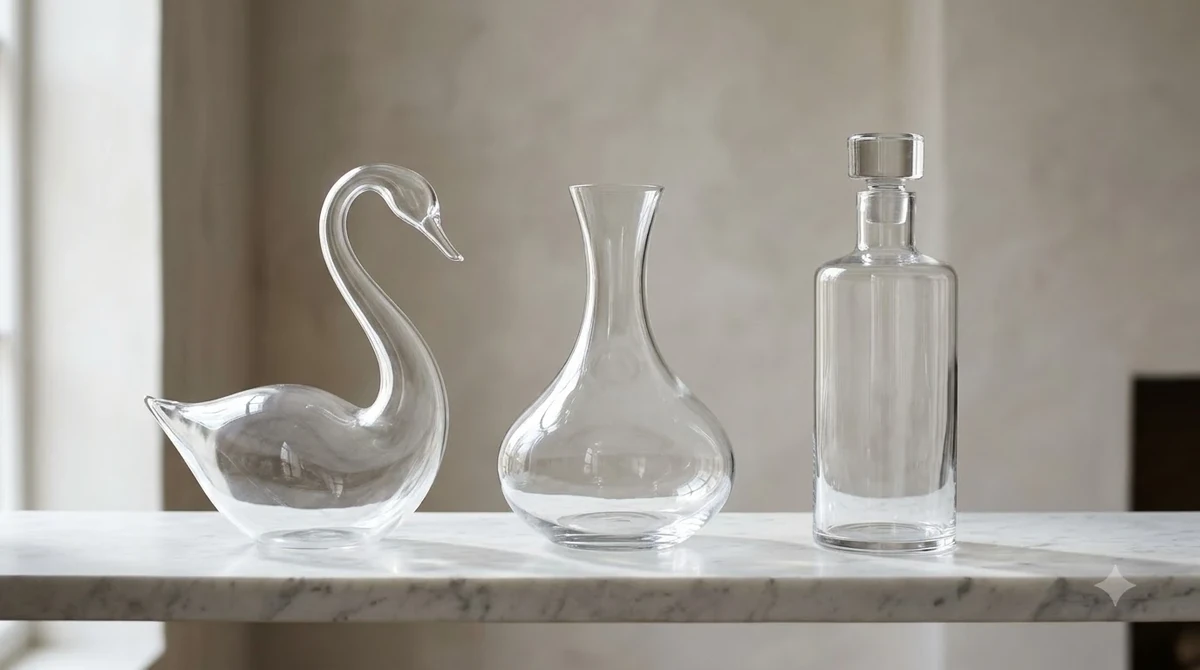
Why it stands out: Originally designed with a low center of gravity to stay upright on rolling wooden galleons, the broad-bottomed bell shape spreads a standard 750-milliliter bottle into a shallow pool. According to guides from Wine Folly, maximizing surface-to-air contact softens astringent tannins and lets trapped fruit and floral aromatics rise within 60 to 90 minutes. Hand-blown lead-free crystal versions feature razor-thin, cold-cut rims that slice cleanly through the stream so red droplets do not run down the neck onto your tablecloth.
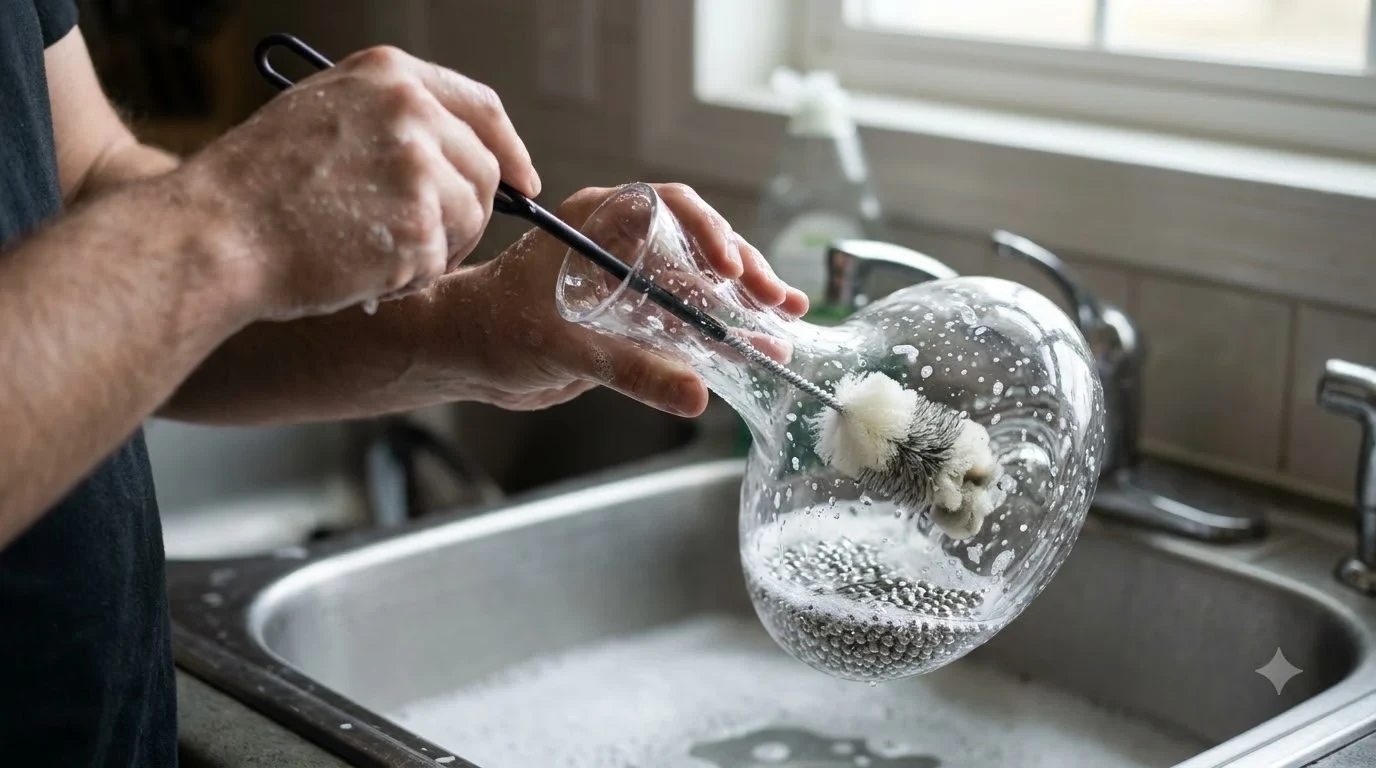
Keep in mind and best for: That generous belly takes up serious real estate on a crowded dining table and requires a flexible, angled decanter brush to reach the outer edges during cleanup. Choose this classic silhouette if you love structured young reds and want a traditional centerpiece that accelerates oxygenation without mechanical gadgets.
Best for Dinner Party Showstoppers: U-Shaped and Swan Decanters
Sculptural U-shaped and swan-neck vessels combine dramatic table presence with dual-opening airflow, aerating wine rapidly during both the fill and the pour.
Why it stands out: Glassblowers shape these curved tubes by hand-stretching molten crystal into graceful arcs with a wide funnel mouth on one end and a slender, tapered spout on the other. Wine cascades down the curved interior wall upon entry, picking up oxygen immediately, while the separate pouring spout creates a smooth, laminar flow that prevents glugging at the table. Reviewers at wine publications frequently highlight how effortless the balanced arch feels when serving guests across a wide table, especially when browsing options for a wine decanter that doubles as functional art.
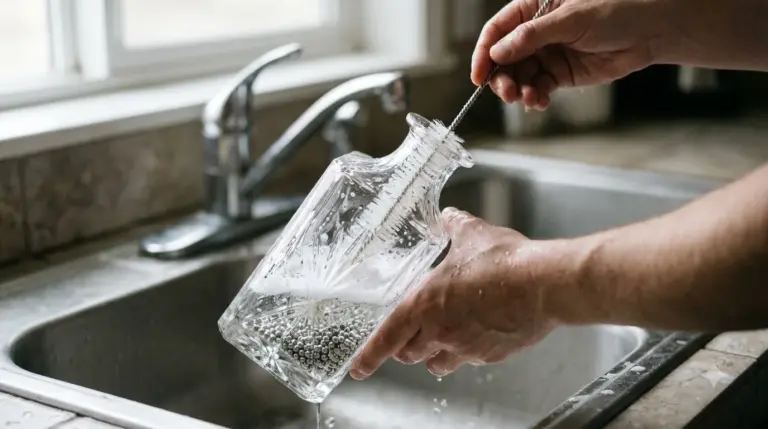
Keep in mind and best for: Narrow, curved tubing makes manual scrubbing nearly impossible; you will need stainless steel cleaning beads and a dedicated drying stand to prevent water spots inside the bend. This style is best for hosts who entertain regularly and want a conversation-starting vessel that delivers fast aeration and pinpoint pouring accuracy.
Best for Aged Vintages and Delicate Whites: Narrow Amphora and Duck Decanters
Tall, slender amphora silhouettes and tilted duck-style decanters minimize air exposure, protecting fragile older wines and aromatic whites from losing their nuance.
Why it stands out: As VinePair explains, decanting bottles aged ten years or longer is primarily about separating clear wine from bitter sediment rather than forcing aggressive oxidation. A narrow bowl keeps the surface area compact so delicate tertiary aromas of leather, dried rose, and forest floor stay intact while you serve. Duck decanters—which rest horizontally on a glass foot with an angled neck—also keep sediment settled safely along the lower curve of the belly, and their slender footprint fits neatly inside a refrigerator door when chilling reduced white or rosé wines.
Keep in mind and best for: Because the bowl holds wine in a deeper column, young tannic reds will take considerably longer to soften in this shape compared to a broad-bottomed carafe. Pick a narrow amphora or duck vessel if your cellar leans toward mature Bordeaux, aged Barolo, Burgundy, or complex skin-contact whites.
Best for Effortless One-Handed Pouring: Ergonomic Thumb-Punt Vessels
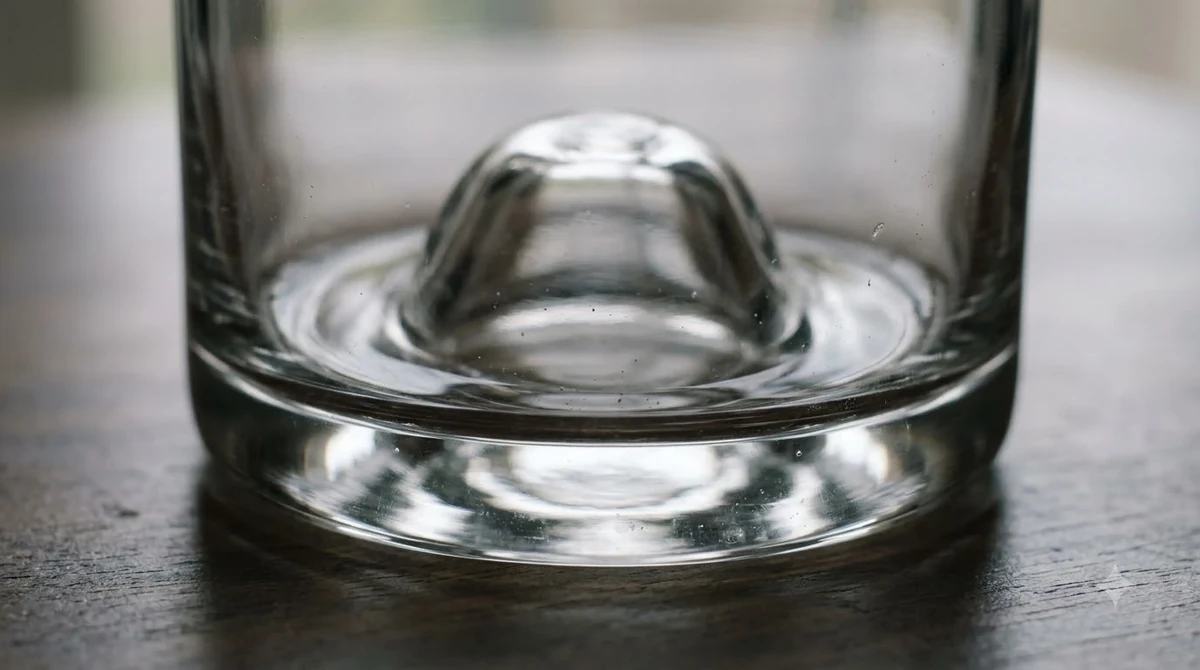
Hand-blown decanters crafted with a deep glass indentation—or punt—in the base allow you to cradle and pour a full bottle securely using just one hand.
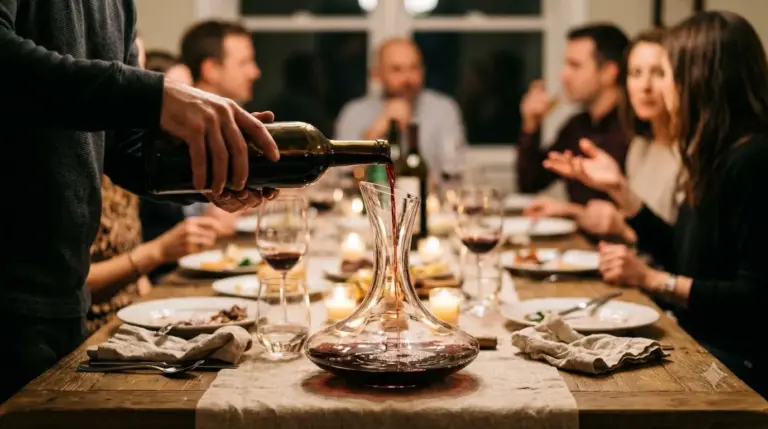
Why it stands out: Lifting a wide, heavy vessel filled with 25 ounces of liquid by a slippery glass neck often leads to wrist strain and unsteady pours. By pressing a smooth hollow directly into the underside while the glass is still pliable, artisans create an ergonomic thumb-hold that shifts the weight directly into your palm. You get sommelier-level control over every glass, making it easy to divide a bottle evenly among six or eight guests without spilling a drop, or to pair the vessel with matching stemware in a coordinated decanter set.
Keep in mind and best for: The inward dome slightly reduces internal volume, so verify that the vessel holds a full 750-milliliter bottle with plenty of breathing room left in the widest part of the bowl. This design suits anyone who prioritizes physical comfort, stability, and precision table service over towering sculptural height.
Best for Everyday Weeknight Use: Straight-Sided Borosilicate Carafes
Lightweight, straight-walled carafes blown from lab-grade borosilicate glass strip away fussiness, delivering reliable aeration and effortless cleanup for casual weeknight pours.
Why it stands out: Unlike delicate lead-free crystal that demands careful hand-washing and polishing, borosilicate glass resists thermal shock and minor countertop bumps while remaining remarkably thin and clear. Its clean, cylindrical neck lets a standard sponge or bottle brush slide straight to the bottom in seconds, and its compact diameter slides easily onto a pantry shelf or bar cart. If you only plan to finish half a bottle over dinner, you can also check our guide on how long does red wine last after opening before transferring leftovers back into a stoppered bottle for the next evening.
Keep in mind and best for: Straight walls provide less surface area than a wide ship’s decanter, meaning bold, youthful reds benefit from an extra 15 to 20 minutes of rest before dinner. Go with a simple borosilicate carafe if you open wine several nights a week and want zero-hassle maintenance.
How to Choose
Selecting the right hand-blown vessel comes down to balancing glass composition, capacity, and how much time you want to spend on post-dinner cleanup.
- Lead-free crystal vs. borosilicate glass: Lead-free crystal offers brilliant optical clarity, high refractive sparkle, and thin, crisp pouring rims, though it requires gentle hand-washing. Borosilicate glass is lighter, far more resistant to temperature swings and accidental knocks, and often sturdy enough for top-rack dishwasher cycles.
- Capacity and breathing room: A standard wine bottle holds 750 milliliters (about 25.4 ounces). Look for a decanter rated between 1,000 and 1,500 milliliters so the wine sits at the widest equator of the bowl rather than creeping up into the narrow neck.
- Rim finish and drip prevention: Hand-blown decanters typically feature either a cold-cut laser-polished rim or a softly rolled lip. Cold-cut edges slice liquid cleanly without dripping, while flared lips make pouring wine out of the bottle into the decanter much easier without a funnel.
- Cleaning and drying practicality: Narrow necks and curved tubes look striking on a sideboard, yet trapped moisture quickly leaves cloudy mineral rings inside the glass. Make sure your chosen shape accommodates a curved foam brush, cleaning beads, or an inverted drying rack, or explore faster alternatives in our Aerators & Decanters hub.
Tip: Skip dish soap when washing your hand-blown decanter—even tiny traces of scented detergent cling to microscopic pores in glass and can flatten wine aromas on your next pour. Rinse thoroughly with hot water right after dinner, swirl a handful of coarse salt or stainless steel beads with warm water to lift purple stains, and air-dry upside down on a microfiber towel.
Frequently Asked Questions
What makes a hand blown decanter better than a machine-made one?
Hand-blown decanters lack the thick vertical mold seams found on mass-produced glass, creating smoother interior walls that let wine swirl evenly and display its true hue. Artisans can also draw thinner, better-balanced glass walls and craft cold-cut pouring rims that prevent drips far more effectively than heavy stamped lips.
Is lead crystal safe to use in a wine decanter?
Traditional lead crystal is safe for decanting wine over the course of a few hours during dinner, as minimal leaching occurs during short serving windows. However, because wine is acidic, you should never store wine in a leaded decanter for days or weeks—and most modern hand-blown decanters now use barium, zinc, or titanium to achieve identical brilliance completely lead-free.
How long should I decant red wine before serving?
Light-bodied reds like Pinot Noir and Gamay generally need only 20 to 30 minutes to open up, while medium-bodied Merlot, Sangiovese, and Tempranillo shine after 30 to 60 minutes. Full-bodied, high-tannin bottles such as Cabernet Sauvignon, Nebbiolo, and Syrah often benefit from 60 to 120 minutes in a wide-base decanter.
Can you put white, rosé, or sparkling wine in a hand blown decanter?
Yes—full-bodied white wines like oaked Chardonnay, aged white Burgundy, and skin-contact orange wines often open up noticeably after 15 to 30 minutes in a narrow decanter. Even reduction-prone grower Champagnes or crisp rosés with a slight struck-match aroma can benefit from a gentle pour into a slender vessel to blow off volatile sulfur compounds.
The right hand-blown silhouette turns opening a bottle into an unhurried ritual while coaxing deeper aroma and texture out of every glass. Start by matching the bowl width to the wines you pour most frequently, and you will have a functional centerpiece built to serve your table for decades.
More in Decanters & Aerators
 Best Whiskey and Wine Decanter: Choosing One Vessel for Both DrinksUpdated Nov 18, 2026
 Best Tower Decanter: How to Pick the Right Shape for Your WineUpdated Nov 18, 2026
 Best Cleaning Brush Decanter Options for Narrow Necks and Deep BowlsUpdated Nov 19, 2026
 Best U Shaped Decanter Picks for Aerating Bold Red WineUpdated Nov 18, 2026
 Best Electric Decanter Styles for Faster, Smoother Wine PoursUpdated Nov 18, 2026
 Best Large Decanter: Top Styles for Magnums, Dinner Parties, and Bold RedsUpdated Nov 18, 2026