

We may earn a commission when you buy through links on this page, at no extra cost to you. Learn more.
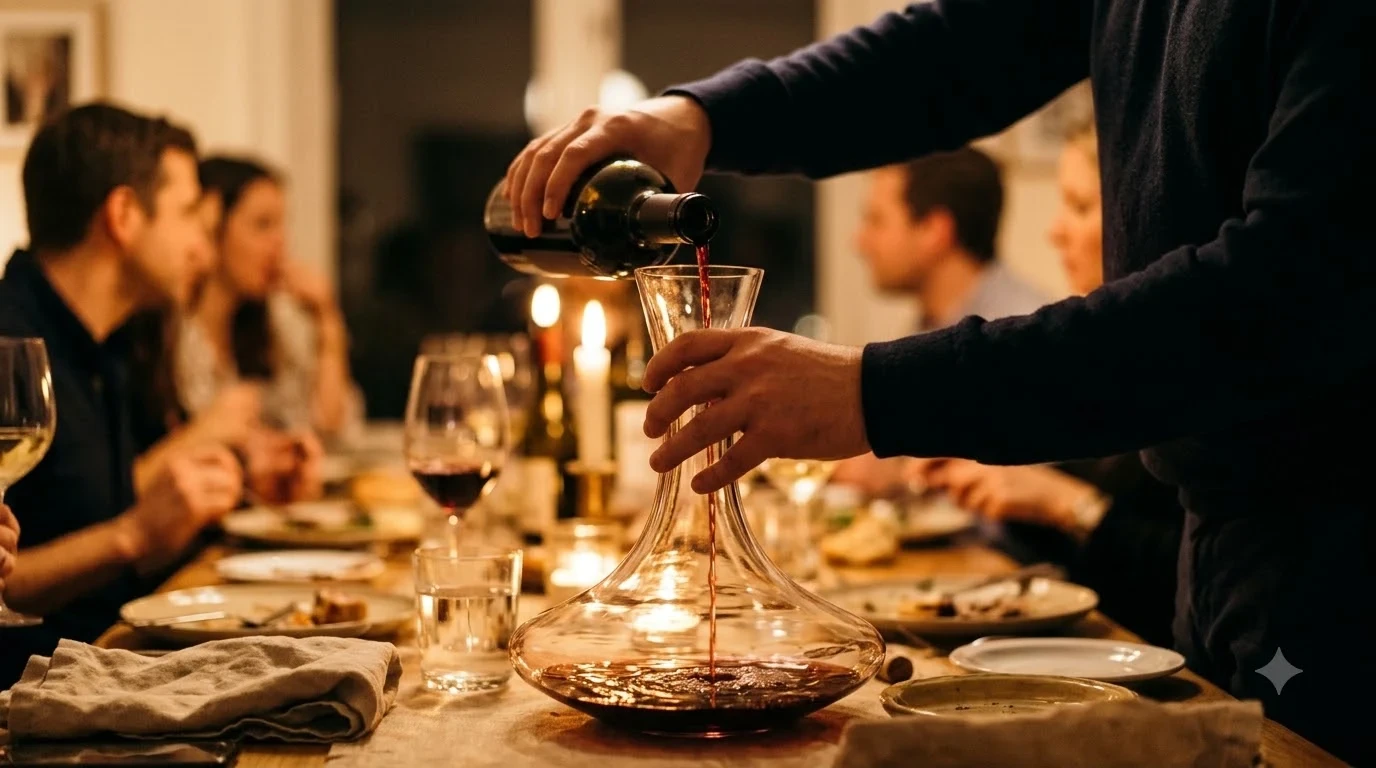
The best large decanter for most wine lovers is a wide-base magnum vessel holding 1,500 ml to 2,000 ml, which provides enough surface area and headspace to aerate a full 1.5-liter bottle or two standard 750 ml bottles at once. If you regularly pour older, sediment-heavy wines, a sloped-shoulder classic shape offers better control during the pour, while dual-spout or sculptural vessels maximize oxygen contact for young, tightly wound reds. For busy hosts who want fast results without waiting an hour, an oversized decanter with a built-in aerator and strainer combines high capacity with immediate serving convenience.
Stepping up from a standard vessel to a high-capacity design changes how you host dinner parties and handle special-occasion bottles. Because 1.5 liters of wine weighs more than three pounds before you even factor in the glass, balance, grip, and base geometry matter just as much as raw volume. Below, we break down the five core styles of large-format vessels so you can match the right silhouette to your cellar and table habits.
Quick Comparison
Each large-capacity style trades off aeration speed, sediment control, and ease of handling depending on its base width and neck geometry.
| Decanter Type | Ideal Capacity | Aeration Speed | Sediment Control | Ease of Cleaning | Best Use Case |
|---|---|---|---|---|---|
| Wide-Base Magnum Vessel | 1,500–2,000 ml | Fast | Moderate | Moderate | Young, full-bodied reds and magnums |
| Sloped-Shoulder Classic | 1,500–1,800 ml | Moderate | High | High | Aged, sediment-heavy bottles |
| Swan & Dual-Spout Sculptural | 1,500–1,900 ml | Very Fast | Low | Low | Dramatic table service and bold reds |
| Built-In Aerator & Filter Tower | 1,500–2,000 ml | Immediate | Very High | Moderate | Last-minute dinner party pouring |
| Heavy-Base Everyday Carafe | 1,500–2,000 ml | Slow to Moderate | Low | Very High | Casual entertaining and chilled whites |
Best for Young, Full-Bodied Reds and Magnums
A wide-base magnum decanter uses a broad, flat bottom—often eight to ten inches across—to spread a 1.5-liter bottle into a shallow pool with maximum oxygen exposure. This classic broad-bellied profile is the gold standard when you want to soften firm tannins in young Cabernet Sauvignon, Syrah, or Nebbiolo.
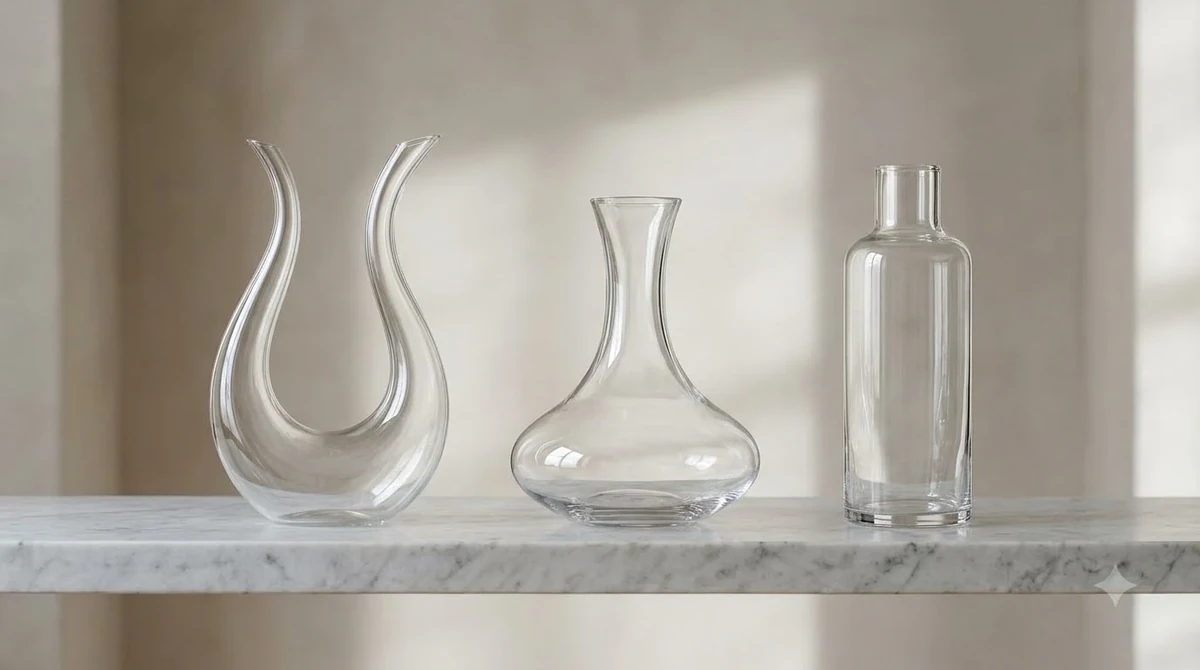
Why it stands out: According to Wine Folly’s decanter selection guide, matching a full-bodied red with a wide base accelerates oxygen contact, helping harsh astringency mellow while floral and dark fruit aromas open up. When you pour a standard 750 ml bottle into a 1,800 ml or 2,000 ml wide-base vessel, the wine sits even thinner across the floor of the glass, cutting typical wait times from two hours down to roughly forty-five minutes. When hosting a crowd, that same capacity easily holds two standard bottles or a single 1.5-liter magnum with enough headspace left over for a gentle swirl before serving.
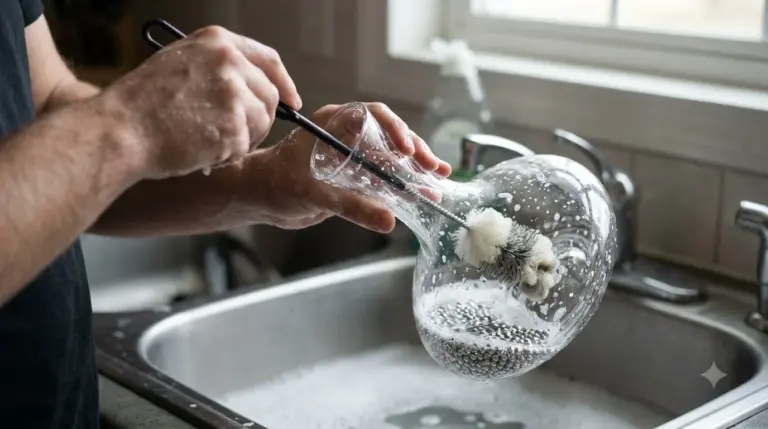
Keep in mind and best for: Because a broad base holds significant liquid weight far from your wrist, look for a model with a deep thumb punt on the underside or an elongated, slightly flared neck that gives your hand secure leverage. Drying the wide interior floor takes patience, so a flexible microfiber wand or stainless-steel cleaning beads are essential accessories. This style is best for collectors and hosts who frequently open structured, youthful reds or celebrate with magnum bottles.
Best for Aged Wines with Heavy Sediment
A tall, sloped-shoulder large decanter prioritizes gentle aeration and clean separation over aggressive oxygenation, featuring a narrower profile and angled walls that trap fine deposits as you pour. It is built specifically for mature Bordeaux, vintage Port, and aged Barolo that have spent a decade or more resting on their sides.
Why it stands out: Older wines are fragile; blasting them with too much oxygen in a sprawling flat-bottomed bowl can cause delicate tertiary aromas of dried herbs, leather, and truffle to fade before everyone finishes their first glass. A sloped-shoulder silhouette offers a smaller surface-to-volume ratio while providing distinct glass contours where fine sediment can settle cleanly against the shoulder rather than sliding into the neck. Reviewers at Wine Enthusiast also highlight angled spouts and indented bases on larger vessels for giving hosts steady, drip-free control when decanting prized bottles over a light source.
Keep in mind and best for: You still need to stand the bottle upright for at least twenty-four hours before opening and pour slowly in one continuous motion so the sediment stays undisturbed along the bottle’s shoulder. While it will not open up a tight, newly released Napa Cabernet as quickly as a wide-bellied design, its upright footprint fits easily on crowded dining tables and inside narrow cabinet shelves. Choose this type if your cellar leans toward mature vintages or if you want a versatile wine decanter that balances elegance with practical storage.
Best for Dramatic Table Presentation
Swan-neck and dual-spout sculptural decanters turn wine service into a centerpiece, using sweeping U-shaped or curved glass tubes that aerate wine twice—once as you fill the wide rear opening and again as you pour from the tapered spout. Holding up to 1,900 ml, these hand-blown pieces double as functional bar-cart art.
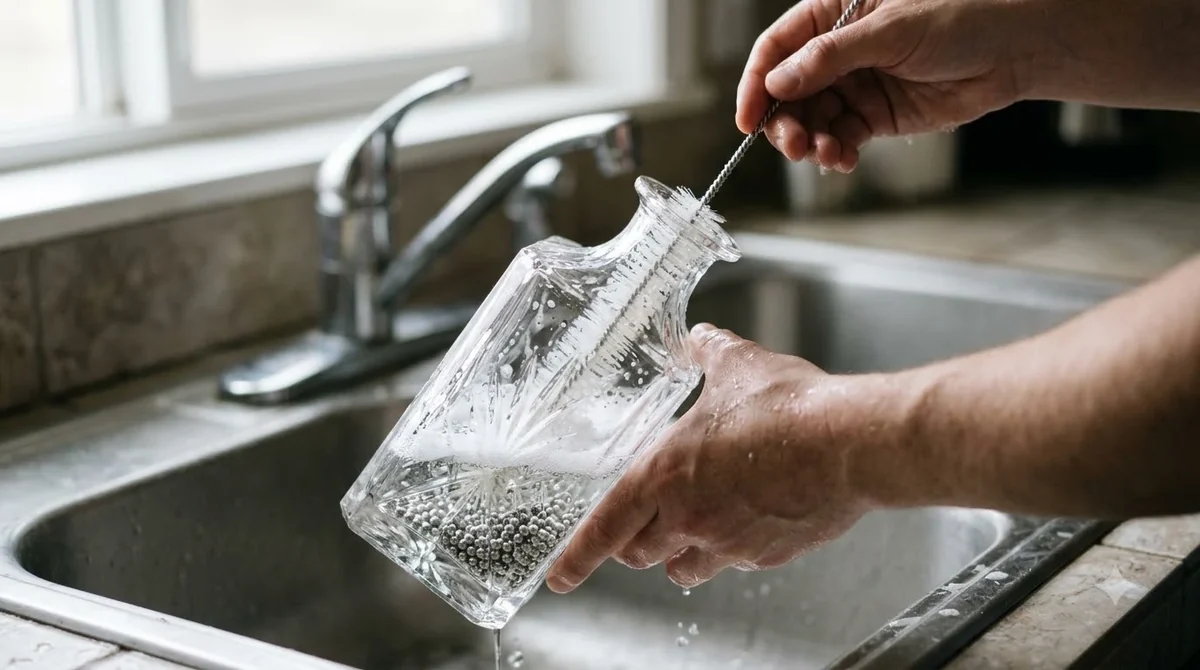
Why it stands out: Beyond visual drama, the elongated pathway forces wine to sheet thinly along the interior crystal walls during both filling and serving, introducing vigorous aeration without requiring you to swirl a heavy vessel. The wide rear mouth makes transferring wine from a heavy magnum effortless and spill-free, while the slender, elongated pouring neck reaches easily across wide dining tables so you can top off guests’ glasses without reaching over plates. Many modern sculptural designs are blown from lead-free crystal, giving the glass high optical clarity and thin, refined rims that cut cleanly at the end of a pour.
Keep in mind and best for: Intricate curves and narrow spouts are notoriously tricky to scrub and air-dry, often leaving water spots if you do not rinse them immediately with warm water and hang them on a dedicated drying stand. Thin hand-blown walls also demand careful hand-washing and extra caution around granite countertops or crowded sinks. This style is best for hosts who love theatrical dinner service and want an eye-catching vessel for bold, youthful reds.
Best for Instant Aeration and Filtering
An oversized decanter topped with a built-in stainless-steel aerator and fine-mesh sediment screen eliminates the waiting game by oxygenating and straining wine in a single pass as you pour from the bottle. Most models in this category hold 1,800 ml to 2,000 ml, making them workhorses for large gatherings.
Why it stands out: When guests arrive unexpectedly or you decide to open a second magnum mid-meal, waiting an hour for passive aeration is rarely practical. Integrated shower-head or spiral aerators disperse the wine down the inside walls of the vessel, dramatically multiplying air contact in seconds while the removable mesh basket catches tartrate crystals and crumbling cork bits. If you are browsing Aerators & Decanters to streamline your hosting routine, these two-in-one systems replace separate funnels, strainers, and carafes with one cohesive piece.
Keep in mind and best for: Multi-piece stainless-steel and silicone tops add extra parts to disassemble and wash at the end of the night, and some designs require removing the top assembly before pouring into glasses. However, because the glass base itself usually features a wide, straightforward opening, cleaning the main chamber is simpler than scrubbing a narrow-neck crystal piece. Pick this type if you want immediate flavor softening and reliable filtration for weeknight dinners and spontaneous parties alike.
Best for Casual Entertaining and Chilled Wines
A heavy-base, wide-mouth carafe holding 1.5 to 2 liters strips away delicate stems and fragile curves in favor of thick, durable glass that handles everything from batch sangria and casual table reds to chilled white wines. Think of it as the utility player of high-capacity glassware.
Why it stands out: Unlike sprawling, flat-bottomed vessels that monopolize table space and cannot fit through a standard refrigerator door, a tall, cylindrical or gently tapered large carafe slides neatly onto a fridge shelf or inside an ice bucket. That makes it ideal for chilling crisp Pinot Grigio, Sauvignon Blanc, or light-bodied Beaujolais before dinner while still offering enough volume to serve eight to ten guests. Thick soda-lime or borosilicate glass walls resist chipping during busy parties, and many straightforward carafe designs are top-rack dishwasher safe—a rare perk in the large-format category.
Keep in mind and best for: Because the surface area of the wine inside a narrow, upright carafe is much smaller than in a broad-bellied vessel, passive aeration happens slowly; aggressive, tannic reds will still need extra time or a vigorous swirl to soften. If you frequently host multi-course meals and want matching glassware to complete your table, pairing a durable carafe with a coordinated decanter set covers both casual and formal pours. This option is best for everyday hosts who value durability, easy cleanup, and multi-beverage versatility.
How to Choose
Selecting the right large-format vessel comes down to balancing interior volume against physical ergonomics. Before buying, weigh these four practical factors:
- True working capacity vs. brim volume: Manufacturers sometimes list brim-full volume rather than usable capacity. To decant a 1.5-liter magnum comfortably—or two standard 750 ml bottles—look for a listed capacity of at least 1,800 ml to 2,000 ml so the wine sits at the widest point of the bowl with room above it for air circulation.
- Weight and balance when full: Two bottles of wine weigh roughly 3.3 pounds on their own. Add another two to three pounds of thick glass or crystal, and you are lifting over six pounds one-handed. Look for an indented punt in the base for your thumb or a long, contoured neck that lets you grip comfortably without wrist strain.
- Rim thickness and drip control: Thick, rounded lips tend to dribble red wine down the side of the glass onto your tablecloth. Thin, cold-cut rims or gently flared, angled spouts shear the liquid stream cleanly at the end of every pour.
- Material and cleaning access: Lead-free crystal allows thinner walls, lighter weight, and brilliant clarity, while thicker standard glass stands up better to accidental bumps and dishwasher cycles. Make sure the neck is wide enough for a bent decanter brush or cleaning beads to reach the outer edges of the base.
Tip: Never store leftover aerated wine inside a large decanter overnight; the massive surface area will oxidize the remaining pour by morning. Instead, funnel leftovers into an empty half-bottle (375 ml) right up to the neck, recork it, and refrigerate it—a simple trick explained in our guide on how long does red wine last after opening.
Frequently Asked Questions
What size is considered a large wine decanter?
A large wine decanter typically holds between 1,500 ml (50 ounces) and 2,000 ml (68 ounces) or more. While a standard 1,000 ml vessel is sized for a single 750 ml bottle, a large-format model accommodates a full 1.5-liter magnum or two standard bottles with adequate headspace for swirling and oxygen exposure.
Can I use a large decanter for just one standard 750 ml bottle?
Yes, pouring a single 750 ml bottle into a 1,800 ml or 2,000 ml wide-base vessel actually speeds up aeration because the wine spreads into a thinner layer with greater surface-to-air contact. Just keep an eye on the clock, as young reds will open up faster than they would in a smaller vessel, and delicate older wines may oxidize too quickly.
Is lead-free crystal better than regular glass for a large decanter?
Lead-free crystal is lighter, stronger, and offers higher optical clarity, which makes a noticeable difference when you are lifting a heavy magnum-sized vessel full of wine. Standard thick glass is more affordable and often dishwasher safe, making it practical for casual carafes, though hand-blown crystal remains the preferred choice for fine wine service and clean, drip-free rims.
How do you clean and dry a large-capacity decanter without water spots?
Rinse the vessel with hot water immediately after use so tannins and sediment cannot dry onto the glass, avoiding harsh scented dish soaps that can linger in the bowl. Swirl warm water with stainless-steel cleaning beads or a flexible foam wand to remove stains, then invert the vessel on a padded drying stand or use a lint-free microfiber cloth to polish the interior.
The right large-format vessel turns pouring for a crowd from an awkward juggling act into effortless hospitality. Whether you need a sprawling wide-base crystal piece to tame young, muscular reds or a sturdy two-liter carafe that goes straight from the fridge to the patio table, matching the silhouette to your favorite bottles guarantees every pour tastes its best.
More in Decanters & Aerators
 Best Whiskey and Wine Decanter: Choosing One Vessel for Both DrinksUpdated Nov 18, 2026
 Best Tower Decanter: How to Pick the Right Shape for Your WineUpdated Nov 18, 2026
 Best Cleaning Brush Decanter Options for Narrow Necks and Deep BowlsUpdated Nov 19, 2026
 Best U Shaped Decanter Picks for Aerating Bold Red WineUpdated Nov 18, 2026
 Best Electric Decanter Styles for Faster, Smoother Wine PoursUpdated Nov 18, 2026
 Best Hand Blown Decanter Styles for Every Bottle and TableUpdated Nov 18, 2026