

We may earn a commission when you buy through links on this page, at no extra cost to you. Learn more.
Why do you let wine breathe? You let wine breathe to expose the liquid to oxygen, which softens harsh tannins, dissipates unwanted reductive odors, and allows trapped fruit and floral aromas to open up. Most red wines benefit from 20 minutes to two hours of air exposure depending on their body and age, while delicate whites and sparkling wines rarely need much time at all. Simply pulling the cork does very little because the narrow bottleneck restricts airflow; effective breathing requires pouring the wine into a wide-bottomed decanter or swirling it in a large glass.
Wine spends months or years sealed inside an oxygen-deprived bottle before reaching your dinner table. Giving that liquid a controlled window of air contact acts like fast-forwarding its development, smoothing rough edges on the palate and releasing volatile aromatic compounds that would otherwise stay locked away.
What Happens Chemically When Wine Breathes
Exposing wine to ambient air triggers two primary physical and chemical processes: oxidation and evaporation. Together, these reactions reshape how a wine smells and feels from the first pour to the final sip.
Inside a tightly sealed bottle, wine exists in a reductive state starved of oxygen. During this dormancy, certain sulfur-based compounds can accumulate, occasionally producing off-putting scents reminiscent of burnt matches, rubber, or struck flint. When you pour the wine and introduce fresh air, evaporation carries those volatile sulfur compounds away into the room, leaving cleaner fruit, herbal, and earthy notes behind in the glass.
At the same time, controlled oxidation begins interacting with phenolic compounds, most notably tannins—the astringent molecules derived from grape skins, seeds, and oak barrels that make your mouth feel dry. According to Wine Folly’s guide on decanting practices, oxygen exposure softens the perception of astringent tannins while encouraging aromatic compounds to volatilize, making bold red wines taste noticeably rounder, smoother, and more fruit-forward.
Alcohol vapors also disperse slightly during this window. A young, high-alcohol red that smells fiery or sharp straight out of the bottle often settles into a more integrated balance once those initial harsh vapors blow off.
Recommended Breathing Times by Wine Style
Not every bottle requires the same amount of air, and matching the breathing window to the grape variety and structure prevents you from under-aerating a powerhouse red or flattening a fragile white. Full-bodied, tannic reds generally require an hour or more, whereas lighter reds and aromatic whites need far less time.
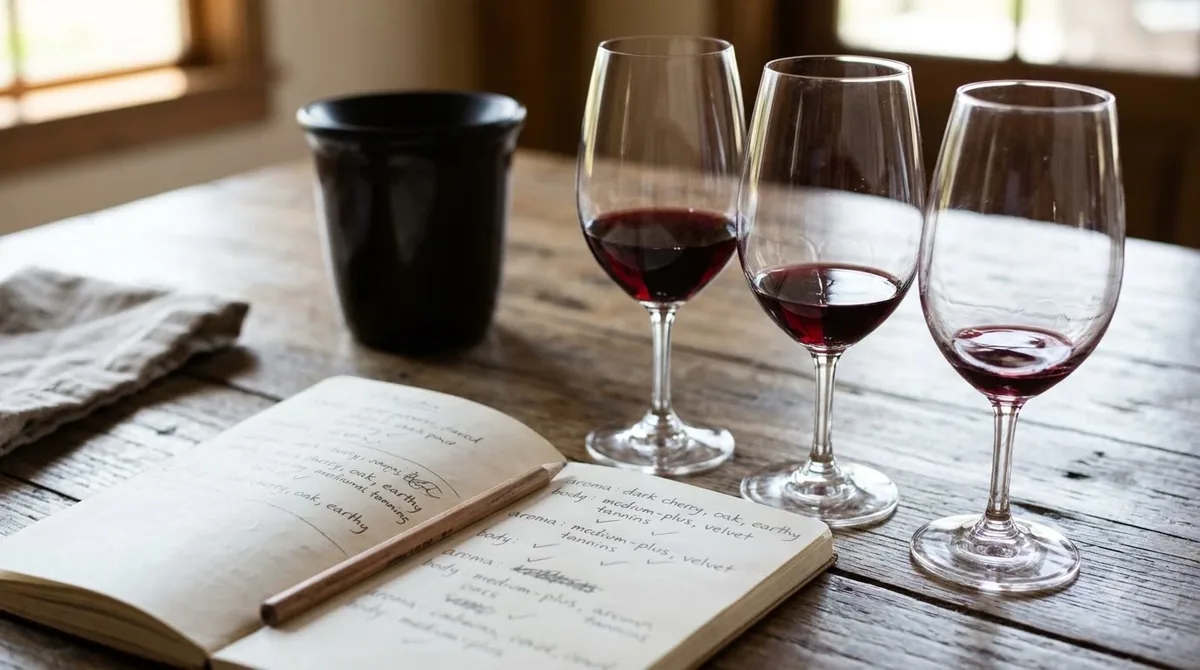
Because grape skin thickness, oak aging, and bottling age dictate how tightly wound a wine is upon opening, winemakers and sommeliers group aeration guidelines by body and style. Young, dense red wines packed with phenolic compounds respond best to extended contact with oxygen, while lighter-bodied reds need only a brief rest before their delicate red-fruit aromatics start to fade.
| Wine Style | Common Examples | Recommended Breathing Time | Primary Benefit |
|---|---|---|---|
| Full-Bodied Red | Cabernet Sauvignon, Nebbiolo, Syrah, Tannat, Petite Sirah | 60 minutes to 2+ hours | Softens firm tannins and integrates oak and alcohol |
| Medium-Bodied Red | Merlot, Malbec, Tempranillo, Sangiovese, Grenache | 30 to 60 minutes | Releases core fruit aromas and rounds out mid-palate grip |
| Light-Bodied Red | Pinot Noir, Gamay (Beaujolais), Zweigelt | 20 to 30 minutes | Lifts floral and berry notes without muting freshness |
| Full-Bodied or Skin-Contact White | Oaked Chardonnay, Orange Wine, White Rhône blends | 15 to 30 minutes | Opens up nutty, textural complexity and blows off reduction |
| Crisp White & Rosé | Sauvignon Blanc, Pinot Grigio, Provence Rosé | 0 to 15 minutes (in glass) | Dissipates any initial sulfur tightness from screwcaps |
| Aged Red (10–20+ Years) | Mature Bordeaux, Vintage Barolo, Aged Rioja | 15 to 30 minutes max (or serve immediately) | Separates sediment without over-oxidizing fragile aromas |
Reviewers at Wine Enthusiast note that color serves as a reliable visual clue when estimating aeration needs. Deep, opaque, inky reds typically carry heavy tannin loads that welcome an hour in a decanter, while translucent, brick-rimmed older reds have already undergone slow oxygen transfer through the cork over decades and can lose their nuance if left sitting out too long.
Why Simply Pulling the Cork Does Not Work
Uncorking a bottle and leaving it standing upright on the kitchen counter hours before dinner accomplishes almost nothing. Effective aeration depends entirely on surface-area-to-air ratio, and a standard wine bottleneck is far too narrow to allow meaningful oxygen exchange.
When wine sits undisturbed in an opened bottle, only the tiny circle of liquid at the top of the neck—roughly three-quarters of an inch across—touches fresh air. Oxygen diffuses downward through stationary liquid at a glacial pace, meaning the bottom three-quarters of the bottle remains virtually untouched even after several hours on the counter.
Experts at Decanter emphasize that pouring even a single small tasting splash changes that geometry immediately. Dropping the liquid level down to the wide shoulder of the bottle dramatically expands the surface area exposed to air inside the glass vessel, while the wine sitting in your glass benefits from immediate, broad contact with the atmosphere.
If you want the entire bottle to open up evenly before guests sit down, transferring the wine into a wide-bottomed decanter spreads the liquid across a broad horizontal plane. That increased surface area accelerates gas exchange, turning a process that would take half a day in a bottleneck into a 45-minute transformation.
Practical Ways to Aerate Your Wine
You do not need specialized barware to let a bottle breathe properly, though different tools offer distinct advantages depending on how much time you have before dinner. From traditional glass vessels to simple glass-swirling techniques, each method controls the speed of oxygen exposure.
- Use a wide-bottomed decanter: Pour the wine steadily down the inside wall of a broad glass decanter so the liquid fans out across the base. This is the gold standard for young, full-bodied reds because it maximizes surface area without bruising delicate aromatics.
- Swirl in a large-bowled glass: Pour a standard five-ounce serving into a generous wine glass and swirl gently for 15 to 30 seconds. Swirling coats the interior glass walls with a thin film of wine, rapidly exposing it to oxygen while concentrating aromas toward the rim.
- Double-decant for stubborn bottles: If a young Cabernet or Barolo tastes tightly closed an hour before dinner, pour it into a decanter, rinse the empty bottle, and funnel the wine back into the original bottle. The two-way transfer introduces a healthy dose of air while keeping the original label on the table.
- Attach an in-line aerator: Handheld venturi aerators sit over your glass and pull air bubbles directly into the stream as you pour. They simulate roughly 30 to 60 minutes of decanting in seconds, making them useful for weeknight young reds—though you should avoid using them on fragile vintage bottles.
Tip: Always pour a small half-ounce taste right after opening before committing the whole bottle to a decanter; if the wine already smells expressive and feels balanced, serve it immediately so you do not overshoot its peak window.
When You Should Skip Letting Wine Breathe
While oxygen rescues tightly wound reds, excessive air exposure actively harms delicate, effervescent, or very old wines. Knowing when to pour and drink immediately protects subtle aromatics and structural balance from fading into flatness.
Sparkling wines—including Champagne, Cava, and Prosecco—should almost never be left out to breathe. Carbonation relies on dissolved carbon dioxide trapped under pressure, and prolonged air exposure causes those fine bubbles to dissipate while warming the liquid past its ideal crisp serving temperature. Readers curious about how traditional aging shapes those bubbles can learn more in our guide on why Champagne is so expensive.
Crisp, aromatic white wines and dry rosés also lose their appeal when over-aerated. Styles rich in volatile thiols—such as New Zealand Sauvignon Blanc, Albariño, or pale Provence bottles—rely on bright citrus and passionfruit compounds that evaporate quickly if left sitting in a wide decanter. Unless a young white exhibits a distinct struck-match sulfur smell from reduction, pouring straight into a chilled glass is best; you can explore how skin contact shapes those lighter styles in our breakdown of why rosé is pink.
Finally, treat reds older than 15 or 20 years with extreme caution. Decades of slow micro-oxygenation through a natural cork have already softened their tannins and transformed primary fruit into savory leather, dried fig, and forest floor notes. Pouring an aged bottle into a wide decanter hours ahead of time can cause those fragile tertiary flavors to collapse within 30 minutes; instead, decant gently just before serving solely to separate the clear wine from harmless bottle sediment.
How Temperature and Glassware Affect Breathing
Aeration does not happen in isolation—serving temperature and glass shape directly govern how fast volatile compounds evaporate and how you perceive tannins on the palate. Pairing proper breathing time with appropriate glassware ensures the wine expresses its regional character cleanly.
Warmer liquids release aromatic molecules faster than cold liquids, which explains why room-temperature reds open up more quickly than chilled whites. However, serving red wine too warm—above 68°F—causes alcohol vapors to overwhelm delicate fruit and floral nuances, making the wine taste hot and soupy even after decanting. Aim to let reds breathe in a cool room around 60°F to 65°F so tannins soften without cooking off fresh aromatics.
Glass geometry finishes the job once the wine leaves the decanter. Oversized Bordeaux or Burgundy bowls trap newly released aromas beneath a tapered rim while giving you plenty of room to swirl safely between sips, highlighting subtle vineyard nuances that reflect what terroir is in wine. If you want to explore more foundational serving habits, browse our wine basics Q&A hub for additional cellar-to-table guidance.
Frequently Asked Questions
Can you let wine breathe for too long?
Yes, leaving wine exposed to air for too long causes over-oxidation, which flattens vibrant fruit flavors and eventually turns the liquid stale or vinegary. Most young red wines peak within two to four hours of decanting, while older vintages and delicate whites can begin fading in as little as 30 minutes.
Does white wine ever need to breathe?
Most crisp white wines do not need decanting, though full-bodied, oak-aged whites like white Burgundy or California Chardonnay often gain complexity from 15 to 30 minutes of air. Additionally, if a screwcap white smells slightly like burnt matches upon opening, swirling it in the glass for 10 minutes lets those reductive sulfur compounds dissipate.
Is swirling wine in a glass as effective as using a decanter?
Swirling a five-ounce pour in a large wine glass aerates that individual serving very efficiently by spreading a thin layer of liquid across the glass walls. However, a decanter remains far more practical when you are serving a full bottle to several guests and want every glass to taste balanced at the same time.
How do you store leftover wine after letting it breathe?
If you do not finish an aerated bottle, funnel any remaining wine from the decanter back into the original glass bottle, push the cork back in tightly, and store it upright in the refrigerator. Cold temperatures slow down ongoing oxidation reactions, keeping most red wines fresh enough to enjoy for another one to two days.
Letting wine breathe is ultimately about patience and observation rather than rigid rules. By tasting a small splash right after pulling the cork and adjusting your aeration time to match the bottle’s structure and age, you give every wine the best chance to show its true character in the glass.
More in Wine Basics
 Which Rose Is Best for Your Taste, Budget, and Food PairingsUpdated Nov 21, 2026
 Is Cheap Wine Bad? How to Find Bottles Worth DrinkingUpdated Nov 21, 2026
 What To Write On A Wine Gift Tag: Thoughtful Messages For Every OccasionUpdated Nov 21, 2026
 Which Wine Is Best For Weight Loss? Compare Lower-Calorie ChoicesUpdated Nov 21, 2026
 What Is The Best Wine For Mimosas? Choose Bubbly That Balances Orange JuiceUpdated Nov 20, 2026
 Which Prosecco Is Best for Your Taste and OccasionUpdated Nov 20, 2026