

We may earn a commission when you buy through links on this page, at no extra cost to you. Learn more.
Comparing sauvignon blanc vs verdejo comes down to sharp herbal pungency versus rounder citrus and almond depth. Both are dry, crisp, high-acid white wines that thrive in stainless steel, yet Sauvignon Blanc leans into zesty grass, gooseberry, and grapefruit driven by pyrazines, while Spanish Verdejo balances lime and white peach with a distinct fennel and savory bitter-almond finish. Choose Sauvignon Blanc for maximum electric snap and green aromatics, or reach for Verdejo when dinner calls for slightly fuller mid-palate weight and softer herbal edges.
Shoppers who love refreshing, unoaked whites frequently bounce between these two grapes without realizing how differently they behave in the glass. While global Sauvignon Blanc dominates wine lists from France to New Zealand, Verdejo quietly anchors Spain’s most popular white wine category, and understanding their structural differences makes choosing a bottle for weeknight cooking or warm-weather sipping much easier.
Core Differences Between Sauvignon Blanc and Verdejo
At a glance, Sauvignon Blanc and Verdejo share a dry profile, bright acidity, and pale straw-to-greenish color, but their aromatic compounds and palate weight diverge right away. Sauvignon Blanc delivers higher aromatic intensity and sharper green edges, whereas Verdejo offers a rounder, slightly richer texture with subtle savory and nutty undertones.
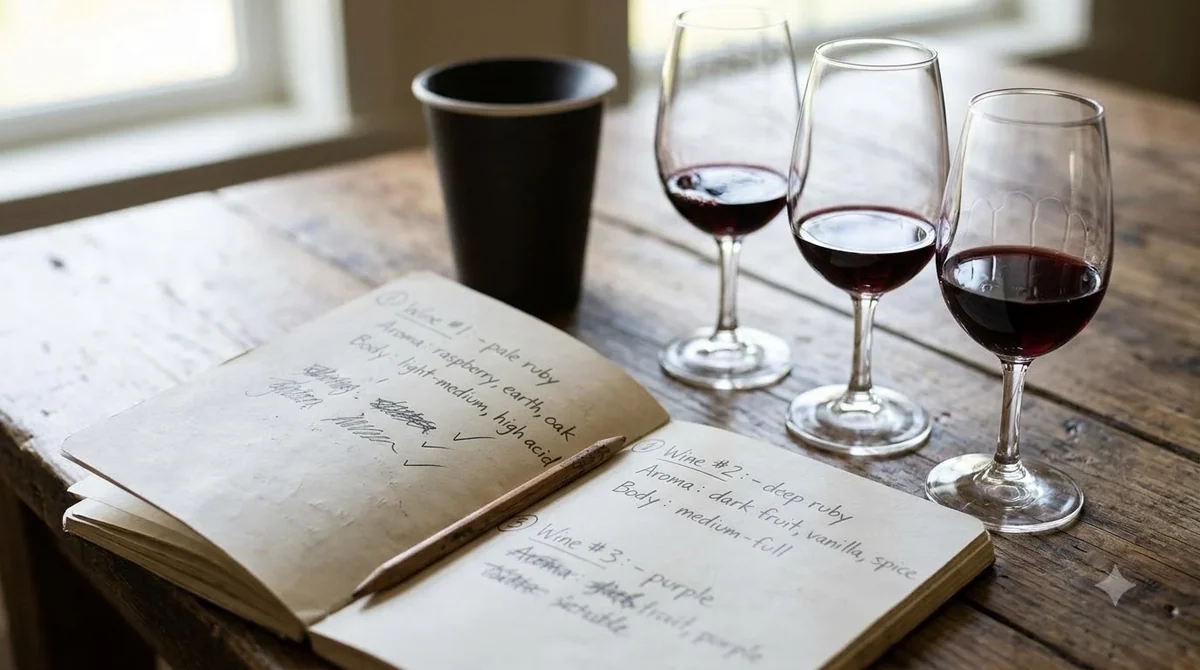
The clearest sensory split starts on the nose. Sauvignon Blanc owes its unmistakable scent of cut grass, green bell pepper, and gooseberry to natural compounds called methoxypyrazines, paired with thiols that project passion fruit and pink grapefruit. Verdejo carries far lower pyrazine levels, trading pungent green pepper for fresh lime zest, Meyer lemon, white peach, and wild fennel.
On the palate, acidity drives both wines, though the sensation differs. Sauvignon Blanc hits with an immediate, mouthwatering zip that feels linear and laser-clean from start to finish. Verdejo maintains brisk, refreshing acidity—especially when grown on high-altitude Spanish plateaus—yet coats the mid-palate with a touch more glycerol weight and ends with a characteristic pithy, Marcona-almond grip that cleanses rich food.
| Attribute | Sauvignon Blanc | Verdejo |
|---|---|---|
| Primary Origins | Loire Valley and Bordeaux (France), Marlborough (New Zealand), California, Chile | Rueda DO and Castilla y León (Spain) |
| Typical ABV Range | 12.5%–14.0% | 12.0%–13.5% |
| Acidity Level | High, crisp, linear | Medium-high to high, balanced |
| Body and Texture | Light to medium-light, lean | Light-medium to medium, rounder mid-palate |
| Signature Aromas | Cut grass, gooseberry, green bell pepper, grapefruit, passion fruit | Lime, white peach, melon, wild fennel, wet stone |
| Finish Character | Zesty citrus pith and stony minerality | Crisp saline note with subtle bitter almond |
| Dominant Vessel | Stainless steel (oak in Bordeaux and Fumé Blanc) | Stainless steel or concrete (select lees or oak aging) |
Alcohol levels stay closely aligned across standard bottlings. According to Wine Enthusiast, dry Sauvignon Blanc typically lands between 12.5% and 14.0% alcohol by volume, with roughly 120 calories and 0 to 4 grams of carbohydrates per 5-ounce pour. Standard young Verdejo from Spain generally sits between 12.0% and 13.5% alcohol, keeping both varieties firmly in the refreshing, food-friendly camp rather than heavy or warming.
Grape Origins and Key Growing Regions
Sauvignon Blanc is an international traveler rooted in western France, while Verdejo remains tightly tied to the high continental plains of north-central Spain. Geography shapes every bottle, because daytime heat and nighttime chills dictate how much natural acidity and herbal aroma each grape keeps at harvest.
Originating in Bordeaux and the Loire Valley, Sauvignon Blanc—whose name derives from the French word sauvage, meaning wild—flourishes in cool and maritime climates worldwide. In France’s Loire Valley, appellations like Sancerre and Pouilly-Fumé grow the grape on limestone, clay, and flint soils that emphasize chalky minerality and citrus zest. Across the globe in New Zealand’s Marlborough region, intense sunlight paired with cool Pacific breezes amplifies tropical passion fruit alongside pungent green herb notes, while Casablanca in Chile and Napa Valley in California showcase brighter citrus or riper stone-fruit expressions.
Verdejo traces a completely different path. According to VinePair, the grape originated in North Africa and arrived in northern Spain during the 11th century under the reign of King Alfonso VI, thriving in Rueda for more than 1,000 years. Rueda earned official Denominación de Origen status in 1980 as Spain’s first white-wine appellation, spanning over 1,500 growers and 62 wineries across Castilla y León.
Rueda sits on an raised plateau along the Duero River where rocky limestone and iron-rich alluvial soils meet scorching summer days and freezing winter nights. Because summer afternoon heat can quickly dull delicate aromatics, Rueda growers harvest Verdejo almost exclusively at night under cool temperatures to lock in brisk natural acidity and prevent premature oxidation before the grapes reach the cellar.
Flavor Profile, Aromas, and Mouthfeel
When poured side by side, Sauvignon Blanc announces itself from across the table with expressive green and tropical aromatics, while Verdejo unfolds more gradually with layered orchard fruit, dried herbs, and textural grip. Exploring other crisp comparisons across the Wine vs Wine spectrum shows few pairs that overlap so neatly in refreshment yet diverge so clearly on the finish.
Aromatic Compounds and Herbal Notes
Sauvignon Blanc’s signature scent profile depends heavily on ripeness and climate. In cooler vineyards or early picks, pyrazines dominate, delivering freshly mown lawn, jalapeño, nettle, and green bell pepper. When vineyards receive more warmth and hang time, tropical thiols take center stage, bringing pink grapefruit, guava, and white peach to the forefront without losing that green herbal backbone.
Verdejo swaps sharp pyrazine pungency for Mediterranean garden herbs. A classic glass opens with key lime, green apple, and honeydew melon, quickly followed by crushed fennel frond, dried thyme, and wet river stone. Because it lacks the assertive bell-pepper or catty notes that polarize some Sauvignon Blanc drinkers, Verdejo often appeals to people who want herbaceous complexity without aggressive green sharpness.
Texture, Lees Contact, and Oak Influence
Winemaking choices separate these two grapes even further once fermentation begins. Most everyday Sauvignon Blanc ferments in temperature-controlled stainless steel with zero oak, preserving pure, snappy fruit. However, in Bordeaux’s Pessac-Léognan and Graves districts—and in California bottles labeled Fumé Blanc—winemakers ferment and age Sauvignon Blanc in French oak barrels, often blending it with Sémillon to build a waxy, lanolin-rich texture and toasted brioche complexity.
Rueda Verdejo follows a tiered stylistic ladder defined by cellar aging. Young Joven bottlings ferment in stainless steel or concrete for immediate, juicy vibrancy. Step up to lees-aged or barrel-fermented Verdejo—including Gran Vino de Rueda releases sourced from vines older than 30 years—and extended contact with spent yeast cells transforms the mouthfeel into something silky and weighty, bringing out toasted Marcona almond, beeswax, and baked pear that can evolve gracefully for 5 to 10 years.
Tip: If you enjoy the creamy, textured side of barrel-fermented white Bordeaux or California Fumé Blanc, look for Rueda Verdejo labeled fermentado en barrica or sobre lías, which delivers similar mid-palate richness at a fraction of the prestige markup.
Label Rules and Blends Between Both Grapes
Spanish wine law actually allows Sauvignon Blanc and Verdejo to share the same vineyard region and even the same bottle. Under Rueda DO regulations, Sauvignon Blanc is an officially authorized secondary variety alongside Viura, Palomino Fino, Viognier, and Chardonnay, creating distinct label tiers that reward careful reading.
Understanding three primary Rueda label designations prevents surprises at the wine shop:
- Rueda Verdejo: Must contain at least 85% Verdejo grapes, though many producers bottle 100% single-varietal expressions to showcase pure fennel, lime, and mineral character.
- Rueda (Blanco): Requires a minimum of 50% Verdejo, with winemakers frequently blending in Sauvignon Blanc or Viura to boost aromatic lift and crispness.
- Rueda Sauvignon Blanc: Must contain at least 85% Sauvignon Blanc, offering a Spanish high-plateau take on the French grape that bridges Loire minerality and warm-climate citrus.
Food Pairing Strategies for Sauvignon Blanc and Verdejo
Both wines thrive at the dinner table because brisk natural acidity cuts through rich sauces, salty cheeses, and bright herbs without feeling heavy. Sauvignon Blanc excels alongside tangy, green-herb-driven dishes and raw shellfish, while Verdejo’s rounder body and subtle bitter-almond finish handle roasted poultry, garlic-infused tapas, and lightly spiced seafood with ease.
Sauvignon Blanc’s electric acidity and pyrazine lift make it the classic partner for foods that overwhelm softer whites. According to the pairing principles recognized across sommelier training, acidic dishes require a wine with equal or higher acidity so the pour does not taste flat. Goat cheese—especially fresh Loire Valley Chavignol served warm over bitter greens—matches Sauvignon Blanc’s tangy snap, while freshly shucked oysters, ceviche, asparagus risotto, and Thai-style herb salads with cilantro and lime lock onto its citrus and green-pepper notes.
Verdejo steps in when a dish brings savory weight, olive oil, or roasted depth that might make lean Sauvignon Blanc feel too sharp. In Castilla y León and across Spain, young Rueda Verdejo pairs easily with gambas al ajillo (garlic shrimp in olive oil), grilled calamari, salt-cod croquettes, and roast chicken rubbed with rosemary and lemon. Its signature pithy finish acts like a squeeze of fresh lemon over fried calamari or jamón ibérico, while aged, lees-rested Verdejo stands up to creamy mushroom pasta, pork tenderloin, and aged Manchego cheese.
When chili heat enters the picture, keep alcohol levels modest with either grape. High alcohol and heavy oak amplify capsaicin heat on the palate, so a lighter-alcohol, unoaked Sauvignon Blanc or young steel-fermented Verdejo will cool down lightly spiced fish tacos or green curry far better than a fuller-bodied barrel-aged bottling.
Serving Temperature, Glassware, and Storage
Serving both wines at the right chill keeps their high acidity crisp without muting delicate citrus and herbal aromatics. According to Wine Enthusiast, unoaked stainless-steel bottlings belong at 45°F to 50°F, whereas fuller barrel-fermented Bordeaux Blanc, Fumé Blanc, or lees-aged Gran Vino de Rueda show best slightly warmer at 50°F to 55°F.
According to Wine Enthusiast, a room-temperature bottle of crisp Sauvignon Blanc takes roughly two hours in a standard kitchen refrigerator or 30 to 40 minutes in an ice-water bath to reach serving temperature. Pulling the bottle out of the fridge 10 minutes before pouring prevents excessive cold from numbing Verdejo’s white-peach and fennel aromatics or making Sauvignon Blanc’s acidity taste metallic.
Glassware and post-opening care follow straightforward rules for both varieties:
- Glassware shape: Pour young, stainless-steel Sauvignon Blanc and Verdejo into a standard tulip-shaped white wine glass with a narrower bowl to funnel volatile citrus and herbal aromatics straight to the nose. Use a slightly wider Chardonnay-style bowl for oak-aged or lees-aged bottles so oxygen can open up toasted almond and brioche notes.
- Decanting: Skip decanting for fresh Joven Verdejo and zesty New Zealand or Loire Sauvignon Blanc, as aeration dissipates delicate thiols. Give barrel-aged Pessac-Léognan or older Gran Vino de Rueda brief aeration in a decanter to soften oak spice.
- Storage and leftovers: Wine Enthusiast recommends storing unopened bottles on their sides in a dark space near 55°F so natural corks stay moist, and recorking opened bottles in the refrigerator where still white wines generally stay fresh for 3 to 5 days before oxidation flattens the fruit.
How to Choose Between Sauvignon Blanc and Verdejo
Picking the right bottle depends on whether the occasion calls for maximum aromatic brightness or smoother, food-hugging texture. Reach for Sauvignon Blanc when you want unmistakable zesty snap, and choose Verdejo when you want a crowd-pleasing, versatile white that bridges crisp citrus and savory depth.
Use these practical benchmarks at the wine shop or restaurant table:
- Choose Sauvignon Blanc for vibrant green energy: If you crave unmistakable scents of cut grass, gooseberry, lime zest, and passion fruit—especially for poolside sipping, raw oysters, or tangy goat-cheese salads—Marlborough or Sancerre Sauvignon Blanc delivers unmatched punch.
- Choose Verdejo for balanced texture and subtle herbs: If Sauvignon Blanc sometimes feels too sharp, grassy, or pungent on your palate, Spanish Rueda Verdejo gives you the same brisk refreshment with softer fennel, melon, and Marcona-almond roundness.
- Choose barrel-aged styles for richer dinners: When serving roast chicken, lobster in butter, or creamy cheeses, compare a French-oaked Bordeaux Blanc or California Fumé Blanc against a lees-aged Gran Vino de Rueda for comparable weight and nutty complexity.
Wine drinkers who enjoy exploring crisp, aromatic whites alongside Verdejo and Sauvignon Blanc often branch out into Austrian whites as well; comparing gruner veltliner vs sauvignon blanc highlights how white pepper and savory root-vegetable notes offer yet another angle on high-acid refreshment, while contrasting pinot noir vs sauvignon blanc helps hosts match light, high-acid reds and whites on the same dinner menu.
Frequently Asked Questions
Is Verdejo sweeter than Sauvignon Blanc?
No, standard Rueda Verdejo and classic Sauvignon Blanc are both fermented completely dry with virtually no residual sugar. Verdejo can feel slightly fruitier or rounder on the mid-palate because of its ripe white-peach and honeydew notes and natural glycerol texture, rather than actual sweetness.
What are common synonyms for Sauvignon Blanc on wine labels?
According to Wine Enthusiast, Sauvignon Blanc appears on international labels under several traditional synonyms, including Fumé Blanc in the United States, Muskat-Silvaner in Austria, and Feigentraube in Germany. In France’s Loire Valley, the grape is also locally referred to as Blanc Fumé in Pouilly-Fumé due to the smoky flint character of its soils.
Is Sauvignon Blanc ever used to make sweet dessert wine?
Yes, in Bordeaux’s Sauternes and Barsac appellations, Sauvignon Blanc is blended with Sémillon and Muscadelle to produce renowned sweet dessert wines. Noble rot (Botrytis cinerea) concentrates the sugars in the grapes while Sauvignon Blanc provides essential high acidity to keep the rich, honeyed wine balanced.
How long can quality Rueda Verdejo age in the bottle?
According to D.O. Rueda tasting guidelines, young Joven Verdejo is crafted for immediate drinking within one to two years of harvest, whereas structured examples from old vines or lees-aged bottlings can age gracefully for 5 to 10 years. Over time, primary lime and green-apple notes evolve into toasted hazelnut, dried herbs, and waxy mineral complexity.
How many glasses are in a standard bottle of Sauvignon Blanc or Verdejo?
Under standard U.S. serving guidelines, a 750-milliliter bottle of either wine holds about five 5-ounce pours. Keeping pours around 5 ounces inside a chilled glass helps maintain Wine Enthusiast’s recommended 45°F to 50°F serving temperature before the wine warms up in your hand.
Both Sauvignon Blanc and Verdejo earn permanent spots in a well-stocked fridge thanks to crisp acidity, clean fruit, and remarkable versatility with everyday meals. Keep a bottle of each chilled to Wine Enthusiast’s recommended 45°F to 50°F range to experience firsthand how Sauvignon Blanc’s electric green zest plays against Verdejo’s savory Spanish citrus and almond charm.
More in Wine vs Wine
 Chenin Blanc vs Pinot Gris: Acidity, Body, and Pairing DifferencesUpdated Nov 20, 2026
 Chianti vs Lambrusco: How Tuscany and Emilia-Romagna Reds CompareUpdated Nov 20, 2026
 Chianti vs Primitivo: Key Differences in Taste, Body, and PairingUpdated Nov 20, 2026
 Chianti vs Rioja: Key Differences in Taste, Aging, and PairingUpdated Nov 20, 2026
 Chianti vs Shiraz: How Acidity, Body, and Food Pairings CompareUpdated Nov 20, 2026
 Chianti vs Syrah: Key Differences in Taste, Body, and Food PairingUpdated Nov 20, 2026