


We may earn a commission when you buy through links on this page, at no extra cost to you. Learn more.
La Marca Prosecco tasting notes describe a pale golden straw wine with aromas of citrus and honeysuckle, a crisp palate of green apple, juicy peach, and ripe lemon, and a light, refreshing finish. The wine is a non-vintage Prosecco made from the Glera grape, and its alcohol sits near 11 percent. Producer descriptions and critic panels mostly agree on freshness and fruit, though individual bottlings can differ in mousse and bitterness. Read on to see how each part of the tasting note connects to the way the wine is made, served, and paired.
Tasting notes only help when you can translate them into what you will actually notice in the glass. Words such as lager, honeysuckle, or grapefruit point to specific effects of the grape, the fermentation tank, and the sugar level printed on the label. This guide breaks down the La Marca profile in plain terms, explains the production method behind it, shows how to read sweetness on a bottle, and offers serving and pairing advice that suits the style. Whether you are choosing a bottle for a weeknight aperitivo or a holiday brunch, the goal is the same: know what the wine should taste like before you open it.
Appearance, Aroma, and Palate in La Marca Prosecco
The La Marca profile is light, bright, and fruit-forward, with a finish that feels clean rather than heavy. Its core notes come through clearly from the first pour.
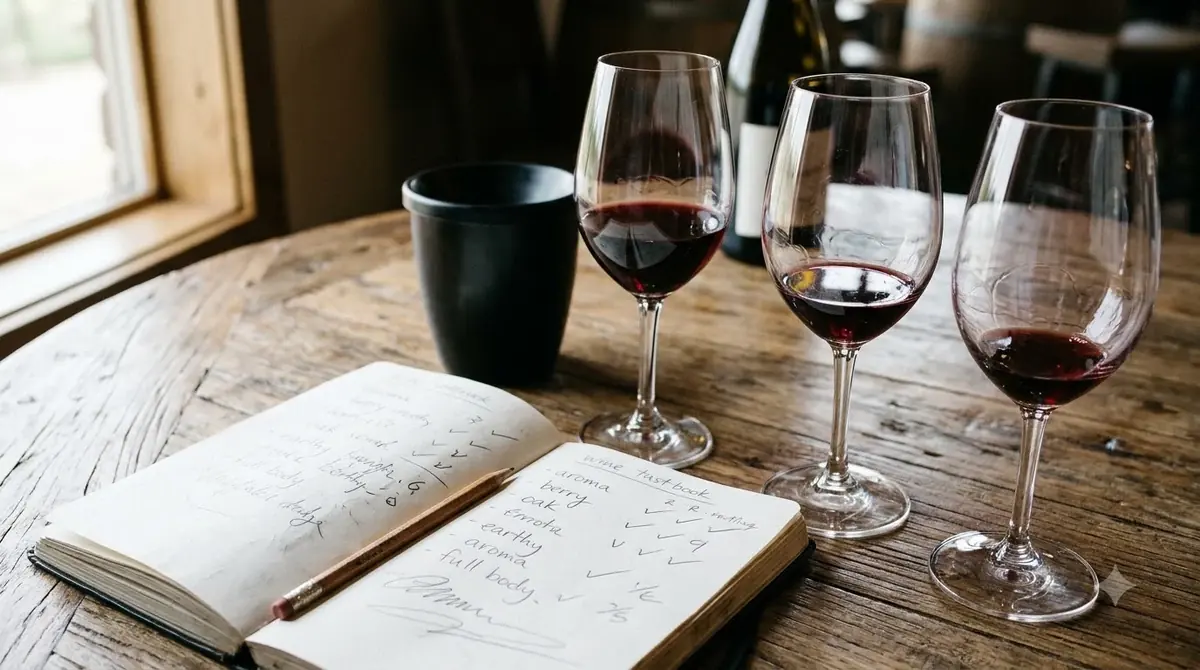
The producer’s description of its non-vintage Prosecco starts with color: a pale golden straw shade with lively effervescence. The aroma is built on fresh-picked citrus and honeysuckle blossoms. On the palate, the wine brings green apple, juicy peach, and ripe lemon, with a faint mineral edge that keeps the fruit from feeling soft. The finish is light and refreshing, with a small touch of sweetness at the end.
Reviewers describe a similar family of flavors in slightly different language. Notes attached to the wine’s listing mention candied apples, cherries, and pear, a light body, and a frothy, crisp texture with a white pepper undertone. The common thread is apple and citrus with a floral lift, which is the classic Prosecco template.
Not every La Marca bottling tastes identical, though. Falstaff’s tasters awarded 89 points to the Prosecco DOC Extra Dry and described a bright silver-grey wine with an herbal, savoury nose, a hint of rubber, and fresh grapefruit. On the palate, that same bottling shows grapefruit again, with a fine-grained mousse and a slightly bitter finish. That is a more savoury, citrus-led character than the honeysuckle-and-peach profile in the producer’s own notes, so when you read a tasting note, confirm which bottling it describes before you compare.
How the Tank Method and Glera Shape the Glass
Much of what you taste in a Prosecco comes from the Glera grape and from a second fermentation that happens in a pressurized tank rather than inside the bottle.
Glera is a thin-skinned green grape that has been grown in northern Italy for hundreds of years. According to Wine Enthusiast’s Prosecco primer, the variety was renamed in 2009 so that the name Prosecco could be legally protected for the wine itself. Its moderately high acidity makes it a natural fit for sparkling wine, and the grape gives a perfume of melons, peaches, pears, and white flowers. Those aromatic traits explain why most Prosecco descriptions lean so heavily on fruit and floral language.
The tank method, also called Charmat-Martinotti, places base wine, yeast, and sugar into a sealed pressure vessel. The yeast converts the sugar into carbon dioxide, which stays dissolved in the wine. Wine Folly reports that these tanks can reach up to four atmospheres of pressure, and the wine typically rests around three months before it is filtered, dosed, and bottled. Wine Enthusiast notes that the method is cheaper, faster, and less labor-intensive than the traditional method, which ferments in the bottle.
Because the second fermentation happens in a tank, the bubbles tend to be lighter and frothier than those in traditional-method wines, which is why Prosecco is usually described as less persistent in the glass. Wine Folly also explains that tank wines often show stronger yeast-driven aromas, which is why lager and beer are common descriptors for Prosecco. A bready or beery note on the nose is therefore a normal part of the style rather than a fault. Some producers age the wine longer on its lees to create a creamier, less yeasty result, so a producer’s approach to aging can shift how yeasty the glass tastes.
Sweetness Levels and What the Label Really Says
Sweetness is the detail shoppers most often misread, because sparkling wines use sugar thresholds that differ from those used for still wine.
| Label term | Residual sugar (g/L) | What you will notice |
|---|---|---|
| Brut | Up to 12 | The driest common style, crisp and fruit-forward |
| Extra Dry | 12 to 17 | Off-dry for UK drinkers, rounder and noticeably sweeter |
| Dry | 17 to 32 | Clearly sweet, suited to dessert-style pairings |
| Extra Brut (Asolo DOCG only) | Up to 3 | The driest option in the category, rarely seen |
Prosecco DOC has three main sweetness terms that matter for most bottles: Brut, Extra Dry, and Dry. Decanter explains that Brut is the drier style, with up to 12 grams per liter of residual sugar, while Extra Dry runs from 12 to 17 grams per liter and tastes noticeably rounder and sweeter. Wine Folly lists Dry at 17 to 32 grams per liter, which places it firmly in dessert-friendly territory.
La Marca’s bottlings reflect this range. The Falstaff listing for its Prosecco DOC Extra Dry places it in the Extra Dry category, and the producer’s notes describe a light finish with a hint of sweetness, which fits that label. Read the sweetness term on the front label rather than relying on the brand name, because a single winery can release several bottlings with different sugar levels. If you want to see how another Prosecco brand handles its sugar, the chloe prosecco tasting notes offer a useful second reference point.
Tip: If you want the citrus and green apple of La Marca with less sugar, look for Brut on the label. If the bottle says Extra Dry and you prefer a crisper glass, chill it firmly before serving, because cold temperatures make sweetness feel less prominent.
Acidity, Body, and Alcohol on the Palate
La Marca’s profile rests on fresh acidity and a light body, which keeps the fruit lively and lets the wine finish clean even when it carries a touch of sweetness.
Alcohol is modest. Falstaff lists the Prosecco DOC Extra Dry at 11 percent alcohol by volume, and the retail listing for the non-vintage La Marca Prosecco shows 11.2 percent. That places these wines at the gentle end of the sparkling spectrum, which helps explain why they feel light and easy to pour in quantity. Wine Enthusiast describes Prosecco as typically light to medium-bodied, and the producer’s notes describe the palate as crisp and clean.
Acidity is what holds the structure together. Glera’s moderately high acidity supports the fruit, so the palate reads as fresh rather than syrupy. Wine Folly describes Prosecco as dry, with medium-high acidity and no tannins, which is why it never produces the drying grip you feel with red wine. The result is a glass that stays bright from the first sip to the finish.
Expect some bitterness on the finish in certain bottlings. Falstaff’s description of the Extra Dry DOC notes a delicate bitterness at the end, and that gentle edge is part of the wine’s structure rather than a defect. It adds definition to a wine that otherwise leans toward fruit, which is useful to keep in mind when you pair it with food.
Serving Temperature, Glassware, and Keeping Leftovers
Serve La Marca well chilled, pour it into a flute or a white wine glass, and keep any leftovers sealed in the refrigerator.
The producer recommends serving the wine chilled between 46 and 50 degrees Fahrenheit. Wine Folly gives a broader Prosecco window of 38 to 45 degrees. Taken together, the two sources point to a practical range of about 40 to 50 degrees Fahrenheit. The lower end suits a wine you want to feel especially crisp, while the upper end suits a relaxed glass at the dinner table.
Glassware is a smaller factor, but it does change what you smell. The producer notes that the wine works well in sparkling flutes or in white wine glasses. A flute keeps the bubbles visible and concentrates the citrus and honeysuckle aromas near the rim, while a white wine glass lets the herbal and fruit notes open a little more. Choose whichever suits the occasion, but avoid wide, shallow glasses that release the fizz too quickly.
Leftovers keep better than many people expect when they are handled correctly. Sparkling wine stays fresh in the refrigerator for roughly one to three days when the bottle is sealed with a proper stopper. Re-cork it as soon as you pour, return it to the fridge right away, and pour the next glass from cold. Once the fizz fades, the wine loses the lift that defines the style, so it is better to finish the bottle soon rather than save it for a week.
Food Pairings That Fit the La Marca Profile
The best pairings match La Marca’s acidity and freshness, and they avoid desserts that are sweeter than the glass.
The producer lists seafood, mild cheeses, rich pasta dishes, and decadent desserts among suitable companions. Wine Folly adds that Prosecco works well as an aperitivo alongside antipasto, cured meats, and almonds, and it highlights shrimp fresh rolls, sushi, Pad Thai, and curries as matches for the wine’s bubbles and acidity. For spicy Asian or Indian dishes, Wine Folly recommends choosing an extra dry or dry style.
Two rules guide most pairings. First, acidic food needs a wine with at least equal acidity, which makes La Marca a good match for lemony dishes, tomato-based pasta, and fresh cheeses. Second, a dessert should never be sweeter than the wine served with it, because the sugar in the food will make the wine taste thin and sour. That second rule is why the producer’s suggestion of decadent desserts needs care. A bowl of peach or pear slices, or a lemon tart, will match the glass, while a flourless chocolate cake will overwhelm it.
Spice is the other consideration. Alcohol can make chili heat feel stronger, so when a dish is very hot, choose an extra dry or dry bottling and keep the chili moderate. If you want a fuller white that suits richer dishes such as roast chicken, the la crema chardonnay tasting notes are a good starting point for comparing a wine with more body.
How La Marca Compares With Other Prosecco Styles
Prosecco’s label system runs from broad DOC bottlings to tightly defined hillside DOCG wines, so knowing the category helps you read any tasting note with more confidence.
Prosecco DOC is the broadest category. According to Decanter’s Prosecco buyer’s guide, the DOC covers about 28,000 hectares across nine provinces in Veneto and Friuli Venezia Giulia. Its wines must be at least 85 percent Glera, with up to 15 percent other authorized grapes. Decanter describes the style as crowd-pleasing and versatile, with floral aromas and flavors of apple, pear, and citrus, which is exactly the territory La Marca occupies.
The Superiore DOCG tier is a different proposition. Conegliano Valdobbiadene Prosecco Superiore DOCG covers steep hillside vineyards, and the “G” in its name guarantees stricter rules, including reduced yields and hand-harvesting. Decanter notes that the terraced vineyards are often too steep for modern machinery, which helps explain the higher prices. Asolo Prosecco Superiore DOCG is a smaller hillside zone whose wines are often less perfumed and more mineral-driven than the Conegliano Valdobbiadene style.
Within Superiore, the Rive designation refers to wine from one of 43 recognized steep communes or hamlets, and every Rive wine must be single-vintage and hand-harvested. Valdobbiadene Superiore di Cartizze covers a roughly 107-hectare amphitheater of steep vineyards and has traditionally produced the finest Prosecco. Many La Marca bottlings sit in the DOC tier, while others carry Superiore DOCG labels, so the category printed on the front label tells you more about a wine’s ambition than the brand name alone. To browse more producers and see how they present their Prosecco, visit the Wine Brands section.
Frequently Asked Questions
These are the questions that come up most often about La Marca Prosecco and its tasting profile.
Is La Marca Prosecco sweet or dry?
It is generally a dry sparkling wine with a light touch of sweetness on the finish, and the exact sugar level depends on the bottling. Prosecco contains no tannins, so the sweetness reads as soft rather than drying. Because it is a light-bodied sparkler, even a bottle labeled Extra Dry rarely feels heavy on the palate.
Can La Marca Prosecco be aged?
Prosecco is made to be drunk young. Wine Folly suggests a cellaring window of one to three years for the style, but the wine’s appeal rests on freshness, so most bottles are best enjoyed soon after purchase. Store unopened bottles in a cool, dark place away from heat and light so the fruit stays bright.
What is Col Fondo Prosecco?
Col Fondo is a style in which producers bottle-ferment Glera and other indigenous varieties and skip disgorgement, which leaves sediment and cloudiness in the bottle. Wine Enthusiast says these wines ferment to full dryness and can age for a few years. They are a niche alternative to the tank-made bottles that make up most of the category.
How much fizz does Prosecco have?
Wine Enthusiast distinguishes frizzante, which has about 1 to 2.5 bars of pressure, from fully sparkling spumante, which is around 5 bars. Most Prosecco is spumante, so expect a lively mousse rather than a gentle prickle. Because the bubbles are lighter and less persistent than in traditional-method wines, the fizz fades a little faster once the bottle is open.
Is Prosecco Rosé made the same way?
Prosecco DOC Rosé blends 85 to 90 percent Glera with 10 to 15 percent Pinot Noir, according to Decanter’s buyer’s guide. It must be a single-vintage wine and is made only as a spumante. Its profile is drier, with notes of wild strawberry, red cherry, and bright citrus.
La Marca Prosecco tasting notes are most useful when you read them alongside the category, the sweetness term, and the serving temperature. Chill the bottle properly, match the sugar level to the dish, and treat the producer’s description as a guide rather than a guarantee. Once you know what to look for, each glass becomes easier to judge on your own terms.
More in Wine Brands
 Louis Latour Wine Price: Compare Bottles by Style and TierUpdated Nov 20, 2026
 Yellow Tail Moscato Price: What to Expect Before You BuyUpdated Nov 20, 2026
 Sutter Home Sweet Red Review: Find the Right Food PairingsUpdated Nov 20, 2026
 Franzia Chillable Red Review: Find the Right Serving StyleUpdated Nov 20, 2026
 Veuve Clicquot Rose Review: Flavor, Food Pairings and Buying AdviceUpdated Nov 20, 2026
 Rombauer Wine Price: Compare Bottles Before You BuyUpdated Nov 20, 2026