

We may earn a commission when you buy through links on this page, at no extra cost to you. Learn more.
Pinot grigio vs pinot noir is really white wine against red wine. Pinot grigio is a light, crisp white with flavors of pear, lemon zest and green almond, and no tannin. Pinot noir is a light to medium red with raspberry, cherry and earthy notes, with low tannin and fairly bright acidity. Both come from related vine families, but they taste and serve very differently.
This guide compares the two wines in color, flavor, body, serving and food matches, so you can choose the right bottle for a seafood dinner, a holiday table or a relaxed evening at home.
The names look alike, and both wines are popular with people who want something lighter than a big cabernet or a heavy chardonnay. That shared appeal is where the comparison usually starts, and it is also where confusion begins. Pinot grigio and pinot noir are not two versions of one wine. They come from different grapes with different colors, and they belong on different parts of the table.
Color, Grape Family and What the Names Mean
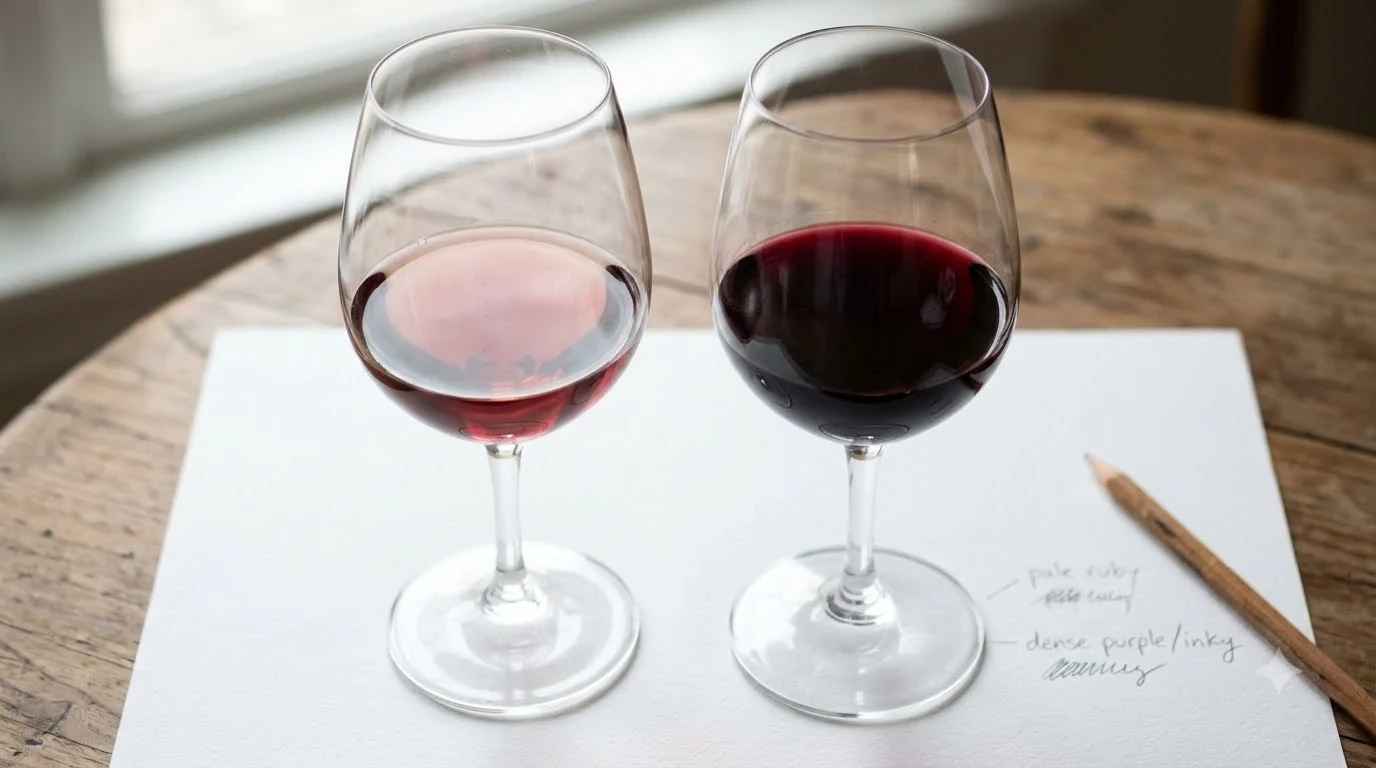
The clearest difference is color. Pinot grigio is a white wine, and pinot noir is a red. According to Wine Folly’s pinot grigio guide, pinot grigio is the Italian name for the Pinot Gris grape, while the pinot noir grape is the one that makes red Burgundy and much of the world’s serious pinot noir.
The word “pinot” refers to the pine-cone shape of the grape clusters, and the names that follow, “grigio” (gray in Italian) and “noir” (black in French), describe the color of the grape skins. Pinot grigio grapes have a grayish-pink skin, which is why the wine is usually pale straw. Pinot noir grapes have thin, dark skins, which is why the wine can be ruby or garnet in color.
Flavor: Pear and Citrus Versus Cherry and Earth
Pinot grigio is usually built around fresh fruit and zest. Wine Folly lists its primary flavors as white peach, lemon zest, cantaloupe, green almond and crushed gravel, with ripe pear, apple and peach as typical aromas. Cooler climates bring more citrus and green apple. Italian versions are often the lightest and freshest, with a faint almond or bitter note on the finish.
Pinot noir tastes red and savory. The same source lists raspberry, cherry, mushroom, vanilla and hibiscus as its main flavors, with forest floor and tea leaves in the background. Oak-aged bottles add vanilla and smoke, and older pinot noir often develops mushroom and leather notes.
In everyday terms, pinot grigio tastes like pear, lemon and a touch of nuts, while pinot noir tastes like cherry, raspberry and forest floor. If you enjoy bright, clean white fruit, pinot grigio will feel familiar. If you enjoy red berry flavors with an earthy edge, pinot noir will suit you better.
Body, Tannin and Acidity
Body describes how heavy a wine feels in the mouth. Pinot grigio is medium-light bodied and dry, with no tannin because it is a white wine made without long contact with grape skins. Its acidity is medium-high, which gives it a refreshing lift and makes it easy to drink on its own.
Pinot noir is light to medium bodied. Its tannin is low, because the grape skins are thin, and its acidity is also medium-high. That combination is why pinot noir can taste bright and juicy while still feeling smooth. Compared with a bold red such as cabernet sauvignon, pinot noir is much gentler in the mouth.
Both wines are dry in most styles, but the difference in tannin is the main reason they feel different. Pinot grigio never shows the drying grip that pinot noir can have in a young bottle, even though pinot noir remains one of the lighter reds.
Alcohol and Serving Temperature
Alcohol is in a similar range for both wines, though not identical. Wine Folly gives pinot grigio a typical range of 11.5 to 13.5 percent alcohol by volume. Pinot noir is typically 12 to 14 percent ABV. Pinot noir can therefore carry a little more weight, which is one reason it feels fuller when a red and a white are served side by side.
Serving temperature is one of the most important practical differences. Wine Folly recommends serving pinot grigio at 45 to 55 degrees Fahrenheit, or 7 to 12 degrees Celsius, chilled. Fuller or skin-contact styles can be served a little warmer. Pinot noir is served slightly cooler than room temperature, at 55 to 60 degrees Fahrenheit, or 12 to 15 degrees Celsius. A short stay in the refrigerator before pouring can lift its fruit and keep it from tasting flat.
| Trait | Pinot grigio | Pinot noir |
|---|---|---|
| Color | White, pale straw | Red, ruby to garnet |
| Main flavors | White peach, lemon zest, green almond | Raspberry, cherry, mushroom, forest floor |
| Body | Medium-light | Light to medium |
| Tannin | None | Low |
| Acidity | Medium-high | Medium-high |
| Alcohol | 11.5 to 13.5% ABV | 12 to 14% ABV |
| Serving temperature | 45 to 55°F (7 to 12°C) | 55 to 60°F (12 to 15°C) |
Tip: If you are unsure what to order, ask for a pinot grigio when you want something crisp and light with seafood, and ask for a pinot noir when you want a red that works with salmon, roast chicken or mushroom dishes.
Food Pairing: Which Bottle for Which Meal
Pinot grigio is a natural partner for light, fresh food. It works with shellfish, grilled white fish, fresh salads, lemon-based sauces and soft cheeses. Its acidity cuts through creamy dishes and its fruit suits lightly seasoned plates. Italian versions pair well with pasta in olive oil or light tomato sauce.
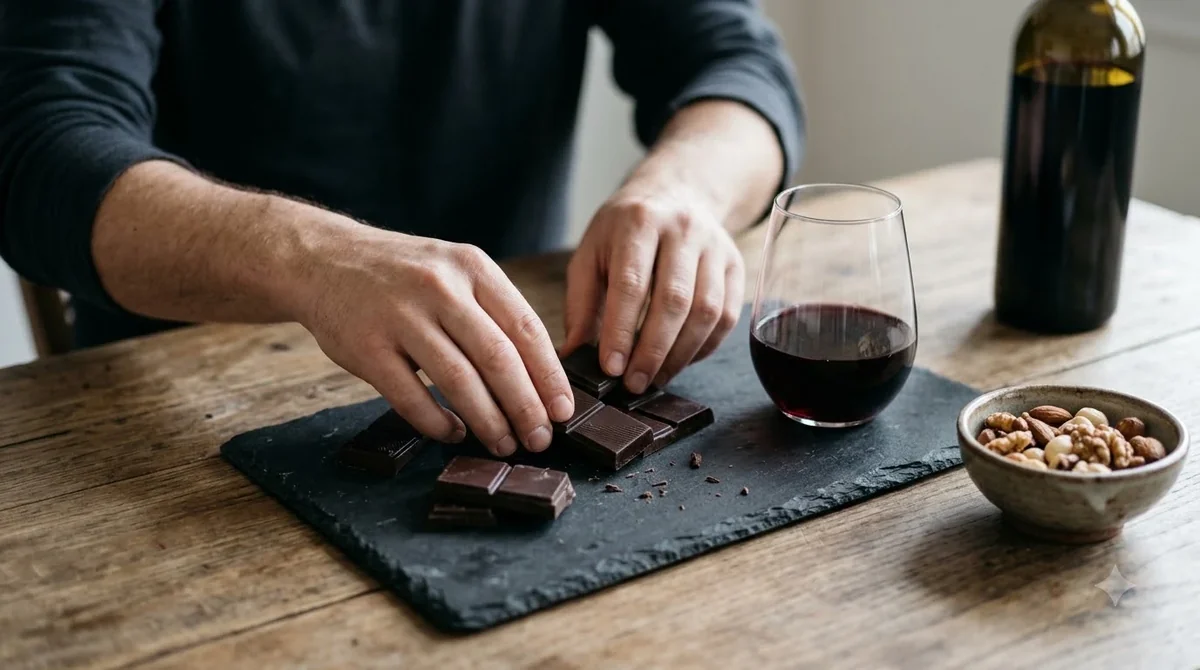
Pinot noir is more flexible among reds. Its low tannin means it does not overpower delicate food, and its earthy notes pair with mushrooms, roast chicken, duck, salmon and grilled vegetables. It is a common choice for Thanksgiving because it can cover turkey, cranberry and stuffing without clashing. If the meal includes both fish and red meat, pinot noir is often the safer red to bring.
When you are choosing between the two, match the wine to the main ingredient. Seafood and fresh herbs call for pinot grigio. Earthy dishes, roasted poultry and dishes with mushrooms call for pinot noir.
Choosing Pinot Grigio or Pinot Noir
Pick pinot grigio when you want a bright, easy white that is served cold and drunk young. It suits warm weather, patios and simple meals. Be aware that styles vary widely. VinePair describes many easy-drinking pinot grigios as tasting similar, so a bottle from a northern Italian region such as Alto Adige or Friuli can be a good way to find more character. The grape’s most renowned areas, according to VinePair, lie in northern Italy near the Dolomites and Alps.
Pick pinot noir when you want a red that feels light on the palate but still delivers fruit and complexity. Its style depends a lot on where it grows. Wine Folly notes that pinot noir prefers cool climates with long growing seasons, and the top producers by planted area are France, the United States and Germany. If you like the flavor of a pinot noir but want more depth, it is worth trying a bottle from Burgundy or Oregon’s Willamette Valley to compare. You can read more about red choices in our guide to bordeaux vs burgundy, and see how other reds compare in our merlot vs pinot noir guide.
Frequently Asked Questions
Is pinot grigio the same as pinot noir?
No. Pinot grigio is a white wine made from the Pinot Gris grape, and pinot noir is a red wine made from a separate grape. They are related in family but produce very different wines.
Which is sweeter, pinot grigio or pinot noir?
Both are usually dry. Pinot grigio tastes fruity because of its pear and citrus notes, while pinot noir tastes fruity because of cherry and raspberry. Sweetness depends on the producer, so check the label or ask a retailer if you want a sweeter style.
Can I drink pinot noir chilled?
Yes. Pinot noir is often served slightly cooler than room temperature, around 55 to 60 degrees Fahrenheit. A short time in the refrigerator before serving can bring out its fruit and make it taste fresher, especially in a warm room.
Which is better with cheese?
It depends on the cheese. Pinot grigio suits fresh cheeses such as mozzarella and mild goat cheese. Pinot noir pairs well with softer, earthier cheeses and with aged cheeses that have mushroom or nutty flavors.
Both wines have a place in a well-stocked kitchen. Keep one white and one red in the refrigerator and let the food decide which to open. That simple habit will show you the difference between a crisp pinot grigio and a light, earthy pinot noir more clearly than any label can.
More in Wine vs Wine
 Nero d’Avola vs Pinot Noir: Taste, Body, and Pairing DifferencesUpdated Nov 21, 2026
 Chenin Blanc vs Pinot Blanc: Key Differences in Taste, Acidity, and PairingsUpdated Nov 21, 2026
 Chardonnay vs Shiraz: Key Differences in Taste, Serving, and PairingUpdated Nov 21, 2026
 Chardonnay vs Verdejo: How Spain’s Crisp White Compares to the World’s ChameleonUpdated Nov 21, 2026
 Chardonnay vs Sancerre: Key Differences in Taste, Grapes, and PairingUpdated Nov 21, 2026
 Chardonnay vs Malbec: Key Differences in Taste, Body, and PairingUpdated Nov 21, 2026