

We may earn a commission when you buy through links on this page, at no extra cost to you. Learn more.
Pinot gris grape is the French name for the grape also called pinot grigio, a pinkish-skinned mutation of pinot noir that is strongly associated with Alsace and Burgundy. French growers and winemakers often produce it as a fuller, more aromatic white, with notes of white peach, lemon zest, and crushed stone. The skin is grey to pink, which is where the name gris, meaning grey, comes from.
Pinot gris is a grape that rewards a closer look. Many drinkers know it only from a shelf label, but the French name points to a different tradition of growing and making wine than the Italian one. This guide explains the grape’s French roots, how the skins give it its color, and what to expect from the glass, so you know what a pinot gris bottle is likely to offer.
The French Roots of Pinot Gris
Pinot gris traces its history to Burgundy in eastern France. According to the Wikipedia entry on the grape, it has been known there since the Middle Ages, when it was probably called Fromenteau. The French name pinot gris is the one used in that homeland, while the Italian version, pinot grigio, carried the grape into northern Italy and across the wider world.
Because the grape has a long French history, the names are tied to regional traditions. In Alsace, a region on the border with Germany, pinot gris is one of the signature grapes, and its wines are often richer and more aromatic than the lighter styles associated with Italy. Burgundy also grows the grape, and its wines reflect the cool-climate character of the region.
The grape’s identity is closely linked to its relative, pinot noir. Pinot gris is a color mutation of pinot noir, and researchers at UC Davis found that the two have very similar DNA. The difference in skin color comes from a genetic change that happened centuries ago, and in most other respects the two vines look alike.
Why the Skin Is Grey or Pink
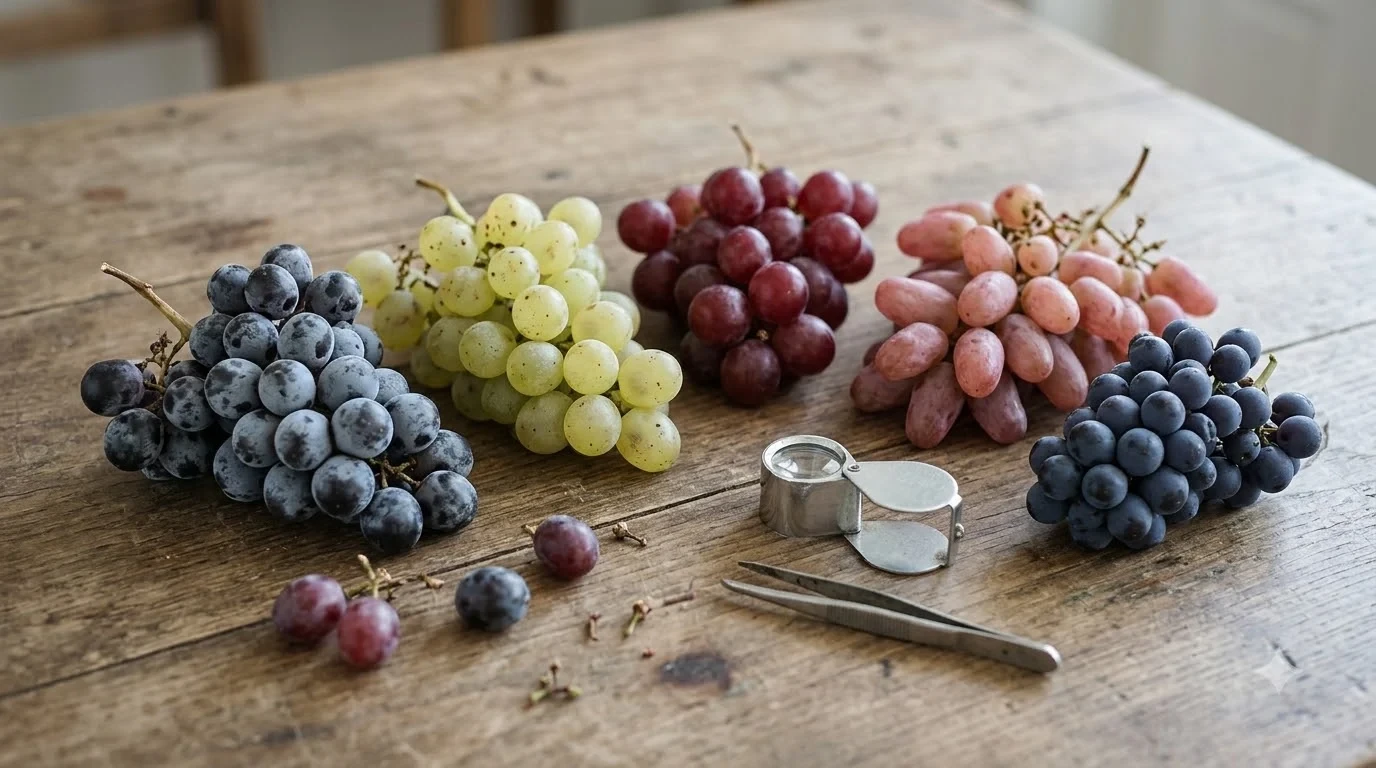
The name gris means grey in French, and it describes the look of the grape at harvest. Pinot gris berries are not truly grey. They range from a dusky grey-blue to a pale pinkish copper, and the color shifts with ripeness and sun exposure. That natural variation is why the grape is sometimes described as a pink grape, even though most of the wine it produces is white.
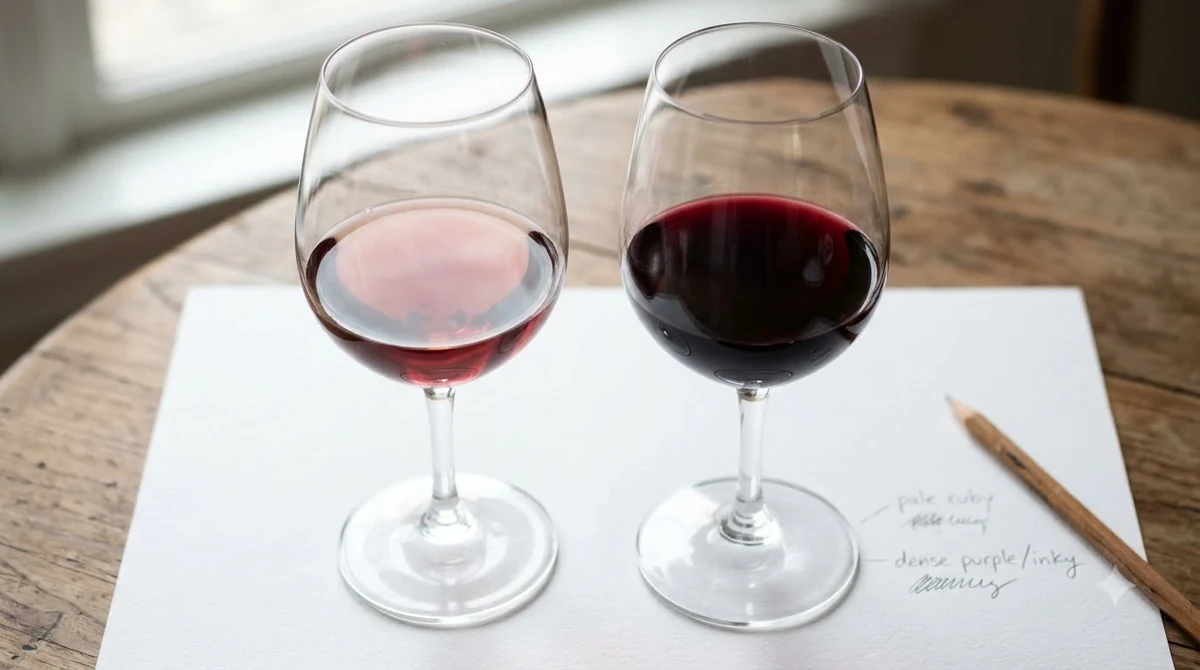
The skin color does not mean the wine will be red. Winemakers usually press the juice away from the skins quickly, so the wine stays pale gold or straw. Some producers allow short skin contact, which gives a light copper tint and adds texture and body. A few make a rosé from pinot gris, which takes its blush from a short period on the skins.
This is one reason the grape is interesting to taste. The same fruit can produce a crisp, pale white, a richer golden wine, or a rosé with a hint of color, depending on how long the juice stays in contact with the skins and how the wine is aged.
How Pinot Gris Tastes and Where It Grows
Pinot gris is famous for zesty white wines with a rounded texture. The flavor profile often includes white peach, lemon zest, cantaloupe, and a light almond note, with a mineral edge that some tasters compare to crushed gravel or stone. These aromas are typical of the grape, and they come through clearly in well-made wines.
The grape grows in many countries, including Argentina, Australia, Canada, Chile, Germany, Hungary, Italy, New Zealand, South Africa, and the United States. Wine references list about 115,000 hectares planted worldwide. The benchmark regions are Alsace and Burgundy in France, northeastern Italy, and Oregon, and each one brings a slightly different shape to the wine.
Alsace is the classic place to find a richer pinot gris. Wines from there are often fuller and more aromatic, with a long finish. Oregon producers also make expressive versions that combine bright fruit with a textured mouthfeel. The Italian style tends to be lighter, so comparing bottles from different regions is a good way to learn the grape.
How to Serve Pinot Gris
Serve pinot gris cold, in a white wine glass. Decanting is not needed, and the wine is meant to be enjoyed young in most cases, while the fresh fruit is at its peak. Chilling the bottle in a refrigerator for a couple of hours before serving keeps the wine lively and keeps the fruit in balance.
A fuller pinot gris can handle a bit more richness than a light white. It pairs well with white meats, especially roast chicken or pork with a fruit sauce, and with seafood dishes. Recipes that include fruit such as lemon, orange, peach, or apricot tend to match the wine’s flavors, so the pairing feels natural rather than forced.
| Region | Typical style | Best matched with |
|---|---|---|
| Alsace, France | Rich, aromatic, textured | Pork, roast chicken, creamy sauces |
| Burgundy, France | Cool-climate, structured, mineral | Seafood, white meats |
| Northeastern Italy | Lighter, crisp, zesty | Salads, light pasta, appetizers |
| Oregon, United States | Bright fruit with a textured finish | Grilled fish, fruit-based dishes |
Tip: If you enjoy pinot gris from France, try a bottle from Italy or Oregon next. Tasting two versions side by side is the fastest way to learn how region and winemaking change the same grape.
Pinot Gris Compared With Its Red Relative
Pinot gris and pinot noir share a family, but they are very different drinking experiences. Pinot noir is a red wine with red-fruit flavors, light to medium tannin, and a silky texture. Pinot gris is a white wine with stone fruit and citrus, and it lacks the tannin that gives reds their structure. The skin color is the visible link between them.
Drinkers who enjoy one often like the other, since both are food-friendly and tend to suit balanced, medium-bodied styles. A good way to explore the family is to taste a pinot gris and a pinot noir from the same region, which shows how the grape’s skin color changes the wine without changing the underlying vine.
Frequently Asked Questions
What is the difference between pinot gris and pinot grigio?
They are the same grape. Pinot gris is the French name and pinot grigio is the Italian name. The names often point to different wine styles, with French and Oregon versions often fuller and Italian versions usually lighter and crisper.
Why is it called pinot gris?
Gris means grey in French, and the name describes the grape’s skin color at harvest. The berries range from grey-blue to a pale pinkish copper, depending on ripeness and sun exposure.
Is pinot gris a red or white wine?
Most pinot gris is made as a white wine, since the juice is usually pressed away from the skins. Some producers allow short skin contact for a copper tint, and a few make a rosé from the grape.
What food goes well with pinot gris?
Pinot gris pairs well with white meats and seafood, especially dishes with fruit such as lemon, orange, peach, or apricot. A fuller style from Alsace can also handle pork and creamy sauces.
Pinot gris is a grape that rewards curiosity, and it is a good choice for drinkers who want something richer than a light white without moving to a red. For a reference profile of the grape, the Wine Folly pinot gris grape guide covers the flavors and food pairings in more detail. To compare the Italian side of the family, read our pinot grigio grape article, then look at the red relative in our pinot noir grape guide. The Wine by Type section places the grape among the other varieties.
More in Wine Types & Grapes
 Zinfandel Sugar Content: Dry Red vs. White Zinfandel GramsUpdated Nov 21, 2026
 Best Zinfandel Substitute Options for Sipping and CookingUpdated Nov 21, 2026
 Zweigelt Food Pairing: Best Dishes, Cheeses, and Serving TipsUpdated Nov 21, 2026
 Zinfandel Tannins Explained: How Structure Shapes Every BottleUpdated Nov 21, 2026
 Zinfandel Sweetness Level: Dry Red vs. Sweet White Zin ExplainedUpdated Nov 21, 2026
 Xinomavro Food Pairing: Best Dishes, Styles, and Serving TipsUpdated Nov 21, 2026