

We may earn a commission when you buy through links on this page, at no extra cost to you. Learn more.
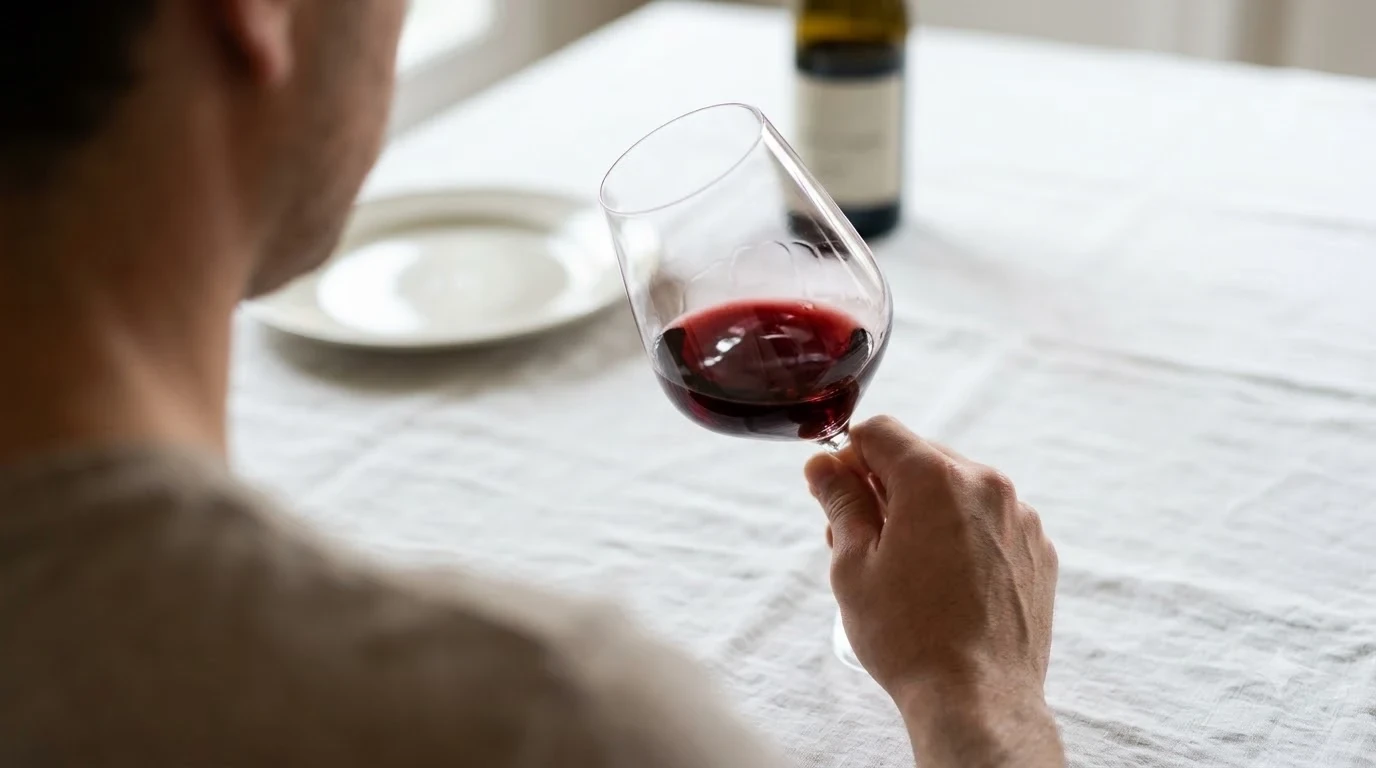
Merlot vs pinot noir comes down to body, tannin and flavor. Merlot is usually fuller and softer, with plum, cherry and chocolate notes and moderate tannin. Pinot noir is lighter in body with higher acidity, low tannin, and flavors of raspberry, cherry and earthy mushroom. Both are red wines, but they feel very different in the glass.
This guide compares the two grapes side by side so you can choose the right bottle for a dinner, a gift or a weeknight.
Shoppers often treat merlot and pinot noir as close cousins because both are popular, both are red, and both show up on the same restaurant lists. In practice, the grapes behave in different ways in the vineyard and in the cellar, and that difference shows up on the palate. Knowing the basic contrast helps you predict what a bottle will taste like before you open it.
Body and Weight: Merlot Feels Fuller
The first thing most people notice is weight. Merlot is generally medium-full bodied, which means it feels rich and substantial on the tongue. Pinot noir is light to medium bodied, so it feels more delicate and airy even when the flavor is intense.
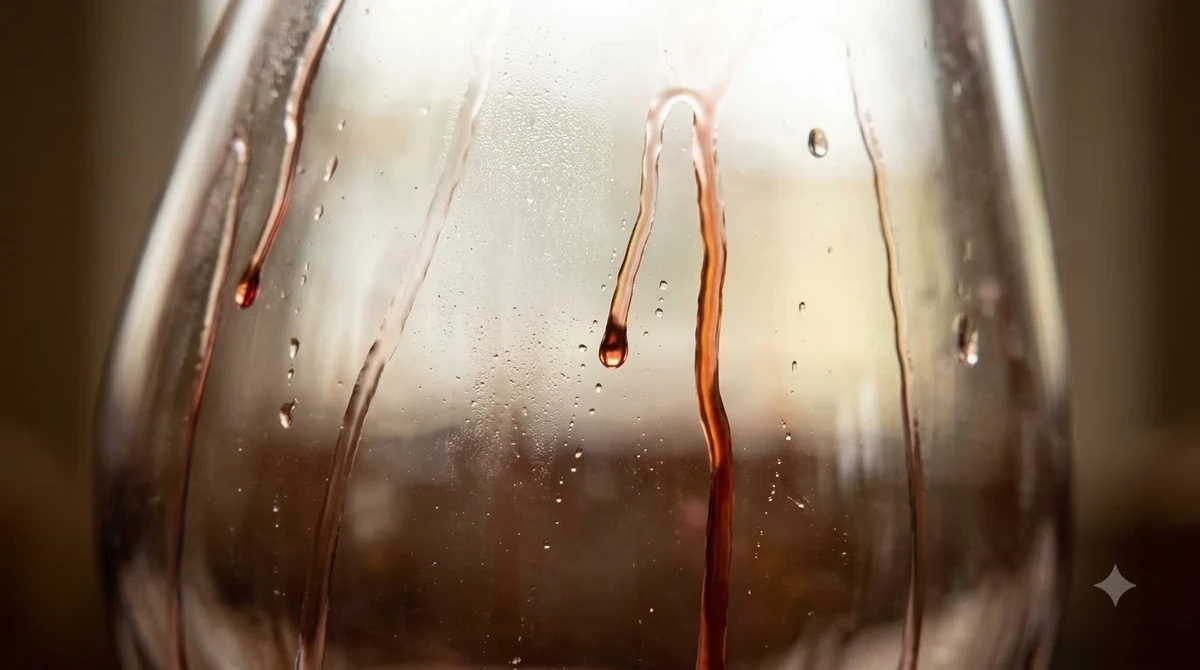
Alcohol levels follow a similar pattern. According to Wine Folly’s merlot guide, merlot typically sits between 13.5 and 15 percent alcohol by volume, and warmer-climate merlot is often riper, with higher alcohol and a fuller body. Pinot noir is typically 12 to 14 percent, according to Wine Folly’s pinot noir guide, which makes it a little lighter on the scale.
Tannin and Acidity: Why Pinot Noir Tastes Brighter
Tannin is the drying, grippy sensation you feel on your gums and cheeks after drinking a red wine. Merlot has medium-high tannin, but it is softer and less astringent than cabernet sauvignon, which is why merlot is often described as approachable. Pinot noir has low tannin because its grape skins are thin.
Pinot noir compensates with higher acidity, which gives it a bright, lifted quality and makes it feel fresh on the palate. Merlot has medium acidity, so it tends to feel rounder and more cushioned. If you like a red wine that makes your mouth water, pinot noir is usually the better fit. If you want a red that coats the palate, merlot will feel more generous.
Serving style also changes how each wine comes across. A merlot poured slightly cool will show more of its fruit and softness, while letting it breathe for a short time can open up the vanilla and spice from oak aging. Pinot noir is more sensitive to temperature, and a bottle that is too warm can lose the freshness that makes it appealing. Pour both into the same type of glass, and let them sit for a few minutes before tasting, so the differences in weight and aroma are easier to notice.
Price is not a reliable guide to style, because both grapes are grown in a wide range of regions and at very different levels of quality. Instead of focusing on the grape name alone, read the region and producer on the label. A cool-climate pinot noir and a warm-climate merlot can taste more alike than two bottles of the same grape from opposite sides of the world.
| Feature | Merlot | Pinot noir |
|---|---|---|
| Body | Medium-full | Light to medium |
| Tannin | Medium-high, soft | Low |
| Acidity | Medium | Medium-high |
| Typical alcohol | 13.5 to 15 percent | 12 to 14 percent |
| Common flavors | Plum, cherry, chocolate, vanilla | Raspberry, cherry, mushroom, tea leaves |
Tip: If you are unsure which style you prefer, try a merlot and a pinot noir side by side with the same simple dinner. The difference in weight is easiest to notice when the food is plain.
Flavor and Where the Grapes Grow
Both grapes show their flavors differently depending on the climate. Merlot grows in many regions, and it is most famous in Bordeaux, France, where it makes up a large share of the plantings. Cooler climates bring fresh plum and cherry to merlot, while warmer climates show baked blackberry and fruitcake notes. Oak aging adds vanilla and spice to both styles.
Pinot noir is a more demanding grape. It prefers cool, long growing seasons, so it is often grown in protected valleys or near large bodies of water. Wine Folly lists France, including Burgundy, the cooler parts of the United States such as the Pacific Coast, Germany, and New Zealand as notable areas. The grape can show raspberry, mushroom, forest floor and, in older bottles, leather and tea notes.
If you want to go deeper into the French side of the comparison, the guide to Bordeaux vs Burgundy shows how the regions behind these two styles differ. The result is that a merlot from Bordeaux and a pinot noir from Burgundy can look very different in the glass.
Food Pairings for Merlot and Pinot Noir
Food is where these two wines often earn their place at the table. Wine Folly describes pinot noir as a catch-all food pairing wine, because it is light enough for salmon yet complex enough for richer meats. Duck is a classic match, since the acidity cuts through the fat, and earthy, mushroom-based dishes pair well with pinot noir too.
Merlot is also flexible. An easy-drinking, entry-level merlot works with pizza, barbecue chicken or a hearty pasta, while a merlot-driven Bordeaux style pairs well with roast turkey, beef short rib or rustic vegetable dishes. Full, warm-climate merlot can stand up to rack of lamb or filet mignon with a peppercorn sauce. When in doubt, match the weight of the wine to the weight of the dish.
How to Choose Between Them
Choosing between merlot and pinot noir is mostly about the mood of the meal. Pick merlot when you want a red wine that is soft, plush and easy to enjoy, especially with grilled meats, pasta with tomato sauce or a casual steak night. It is a common choice for people who want a red without sharp edges.
Pick pinot noir when you want something lighter and more aromatic, particularly with salmon, roast chicken, mushrooms or duck. It also suits a warm evening, because it is less heavy than many reds. If you are buying for a group, a bottle of each lets guests compare the two styles, and it is an easy way to find out which one your table prefers.
For a wider look at how red wines differ from one another, the Wine vs Wine hub covers more pairings and styles. The more you compare these contrasts, the faster you will recognize what you like.
Frequently Asked Questions
Is merlot sweeter than pinot noir?
Neither wine is sweet in the usual sense. Both are typically dry. The impression of sweetness in merlot comes from its ripe, plummy fruit and softer tannin, while pinot noir can taste brighter and more tart.
Which is better for beginners, merlot or pinot noir?
Many beginners find merlot approachable because its tannin is softer than many other reds. Pinot noir is also a good starting point, especially for drinkers who like lighter, fruit-forward wines with fresh acidity.
Can I serve merlot and pinot noir at the same temperature?
Both are usually served slightly cooler than room temperature. Pinot noir often benefits from a little more chill, since its light body and bright acidity show well when the wine is not too warm.
Does pinot noir age better than merlot?
Both can age, but the answer depends on the producer and region. Fine pinot noir from cool climates and top merlot from Bordeaux can develop complex flavors over years, so check the producer’s recommendations on the label.
Merlot and pinot noir both reward a little curiosity. Start by comparing one bottle of each with the same meal, and notice how the body, tannin and acidity change the experience. Once you know your preference, you can narrow your next purchase with confidence.
More in Wine vs Wine
 Chenin Blanc vs Pinot Gris: Acidity, Body, and Pairing DifferencesUpdated Nov 20, 2026
 Chianti vs Lambrusco: How Tuscany and Emilia-Romagna Reds CompareUpdated Nov 20, 2026
 Chianti vs Primitivo: Key Differences in Taste, Body, and PairingUpdated Nov 20, 2026
 Chianti vs Rioja: Key Differences in Taste, Aging, and PairingUpdated Nov 20, 2026
 Chianti vs Shiraz: How Acidity, Body, and Food Pairings CompareUpdated Nov 20, 2026
 Chianti vs Syrah: Key Differences in Taste, Body, and Food PairingUpdated Nov 20, 2026