

We may earn a commission when you buy through links on this page, at no extra cost to you. Learn more.
Rioja vs Tempranillo is a comparison between a place and a grape, because Rioja is a Spanish wine region while Tempranillo is the red grape variety most often planted and blended there. Rioja wines are usually made from Tempranillo, but they can also include other grapes and be aged in oak in several different ways. Understanding that difference helps you read labels and predict what is in the glass.
This guide explains how the region and the grape relate, what Tempranillo tastes like in different places, and how oak aging and labeling terms such as Crianza and Reserva shape the final wine. You will also find practical advice on buying, storing and serving Rioja, plus answers to common questions.
What Is the Difference Between Rioja and Tempranillo?
Rioja is a place, and Tempranillo is a grape. The name on the bottle tells you where the wine was made and which rules applied, while the grape tells you the main flavor source. A Rioja can be mostly Tempranillo, but the region also permits other red and white varieties, so the two words are not interchangeable.
Tempranillo is the dominant grape in Rioja. According to the Wikipedia entry on Rioja DOCa, the region’s traditional red varieties include Tempranillo, Garnacha, Mazuelo and Graciano, with Tempranillo leading. A Tempranillo-based wine from Spain outside Rioja is still a Tempranillo wine, but it does not carry the Rioja name and does not follow Rioja rules.
When you shop, read the label for the word Rioja first. If the bottle says Tempranillo alone, the grape is the main reference point, and the producing region may be somewhere else. Both choices can be good, but they answer different questions about the wine.
Where Rioja Sits in Spain’s Wine Map
Rioja is one of Spain’s best-known wine regions, and it sits in northern Spain. The Wikipedia page on Rioja DOCa notes that the region spans La Rioja, parts of Navarre and the Basque province of Álava. Its vineyards are split into three zones, and each zone gives wines a different character.
The official Foods and Wines from Spain overview describes the region’s history in a simple way. Rioja was the first Spanish wine region to receive DO status in 1925, and it was promoted to DOCa, the higher category, in 1991. That higher tier is reserved for regions that have shown consistent quality over a long period.
The three zones matter because they change the glass. Rioja Alta is at higher elevation and is generally associated with lighter, brighter fruit. Rioja Alavesa tends toward a fuller body and higher acidity. Rioja Oriental is warmer and drier, and its wines are often deeply colored and used more as blending components. Many producers still blend fruit from all three zones.
What Tempranillo Tastes Like Across Regions
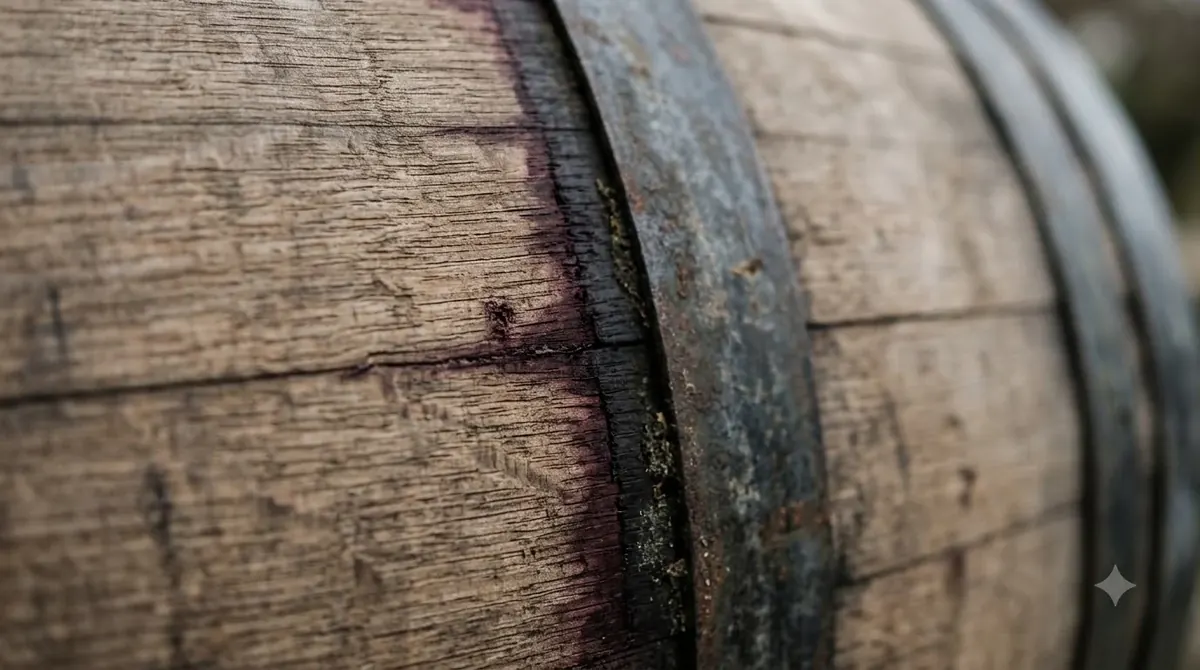
Tempranillo is adaptable, so the same grape can taste quite different depending on where it grows. In general, it offers red fruit, dried herbs and a savory edge, with a structure that can feel firm without being harsh. The exact flavor depends on climate, soil, yields and winemaking choices.
In Rioja, Tempranillo is valued for its elegance and aromatic range. The Foods and Wines from Spain page describes it as the noblest of the native Spanish vines, giving wines their elegance, aromatic concentration and complexity. Those are the qualities most people look for when they choose a traditional Rioja.
Outside Rioja, you may find Tempranillo that is darker, riper and more fruit-forward. Winemakers in warmer areas often pick later, which can push the fruit toward jam-like notes. If you like a plush, dark-fruited red, you may enjoy those versions more than a leaner Rioja. If you prefer restraint, look for a bottle that names a cooler region or a traditional style.
The grape also has a white relative. Tempranillo blanco is a mutation found in Rioja and is permitted in Rioja whites. It is a niche style, but it shows that the Rioja grape family is wider than many drinkers expect.
How Oak Aging Shapes Rioja Style
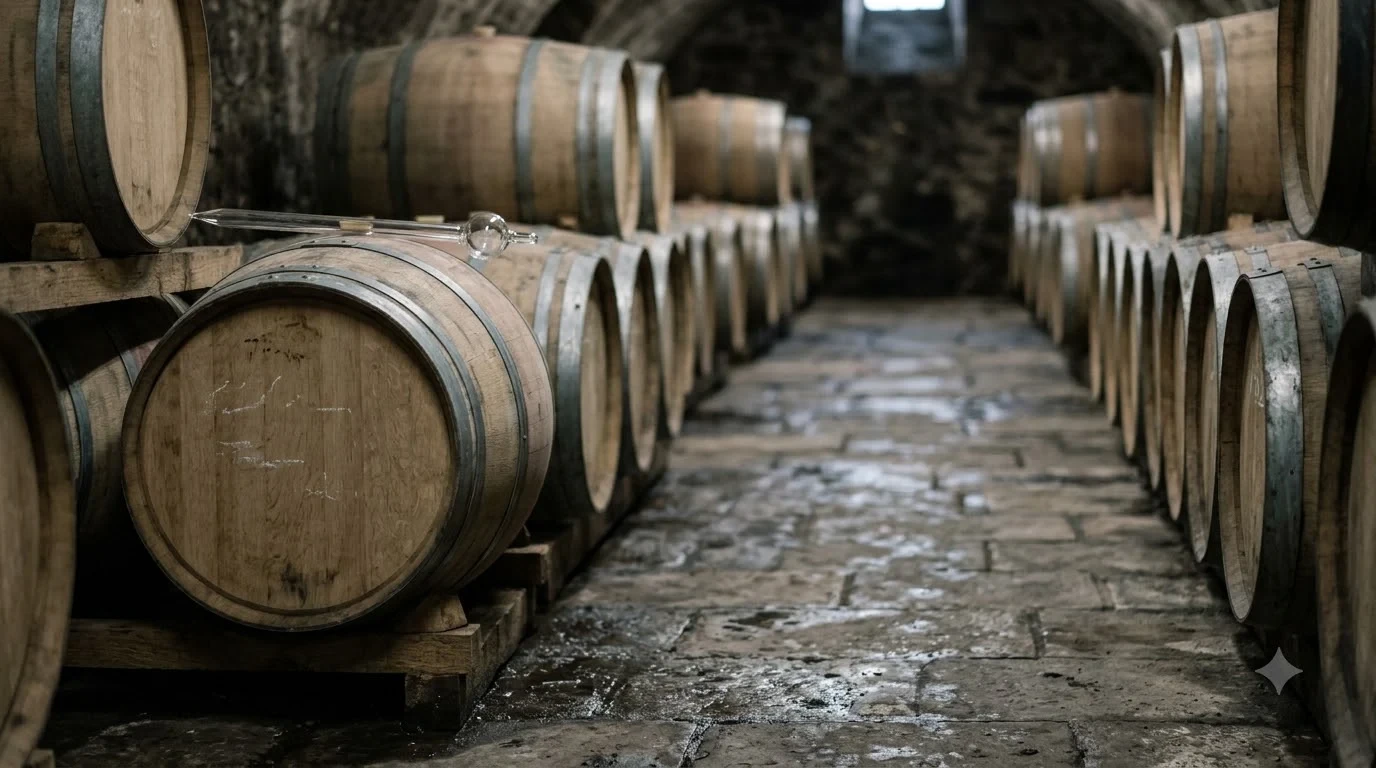
Oak is one of the biggest reasons Rioja tastes different from many other Tempranillo wines. Barrel aging adds vanilla, coconut, toast and spice notes, and it softens tannins over time. The Foods and Wines from Spain overview of DOCa Rioja notes that oak ageing, together with the grape, gives Rioja much of its personality.
Style has shifted in recent years. The same overview points out that many producers have modernized facilities with new barrels and steel vats, and that some blended wines are moving the emphasis from oak toward fruit. That means a modern Rioja may taste fresher and more fruit-driven than a classic one from a few decades ago.
When you taste oak, look for balance rather than volume. A well-made oaked Rioja should still show red fruit and acidity underneath the wood. If the oak dominates everything, the wine can taste heavy and one-dimensional. Pay attention to the producer’s style notes, since they often explain how much wood the wine received.
Decoding Crianza, Reserva, and Gran Reserva Labels
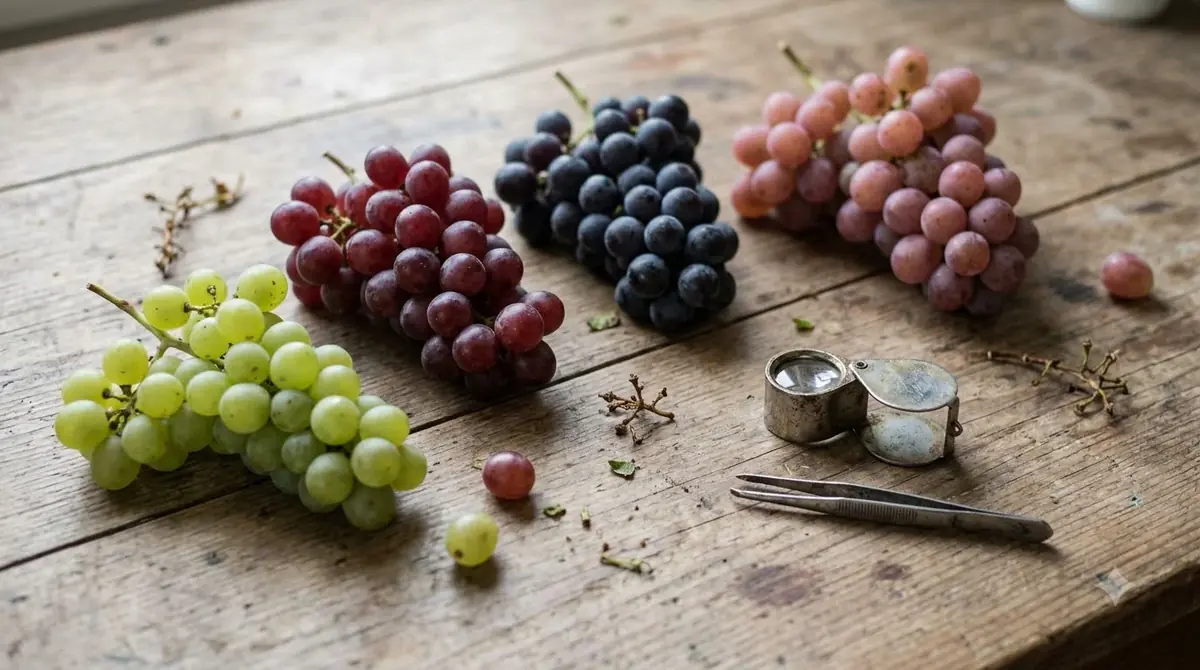
Spanish aging terms tell you how long a wine spent in barrel and bottle before release. Crianza, Reserva and Gran Reserva are the familiar tiers in Rioja, and each one signals more time and a different style. Because the rules are specific, the safest approach is to check the Consejo Regulador materials or the back label for details.
| Label term | What it generally signals | Taste to expect |
|---|---|---|
| Joven or no aging term | Little or no time in oak, released young | Fresh, fruity and direct |
| Crianza | Basic aging with some barrel time | Red fruit with light oak spice |
| Reserva | Longer aging, with more time in oak and bottle | Rounder texture, more savory and toasty notes |
| Gran Reserva | The longest aging tier for the top style | Mature, complex and often softer in tannin |
These terms describe time, not quality alone. A Crianza can be excellent for everyday drinking, and a Gran Reserva is not automatically the best choice for your palate. Match the tier to the meal and to how much oak and age you like.
Also note that Rioja has moved beyond aging terms. The region now recognizes single-vineyard, zone, and municipality wines, so the label may name a specific place instead of an age tier. Those wines show the origin of the fruit more directly than the barrel treatment.
How to Buy, Store, and Serve Rioja
Buying Rioja is easier when you know what to look for. Start with the aging term and the zone or producer, then decide whether you want a fresh, fruity style or a more oak-driven one. Ask the shop staff which tier suits your dinner plans, since they often know the house styles well.
Store bottles on their side in a cool, dark place away from heat and vibration. The Wikipedia entry notes that 18th and 19th century Rioja makers were already careful about cellar conditions, such as limiting cart traffic near wine cellars because vibrations could affect quality. Good storage still matters today.
- Choose a tier that matches your meal, starting with Crianza for everyday drinking.
- Store the bottle in a cool, steady spot, away from direct sun and heat.
- Chill lighter, younger reds slightly before serving, and let richer oaked styles sit at a cool room temperature.
- Open the bottle shortly before pouring, and give older Reservas time in the glass to open up.
Rioja pairs well with roasted lamb, grilled sausages, tomato-based dishes and aged cheeses. Lighter styles suit tapas and grilled vegetables. For a broader look at matching wines with food, see Wine vs Wine, which compares styles side by side.
Frequently Asked Questions
Is Rioja made only from Tempranillo?
No. Tempranillo is the main red grape in Rioja, but the region permits other red and white varieties, including Garnacha, Mazuelo and Graciano. Some wines are blends, while others are single-variety bottlings. Check the back label to see what the producer lists.
Is Tempranillo always from Rioja?
No. Tempranillo is grown in several Spanish regions and in other countries. Wines labeled Tempranillo do not follow Rioja rules unless they carry the Rioja name. The grape is the main variety, while the region shapes rules and style.
Which is better for beginners, Crianza or Reserva?
Many beginners prefer Crianza because it tends to be fresher and more fruit-forward with a lighter oak profile. Reserva usually has more oak and savory complexity, which some people enjoy once they know the style. Try both and compare how they taste.
Should Rioja be served chilled?
Lighter younger reds taste better slightly cool, while fuller oaked styles are usually served at a cool room temperature. Serving a red too warm can make it taste heavy and alcoholic. A short time in the refrigerator can bring a young wine into a good range.
Rioja and Tempranillo are closely linked, but they answer different questions: where the wine comes from and which grape leads the blend. Start with the label, then decide how much oak and age you want. For more comparisons, explore malbec vs pinot noir or barolo vs nebbiolo, and enjoy your wine responsibly.
More in Wine vs Wine
 Nero d’Avola vs Pinot Noir: Taste, Body, and Pairing DifferencesUpdated Nov 21, 2026
 Chenin Blanc vs Pinot Blanc: Key Differences in Taste, Acidity, and PairingsUpdated Nov 21, 2026
 Chardonnay vs Shiraz: Key Differences in Taste, Serving, and PairingUpdated Nov 21, 2026
 Chardonnay vs Verdejo: How Spain’s Crisp White Compares to the World’s ChameleonUpdated Nov 21, 2026
 Chardonnay vs Sancerre: Key Differences in Taste, Grapes, and PairingUpdated Nov 21, 2026
 Chardonnay vs Malbec: Key Differences in Taste, Body, and PairingUpdated Nov 21, 2026