

We may earn a commission when you buy through links on this page, at no extra cost to you. Learn more.
The answer to what does tempranillo taste like is a dry, medium- to full-bodied red with flavors of cherry, plum, strawberry, and sometimes blackberry, backed by moderate to firm tannins and medium acidity. Oak-aged versions can add vanilla, cedar, tobacco, and spice, while bottle age may bring dried fruit, leather, and earthy notes. The exact balance depends on the region and the winemaker’s choices.
Tempranillo is Spain’s signature red grape, best known in Rioja and Ribera del Duero, and it offers more than one recognizable style. A young bottle can be bright, juicy, and fruit-forward; a mature, oak-aged wine can feel savory, layered, and smoother around the edges. Knowing what to look for in the glass makes it easier to choose a style for dinner or for a particular preference.
The Core Tempranillo Flavor Profile
Most Tempranillo is dry, with medium to medium-full body, noticeable tannin, and enough acidity to keep its fruit from feeling heavy. Cherry and plum are the clearest reference points, but strawberry, raspberry, blackberry, and dried fig can also appear.
In a young wine, the fruit usually leads. Think of ripe red cherry, fresh strawberry, red plum, and sometimes blackberry, with a clean finish that can recall other savory European reds. The fruit is generally more fresh-fruited than jammy, although warmer growing conditions and riper picking can make the profile darker and plusher. A glass may show both red and black fruit rather than fitting neatly into one category.
Tempranillo also has a savory side. Depending on the wine, the fruit can be joined by dried herbs, tobacco leaf, cedar, licorice, dried tomato, or a touch of earth. These are aroma and flavor impressions, not added ingredients. They can be subtle in a young bottling and more obvious after time in oak or bottle. Its structure helps explain why the grape works across a wide range of meals. Tannin gives the wine a gentle grip on the gums, acidity refreshes the palate, and the medium-full body makes it substantial without necessarily reaching the weight of a powerful Cabernet Sauvignon. Many examples fall around 13.5% to 15% alcohol by volume, though the exact level varies by producer and climate.
Fruit, Oak, and Bottle Age Change the Flavor
Tempranillo’s fruit is easiest to recognize in a young, minimally oaked wine, while barrel and bottle aging introduce a second layer of flavors. A short comparison between a fresh young red and an aged Rioja can feel like tasting two different expressions of the same grape.
Young Tempranillo tends to emphasize strawberry, cherry, plum, and other fresh fruit. It may have a light floral edge or a hint of fresh herbs, with less obvious oak character. Some producers ferment whole bunches or use carbonic maceration for lighter, fruit-forward reds; Rioja’s wine council describes this approach as one way to make younger styles. These bottles can be enjoyable slightly cooler than a full-bodied, heavily aged red.
Oak aging changes both aroma and texture. American oak is associated with vanilla, dill, coconut, and sweet spice; French oak can contribute cedar, clove, and a less overtly sweet impression. Barrel time also allows tannins to soften and the fruit, wood, and savory notes to knit together. Oak flavor should support the grape rather than bury the cherry and plum that make Tempranillo recognizable. With extended bottle age, fresh fruit notes can shift toward dried cherry, dried plum, fig, leather, tobacco, nuts, and earthy spice. The wine may feel less primary and more integrated, with tannins that seem rounder than they did when the wine was young. This evolution is not automatic: storage, vintage, winemaking, and the wine’s original structure all affect how well a bottle develops. Decanter describes the contrast as a range from juicy young strawberry-led reds to structured, oak-aged wines with vanilla, licorice, tobacco spice, and leathery notes. That range is useful when shopping: a younger bottling is a sensible choice for fresh fruit, while a long-aged example is more likely to offer savory complexity.
Body, Acidity, Tannin, and Finish
Tempranillo usually sits in the middle-to-full-bodied range, with medium to medium-high acidity and medium-high tannin, although region and extraction can make the structure feel firmer. Those three elements—weight, freshness, and grip—explain much of the wine’s character.
Body describes how substantial the wine feels in the mouth. A lighter young Tempranillo may feel medium-bodied, while a concentrated Ribera del Duero or Toro bottling can come across as full-bodied. Alcohol, fruit concentration, and oak influence that impression, so two wines made from the same grape can feel quite different even when both are dry. Acidity is usually moderate rather than piercing. It gives the wine lift and helps balance ripe fruit, especially alongside tomato-based dishes. Compared with a high-acid white such as Sauvignon Blanc or Riesling, Tempranillo generally feels rounder and less sharp. It is also not as soft and low-acid as many richer reds can seem.
Tannin is the drying, slightly gripping sensation that comes mainly from grape skins, seeds, and sometimes oak. Tempranillo has enough tannin to pair well with protein and rich food, but the level is often less forceful than in a very tannic Cabernet Sauvignon. A young, extracted wine may feel firm; a Reserva or Gran Reserva Rioja may feel more polished because its tannins have had time to integrate. The finish often returns to the wine’s main flavor themes: cherry or plum, followed by spice, tobacco, or a faint earthy note. Fruit-forward bottles may finish cleanly and quickly, while more structured wines can leave a longer impression of oak and savory flavors. If the wine tastes particularly bitter or drying, try it with food rather than judging it on its own; salt and fat can soften the perception of tannin.
How Rioja, Ribera del Duero, and Toro Differ
Where Tempranillo grows has a major influence on its flavor and structure. Rioja is a useful starting point for balanced fruit and oak, while Ribera del Duero and Toro are often associated with darker fruit, deeper color, and more assertive tannin.
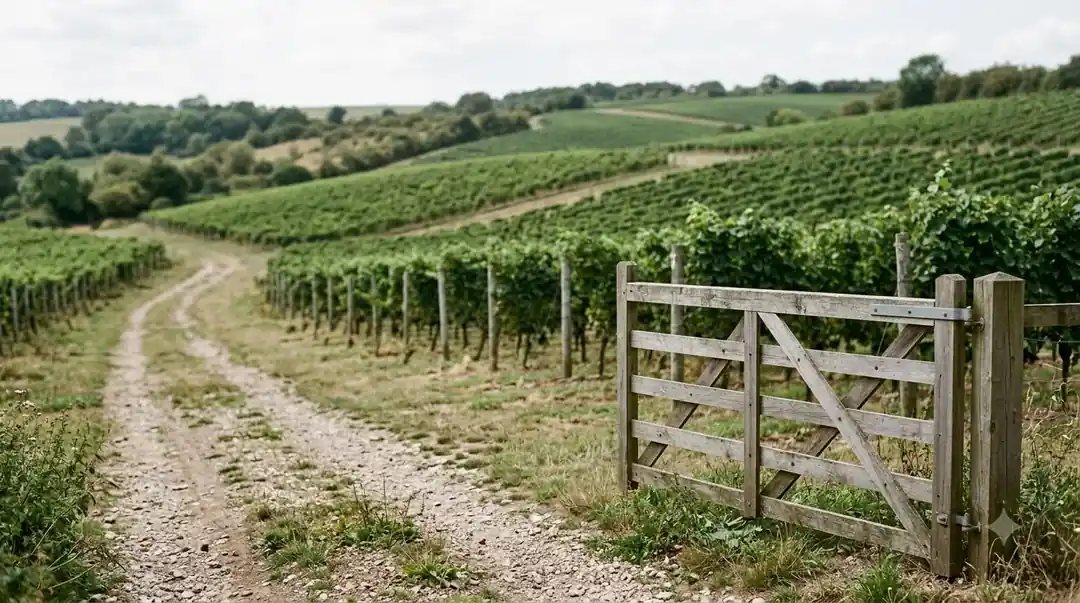
Rioja, in northern Spain, is the best-known home for Tempranillo. Rioja wines can show cherry, plum, strawberry, dill, vanilla, and tobacco, depending on the blend and aging. The Rioja regulatory council identifies Tempranillo as the region’s characteristic red grape and notes aromas of red and black fruit, including plum and strawberry, along with floral notes such as violet. Long aging can add vanilla, cocoa, and licorice-like nuances. Rioja is not one fixed flavor: the region produces young, easy-drinking reds as well as structured wines meant to mature. For a region-specific reference, the Rioja regulatory council’s Tempranillo profile lists the grape’s fruit and floral aromas and explains how long aging can add vanilla, cocoa, and licorice notes.
Ribera del Duero, farther inland along the Duero River, is known for more powerful expressions. The regional council places its vineyards at roughly 720 to 1,100 meters above sea level and describes a climate with dry summers, long winters, low annual rainfall of about 400 to 500 millimeters, and large daily temperature swings. Those conditions help explain why many wines have concentrated dark fruit, firm structure, and strong aging potential. The grape is commonly called Tinto Fino or Tinta del País in this region.
Toro, also in the Duero valley, often produces especially muscular Tempranillo, locally known as Tinta de Toro. Wine Enthusiast describes wines from Ribera del Duero and Toro as darker, more potent, and more tannic than many Rioja examples. That is a broad regional tendency, not a guarantee for every bottle: producers can make fresher, more restrained wines in these areas, too. Tempranillo also appears beyond Spain. In Portugal it is known by other local names and is used in both still wines and Port blends; plantings also exist in places such as Argentina, California, and Australia. These wines can keep the grape’s cherry-and-plum identity while reflecting local climate, blending traditions, and oak choices. For a first comparison, try a young Rioja beside a Ribera del Duero from a similar price tier and notice how fruit darkness, tannin, and oak change.
Reading Rioja Aging Terms and Oak Influence
On Rioja labels, aging terms provide a useful clue to the wine’s likely balance of fruit, oak, and mature savory notes. They describe minimum aging requirements, not a guarantee that every wine will taste identical.
For red Rioja, Crianza requires at least two years of aging, including at least one year in a 225-liter oak barrel. Reserva requires at least three years between barrel and bottle, with at least one year in oak and at least six months in bottle. Gran Reserva requires at least five years overall, including at least two years in oak and two years in bottle. These are Rioja rules for red wines; other Spanish appellations can have their own requirements.
| Rioja red category | Minimum total aging | Minimum oak aging | Likely flavor emphasis |
|---|---|---|---|
| Crianza | 2 years | 1 year | Fresh fruit with noticeable oak |
| Reserva | 3 years | 1 year | Integrated fruit, oak, and early savory notes |
| Gran Reserva | 5 years | 2 years | More developed dried-fruit, spice, and leather notes |
A Crianza is often the bridge between juicy young fruit and obvious barrel influence. Cherry and plum remain present, while vanilla, cedar, or spice may be easier to notice. Reserva usually has more time for the fruit and oak to settle together and may begin to show tobacco, leather, or dried-fruit nuances. Gran Reserva has the longest minimum maturation and is more likely to show mature aromas, although producer choices and vintage quality still matter. The barrel itself matters, too. A wine aged in a high proportion of new oak may taste more of vanilla, toast, clove, or coconut, while older barrels usually have a gentler aromatic effect. French and American oak do not taste interchangeable, and producers may use both. A label’s aging term gives a useful starting point, but it does not tell you exactly how much new oak was used or whether the wine is especially oaky. Do not assume that longer aging always means heavier wine. A mature Tempranillo can be more savory and less fruit-forward without becoming more powerful. Bottle age can soften tannins and shift aromas toward leather, dried herbs, nuts, and earthy notes, while the overall body may feel more composed rather than bigger. For another way to understand grape-driven flavor, compare this profile with what Chenin Blanc tastes like: the white grape’s acidity and apple, pear, or honeyed notes create a very different drinking experience. The contrast helps clarify how much Tempranillo’s cherry fruit, tannin, and oak shape its identity.
Serving Temperature and Food Pairings
Tempranillo is easiest to appreciate when it is served cool enough to keep its alcohol in check but not so cold that its aromas disappear. For most medium- to full-bodied examples, aim for 60°F to 65°F, then pair the wine with food that can meet its tannin and savory character.
A bottle served too warm can seem alcoholic and heavy, while a bottle served too cold can mute its fruit and make tannin feel more prominent. If the room is warm, a short spell in the refrigerator before serving can help. Pour a standard 5-ounce glass so there is room to swirl and smell the wine. A universal red-wine glass with a bowl wide enough to release aromas is suitable for most styles. Young, fruit-forward Tempranillo works well with tomato-based pasta, baked pasta, grilled sausages, burgers, and tapas. Its acidity gives it enough freshness for tomato sauce, while its fruit complements roasted peppers, mushrooms, and smoky grilled vegetables. A simple Crianza can be a practical match for weeknight dishes because it has enough structure for savory food without requiring a special occasion meal.
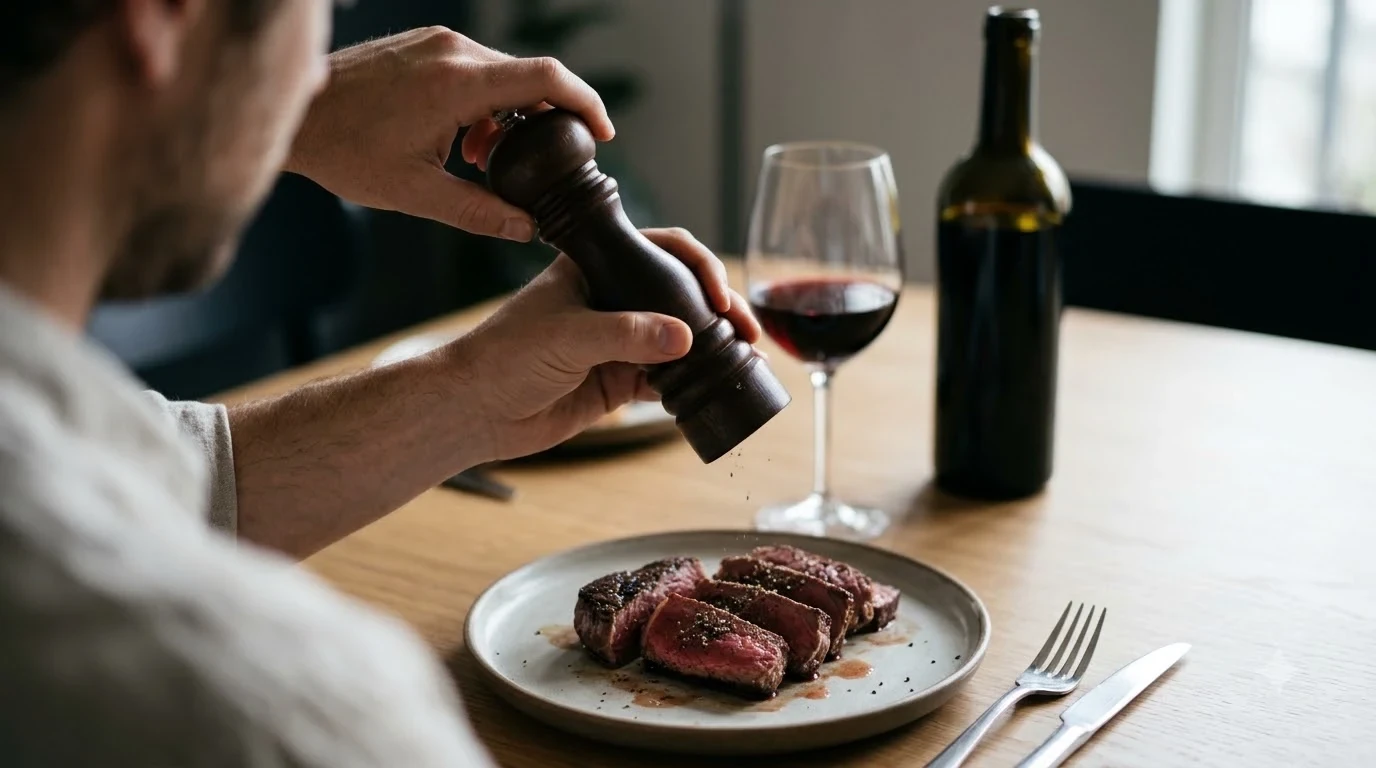
More structured or aged Tempranillo pairs naturally with roast lamb, grilled steak, pork shoulder, chorizo, and aged Manchego. Protein and fat help soften tannin, while salty foods can make the wine seem rounder and less drying. The pairing also works in the other direction: the wine’s acidity and savory notes can cut through rich meat and cheese. A Ribera del Duero with firm tannins can be especially comfortable beside lamb or beef from the grill. Be more careful with very spicy dishes. Tempranillo commonly has moderate-to-high alcohol and noticeable tannin, both of which can make chili heat feel more intense. Oily fish is also a less natural match for tannic red wine; a crisp white or lighter red is usually a safer choice. For a gentler match with salty or rich food, look for a softer, less oaky Tempranillo and avoid dishes dominated by hot peppers. If you like comparing Italian reds, what Corvina tastes like is a useful contrast: Corvina-based wines can emphasize sour cherry, red berries, and almond, while Tempranillo often brings a firmer tannic frame and more pronounced oak or tobacco notes. For broader comparisons across grapes and styles, browse Wine by Type to see how red, white, sparkling, and fortified wines differ.
Tip: Open a young, concentrated Tempranillo 30 to 60 minutes before dinner if it feels tight or strongly tannic. Let it breathe in a decanter or a wide-bottomed vessel, and serve it around 60°F to 65°F rather than at a warm room temperature.
Frequently Asked Questions
These quick answers cover a few details that can help identify Tempranillo on a label or understand its less familiar styles. The grape has several regional names and is not limited to conventional red wine.
How do you pronounce Tempranillo?
Tempranillo is commonly pronounced “temp-rah-NEE-yoh,” with the emphasis on the third syllable. The name comes from the Spanish word temprano, meaning “early,” a reference to the grape’s relatively early ripening.
What other names does Tempranillo use?
In Portugal, the grape is called Tinta Roriz and Aragonez. In Spain, regional synonyms include Cencibel, Tinto Fino, Tinta del País, Tinta de Toro, and Ull de Llebre, so a label may not use the word Tempranillo.
Can Tempranillo be made into white wine?
A rare white-skinned mutation is called Tempranillo Blanco. It was identified in Rioja Oriental and is an authorized white grape in Rioja, where it is used for white wines rather than the familiar red style.
Does Tempranillo make rosé?
Yes. Rioja’s regulatory council lists Tempranillo among the varieties used for rosé as well as young and aged red wines. Rosé made from the grape is generally more refreshing and fruit-led than the oak-aged reds most people associate with the variety.
Can Tempranillo age for a long time?
Well-made, structured examples can mature for 20 years or longer, though that is not the goal for every bottle. The best candidates combine sound acidity, firm tannin, concentration, and careful cellar work; simple young wines are usually intended to be enjoyed earlier.
Tempranillo is a versatile dry red, ranging from fresh cherry-and-strawberry flavors to mature wines layered with vanilla, tobacco, leather, and spice. Start with a young Rioja for a fruit-forward introduction, then compare it with a Reserva or a Ribera del Duero to explore how aging and place change the glass.
More in Wine Types & Grapes
 Zinfandel Sugar Content: Dry Red vs. White Zinfandel GramsUpdated Nov 21, 2026
 Best Zinfandel Substitute Options for Sipping and CookingUpdated Nov 21, 2026
 Zweigelt Food Pairing: Best Dishes, Cheeses, and Serving TipsUpdated Nov 21, 2026
 Zinfandel Tannins Explained: How Structure Shapes Every BottleUpdated Nov 21, 2026
 Zinfandel Sweetness Level: Dry Red vs. Sweet White Zin ExplainedUpdated Nov 21, 2026
 Xinomavro Food Pairing: Best Dishes, Styles, and Serving TipsUpdated Nov 21, 2026