

We may earn a commission when you buy through links on this page, at no extra cost to you. Learn more.
Pinot noir vs zinfandel comes down to a lighter, earthier red against a bolder, fruitier one. Pinot Noir is silkier and more earthy, with red fruit and a pale to medium color. Zinfandel is riper and spicier, with blackberry notes and usually more alcohol. Pinot Noir suits delicate dishes like salmon, while Zinfandel holds up to barbecue and spiced food.
If you have ever stood in a wine shop trying to choose between these two reds, this guide explains what separates them. It covers where each grape comes from, how the wines taste, how much alcohol they usually carry, how to serve them, and which foods go well with each one. Many shoppers end up choosing by mood as much as by menu, so the goal here is to help you match the bottle to the evening. Both grapes can be enjoyed on their own, but they shine most when the food is chosen with their weight and fruit in mind.
Where the Two Grapes Come From
Each grape has a clear historical home, but the two stories are very different.
Pinot Noir is a red grape that is dominant in Burgundy, France, and now grows in wine regions around the world. Winefolly describes it as one of the oldest grape varieties, with roots in ancient Burgundy. The name comes from the French words for “pine” and “black.” The grape prefers intermediate climates with long, cool growing seasons, and it often grows in protected valleys or near large bodies of water. Its thin skins give the wine its pale color, but they also make the vine difficult to grow because it is susceptible to disease.
Zinfandel has a more surprising origin. According to Winefolly, the grape was likely brought to the United States in the early 1800s, and its genetics were matched in the 1990s to the Croatian grape Tribidrag, also known as Crljenak Kaštelanski. In Italy the same grape is called Primitivo, a name that means “early ripener.” Zinfandel performs best in warm, sunny regions. Its thin skin makes it very sensitive to terroir, the mix of soil, climate, and site that shapes a wine.
Flavor and Style
Pinot Noir tends to be perfumed and light on its feet, while Zinfandel is bolder and fruitier.
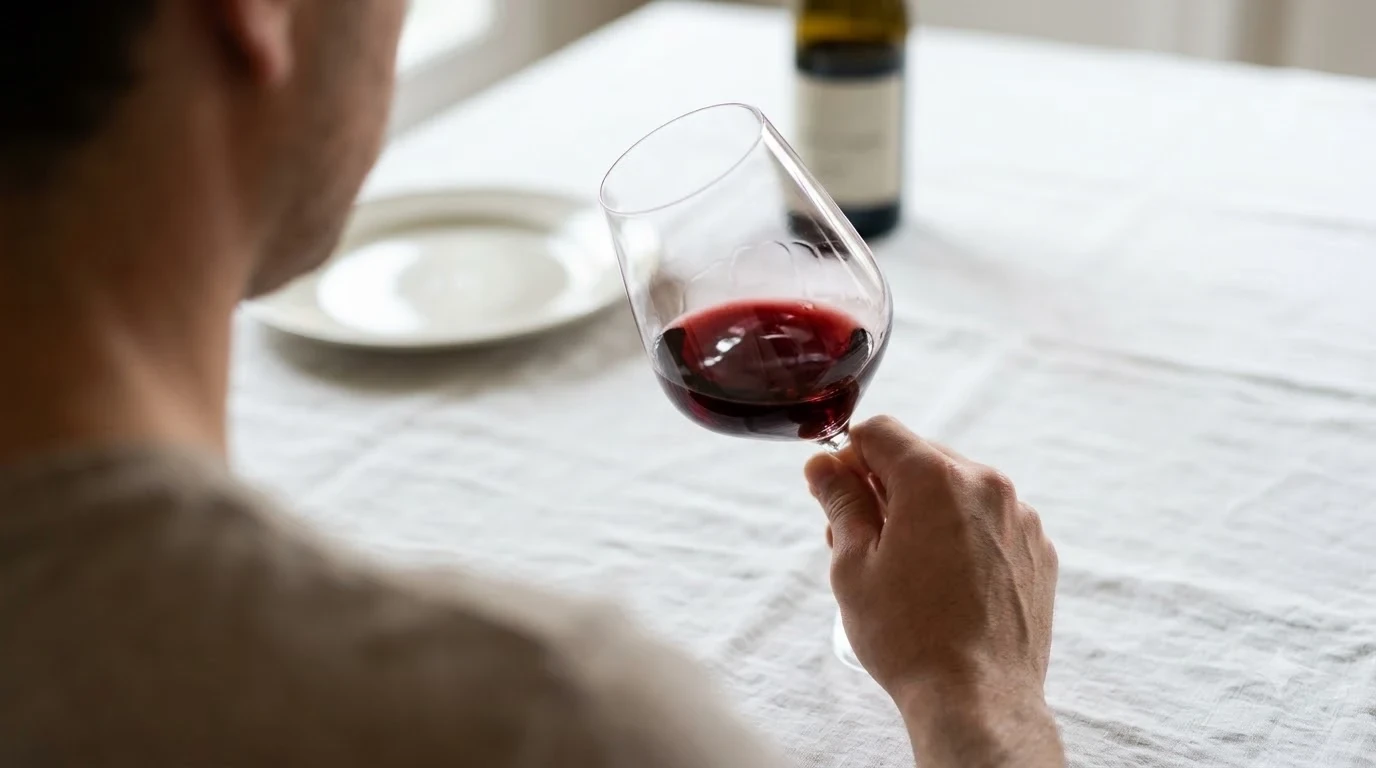
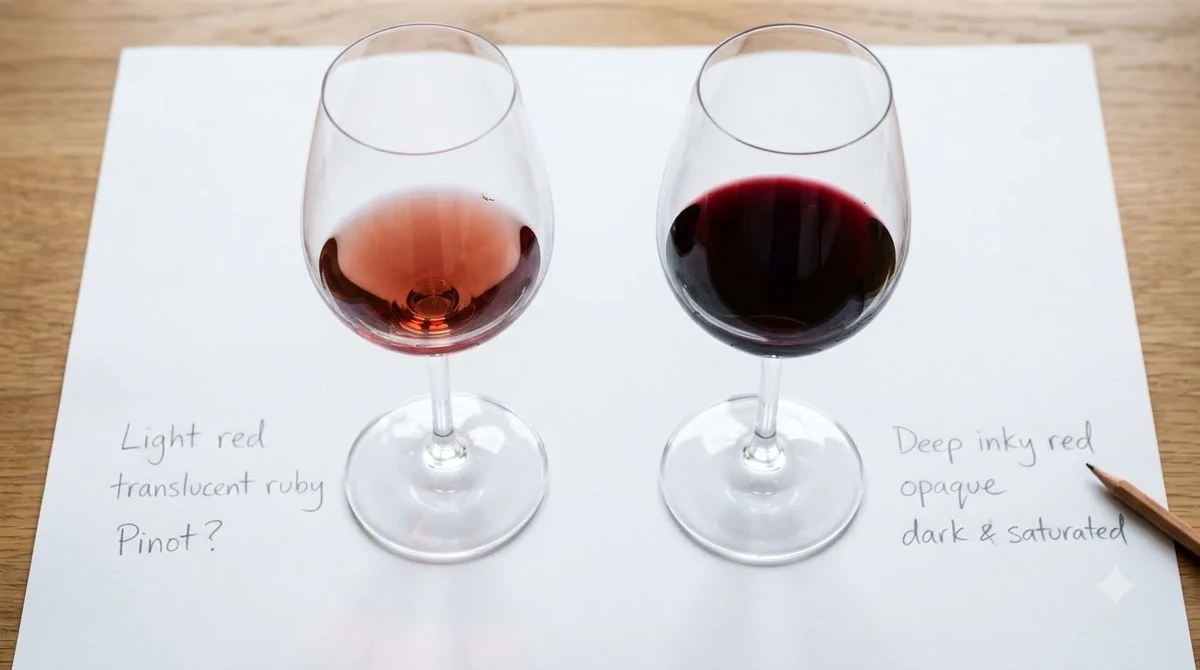
Pinot Noir usually shows cherry and raspberry, along with earthy notes such as forest floor and mushroom. Its tannins are low, and its acidity is medium to high, which gives it a fresh finish. Oak aging can add vanilla and smoke. Because of this balance, Pinot Noir is often described as elegant rather than heavy. Its thin skins also mean the color is lighter than most reds, which is one of the first visual clues that a bottle is Pinot Noir.
Zinfandel tends toward ripe, jammy fruit. Winefolly lists blackberry, strawberry, peach preserves, cinnamon, and sweet tobacco as its typical flavors. Cooler sites produce wines with red berries, while warmer sites give deeper black fruit, baking spice, and a peppery edge. If you want a red with obvious fruit and a touch of spice, Zinfandel is usually the better fit.
| Feature | Pinot Noir | Zinfandel |
|---|---|---|
| Origin | Burgundy, France, now grown worldwide | Likely Croatian ancestry, called Primitivo in Italy |
| Typical flavors | Cherry, raspberry, forest floor, mushroom | Blackberry, strawberry, peach preserves, cinnamon |
| Preferred climate | Cool, long growing seasons | Warm, sunny regions |
| Typical alcohol | 12 to 14% ABV | Often 14% or higher |
| Serving temperature | 55 to 60°F (12 to 15°C) | 60 to 68°F (15 to 20°C) |
Alcohol, Body, and Serving Temperature
Zinfandel usually carries more alcohol than Pinot Noir, and it is served a few degrees warmer.
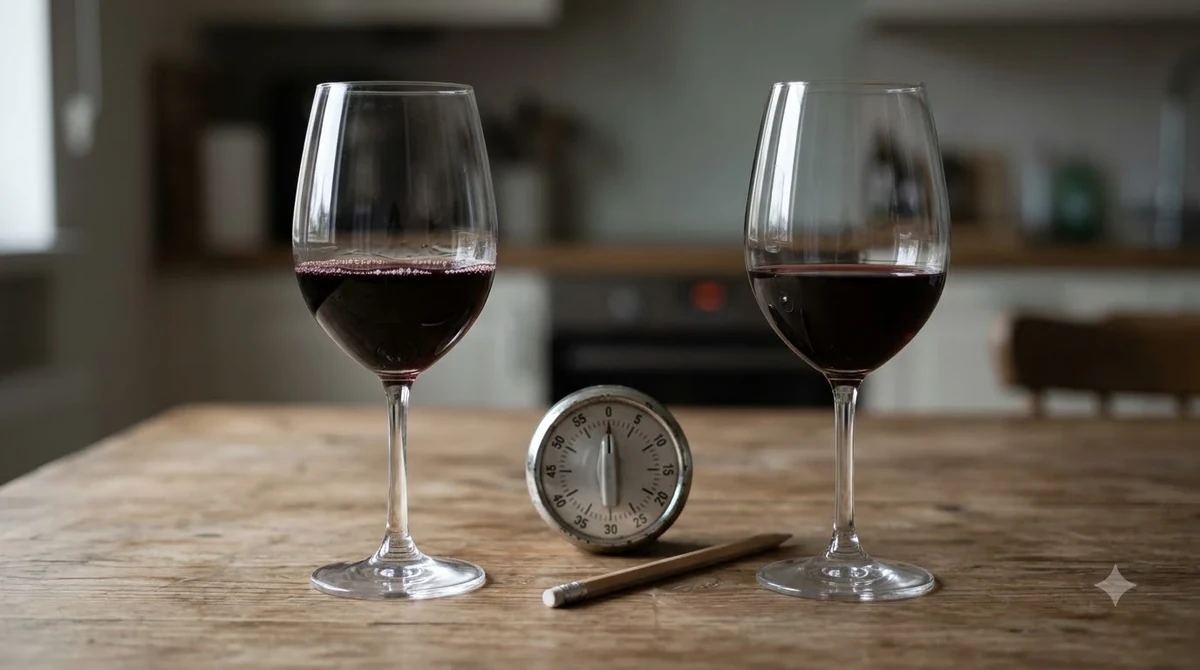
Winefolly gives Pinot Noir a typical alcohol level of 12 to 14% ABV, which it links to the wine’s silky, elegant mouthfeel. The same guide suggests serving it between 55 and 60°F (12 to 15°C) and notes that many young bottles benefit from about 30 minutes of decanting. A cooler serve keeps the lighter wine’s fruit bright and its acidity lively.
Zinfandel sources give slightly different alcohol figures. One Winefolly section lists “over 15% ABV,” while the tasting section describes “14%+ ABV.” In practice, expect a bottle to sit at 14 percent or more. Winefolly recommends serving Zinfandel between 60 and 68°F (15 to 20°C), a range that suits its bigger, riper style. The source does not give a specific decanting time for Zinfandel.
Food Pairings for Each Grape
The two wines lean toward different kinds of dishes, so the menu often decides which one to open.
Pinot Noir is versatile at the table. Winefolly points to salmon and richer dishes like duck, especially spiced duck. It also suits earthy, mushroom-based dishes that include some fat. The wine’s moderate weight and fresh acidity make it a good match for food that is savory but not heavy.
Zinfandel works with bolder food. The Winefolly Zinfandel grape guide lists Moroccan and Turkish spices, pizza rustica, barbecue, and grilled meats such as ribs, pulled pork, lamb, and game. It also pairs with sharp cheddar, smoked gouda, grilled halloumi, caramelized onion, grilled eggplant, and olives. Smoky or charred seasonings like cumin, Cajun spice, and cinnamon tend to match its fruit well.
How to Choose Between Them
Choose by the meal and by the style of red you like, not by the grape name alone. A quick test is to ask whether the dinner is light and herb-driven or smoky and sauced, then pick the red that matches that weight. Bottles labeled with the grape name are widely available, so the choice mostly comes down to what you plan to eat and whether you want a delicate or a bold glass.
- Pick Pinot Noir if you want a lighter red with red fruit, low tannin, and earthy notes, or if you are cooking salmon, duck, or mushrooms.
- Pick Zinfandel if you want a riper, spicier wine for barbecue, pizza, or a cheese board with smoky flavors.
- Consider a neighboring comparison if you are still deciding. The chianti vs pinot noir guide looks at another red that many shoppers weigh against Pinot Noir.
If you want to see how Pinot Noir compares with white wines, the chardonnay vs pinot noir comparison and the gamay vs pinot noir guide cover the same light-red territory from different angles.
Frequently Asked Questions
Is Zinfandel sweeter than Pinot Noir?
Not necessarily. Zinfandel is usually fruit-forward and ripe, and its peach preserve and jammy notes can taste sweet. Most bottles are still dry. Pinot Noir is also dry, but its red fruit and acidity make it taste lighter.
Which is better for a beginner?
Pinot Noir is often a good first red because its low tannins and fresh acidity are gentle. Zinfandel is also easy to enjoy, especially if you like bold fruit and spice. Try both with the same meal to see which style you prefer.
Can I swap one for the other in a recipe?
You can, but the result will change. Pinot Noir is lighter and more acidic, so it works better in gentler sauces. Zinfandel adds more fruit and spice, which suits bold braises and barbecue sauces.
Does Zinfandel need to be decanted?
Winefolly’s Pinot Noir guide recommends about 30 minutes of decanting for many young bottles. Its Zinfandel guide does not give a specific decanting time, so you can taste the wine after opening and decide whether it needs air.
In short, Pinot Noir is the lighter, earthier red and Zinfandel is the bolder, fruitier one. Match the grape to the food on the table, and the choice usually becomes clear. For a wider view of how reds differ, the Wine vs Wine hub collects more side-by-side comparisons.
More in Wine vs Wine
 Nero d’Avola vs Pinot Noir: Taste, Body, and Pairing DifferencesUpdated Nov 21, 2026
 Chenin Blanc vs Pinot Blanc: Key Differences in Taste, Acidity, and PairingsUpdated Nov 21, 2026
 Chardonnay vs Shiraz: Key Differences in Taste, Serving, and PairingUpdated Nov 21, 2026
 Chardonnay vs Verdejo: How Spain’s Crisp White Compares to the World’s ChameleonUpdated Nov 21, 2026
 Chardonnay vs Sancerre: Key Differences in Taste, Grapes, and PairingUpdated Nov 21, 2026
 Chardonnay vs Malbec: Key Differences in Taste, Body, and PairingUpdated Nov 21, 2026