

We may earn a commission when you buy through links on this page, at no extra cost to you. Learn more.
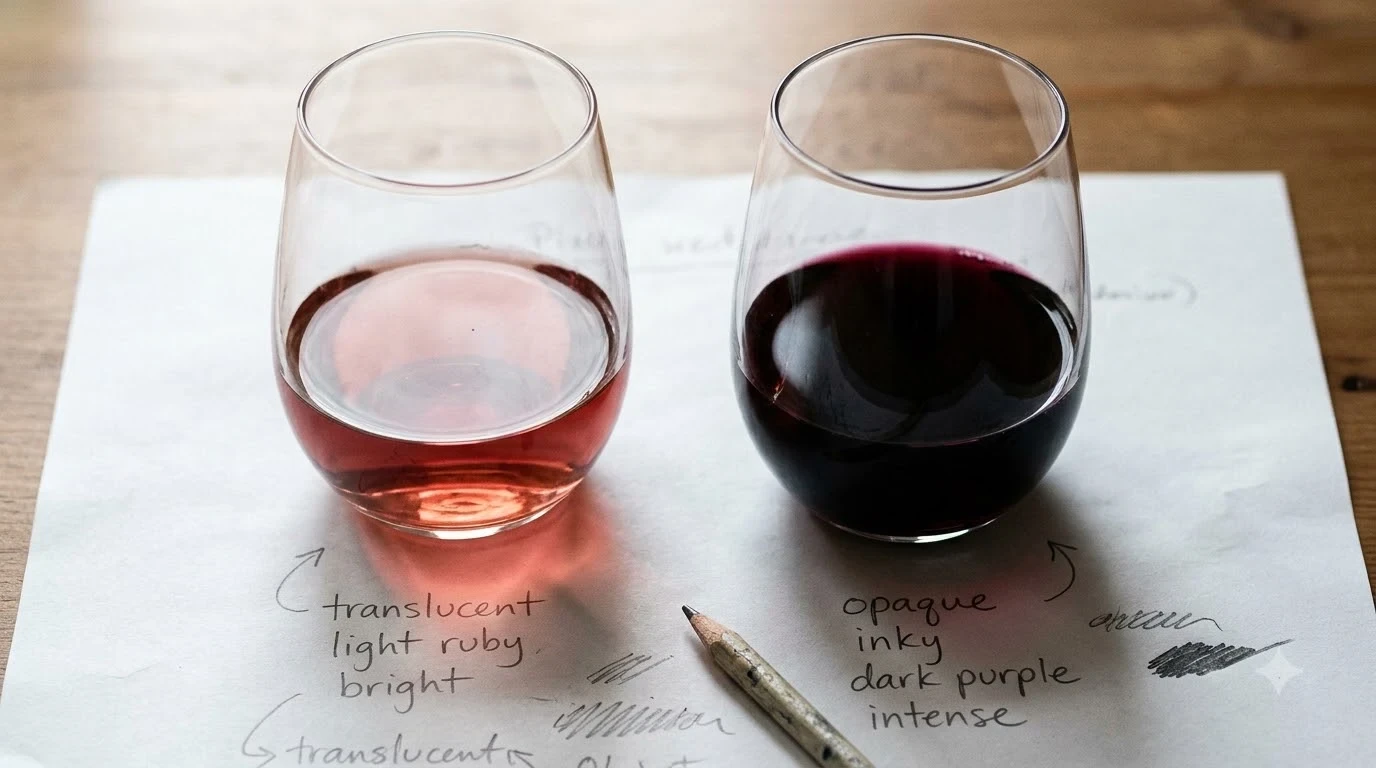
Gamay vs pinot noir compares two light, fresh red grapes that grow in very different places. Gamay is the grape of Beaujolais in France, and it is known for juicy pomegranate and blackberry flavors with almost no tannin. Pinot noir is the grape of Burgundy and many cool-climate regions, and it adds earthy, floral notes with more depth and complexity. Gamay is the easier, more casual drink, while pinot noir rewards attention and a more deliberate meal.
Both wines are often described as light reds, which makes them confusing to tell apart on a crowded shelf. They do share a lot of common ground, including medium-high acidity and a silky feel, but their flavors, structure and serving habits differ enough that the choice matters. This guide explains how each wine tastes, where it grows and when each one is the better pick.
Two Grapes, Two Different Personalities
Gamay is a red grape best known from Beaujolais, a region south of Burgundy in France. Most of the grape’s plantings are in France, and the wines are typically made to be enjoyed young. Gamay has a small but devoted following outside France, and many winemakers treat it as a fresh, fruity alternative to heavier reds. The grape is often seen as an approachable everyday red, which is part of why it has such loyal fans among people who want a wine that is easy to pour and easy to enjoy.
Pinot noir is more widely planted and more often discussed in serious wine circles. It is considered one of the most demanding grapes to grow, because it prefers cool, long growing seasons and thin-skinned fruit that can be easily damaged by heat. The grape’s sensitivity to place means its flavors shift noticeably from one vineyard or region to the next. A pinot noir from a cool coastal valley can taste bright and floral, while one from a warmer site may show riper cherry and more spice. Reading the region on the label gives you a good sense of what to expect in the glass.
Flavor and Body Compared
According to Wine Folly’s gamay guide, the grape shows flavors of pomegranate, blackberry bramble, violet, potting soil and peony. It is dry, medium-light in body, has no tannin to speak of and sits at medium-high acidity, with alcohol usually between 10 and 11.5 percent.
Pinot noir tastes deeper. Wine Folly describes cherry and raspberry fruit with earthy notes of forest floor, tea leaves and sometimes clove. Oak aging can add vanilla and smoke, and older bottles may develop mushroom and leather. Pinot noir is light to medium in body, has low tannins because of its thin skins, and usually reaches 12 to 14 percent alcohol.

| Feature | Gamay | Pinot noir |
|---|---|---|
| Main home | Beaujolais, France | Burgundy, plus cool regions worldwide |
| Body | Medium-light | Light to medium |
| Tannins | None to very low | Low |
| Acidity | Medium-high | Medium-high |
| Typical flavors | Pomegranate, blackberry, violet | Cherry, raspberry, forest floor |
| Typical ABV | 10–11.5% | 12–14% |
Where Each Grape Grows
Gamay is grown predominantly in France, and Beaujolais is its best-known home. Its style is tied to the granite and clay soils of the region and to the traditions of its producers, who often make wines meant to be drunk within a few years of harvest.
Pinot noir has a much broader geography. Its most prized vines sit on a narrow, east-facing slope just south of Dijon, in Burgundy. Within Burgundy, villages on the Côte de Nuits such as Gevrey-Chambertin and Chambolle-Musigny show different character, from full-bodied and structured to elegant and aromatic. Outside France, the grape is important in Oregon, New Zealand, California and parts of Germany and Central Europe, and each region gives it a different slant.
How to Serve Each Wine
Both wines are typically served slightly cool. Gamay and pinot noir are generally poured at about 55 to 60°F (12 to 15°C), which keeps the acidity lively and the fruit clean. Serve gamay in an aroma-focused glass that lets the floral and fruity notes come through.
Pinot noir benefits from a little more handling. A young bottle with real structure can be decanted for about 30 minutes, which softens its edges and lets the earthy notes open up. Gamay usually does not need decanting, and it is at its best when served fresh.
Storage matters too. Gamay is generally meant for drinking within a few years, while pinot noir from a serious producer can be cellared longer and will often show more savory character as it matures. For either wine, keep bottles away from heat and light, and store them on their side if they are sealed with cork, so the cork stays moist.
Tip: Both wines can be chilled slightly before serving on a warm day. Ten to fifteen minutes in the refrigerator is enough to bring them into the right range.
Food Pairings That Work
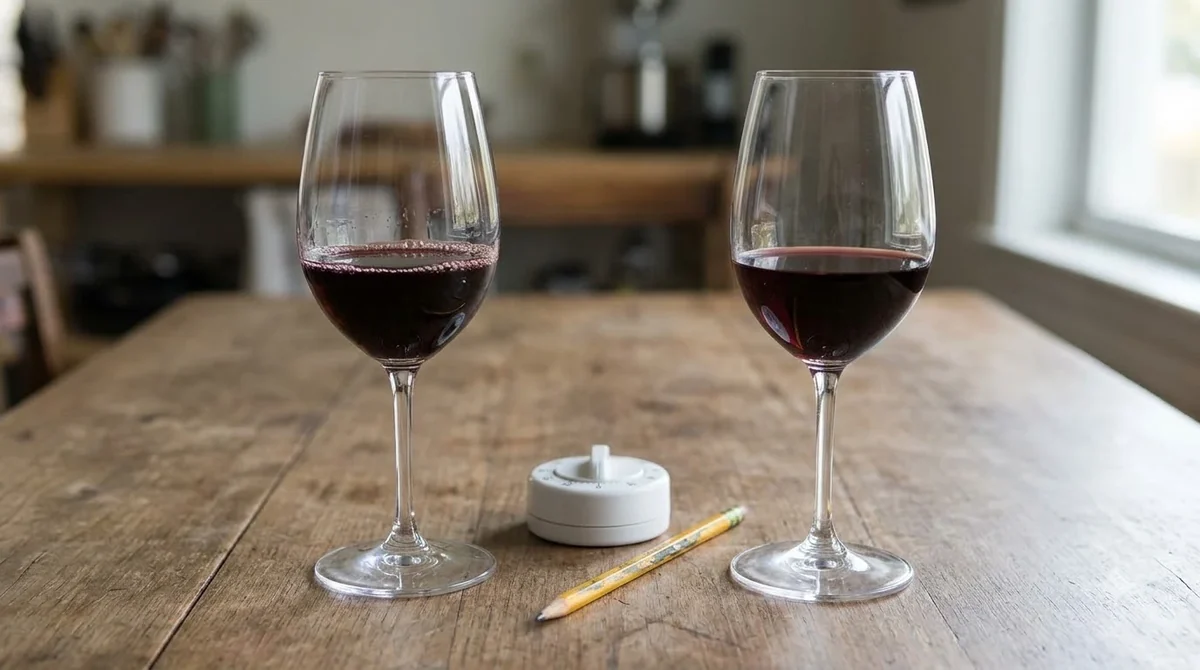
Gamay is a relaxed partner for casual food. Charcuterie, roast chicken, grilled sausages, and picnic dishes all suit its juicy fruit and low tannin. It is also a good match for dishes with mild spice or a little tang, because its acidity keeps the wine refreshing.
Pinot noir is more versatile at the table. Its earthy character works with roast duck, salmon, mushroom risotto, and dishes built around herbs and roasted vegetables. Because the wine has more depth than gamay, it can sit alongside richer food without feeling heavy, which makes it a favorite for special dinners.
Gamay and pinot noir also differ in how they handle vegetables and sauces. Gamay suits salads with tart dressings and light vegetable dishes, since its fruit is bright enough to stand up to a little acidity. Pinot noir pairs with earthier vegetables such as beets, mushrooms and roasted root dishes, and its silky texture works well with butter-based sauces that would overwhelm a lighter red.
How to Choose Between Them
Choose gamay when you want a bright, easy red for a casual evening, a picnic, or a meal with simple flavors. Choose pinot noir when the occasion calls for more complexity, when the food is more elaborate, or when you want to taste how place shapes a wine. Both wines are best within a few years of the vintage, but pinot noir from strong producers can gain interest with longer cellaring.
If you are weighing pinot noir against other reds, the chianti vs pinot noir comparison covers an Italian red with similar acidity. For a white wine alternative, see chardonnay vs pinot noir. The wine vs wine guides include more side-by-side comparisons.
Frequently Asked Questions
Is gamay the same grape as pinot noir?
No. They are different grape varieties. Gamay is the main red grape of Beaujolais, while pinot noir is the main red grape of Burgundy. Both produce light, fresh red wines, but their flavors and structure are not the same.
Which one has more tannin?
Pinot noir has low tannins, and gamay has very little or none. Pinot noir’s thin skins give it a silkier texture than most reds, while gamay is even softer and lighter on the palate.
Should I decant gamay or pinot noir?
A young pinot noir with real structure can benefit from about 30 minutes in a decanter. Gamay is usually enjoyed fresh and does not need decanting.
Which one is better for a beginner?
Gamay is often a friendly starting point because its fruit is easy to read and it is light on tannin. Pinot noir is also approachable, and trying a few bottles from different regions will show how much its style can change.
Gamay and pinot noir both reward a chilled glass and a simple meal. Start with the occasion and the food on the table, then choose the red that matches. Tasting one of each with the same dinner is the quickest way to learn which style you prefer.
More in Wine vs Wine
 Nero d’Avola vs Pinot Noir: Taste, Body, and Pairing DifferencesUpdated Nov 21, 2026
 Chenin Blanc vs Pinot Blanc: Key Differences in Taste, Acidity, and PairingsUpdated Nov 21, 2026
 Chardonnay vs Shiraz: Key Differences in Taste, Serving, and PairingUpdated Nov 21, 2026
 Chardonnay vs Verdejo: How Spain’s Crisp White Compares to the World’s ChameleonUpdated Nov 21, 2026
 Chardonnay vs Sancerre: Key Differences in Taste, Grapes, and PairingUpdated Nov 21, 2026
 Chardonnay vs Malbec: Key Differences in Taste, Body, and PairingUpdated Nov 21, 2026