

We may earn a commission when you buy through links on this page, at no extra cost to you. Learn more.
Gevrey Chambertin wine is red Burgundy made mainly from Pinot Noir in the village of Gevrey-Chambertin on the Côte de Nuits. The village plants about 310 hectares of Pinot Noir and holds 9 of the 33 Grand Cru vineyards in Burgundy, which makes it one of the most important names in the region. Its top wines are known for structure and long aging, and the best examples can develop over a decade or more in the bottle.
This guide explains where Gevrey-Chambertin sits in Burgundy, which vineyards carry the highest reputation, what the wines taste like, and how to serve and buy them. It is written for readers who are new to Burgundy as well as those who want to choose a bottle with more confidence.
Where Gevrey-Chambertin Sits in Burgundy
The village lies on the Côte de Nuits, the northern part of the Côte d’Or, the escarpment that runs through the heart of Burgundy. Its commune covers about 24.77 square kilometers (9.56 square miles), and the vineyards spread across the slopes above the village.
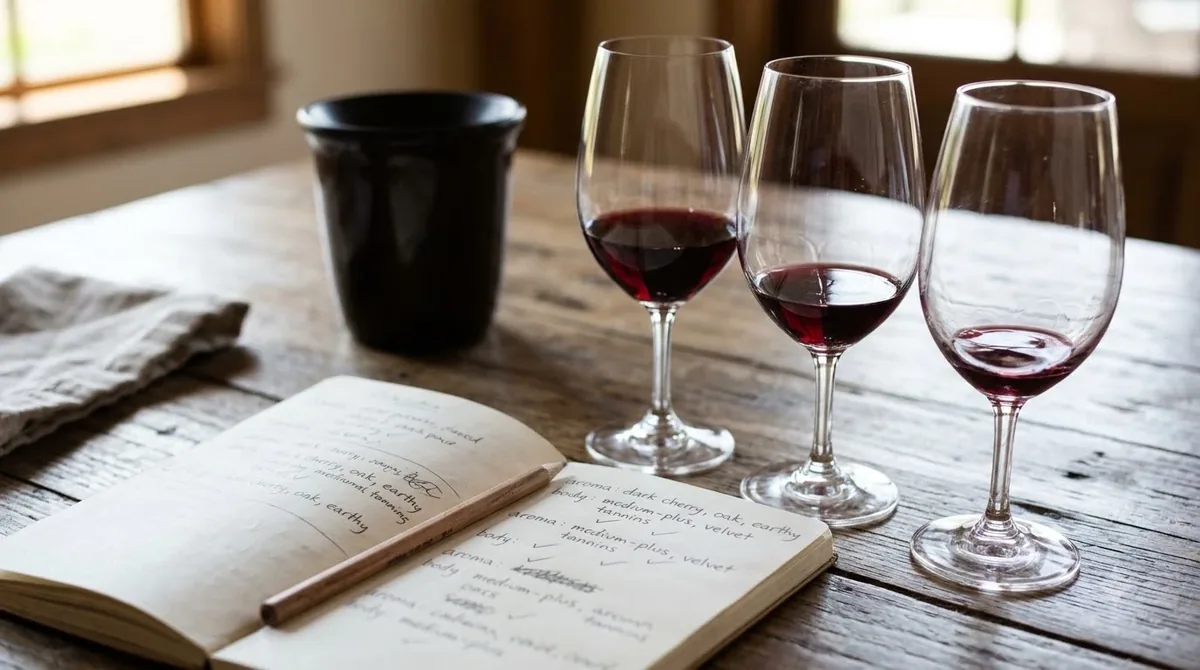
Burgundy’s vineyards are divided into small plots called climats, and the regional wine trade body says these plots are classified as Premier Cru and Grand Cru. Gevrey-Chambertin contains some of the most famous climats in the entire region, so a bottle’s label often tells you as much about the site as the producer. The official Burgundy wine trade site describes this classification system, and it is the best starting point for anyone who wants to read it in detail.
The village is also the home of a long wine history. Accounts of the area’s early viticulture have drawn attention to Gallo-Roman vines and to ancient writers who described grape growing in the region, although the source used for this guide notes that some of these claims still need stronger evidence. For a buyer, the practical point is simpler: the village has been known for red wine for a very long time, and its name carries weight on the label.
The Grand Crus of Gevrey-Chambertin
The Grand Crus of Gevrey-Chambertin are the best-known wines of the village, and several of them have names that are recognized by collectors. The table below lists the nine Grand Crus named in the source material and the size of each vineyard in hectares.
| Grand Cru | Vineyard area (hectares) |
|---|---|
| Chambertin | 12.9 |
| Chambertin-Clos-de-Bèze | 15.4 |
| Chapelle-Chambertin | 5.5 |
| Charmes-Chambertin | 30.8 |
| Mazis-Chambertin | 9.1 |
| Mazoyères-Chambertin | 1.72 |
| Griotte-Chambertin | 2.7 |
| Latricières-Chambertin | 7.3 |
| Ruchottes-Chambertin | 3.3 |
The size of each Grand Cru matters for price and availability. Charmes-Chambertin is the largest of the listed vineyards at 30.8 hectares, while Mazoyères-Chambertin is among the smallest at 1.72 hectares. A small vineyard can produce fewer bottles, so a wine from a tiny Grand Cru may be harder to find than one from a larger site, even when both carry the same village name.
Grand Cru is not the only level on a Gevrey-Chambertin label. Premier Cru vineyards and village-level wines also exist, and each step down the classification usually changes the price and the intensity of the wine. Reading the vineyard name on the label helps you see where the bottle sits in that hierarchy.
What Gevrey-Chambertin Wine Tastes Like
Gevrey-Chambertin is made from Pinot Noir, which is the main grape of the village and its red wines. The sources used for this guide describe the grape’s general profile, rather than a single house style for the village, so each producer and vintage will taste a little different.
In general, Pinot Noir is light to medium bodied with low tannins and high acidity. According to Wine Folly’s Pinot Noir guide, the primary flavors include raspberry, cherry, mushroom, and hibiscus, with earthy notes of forest floor and tea leaves. Oak aging can add vanilla and smoke. Alcohol usually falls between 12 and 14 percent ABV, which helps keep the wine lively rather than heavy.
The Grand Cru wines are generally made to age, and the earthy and savory notes often become more pronounced over time. Younger bottles tend to show more fruit and freshness, while older bottles can show more complexity. Knowing this difference helps you decide whether a bottle is ready to drink now or better kept for later.
How to Serve and Age Gevrey-Chambertin
Serving temperature matters for Burgundy reds as much as for any other wine. Wine Folly suggests serving Pinot Noir between 55 and 60 °F (12 to 15 °C), a little cooler than most room temperatures. Serving within that range keeps the red fruit clear and the acidity bright, and it avoids the heavy, warm feel that can make a red seem flat.
Aging potential is the other big variable. The source material describes the village’s top wines as having high aging potential, typically 10 to 20 years, and some exceptions can last longer. Those figures apply to the best Grand Crus in good vintages, not to every bottle with the village name. A younger village-level wine is usually meant to be opened sooner.
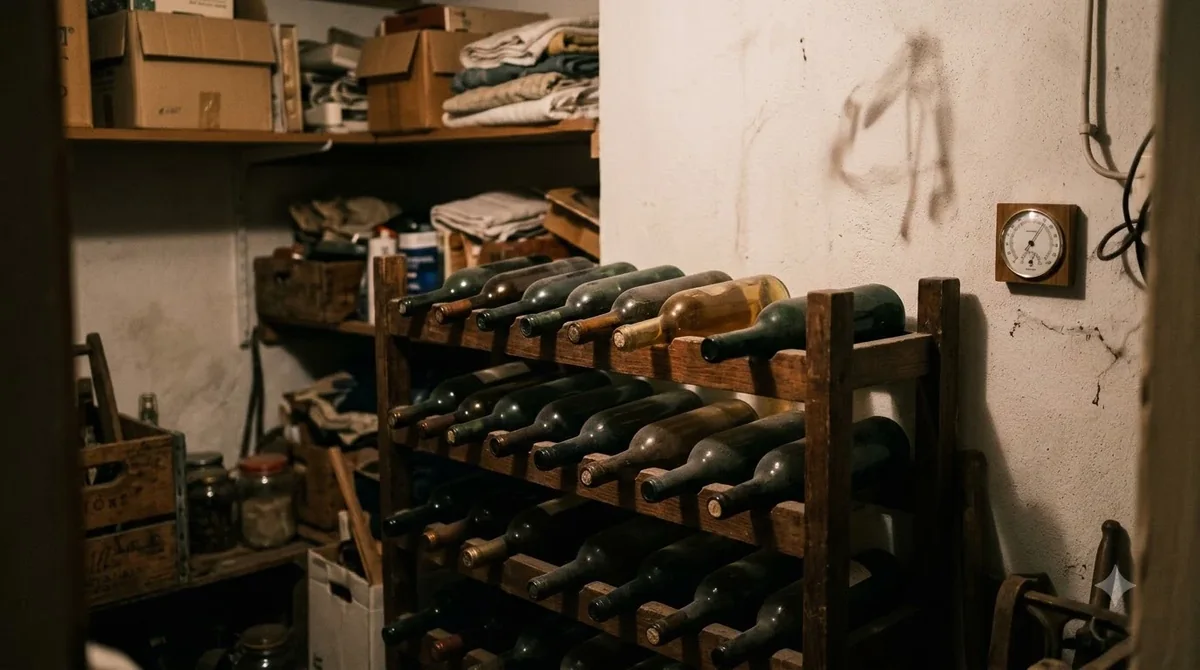
Because the top wines are built to last, buying them young and keeping them in a stable cellar is a common approach among collectors. Storage details are beyond the scope of this guide, but a cool, dark, and steady place is the basic idea. A bottle that is still tight and firm in its youth is often simply waiting for more time.
Food Pairings for Gevrey-Chambertin
Pinot Noir from Burgundy is a natural match for dishes that combine savory flavors with earthy ingredients. According to VinePair’s Pinot Noir guide, the traditional meat pairings include beef bourguignon and coq au vin, both of which suit the grape’s mushroom and forest-floor character.
Gamey meats such as duck, rabbit, and quail also suit the earthy side of the wine. For lighter meals, roasted vegetables and mushrooms bring out similar savory notes, and the wine’s acidity helps it stand up to rich sauces without overwhelming the food. Simple roast chicken or pork can also work well, especially with herbs and a savory sauce.
How to Buy and Read a Gevrey-Chambertin Label
Start by checking the level of the vineyard named on the label. A bottle that says Grand Cru names one of the nine top sites, while a Premier Cru bottle names a site in the next tier down. A label that gives only the village name indicates a wine from the village as a whole.
Next, look at the producer and the vintage. The producer shapes the style through decisions in the vineyard and the cellar, while the vintage reflects the weather of a particular year. Two bottles from the same vineyard can taste quite different depending on those factors, so it helps to check a few producers before you settle on a favorite.
Tip: If you are buying a bottle to drink soon, a village-level Gevrey-Chambertin or a Premier Cru from a trusted producer is a practical way to get the style without waiting for a Grand Cru to mature.
Frequently Asked Questions
What grape is Gevrey-Chambertin made from?
Gevrey-Chambertin red wine is made from Pinot Noir. The village has about 310 hectares of vineyards planted to that grape, according to the source used for this guide.
How many Grand Cru vineyards are in Gevrey-Chambertin?
Gevrey-Chambertin has 9 of the 33 Grand Cru vineyards in Burgundy. The best-known names include Chambertin, Chambertin-Clos-de-Bèze, and Charmes-Chambertin.
How long can Gevrey-Chambertin age?
The source describes the top wines as having high aging potential, typically 10 to 20 years, and some longer. Village-level wines are generally meant to be opened sooner than the top Grand Crus.
What temperature should you serve Gevrey-Chambertin?
Serve it between 55 and 60 °F (12 to 15 °C), which keeps the red fruit lively and the acidity bright without making the wine feel heavy.
Gevrey-Chambertin rewards readers who take the time to learn the village’s classifications and the grape’s basic profile. For a broader look at how Burgundy fits into the wine world, read our overview of wine regions. If you want a comparison with a different red-wine tradition, our douro wine guide offers another useful reference point.
More in Wine Regions
 Willcox Wine Trail: Discover Arizona’s High-Elevation Wine CountryUpdated Nov 20, 2026
 Yakima Valley Wine Region: Find the Best Styles to TryUpdated Nov 20, 2026
 Vosne Romanee Wine Tasting: Identify Aromas and Choose Better PairingsUpdated Nov 20, 2026
 Yakima Valley Wine Festival: Find the Best Seasonal Wine EventsUpdated Nov 20, 2026
 Wales Vineyards: Discover Cool-Climate Wines and Where to VisitUpdated Nov 20, 2026
 Yountville Wine Festival: Discover Napa Wines and Local FoodUpdated Nov 20, 2026