

We may earn a commission when you buy through links on this page, at no extra cost to you. Learn more.
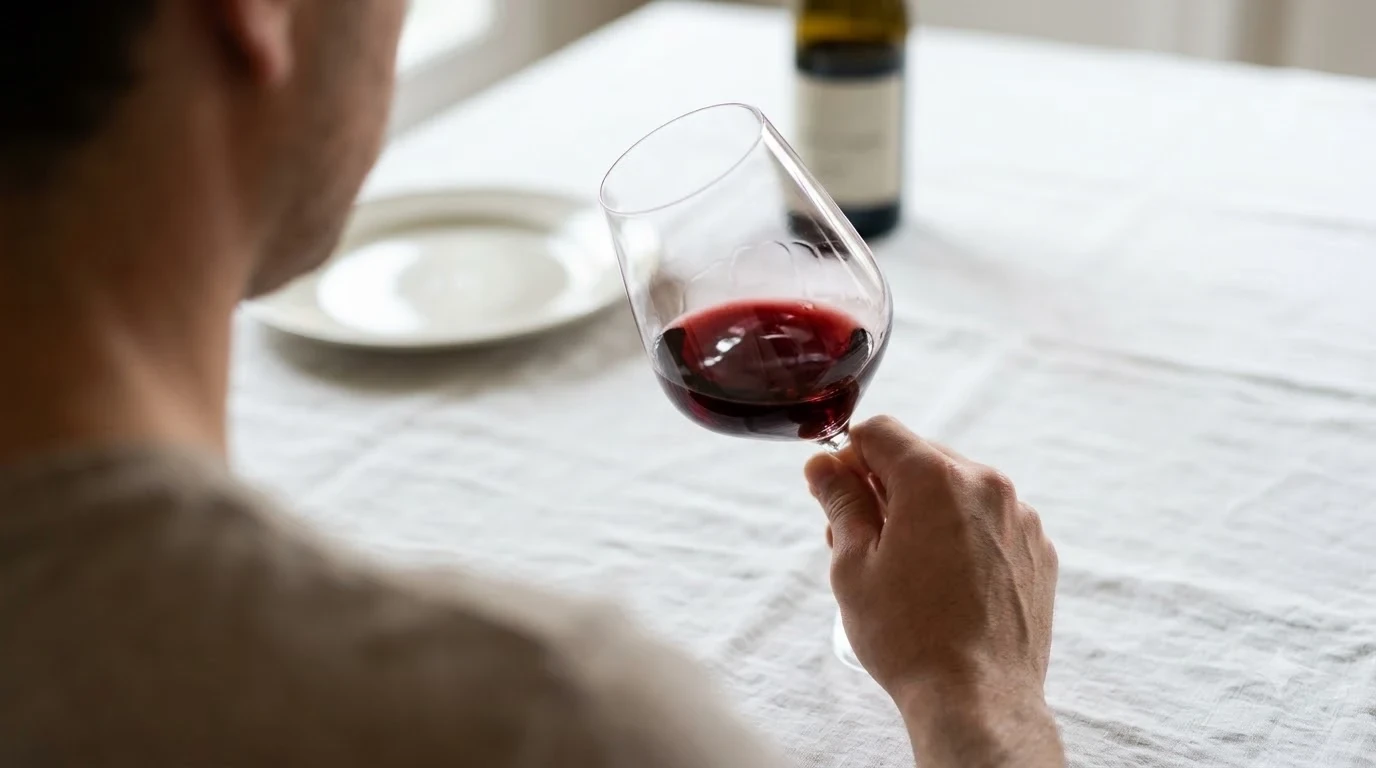
Chardonnay vs pinot noir is a choice between a white wine and a red wine, and the two grapes are very different in style. Chardonnay is a white grape that can taste crisp and lean or rich and buttery, depending on oak and winemaking. Pinot noir is a light- to medium-bodied red with high acidity, low tannin, and cherry and earth flavors. Pick chardonnay for a white with body, and pick pinot noir for a red that stays fresh with food.
This guide compares the two grapes on taste, body, serving temperature, and food. It also explains why the choice often depends on the dish on the table as much as on personal preference. Many people assume the color of the grape decides everything, but winemaking changes the result a great deal.
What Chardonnay Tastes Like
Chardonnay is one of the most widely planted white grapes in the world. Its flavor depends heavily on where it grows and how it is made. Unoaked styles, such as the lean wines of Chablis in Burgundy, show green apple, pear, and citrus, often with a chalky or mineral note. These wines are crisp and taut, with high acidity.
Oaked chardonnay tells a different story. Barrel aging adds vanilla, spice, and toasted notes, while malolactic fermentation brings butter and a creamier texture. Typical oaked profiles show lemon, yellow apple, peach, and pineapple underneath the oak. A rich California chardonnay can feel almost round, which is why many people think of chardonnay as a full-bodied white.
What Pinot Noir Tastes Like
Pinot noir is a thin-skinned red grape best known from Burgundy, where it is the principal red grape. The wine typically shows ripe cherry and raspberry, with notes of forest floor, tea leaves, and sometimes clove. Oak adds vanilla and smoke, and bottle age brings mushroom and leather. Many drinkers describe the grape as delicate, which is why winemakers often treat it with care.
Pinot noir is light to medium in body, with low tannin because of its thin skins. Acidity is high, and that freshness is one of the grape’s main strengths. Typical alcohol sits between 12 and 14 percent, which makes pinot noir feel lighter on the palate than many other reds.
| Feature | Chardonnay | Pinot noir |
|---|---|---|
| Color | White (made from a green-skinned grape) | Red (made from a thin-skinned dark grape) |
| Body | Medium, fuller when oaked | Light to medium |
| Acidity | Medium, high in lean and sparkling styles | High |
| Tannin | Not applicable | Low |
| Typical alcohol | 12 to 15 percent | 12 to 14 percent |
| Serving temperature | About 45 to 55 F (7 to 12 C) | About 55 to 60 F (12 to 15 C) |
Tip: Chill a lean chardonnay before serving. Pour a pinot noir a little cooler than most reds, which keeps its fruit and acidity in focus.
Winemaking choices shape chardonnay more than almost any other white grape. Some producers ferment and age the wine in stainless steel to keep it clean and bright. Others use new or used French oak barrels, stir the lees, or allow partial malolactic fermentation. Reading the back label or the producer’s description for words like “unoaked,” “barrel-fermented,” or “malolactic” gives a useful preview of the style before you open the bottle.
Serving Temperature and Glassware
Chardonnay is best served cool, but not ice cold. A lean, unoaked style does well at about 45 degrees Fahrenheit, while an oaked version can show better at closer to 55 degrees. Warmer serving temperatures let the oak and richness come forward, and cooler ones keep the wine tight and crisp.
Pinot noir usually shows best at around 55 to 60 degrees Fahrenheit. Serving it too warm can make the alcohol feel heavy and mute the fresh fruit. A slightly cool red also suits the grape’s high acidity. Decanting for about 30 minutes can help a young pinot noir open up, though many bottles are already ready to drink when they are poured.
How Long Each Wine Keeps
Most lean, unoaked chardonnay is meant to be drunk within a few years of the vintage, because its freshness fades over time. Richer oaked chardonnays can hold for longer, and the best examples from Burgundy’s top villages can develop more complex notes with several years in the bottle. Storing a chardonnay in a cool place and away from light protects the wine’s texture and fruit.
Pinot noir often evolves more slowly than people expect. The grape’s high acidity and delicate structure help it age, and many bottles show their best between five and ten years after the vintage. The top Burgundy bottlings can mature for up to two decades, which is why collectors value them. Most everyday pinot noir, though, is best opened within a few years, so check the producer’s guidance if the label has it.
Food Pairings: Where Each Grape Shines
Chardonnay pairs well with dishes that have some richness and body. Roast chicken, lobster with butter, creamy pasta, and mild fish all match a full-bodied white. A lean unoaked chardonnay can work with lighter seafood and fresh salads, while an oaked one suits heavier sauces and dishes with toasted flavors.
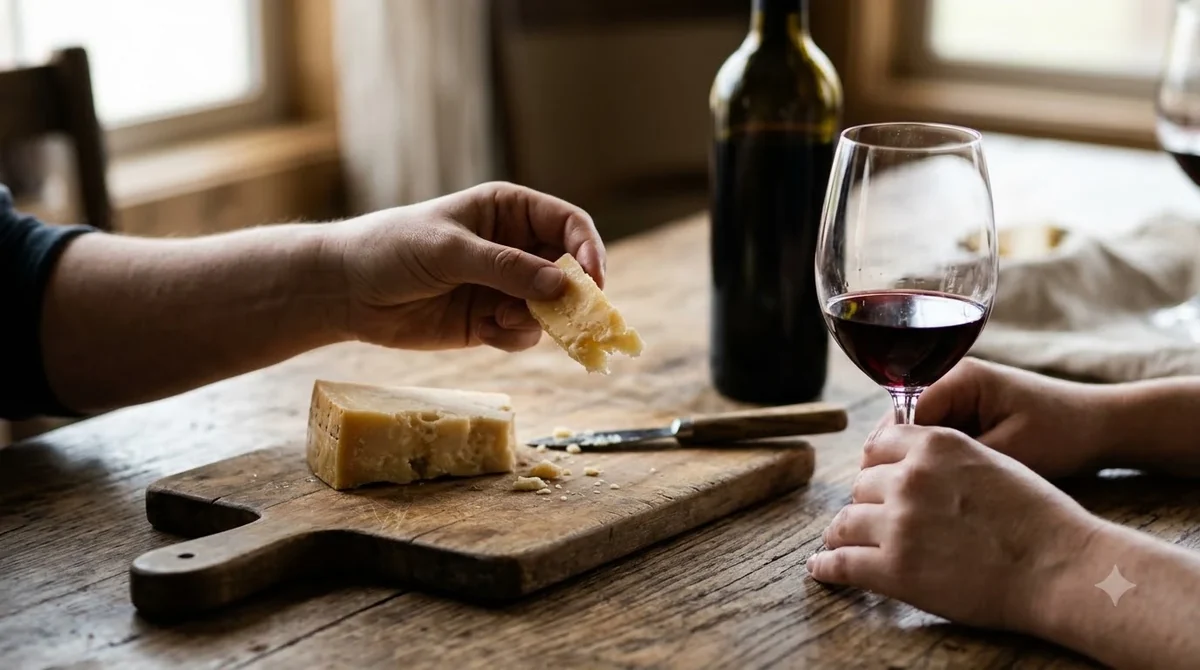
Pinot noir is one of the most food-friendly reds. Its acidity and low tannin let it sit comfortably next to dishes that would overwhelm a heavier red. Duck is a classic match, because the wine’s acidity cuts through the fat. Salmon, earthy mushroom dishes, roast pork, and lighter meat stews also work well. For a simple home dinner, pinot noir is often the easier red to share with a mixed table.
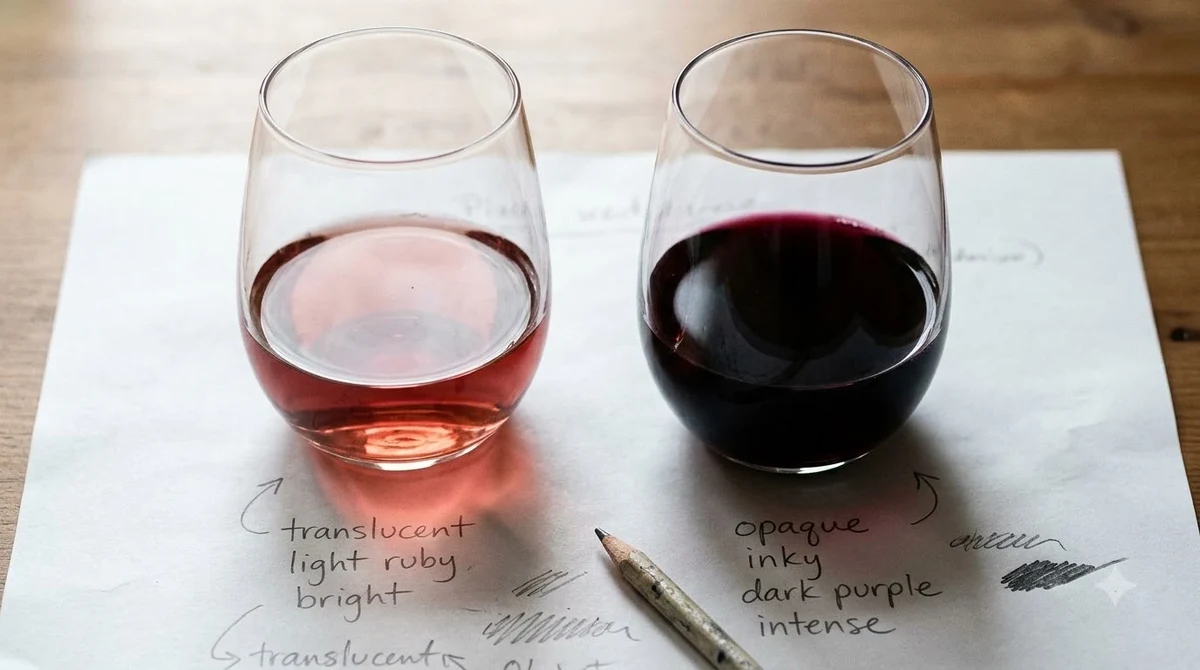
Vineyard site also plays a large part in pinot noir. Cooler sites tend to produce lighter, more perfumed wines with brighter acidity, while warmer sites give riper fruit and a fuller texture. Because the grape is sensitive to climate, two bottles from neighboring areas can taste noticeably different, which is one reason people enjoy comparing regions side by side. For a plain-language overview of the grape, the Wine Folly pinot noir guide lists the main regions and food matches.
Which One to Choose
Choose chardonnay if you want a white wine with weight and texture, especially when the meal includes butter, cream, or toasted flavors. Choose an unoaked style if you prefer a crisp white with clean fruit and mineral notes. An oaked chardonnay is the better pick when you want vanilla, spice, and a creamy finish.
Choose pinot noir if you want a red that stays fresh and fruit-driven without heavy tannins. It is a good choice for people who find cabernet and other bold reds too firm. Burgundy gives an earthy, structured style, Oregon tends to be brighter and more tart, and California can be lusher and fruit-forward, so the region on the label is a useful guide.
Price is another practical factor, though it varies a great deal by region and producer. Entry-level chardonnay and pinot noir are widely available, and good examples exist at many price points. Rather than chasing one famous name, look for a clear style note on the back label or a producer description that matches what you want in the glass.
Frequently Asked Questions
Is pinot noir sweeter than chardonnay?
Neither wine is sweet in the usual sense. Both are commonly dry. Pinot noir often tastes fruitier because of its cherry and raspberry character, while chardonnay can taste rounder when it has been oaked.
Can pinot noir be served chilled?
A short time in the fridge is fine, especially in warm weather. Aim for about 55 to 60 degrees Fahrenheit rather than fully cold, so the fruit and aroma stay clear.
Is chardonnay the same as Chablis?
Chablis is a region in Burgundy where chardonnay is the main grape. Many Chablis wines are unoaked and crisp, so they are lighter than many chardonnays from California.
Which is easier to pair with food?
Pinot noir is often easier to match with a range of dishes because of its acidity and low tannin. Chardonnay works well too, but the best match depends on whether the style is oaked or unoaked.
Chardonnay and pinot noir are both popular for good reasons, and the right choice depends on the meal and your taste. Think about whether you want a white with body or a red with freshness, then check the style and region on the label. For more comparisons between popular grapes and wine styles, visit the wine vs wine guide. If you are weighing a red against another light style, the gamay vs pinot noir comparison is a useful next read.
More in Wine vs Wine
 Nero d’Avola vs Pinot Noir: Taste, Body, and Pairing DifferencesUpdated Nov 21, 2026
 Chenin Blanc vs Pinot Blanc: Key Differences in Taste, Acidity, and PairingsUpdated Nov 21, 2026
 Chardonnay vs Shiraz: Key Differences in Taste, Serving, and PairingUpdated Nov 21, 2026
 Chardonnay vs Verdejo: How Spain’s Crisp White Compares to the World’s ChameleonUpdated Nov 21, 2026
 Chardonnay vs Sancerre: Key Differences in Taste, Grapes, and PairingUpdated Nov 21, 2026
 Chardonnay vs Malbec: Key Differences in Taste, Body, and PairingUpdated Nov 21, 2026