

We may earn a commission when you buy through links on this page, at no extra cost to you. Learn more.
Pairing malbec with venison works because the wine’s dark fruit and moderate tannin complement the meat’s gamey richness without overwhelming its lean texture. Malbec is typically made in an easy-drinking style with pleasant tannins and just enough acidity, which makes it one of the more flexible reds for game. The best match depends on how the venison is cooked, so a seared loin calls for a different bottle than a slow braise. Serve the wine at 60-65 F and decant a young bottle for 30 to 60 minutes before dinner.
Venison is a lean meat with a deep, earthy flavor, and that combination makes it awkward to pair. A wine that is too light disappears beside it, while a wine that is too tannic can turn harsh and dry. Malbec sits in a useful middle ground. It brings enough dark fruit and body to match the flavor, and its softer tannins sit comfortably beside lean meat. If you want the wider field of options first, our overview of what wine goes with venison covers the other styles. This guide focuses on Malbec specifically: why the pairing works, how to choose a bottle for each cooking method, which sauces help, and how to serve the wine well.
Why Malbec Suits Venison’s Gamey Flavor
Malbec works with venison because its fruit and texture line up with the depth of the meat. The match is strongest when the wine has ripe fruit and the dish brings some fat, sauce, or browning to balance it.
Gamey flavor is the reason many people hesitate. Capstone’s Malbec study guide groups venison with other gamey meats such as lamb and squab, and it names venison as one of the foods Malbec handles well. The wine’s inky, intense fruit acts as a sweet counterweight, so the gaminess reads as savory rather than sharp. Black and red fruit in the glass softens the edge of a rich venison sauce in a way a thin, acidic wine cannot.
Structure matters as much as fruit. Capstone describes New World Malbec as rich, with moderate tannin, while French Malbec from Cahors shows sharper acidity and medium-plus tannin. Both styles can work with venison, but they suit different plates. An Argentine bottle with ripe fruit fits a seared loin or chop, while a firmer Cahors-style bottle fits a dish that cooks for hours and needs more grip.
The fit is not automatic. Wine Folly’s red meat pairing guide describes venison as rich and sometimes gamey, but also fairly lean, and it suggests rustic medium-bodied reds to match. Malbec sits at the fuller end of that advice, so the cooking has to supply balance. That is why the same bottle can be excellent with a stew and only acceptable with plain grilled meat.
Matching Malbec With Venison by Cooking Method
The cooking method is the most reliable guide to the right Malbec style. Grilled cuts, long braises, and ground venison each change how much tannin, fruit, and acidity the dish can carry.
Seared and Grilled Venison
A seared venison loin or tenderloin cooked to medium-rare has a charred outside and a tender center. A fruit-forward Argentine Malbec with moderate tannin suits that combination, because the tannin grips the caramelized crust without drying the meat, and the ripe fruit meets the char. Capstone lists grilling among the cooking methods for New World Malbec, so this is the most straightforward pairing on the list. Avoid a very tannic bottle here, since a lean grilled cut can feel dry when the wine pulls moisture from the palate.
Stews and Braises
Slow-cooked venison, whether in a stew, a red wine braise, or a pot roast, carries more concentrated sauce and deeper flavor. The International Wine & Food Society’s game pairing guide lists Malbec alongside Amarone, Pinot Noir, and Merlot for venison stew, so Malbec is firmly in the conversation. For a braise, a firmer Cahors-style Malbec can supply the structure a dense sauce needs. Capstone suggests slow-cooked carrots, parsnips, and rutabagas, with a small amount of chopped prunes, to add richness and bridge the dish to the wine. The natural sweetness of those vegetables echoes the wine’s ripe fruit.
Ground venison behaves differently. The same guide pairs venison meatballs with Malbec and Red Zinfandel, which makes Malbec a sensible choice for meatballs simmered in a rich gravy. For a venison burger, the guide points to Pinot Noir and Merlot instead. If you do serve Malbec with a burger, VinePair’s burger pairing notes that Malbec is typically made in an easy-drinking style, and that its ripe fruit becomes an asset when ketchup and pickles are on the plate. Pick a bottle with generous fruit and easy tannins for that dish.
| Venison dish | Malbec style | Tannin level | Decant a young bottle | Partner idea |
|---|---|---|---|---|
| Seared loin or tenderloin | Argentine, ripe fruit | Moderate | 30 minutes | Chimichurri |
| Braised stew or pot roast | Cahors-style, firmer | Medium-plus | 60 minutes | Root vegetables with a little prune |
| Venison meatballs in gravy | Easy-drinking Argentine | Moderate | 30 minutes | Rich brown gravy |
| Venison burger | Ripe, easy-drinking Argentine | Moderate | Not needed | Ketchup and pickles |
Treat the table as a starting point rather than a rulebook, since marinades, sauces, and the venison’s own fat content all shift the result.
Sauces and Sides That Bridge the Pairing
Sauce often decides the pairing more than the cut does. The same venison can suit very different bottles depending on what it is served with, so match the wine to the sauce as well as the meat.
Green sauces are the easiest win. Chimichurri is made from garlic, oregano, olive oil, vinegar, and a little hot pepper flakes, and Capstone presents it as a classic partner for Argentine grilled beef. Wine Folly recommends Argentinian Malbec for green sauces because its tannins are smoother and better integrated. The caveat is raw garlic and onion. For dishes with that bite, Wine Folly suggests medium reds with higher acidity, such as Côtes du Rhône or Carménère, to cut through it.
Tomato-based sauces point elsewhere. Wine Folly recommends medium-bodied reds with ample acidity to match tomato, naming Sangiovese, Merlot, Carménère, Cabernet Franc, Tempranillo, and Bardolino. Malbec is not on that list, so a venison ragù or a tomato-simmered meatball is better served by Sangiovese or Merlot. Keep Malbec for sauces built on herbs, fruit, or a wine reduction.
Brown sauces such as demi-glace or a red wine reduction are a different case. Wine Folly points toward earthy, bold reds including Bordeaux, Languedoc-Roussillon reds, Barbera, and Dolcetto, and Malbec is not named there. A Cahors-style bottle still carries the earthy depth a reduction needs, and its herbal notes can sit comfortably beside savory sauces. For an especially rich brown sauce, a Bordeaux is the more conservative choice.
Sides follow the same logic. Root vegetables and a touch of prune bring sweetness that bridges to the wine, while anything built on cream or heavy dairy should be avoided, a point covered in the common mistakes section below.
Malbec Styles From Argentina, Cahors, and Blends
Malbec is not one style, and choosing the right one matters as much as choosing the dish. Capstone’s study guide draws a clear line between New World and Old World bottles, and that line is the most practical way to choose a Malbec for venison.
Argentine Malbec
Argentine Malbec is typically inky and rich, with black and red fruit and moderate tannin. Capstone places it among wines for gamey meats, naming venison, squab, and lamb, and it lists grilling and big, simply prepared cuts with sauce on the side as strong matches. For a venison steak or chop, an Argentine bottle delivers generous fruit and an easy texture, which makes it the most approachable starting point for a weeknight dinner.
Cahors and French Malbec
French Malbec from the Cahors area, in southwest France, shows sharper acidity, herbal notes, and medium-plus tannin. Capstone says these firmer bottles stand up to rich stews, daubes, and cassoulet, and it notes a traditional Cahors dish of rabbit with prunes. That is a useful clue for venison, which shares rabbit’s place among game meats. A Cahors-style bottle is the better partner for braised venison or any dish with a long, dark sauce, because its firmer structure stays present on the palate.
Blends
Capstone notes that Malbec is a minor grape in Bordeaux, almost always used as a small part of a blend. A Bordeaux-style red is usually built around Cabernet Sauvignon and Merlot, which is why many cooks compare the two before choosing a bottle for a fattier cut. For that comparison, see our page on cabernet sauvignon with venison.
Serving Temperature, Decanting, and Glassware
Serving temperature changes how Malbec tastes with venison. Full reds are best at 60-65 F, which keeps the fruit lively without making the alcohol feel hot.
A bottle served too warm can taste heavy and blunt, while one served too cold can make the tannins feel grippy and hide the fruit. Decanting is worth the effort for younger bottles. A young full red benefits from 30 to 60 minutes of air, which softens the tannins and opens the fruit before the venison arrives. Decant about an hour ahead for a braise and about half an hour ahead for a seared roast or steak. Older bottles need more care because they can throw sediment, so stand the bottle upright for a while, then pour slowly and leave the sediment in the bottle.
Glassware matters less than temperature, but a large bowl shape gives the wine room to show its dark fruit and aromas. Pour about a third of the glass for the first taste so you can swirl without spilling. Let the glass rest on the table as the meal goes on, because the aromas open as the wine warms slightly.
Tip: If a young Malbec tastes tight or flat on its own, give it more time in the glass before judging it against the venison. A young bottle often opens noticeably within an hour of decanting, so pour a small taste alone before the plates go out.
Common Mistakes to Avoid
Most failed pairings come from a few predictable errors, and each one is easy to fix. The principles behind these combinations are laid out in our food-pairing principles, which explain why some matches work and others do not.
The first mistake is pairing Malbec with cream. Capstone says dairy, apart from cheese, makes these wines taste disjointed, even though the tannins are softened. That is why a venison stroganoff belongs with a different bottle, and the IW&FS guide lists Chardonnay for it. The second mistake is pairing Malbec with delicate preparations. Capstone warns that most Malbecs overwhelm milder dishes, so a lightly poached or thinly sliced venison with a subtle sauce calls for a lighter wine.
The third mistake is ignoring acidity. VinePair’s beef bourguignon note says the wine should be slightly more acidic than the sauce, or the sauce can make the wine taste flat. The same principle applies to venison. A sharp, vinegar-heavy sauce will flatten a soft Malbec, so choose a Cahors-style bottle with more acidity or a sauce with less vinegar. The fourth mistake is heat. For venison chile, the IW&FS guide lists Northern Rhône Syrah and Petite Syrah. Chili heat is amplified by alcohol and tannin, so a fiery chile can feel harsher beside a high-tannin wine, and a fruit-forward Malbec with moderate tannin usually handles it more gracefully.
Frequently Asked Questions
These questions cover cooking with Malbec, storage, serving, and dessert.
Can I cook with the same Malbec I plan to serve?
Yes, and it is a common approach for braises. Simmering reduces alcohol and concentrates the fruit, but a sauce cooked for only about 15 minutes still keeps a noticeable amount of alcohol. Use a bottle in good condition, since oxidized wine can taste stale once it has been reduced.
How long does opened Malbec keep?
Opened still wines typically keep for 3 to 5 days when recorked and refrigerated, while fortified wines can last several weeks. A bottle left over from a venison dinner can go into a stew or sauce the next day, though its fresh fruit will fade. Keep the cork in and the bottle upright to limit how much air reaches the wine.
Should Malbec be chilled before serving with venison?
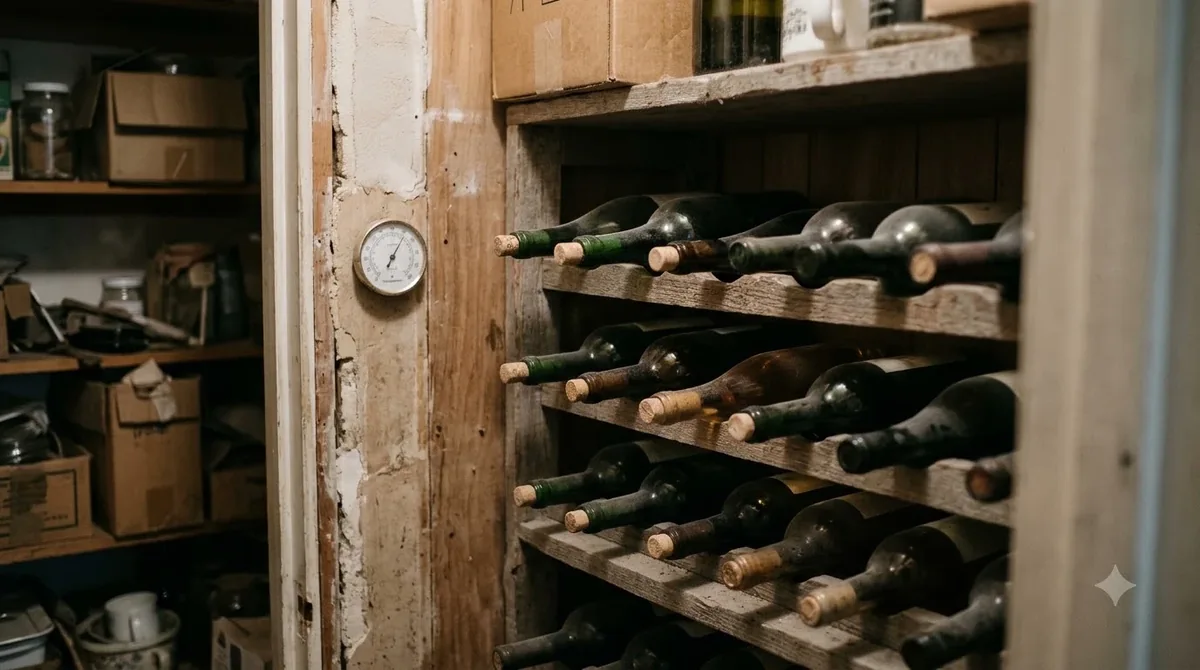
Usually not. Full reds are best a few degrees above a typical cellar temperature of about 55 F. A bottle stored near 55 F needs only a short rest on the counter before pouring, while a bottle taken from a cold fridge should sit for roughly 20 to 30 minutes. Chilling Malbec tends to mute its fruit and make the tannins feel more prominent.
How many glasses are in a bottle of Malbec?
A standard 750 ml bottle yields about five 5 oz pours, so one bottle covers a table of four with a little left over. If the venison is the main course and guests want more than a single glass each, plan on a second bottle. Pouring 5 oz rather than a full glass also leaves room for the wine to open as it sits.
What dessert works after Malbec and venison?
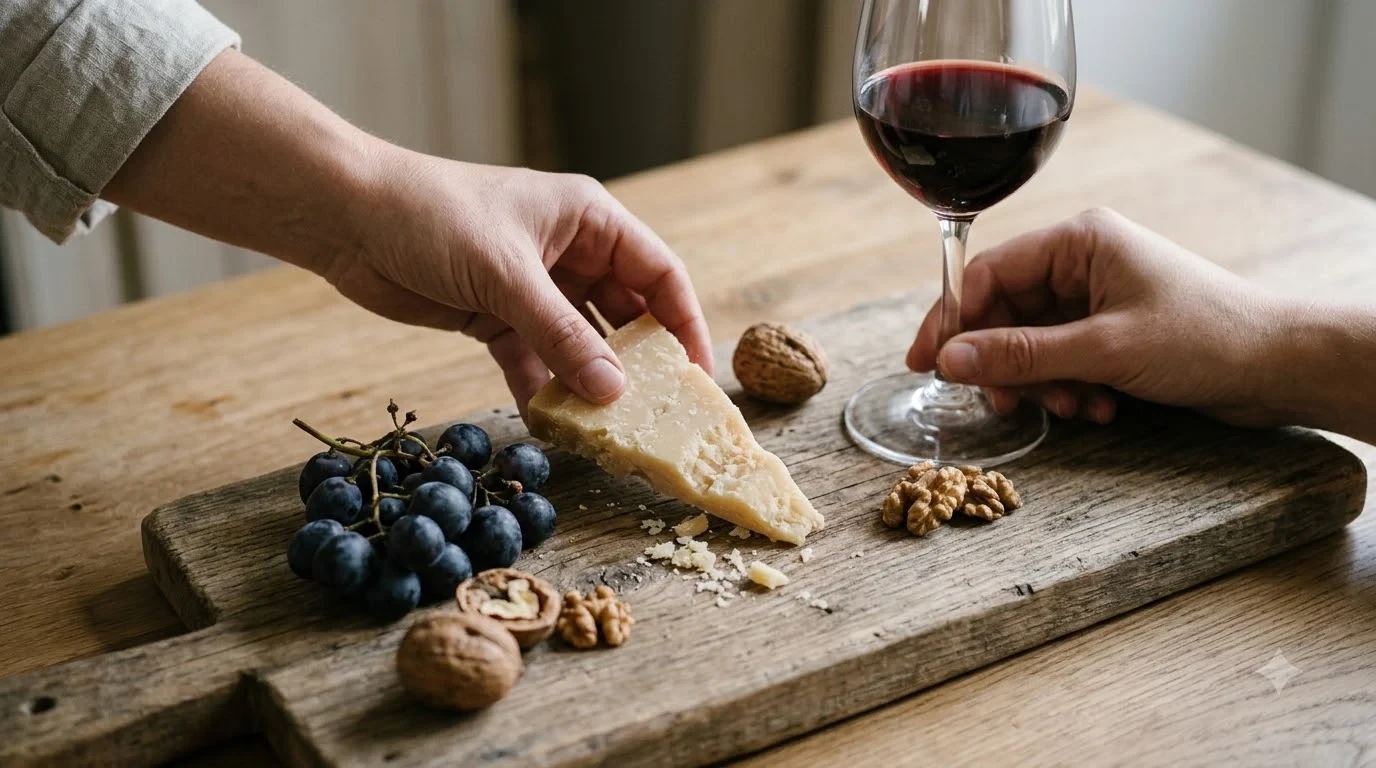
Because Malbec is dry, a sweet dessert will taste harsh beside it. Dark chocolate or fresh berries without added sugar are safer choices. Capstone says French Malbec can handle Roquefort, while a ripe New World bottle pairs well with Gorgonzola dolcelatte, so a blue cheese course is often the most natural finish.
Malbec with venison is one of the more forgiving game pairings once the cooking method and sauce are settled. Start with the dish, choose the Malbec style that matches it, and serve the wine at the right temperature. Then adjust by taste, since the best pairing is the one that makes both the meat and the wine taste better.
More in Food & Wine Pairing
 Risotto With White Wine Recipe: Make a Creamy Dinner at HomeUpdated Nov 20, 2026
 Wassail With Wine Recipe for a Festive Spiced Holiday DrinkUpdated Nov 20, 2026
 Spritz Veneziano Recipe: Make a Classic Venetian Aperitivo at HomeUpdated Nov 20, 2026
 Summer Wine Punch Recipe for Easy Homemade EntertainingUpdated Nov 20, 2026
 Bishop Recipe: How to Make a Bright, Citrus-Forward Red Wine CocktailUpdated Nov 20, 2026
 Wine Cupcakes Recipe: Bake Rich Chocolate Cupcakes at HomeUpdated Nov 20, 2026