

We may earn a commission when you buy through links on this page, at no extra cost to you. Learn more.
Dry Malbec is a dry red wine with ripe dark-fruit flavors, usually a full-bodied feel, and enough structure to pair well with grilled meats and hearty foods. Its familiar profile often includes blackberry, plum, and cocoa, although the balance of fruit, acidity, tannin, and oak changes by region and producer. Argentina’s Mendoza is the best-known source, while France’s Cahors offers a more earthy expression. The key to choosing well is matching the region and winemaking style to the body and flavor you prefer.
Malbec is a useful bottle to understand because its generous fruit can make it seem sweeter than it is. A wine can smell like ripe berries and taste plush while remaining dry, with little impression of sweetness on the palate. Knowing what the word means, where the grapes grow, and how a producer handles them makes the shelf easier to read.
What Dry Means in a Bottle of Malbec
Dry Malbec is fermented red wine, not a sweet red or dessert wine. The main distinction is the level of sweetness left in the finished wine, not whether the fruit smells ripe or tastes like blackberry; Argentina and Cahors both produce dry Malbec even though their styles can be quite different.
During fermentation, yeast converts grape sugar into alcohol. A dry style means fermentation has left little residual sugar, so the wine does not taste sweet in the way a sweet red, ruby port, or late-harvest wine does. The grape can still deliver ripe-fruit aromas that suggest black cherry, blueberry jam, or plum. Those impressions come from the grape and its growing conditions rather than a spoonful of sugar added to the wine.
This difference matters when buying. A shopper who wants a dry wine but dislikes sharp, lean reds may enjoy Malbec because ripe fruit and a rounded texture can make the wine feel generous. Someone who wants an obviously sweet wine should choose a wine made in a sweet style instead. Do not use fruit descriptors alone as a sweetness guide: “jammy,” “plummy,” and “chocolatey” describe flavor impressions, not a guarantee of residual sugar.
Flavor, Texture, and Structure
Most Malbec has deep color, dark-fruit character, and a broad, rounded impression, but the details range from juicy and approachable to firm and age-worthy. Blackberry, black cherry, blueberry, and red plum are common fruit references; cocoa, violet, baking spice, tobacco, and earth can add complexity.
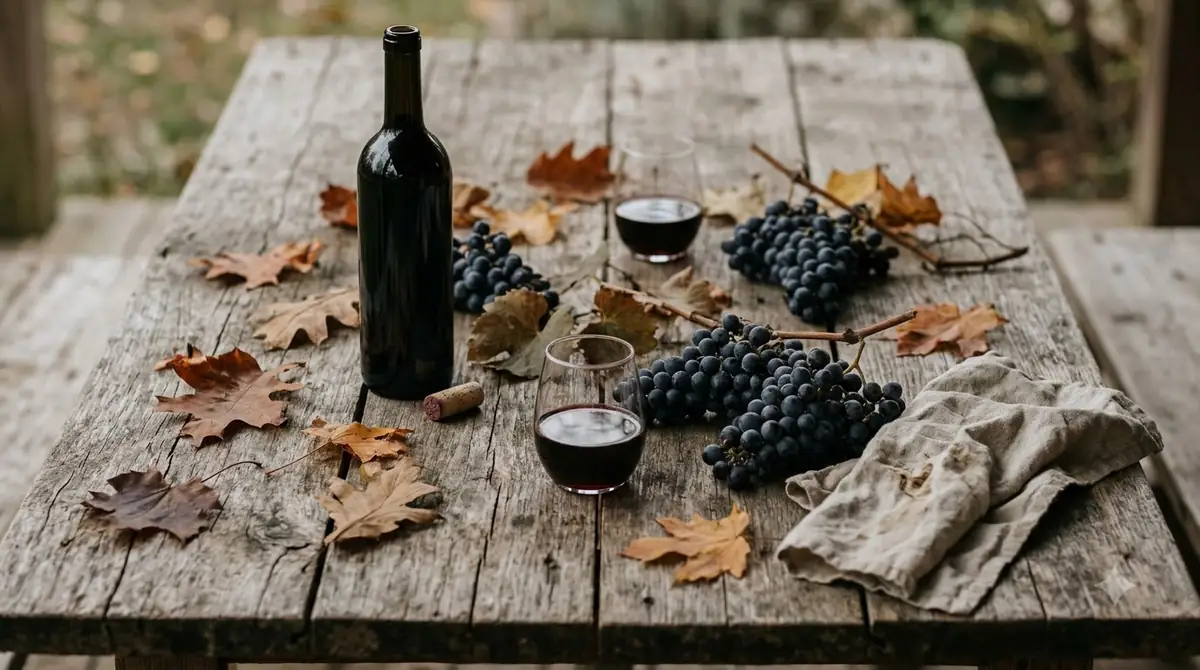
In a fruit-forward Argentine style, look for blueberry, plum, cocoa, and sometimes a fresh herbal note. The fruit can feel ripe and concentrated, but a good example still has enough acidity to keep the finish lively. Cooler, higher-elevation vineyards in Mendoza can bring more floral aromas and a firmer, fresher line, while warmer sites tend to produce rounder, more opulent wines.
Malbec’s tannin creates a drying or gently grippy sensation along the gums. It can be medium and smooth in an easy-drinking bottle, or more assertive in structured Cahors; acidity gives the wine lift and balances its dark fruit. Oak adds another layer without making the wine sweet: barrels can contribute vanilla, toast, cedar, or baking spice, while stainless steel or neutral vessels preserve a more direct fruit character. Vanilla is an aroma, not proof of residual sugar.
Where Malbec Comes From: Mendoza, Cahors, and Beyond
Argentina and France are the two reference points for understanding Malbec, and the contrast is especially clear between Mendoza and Cahors. Within Mendoza, Luján de Cuyo and the Uco Valley show how altitude and site can shift the balance of fruit, acidity, and texture.
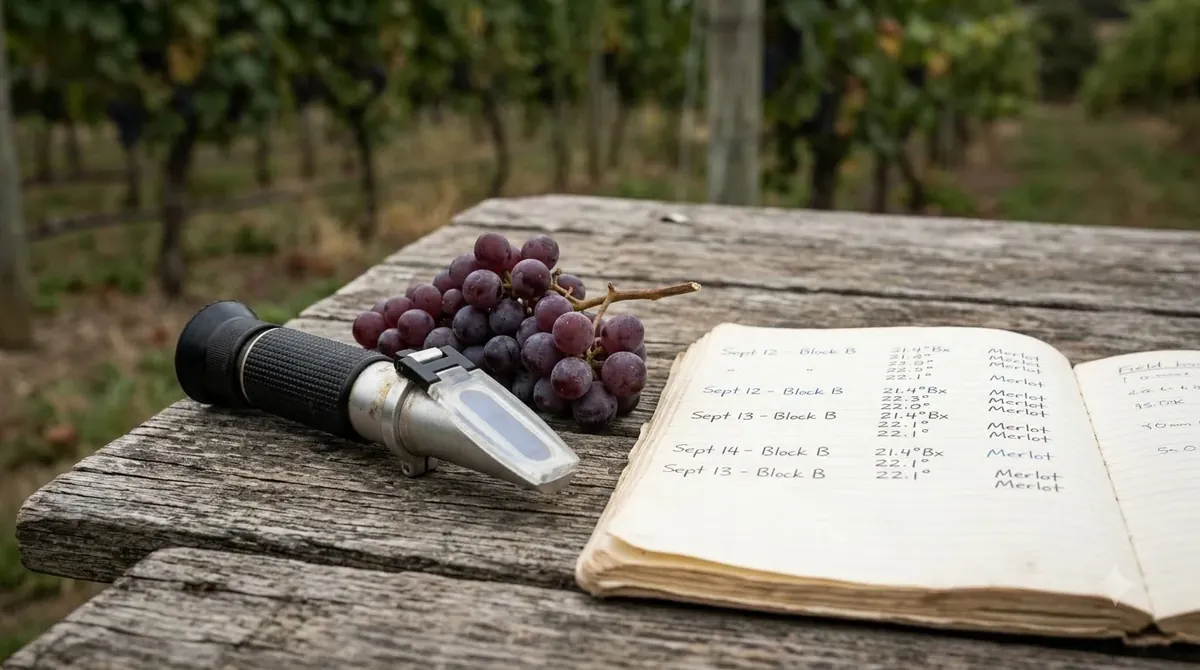
Mendoza is Argentina’s dominant Malbec region. According to vineyard-area figures published by Wines of Argentina using National Viticulture Institute data, Argentina has 47,064 hectares planted to Malbec and Mendoza accounts for 39,856.4 hectares, or 84.7 percent of the national total. That concentration helps explain why Argentine Malbec is the style many American shoppers first encounter.
| Place or measure | Specific figure | What it suggests in the glass |
|---|---|---|
| Argentina, total Malbec area | 47,064 hectares | A major national variety with broad regional range |
| Mendoza, Malbec area | 39,856.4 hectares | The country’s largest concentration of Malbec |
| Mendoza share of Argentina’s Malbec | 84.7 percent | A useful starting point for classic Argentine styles |
| Luján de Cuyo vineyards | 900–1,100 meters | Older-vine wines are often soft, round, and warmly spiced |
| Uco Valley vineyards | Up to 1,500 meters | Cool nights help retain acidity, fresh fruit, and floral notes |
The figures are context, not a quality ranking. Mendoza has five broad divisions—Northern, Eastern, Central, Uco Valley, and Southern. Luján de Cuyo, in Central Mendoza, is associated with older vines and soft, round wines with sweet-spice aromas; WSET places many vineyards there between 900 and 1,100 meters above sea level.
The Uco Valley reaches up to 1,500 meters, where sunny days and cool nights can preserve acidity and encourage fresh fruit and floral character. Site names such as Gualtallary, Paraje Altamira, and San Pablo point to distinct growing areas. By contrast, Cahors in southwest France often gives Malbec a darker, earthier, firmer profile, with blackcurrant, tobacco, cedar, and licorice notes.
How Vineyard and Winery Choices Shape the Wine
Malbec is strongly shaped by its growing site and the choices made in the winery. Mendoza’s dry, sunny conditions under the Andes rain shadow differ from the cooler conditions of Cahors, and choices such as canopy management, extraction, and oak maturation can move the finished wine toward either freshness or greater weight.
In Mendoza, low rainfall can reduce rot and mildew pressure, but growers still contend with spring frost and summer hail. Protective netting, careful canopy management, and fruit from several vineyard sites can help manage those risks. Older Argentine vineyards often used a pergola system known as parral to shade bunches from ground heat; vertical trellising is now more common and allows canopy management with drip irrigation.
Site selection and crop yield influence concentration, while fermentation temperature and extraction affect color, tannin, and texture. Gentler extraction can produce a more elegant wine; more intensive extraction can bring deeper color and a firmer grip. Whole-cluster inclusion, post-fermentation maceration, blending, and oak maturation create further options. New barrels can add toast, cedar, or vanilla, while less obvious oak leaves fruit in the foreground. For a closer look at how altitude and cellar choices influence the grape, see the WSET overview of Malbec.
How to Choose a Dry Malbec
Start with the region, then consider the level of structure and oak. A broad Mendoza bottling is a sensible entry point for ripe dark fruit, while a named Uco Valley site or a Cahors label can point toward a more distinctive, structured style.
For an easy weeknight red, words such as juicy, fresh, soft, or fruit-forward suggest a bottle intended to be enjoyable without extended aeration or cellaring. Stainless-steel or lightly oaked styles can emphasize plum and berry rather than vanilla and toast. For a more serious dinner wine, old vine, single vineyard, structured, and barrel-aged are useful clues: these terms may signal greater concentration, spice, and texture. A high-altitude Uco Valley Malbec can offer freshness with structure, Luján de Cuyo may be rounder and spice-accented, and Cahors is a strong choice for earth, dark currant, and firmer tannin.
Think about the role of the bottle at the table. A fruit-forward Malbec can work as a flexible house red with burgers, pizza, or roast chicken with mushrooms. A firmer bottle makes more sense with grilled beef, lamb, or a slow-cooked stew. If you are comparing grape varieties, dry merlot is often softer in tannin, while a dry red blend can offer a balance of Malbec and other grapes rather than a single-variety profile.
For buying decisions beyond one grape, use the site’s Wine Buying Guides to compare style cues and label language across categories. Dryness alone does not tell you whether a wine is light or full-bodied, young or mature, or fruit-driven or earthy. Two dry wines can behave very differently at dinner, so region and style are more useful filters than the word “dry” by itself.
Tip: Choose Mendoza for ripe dark fruit, a high-elevation Uco Valley bottle for fresher structure, or Cahors for earthier flavors and firmer tannin.
Food Pairings That Bring Out Malbec’s Best
Malbec’s dark fruit, moderate-to-firm tannin, and full-bodied feel make it a natural partner for savory dishes with enough flavor and texture to meet the wine. Grilled beef, smoky sausages, roasted mushrooms, and aged cheeses are reliable starting points.
For a classic pairing, serve Argentine-style Malbec with sirloin or flank steak, or grilled beef seasoned with black pepper, garlic, and herbs. A savory crust and protein-rich texture balance the wine, while salt and fat soften tannin. Roasted mushrooms, mushroom pasta, lentils, and rich bean burgers bring earthy flavors that also suit the grape; blue cheese, aged cheddar, and nutty Manchego work because their salt and richness balance its grip.
Choose a fresher, fruitier Malbec for a mushroom burger or roast vegetables, and a more structured Cahors for slow-cooked beef stew, short ribs, or lamb shoulder. Approach very spicy chili carefully because alcohol and tannin can intensify the heat. Oily fish can clash with tannic red wine, while sweet desserts can make a dry red taste sour or bitter; choose a dessert at least as sweet as the wine, or finish with cheese. A dry cava is a different direction when the meal calls for crisp sparkling wine rather than red.
Serving, Decanting, and Storing Dry Malbec
Serve most full-bodied Malbec slightly cool rather than warm, around 60–65°F. A little air can help a young, concentrated bottle show its fruit and soften its first impression, while sound storage protects the wine between purchases and pours.
If the bottle has been kept at room temperature, chill it until it reaches the 60–65°F serving range, then check the temperature with a thermometer or by feel. Too much warmth can emphasize alcohol and make the finish feel heavy; too much chill can mute aroma and make tannin seem firmer. For a young, full-bodied red, allow about 30–60 minutes in a decanter so blackberry, plum, violet, cocoa, and spice aromas can open. A lighter bottle may need less time, while an older one should be handled gently because extended air can fade delicate aromas.
Use a clean red-wine glass with enough room to swirl without spilling. A standard 5-ounce pour gives guests space to assess the wine and leaves room for food; a 750-milliliter bottle provides about five such glasses. At the table, pour smaller tastes first, then refill as needed rather than filling glasses to the rim.
For storage, keep unopened bottles on their sides in a cool, dark place near 55°F, away from sunlight, heat, and large temperature swings. After opening, recork the bottle and store it in the refrigerator; most still wines keep for about 3–5 days when chilled. Let the remaining wine warm slightly in the glass before drinking. These steps are simple, but they do more to preserve a bottle than leaving it open on the kitchen counter.
Frequently Asked Questions
These quick answers cover label terms and grape details that can help narrow a purchase. They also explain why Malbec may appear in wines that are not labeled as single-variety Malbec.
Is Malbec used in Bordeaux blends?
Yes. Malbec is one of the permitted red grapes in Bordeaux blends, although VinePair’s Malbec overview notes that it is usually less than 2 percent of the blend when included. Merlot and Cabernet Sauvignon are the dominant varieties in the classic red Bordeaux mix.
Can a Cahors wine contain grapes other than Malbec?
Yes. Cahors appellation rules allow a blend to include up to 30 percent Merlot or Tannat. That means a Cahors bottle can be based on Malbec without being made entirely from it.
Does Malbec have another name in France?
In Cahors, Malbec is also associated with the names Côt, Auxerrois, and Pressac. Seeing one of these names in a French wine context can point to the same grape rather than a different variety.
Is Malbec grown only in Argentina and France?
No. WSET notes that Malbec is also grown in regions such as California, Australia, and New Zealand. In California, it can appear in red Meritage blends as well as in wines made primarily from Malbec.
Which grapes are commonly blended with Malbec?
Winemakers may blend Malbec with Cabernet Sauvignon, Merlot, Cabernet Franc, Petit Verdot, or Bonarda. These partners can adjust the blend’s tannin, aromatic profile, and overall structure while Malbec contributes color and dark-fruit character.
Dry Malbec is a dependable choice when you want a red with ripe fruit, real structure, and enough range to move from casual burgers to a richer steak dinner. Start with Mendoza for the familiar fruit-forward style or explore Cahors for a more savory expression, then use serving temperature and food pairing to make the bottle show its best.
More in Wine Buying Guides
 Cheap Red Blend: How to Find a Flavorful Bottle for LessUpdated Nov 20, 2026
 Pinot Grigio Gift: How to Choose a Bottle They’ll EnjoyUpdated Nov 20, 2026
 Best White Wine at Total Wine for Every MealUpdated Nov 20, 2026
 Wine Fridge Replacement Shelves: Find the Right FitUpdated Nov 20, 2026
 Best Sparkling Wine Under 20: Find Bubbles Worth BuyingUpdated Nov 20, 2026
 Best Wine For Birthday Celebrations With Perfect Party PairingsUpdated Nov 20, 2026