

We may earn a commission when you buy through links on this page, at no extra cost to you. Learn more.
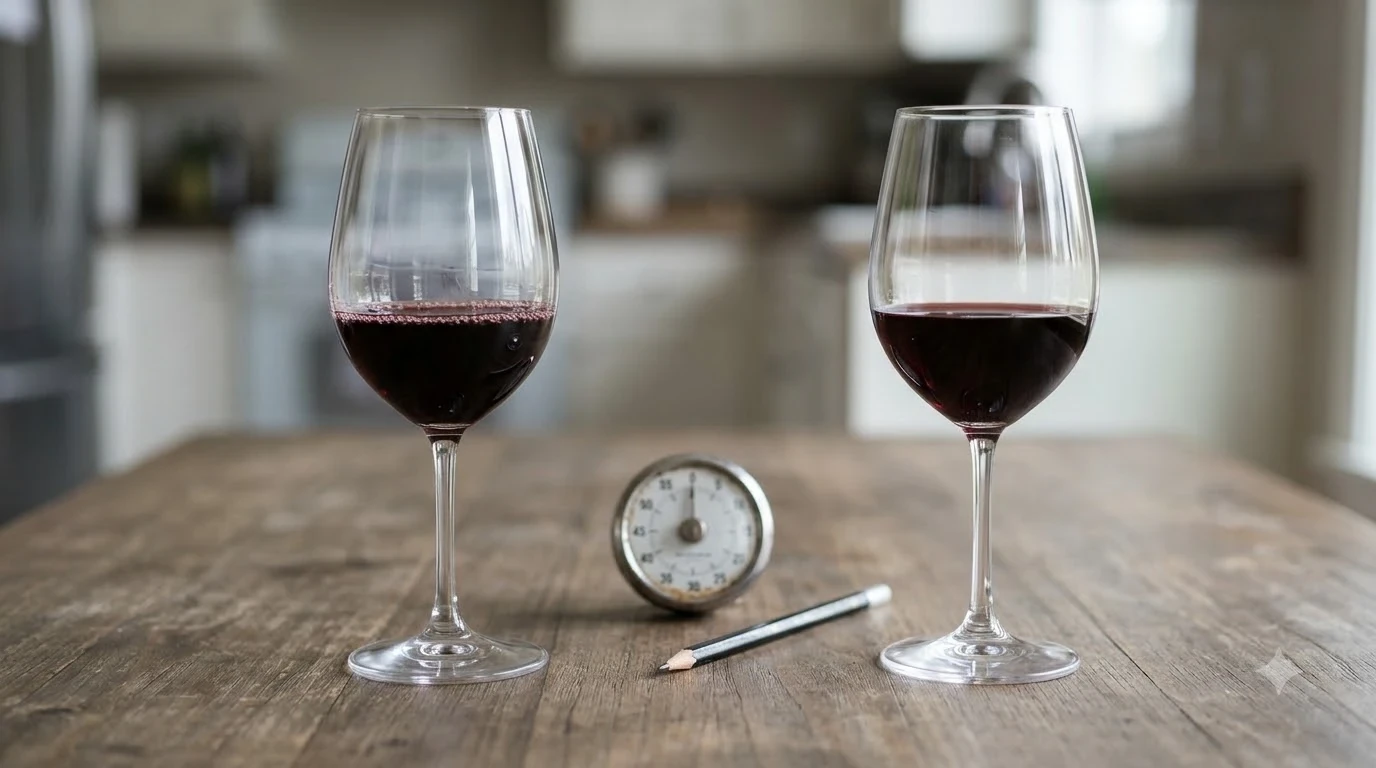
Cabernet Sauvignon vs Malbec comes down to structure versus fruit: both are full-bodied reds, but Cabernet is firmer and more structured, while Malbec is softer and fruitier. Cabernet Sauvignon has medium-high tannin and acidity, with flavors of black cherry, cassis, and cedar. Malbec has medium tannin and lower acidity, with red plum, blackberry, and a touch of vanilla or cocoa. Both are usually served between 60 and 68 degrees Fahrenheit.
Shoppers comparing these two wines often see them side by side on the same shelf, and the labels can look similar. Both are dark, full-bodied reds that work with grilled meat and hearty dinners. The differences are in the grape, the place it grows best, and the way the wine feels in your mouth. This guide explains what sets them apart and how to choose between them for a given meal or occasion.
Where each grape comes from
Cabernet Sauvignon is one of the most widely planted red grapes in the world, and it has a long history in Bordeaux, France. Wine Folly notes that it performs best on gravelly soils in Bordeaux, and it also thrives in North Coast California, South Australia, and Chile. Its home style is built on structure: the wines are often blended with other Bordeaux grapes and aged in oak to soften their edges.
Cabernet’s reputation rests on its ability to age, and the grape’s firm skin and high tannin levels help explain why serious bottles can develop for years. It is often blended with other red grapes, and it shows up in many wine regions across the world, which makes it easy to find at almost any price.
Malbec started in France, but it found its true identity in Argentina. Wine Folly reports that Argentina’s most important planted grape came by way of France, and that about 40 percent of the country’s red grape vineyards are now Malbec. The Uco Valley and Luján de Cuyo in Mendoza are the regions most often praised for top-rated examples.
Flavor and body: what you will taste
Cabernet Sauvignon usually leads with black cherry and black currant, then adds notes of cedar, baking spices, and graphite. Those firm, dark flavors come with medium-high tannin, the drying sensation that makes your gums feel tight. Malbec leads with red plum and blackberry, then adds vanilla, sweet tobacco, and cocoa. Its tannins are smoother, so the wine feels plush rather than gripping.

Both wines are full-bodied, but acidity separates them on the palate. Cabernet has medium-high acidity, which keeps it lively and helps it age. Malbec has medium-low acidity, so it tastes softer and more rounded. If you like a wine that feels bold and structured, Cabernet is the better pick. If you want something juicy and easy to drink with a plate of food, Malbec often fits better.
| Feature | Cabernet Sauvignon | Malbec |
|---|---|---|
| Main flavors | Black cherry, black currant, cedar, graphite | Red plum, blackberry, vanilla, cocoa |
| Body | Full | Full |
| Tannin | Medium-high | Medium |
| Acidity | Medium-high | Medium-low |
| Alcohol range | 13.5 to 15% ABV | 13.5 to 15% ABV |
| Serving temperature | 60 to 68°F (15 to 20°C) | 60 to 68°F (15 to 20°C) |
| Best-known regions | Bordeaux, North Coast California, Chile | Mendoza, Argentina |
Tip: Both wines sit in the same alcohol range, so the difference you feel is about structure and fruit, not strength.
Food pairings for each wine
Because Cabernet has firmer tannins, it pairs well with rich, fatty foods that can soften the grip of the wine. Grilled steak, lamb with rosemary, and aged hard cheeses are classic partners. The structure of the wine also stands up to bold sauces, such as a mushroom or red wine reduction.
Malbec’s softer tannins and plush fruit suit dishes with smoky spice and sweetness. Grilled sausage, barbecue, and roasted vegetables with a little char all work well. Malbec is also a natural match for dishes built on paprika or cumin, because the wine’s ripe fruit balances the warmth of the spices without fighting it.
If you are cooking, a useful rule is to match the wine’s intensity to the dish. A heavier, longer-cooked dish suits Cabernet. A lighter preparation with grilled or smoky flavors leans toward Malbec. For a deeper look at how the two grapes differ in the glass, our guide to malbec vs merlot covers another popular comparison.
Serving temperature and how long to let them breathe
Serve both wines slightly cooler than room temperature. Wine Folly lists a serving range of 60 to 68 degrees Fahrenheit, or 15 to 20 degrees Celsius, for each. In a warm kitchen, take the bottle out of a cool cellar or wine fridge a little before pouring so it does not come to the table too warm.
Cabernet often benefits from some time open, because its firm tannins can soften as the wine meets air, so a young bottle may be worth decanting before dinner. Malbec is generally more approachable young, so a shorter rest is usually enough.
Glassware is a smaller factor. A large red wine glass gives both wines room to release their aromas. Pour a moderate amount so the wine has room to swirl without spilling.
Which one should you choose?
Choose Cabernet Sauvignon when you want a wine with structure, firm tannin, and room to age. It is a strong pick for a special dinner or for pairing with rich cuts of meat. Choose Malbec when you want a fruit-forward red that is easier to drink without much food and that suits casual grilling. Both are reliable reds, and neither is a wrong choice; the right one depends on the meal and your taste.
When you compare labels on a shelf, look for words that describe the wine’s build. Terms such as structured, firm, or cellar-worthy point toward Cabernet. Terms such as plush, juicy, or smooth point toward Malbec. Those descriptions are a quick guide, and a tasting note from a reviewer you trust will tell you more than a single word on the label.
Price and availability vary widely between the two, so compare bottles from the same region when you can. A Malbec from Mendoza and a Cabernet from North Coast California make an interesting side-by-side tasting, because they show how place can change a grape more than the name on the label.
Frequently Asked Questions
Is Malbec sweeter than Cabernet Sauvignon?
Not in the sense of residual sugar. Most dry Malbec and Cabernet are both dry. Malbec tastes sweeter because its fruit, such as red plum and blackberry, comes across as ripe and soft, while Cabernet’s cassis and cedar read as drier and firmer.
Which wine has more tannin?
Cabernet Sauvignon generally has more tannin. Wine Folly rates its tannins as medium-high, compared with medium for Malbec, so Cabernet feels grippier on the palate.
Can I substitute Malbec for Cabernet in a recipe?
Often yes, especially in a braise or sauce. Malbec is softer, so the finished dish will taste fruitier and a little less firm. Use the same wine you would drink with the meal if you are unsure.
Which wine is better for beginners?
Malbec is often easier to start with because its tannins are softer and its fruit is more immediate. Cabernet rewards patience and food, which can feel like more work for someone new to red wine.
Cabernet Sauvignon and Malbec each have a clear identity. Cabernet is firmer, more structured, and built for rich food, while Malbec is plush, fruit-driven, and easy to enjoy with grilled dishes. Try a bottle of each and note how the tannins and acidity feel. The wine guide for Wine vs Wine comparisons includes more pairs to help you decide, and Wine Folly’s Cabernet Sauvignon page is a useful next read on the grape. Drink responsibly.
More in Wine vs Wine
 Nero d’Avola vs Pinot Noir: Taste, Body, and Pairing DifferencesUpdated Nov 21, 2026
 Chenin Blanc vs Pinot Blanc: Key Differences in Taste, Acidity, and PairingsUpdated Nov 21, 2026
 Chardonnay vs Shiraz: Key Differences in Taste, Serving, and PairingUpdated Nov 21, 2026
 Chardonnay vs Verdejo: How Spain’s Crisp White Compares to the World’s ChameleonUpdated Nov 21, 2026
 Chardonnay vs Sancerre: Key Differences in Taste, Grapes, and PairingUpdated Nov 21, 2026
 Chardonnay vs Malbec: Key Differences in Taste, Body, and PairingUpdated Nov 21, 2026