

We may earn a commission when you buy through links on this page, at no extra cost to you. Learn more.
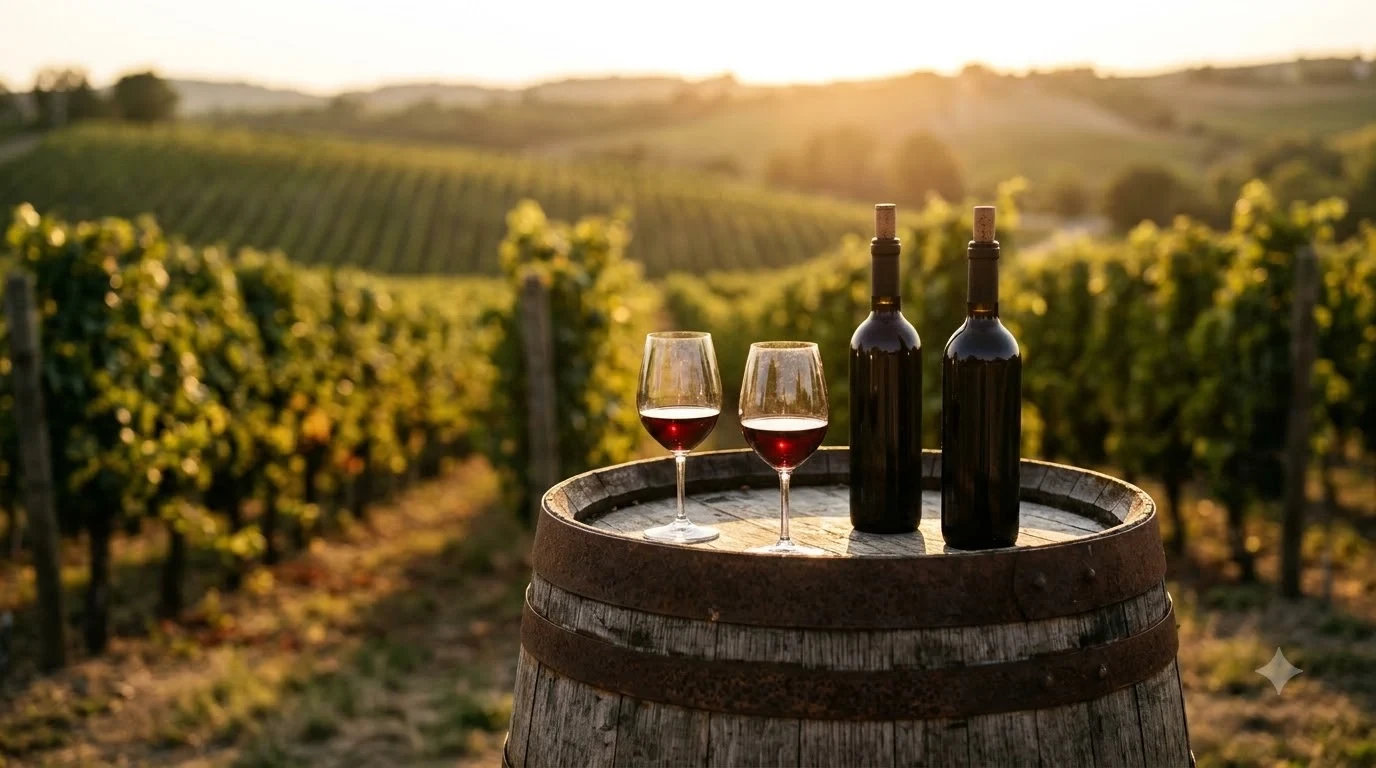
Argentina wine is defined by Malbec grown at high altitude, mostly in the Mendoza region at the foot of the Andes. The country is one of the largest wine producers in the Americas, and its vineyards range from cool Patagonian valleys to some of the highest planted sites in the world. Expect ripe red fruit, smooth tannins, and good value for the style.
This guide is for readers who want a clear starting point on argentina wine. It explains the main regions, the grapes that matter most, how the wines are served, and what to look for when you choose a bottle from the country.
Why altitude shapes Argentine wine
Most Argentine vineyards sit well above the sea. Mendoza’s vineyards average roughly 600 to 1,100 meters, and the high-altitude districts of Luján de Cuyo and the Uco Valley reach higher still. The Wikipedia overview of Argentine wine notes that many northwestern vineyards are above 1,500 meters, far higher than most European vineyards.
The reason altitude matters is temperature. Days are sunny and nights are cool, so grapes ripen fully while keeping their acidity. That balance gives Argentine reds their dark fruit and fresh finish.
Regions to know: Mendoza, San Juan, Salta and Patagonia
Mendoza is the heart of the industry. It produces more than half of the national output, and it accounts for an even larger share of exports. Within Mendoza, Luján de Cuyo was the first controlled appellation in the country, and the Uco Valley and Tupungato are known for high, cool sites. Maipú is another important district with older plantings.
San Juan is the second-largest producer and has its own premium areas, including Calingasta and Zonda. Salta, in the northwest, is best known for the Cafayate sub-region, where vineyards sit around 1,660 meters. In Patagonia, Río Negro and Neuquén are the main areas. The cooler conditions there suit Pinot Noir, which supplies much of the country’s sparkling wine.
| Region | What it is known for | Typical style |
|---|---|---|
| Mendoza | Largest producer, Malbec heartland | Ripe, dark fruit reds |
| Uco Valley | High, cool vineyards within Mendoza | Fresh, structured reds |
| San Juan | Second-largest producer, premium sub-zones | Warm, generous reds and whites |
| Salta (Cafayate) | Very high vineyards in the northwest | Aromatic whites and vivid reds |
| Patagonia | Cool southern valleys | Pinot Noir and sparkling base wines |
The grapes that define Argentine wine
Malbec is the grape most people associate with the country. It came from southwest France, and it became prominent in Mendoza after it was planted there in the nineteenth century. Today it is the most widely planted red variety in Argentina, and it is the signature of the national wine style.
Malbec is full-bodied, with red plum, blackberry, vanilla, and a smooth, cocoa-tinged finish. Wine Folly’s Malbec guide describes it as dry and full-bodied with medium tannins and medium-low acidity. Beyond Malbec, the country grows Bonarda, Cabernet Sauvignon, Syrah, and Tempranillo, and Torrontés is the best-known aromatic white, especially from the north.
Tip: If you want a taste of the country without committing to a full case, start with one Malbec from Mendoza and one Torrontés from the north. Together they show the range of the national style.
Cafayate in Salta is a useful example of how altitude shapes a single grape. Vineyards there sit at high elevation, and the wines made from Torrontés tend to show floral and citrus aromas with a crisp, dry finish. The same district also grows red varieties, so a visit to the north can show you both sides of the country’s wine style in one trip.
Patagonia works differently. Its cooler, windy valleys favor Pinot Noir and base wines for sparkling production, and the result is lighter, more mineral wines that sit at the other end of the spectrum from a big Mendoza Malbec. Those bottles are a good way to explore the country beyond its signature grape.
How to serve and pair Argentine reds
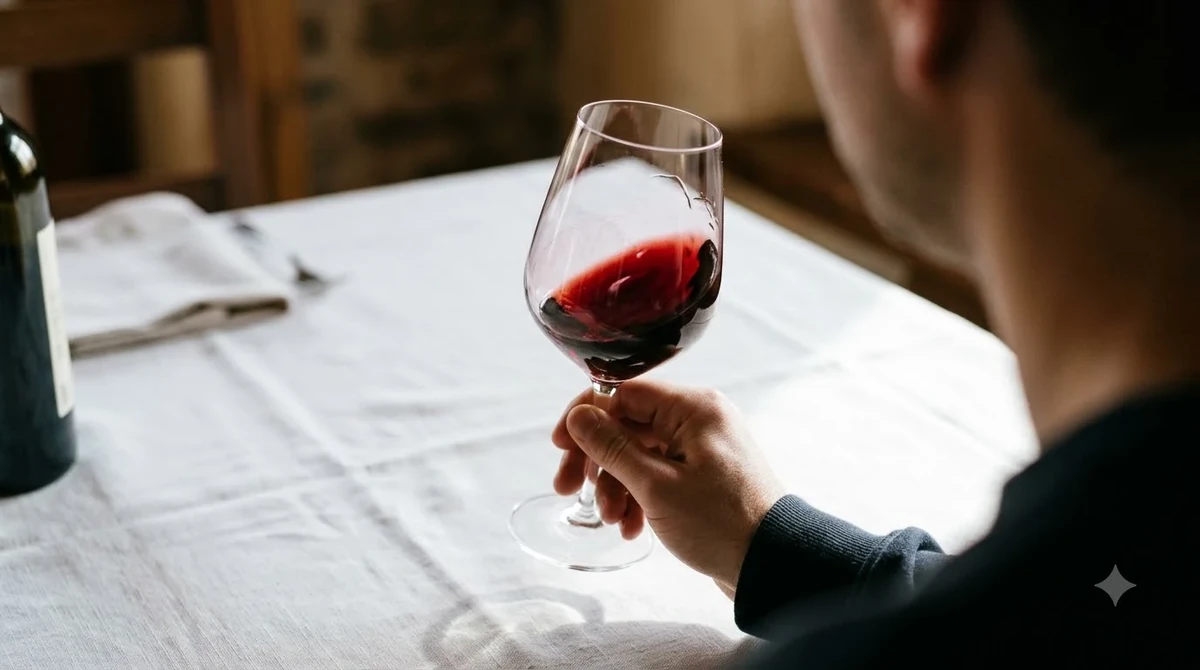
Serve most Argentine reds at around 60 to 68 degrees Fahrenheit, which is the range Wine Folly recommends for Malbec. Decanting for about 30 minutes softens the tannins and opens the aromas, especially in younger bottles. A medium-sized glass with room for swirling works well.
Pairings are simple. Malbec suits burgers, grilled steak, and roasted meats, and it goes well with rich cheeses. The same richness that makes it a good partner for beef also helps it stand up to smoky or charred flavors, so it is a natural choice for a summer barbecue.

How to choose an Argentine bottle
Start with the region on the label. A Mendoza Malbec will usually show riper fruit, while a bottle from a high sub-zone such as the Uco Valley may taste fresher and more structured. Patagonian wines are often lighter and more mineral, especially the Pinot Noir.
Look for the grape name and the vintage, since young reds from the country are typically best within a few years of release. If you want something more unusual, try a Torrontés from the north for white or a Bonarda for a juicy red.
Look for producers who name their vineyard and altitude on the back label. Argentine wines often carry details about the vineyard site, and those details tell you whether the bottle comes from a valley floor or a high slope. When a label is vague, the wine can still be good, but the extra information helps you compare bottles more accurately over time.
A short history of the country’s wine
Vines arrived with Spanish colonization, and the first commercial vineyard in the region is recorded in the 1550s. Malbec cuttings were later brought from France, and the arrival of the railway linking Mendoza with Buenos Aires in the late nineteenth century helped the industry grow. Argentina largely avoided phylloxera, so many of its vines grow on their own roots rather than on grafted rootstock.
Exports began to expand in the 1990s, and wine was declared the national alcoholic drink in 2010. Modern Argentine producers combine that long history with new vineyards at high altitude, which is why the country now attracts attention from wine drinkers who want something different from Europe and California.
Frequently Asked Questions
What is Argentina best known for in wine?
Argentina is best known for Malbec, a dark, full-bodied red that is the country’s signature grape. Mendoza is the main region for it, and many bottles come from high-altitude vineyards.
Is Argentine wine good for beginners?
Yes. Malbec is smooth and fruit-forward, which makes it approachable for newer drinkers. Start with a Mendoza Malbec and compare it with a lighter Bonarda or a Torrontés to find your preference.
What grape is Argentina’s most important?
Malbec is the most important red variety, and it is the most widely planted red grape in the country. The national white grape Pedro Giménez is also widely grown, mainly for everyday wine.
Does altitude really change the taste of Argentine wine?
Altitude affects temperature, which changes how the grapes ripen. Cool nights help keep acidity, so high-altitude wines often taste fresher and more structured than wines from lower, warmer sites.
Argentina wine rewards curiosity. Begin with a Malbec, then explore a high-altitude bottle or a Patagonian Pinot Noir to see how the country’s regions differ. For a broader view of how growing areas compare, read the wine regions overview.
If you enjoy comparing New World regions, the Calistoga vineyards guide shows how a warm California valley approaches similar grapes, and the Arizona wine profile covers another high-desert region with its own character.
More in Wine Regions
 Willcox Wine Trail: Discover Arizona’s High-Elevation Wine CountryUpdated Nov 20, 2026
 Yakima Valley Wine Region: Find the Best Styles to TryUpdated Nov 20, 2026
 Vosne Romanee Wine Tasting: Identify Aromas and Choose Better PairingsUpdated Nov 20, 2026
 Yakima Valley Wine Festival: Find the Best Seasonal Wine EventsUpdated Nov 20, 2026
 Wales Vineyards: Discover Cool-Climate Wines and Where to VisitUpdated Nov 20, 2026
 Yountville Wine Festival: Discover Napa Wines and Local FoodUpdated Nov 20, 2026