

We may earn a commission when you buy through links on this page, at no extra cost to you. Learn more.
How to serve malbec: Serve Malbec at 60–65°F in a large-bowled red wine glass to bring out its dark fruit flavors, balanced acidity, and smooth tannins. Chill the bottle briefly before pouring, especially if it has been stored at room temperature. Young, structured Malbec can benefit from 30–60 minutes of decanting, while lighter, fruit-forward examples are often ready to enjoy immediately. Pair it with grilled steak, roasted vegetables, or aged cheese for a satisfying meal.
Malbec is one of the most approachable full-bodied red wines, but serving it correctly makes a noticeable difference. Its dark fruit character, moderate-to-firm tannins, and regional differences give it plenty of versatility at the dinner table. Whether you are opening an Argentine bottle from Mendoza or a French example from Cahors, a few simple adjustments to temperature, glassware, and preparation can help you enjoy every pour. Here is how to get the most from your bottle.
1. Serve Malbec at the Right Temperature
The ideal serving temperature for most Malbec is 60–65°F. This slightly cool range helps preserve its fresh fruit aromas while keeping alcohol, acidity, and tannins in balance. Serving the wine too warm can make its alcoholic character more noticeable, while excessive chilling can suppress its fruit and make the tannins seem firmer.
Although red wine is often associated with room temperature, a warm dining room is not necessarily the best environment for Malbec. Modern homes, heated restaurants, and warm-weather gatherings can easily push a bottle above its preferred serving range. A short period of refrigeration is a simple way to correct this before opening.
Wine Enthusiast places Malbec among full-bodied reds that show their best qualities between 60°F and 65°F. Its serving guidance also recommends approximately 25 minutes in the refrigerator for full-bodied reds starting at around 72°F. Total Wine offers a similar recommendation, suggesting approximately 20 minutes of refrigeration before serving. For additional guidance, see Wine Enthusiast’s wine serving temperature and decanting recommendations.
How to chill Malbec correctly
If your bottle has been sitting in a room at approximately 70–72°F, place it in the refrigerator for about 20–25 minutes before serving. This is usually enough to bring the wine closer to its preferred temperature without making it excessively cold. If the bottle has been stored in a cool wine refrigerator or cellar, it may need little or no additional chilling.
For a faster method, use an ice bucket containing equal parts ice and water. Place the sealed bottle inside and allow it to cool for approximately 10 minutes, checking its temperature before pouring. Water helps transfer cold to the bottle more evenly than ice alone.
Temperature also matters throughout the meal. A glass of Malbec will gradually warm as it sits on the table, especially in a warm dining room. Pour smaller servings rather than filling glasses to the rim, and return the bottle to a cool location between pours if necessary.
| Serving detail | Recommendation | Purpose |
|---|---|---|
| Ideal temperature | 60–65°F | Balances fruit, tannin, and alcohol |
| Refrigerator chilling | 20–25 minutes | Cools a room-temperature bottle |
| Ice-water bucket | About 10 minutes | Provides faster cooling |
| Young full-bodied Malbec decanting | 30–60 minutes | Allows aromas and structure to open |
| Standard serving pour | 5 ounces | Leaves room for aromas |
| Standard bottle volume | 750 ml | Approximately five standard glasses |
The best approach is to aim for the recommended temperature rather than following a fixed chilling time regardless of conditions. A bottle stored at 55°F needs less preparation than one sitting beside a sunny window at 75°F.
Tip: If you are unsure whether your Malbec is too warm, chill it for 15 minutes and pour a small sample. You can always let the wine warm naturally in the glass, but correcting an overly warm bottle is easier before serving.
2. Choose the Best Glass for Malbec
A large-bowled red wine glass is the best choice for Malbec because it provides room for the wine to release its aromas. A Bordeaux-style glass with a generous bowl and slightly narrower opening is particularly suitable for full-bodied examples from Mendoza and Cahors. You do not need a specialized Malbec glass to enjoy the wine properly.
Malbec is known for aromas of blackberry, black cherry, plum, violet, and dark fruit. Depending on the region and winemaking approach, you may also notice cocoa, vanilla, tobacco, or baking spices. A wider glass allows these characteristics to develop as the wine interacts with air.
The shape of the glass also affects how you experience the wine. A generous bowl gives you enough space to swirl the liquid without spilling it. The narrower rim helps concentrate aromas toward your nose, making it easier to identify different fruit and spice characteristics.
Red wine glass versus universal glass
A traditional red wine glass with a large bowl is the preferred option for a structured Malbec. However, a good universal wine glass is perfectly acceptable for everyday drinking. If you are serving several wine styles at one dinner, universal glasses can simplify preparation without compromising the experience significantly.
A small glass with a narrow bowl is less suitable for a powerful Malbec because it restricts the space available for swirling and aroma development. Similarly, stemless glasses can warm more quickly because your hand holds the bowl directly.
Choose a clear glass without heavy decoration so you can appreciate Malbec’s deep purple or ruby color. A thin rim also makes the drinking experience more comfortable and allows the wine to flow naturally onto your palate.
How much wine should you pour?
A standard serving of wine is 5 ounces. A 750 ml bottle contains approximately 25.4 fluid ounces, which provides about five standard servings. For a wine with the body and aromatic intensity of Malbec, leaving sufficient space above the liquid is useful.
Rather than filling the glass, pour until it reaches roughly one-quarter to one-third of the bowl, depending on its shape. This creates room to swirl and smell the wine without spilling it. If you are hosting a dinner, pouring smaller amounts initially also makes it easier to keep everyone’s wine at a suitable temperature.
3. Decide Whether Your Malbec Needs Decanting
Decanting can improve the presentation of a young, structured Malbec by exposing it to oxygen and allowing its aromas to become more expressive. A starting point of 30–60 minutes works well for many young, full-bodied examples, particularly those with noticeable tannins or substantial oak influence. However, not every Malbec needs decanting.
Malbec can be produced in several styles. Some bottles emphasize fresh blackberry, cherry, and plum, with soft tannins that are enjoyable immediately after opening. Others have deeper structure, oak-derived flavors, and firmer tannins that benefit from additional time in contact with air.
Decanting is especially useful when a wine initially smells closed or seems dominated by firm tannins. Pouring it into a decanter increases its exposure to oxygen, which can gradually change its aromatic expression and mouthfeel. The goal is not to remove every trace of tannin but to give the wine an opportunity to show more of its character.
How to decant a young Malbec
Start by opening the bottle and pouring the wine steadily into a clean decanter. A vessel with a wide base provides greater surface area for contact with air. Allow the wine to rest for approximately 30 minutes, then taste a small amount.
If the wine still seems tight or its tannins feel particularly firm, give it another 15–30 minutes. Some structured examples may benefit from the full hour, while softer everyday bottles may be ready after a much shorter period.
A decanter does not need to be expensive or elaborate. A clean glass carafe with enough capacity for a standard 750 ml bottle is sufficient. Avoid using a container with lingering detergent, food, or fragrance odors because these can interfere with the wine’s aromas.
When decanting is unnecessary
Fresh, approachable Malbec with soft tannins usually needs little preparation beyond opening the bottle and pouring it into a suitable glass. If the wine already smells expressive and tastes balanced, there is no reason to wait another hour before drinking it.
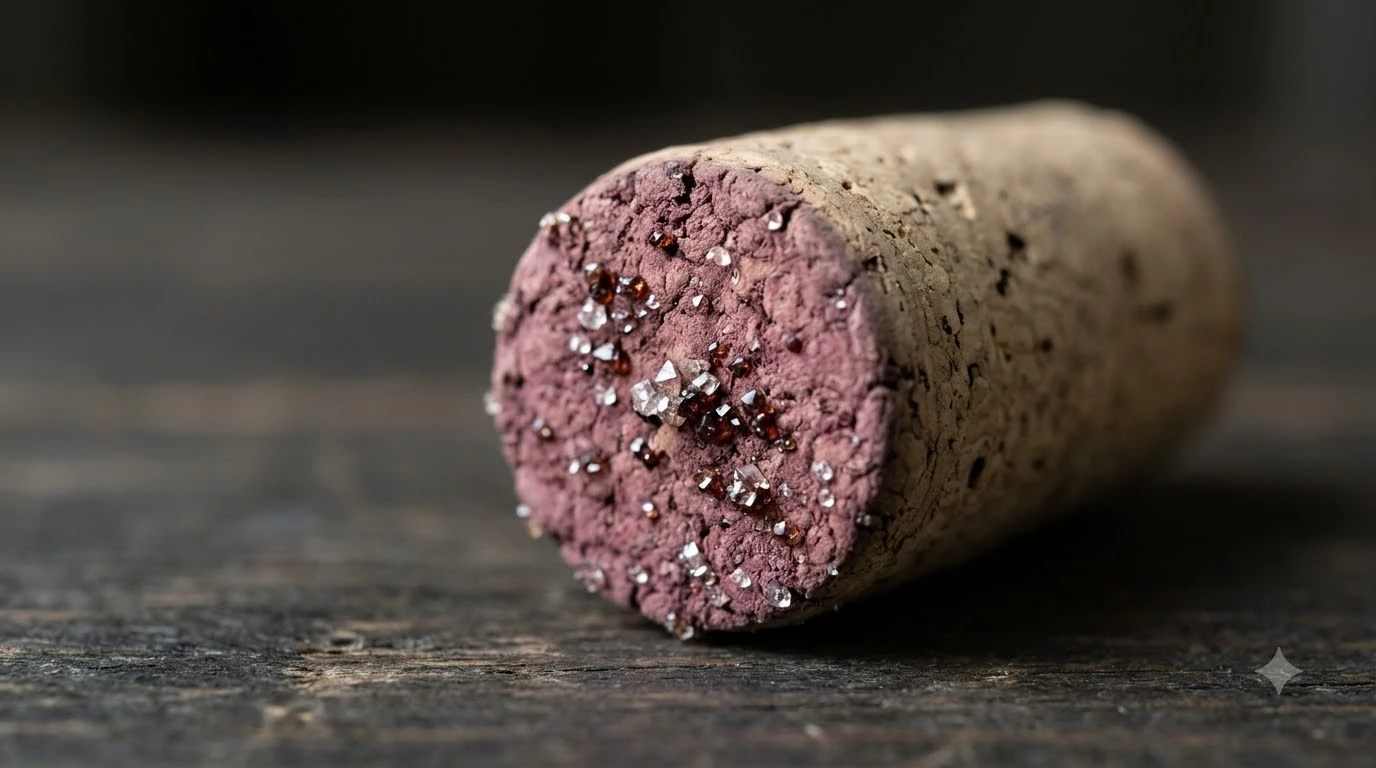
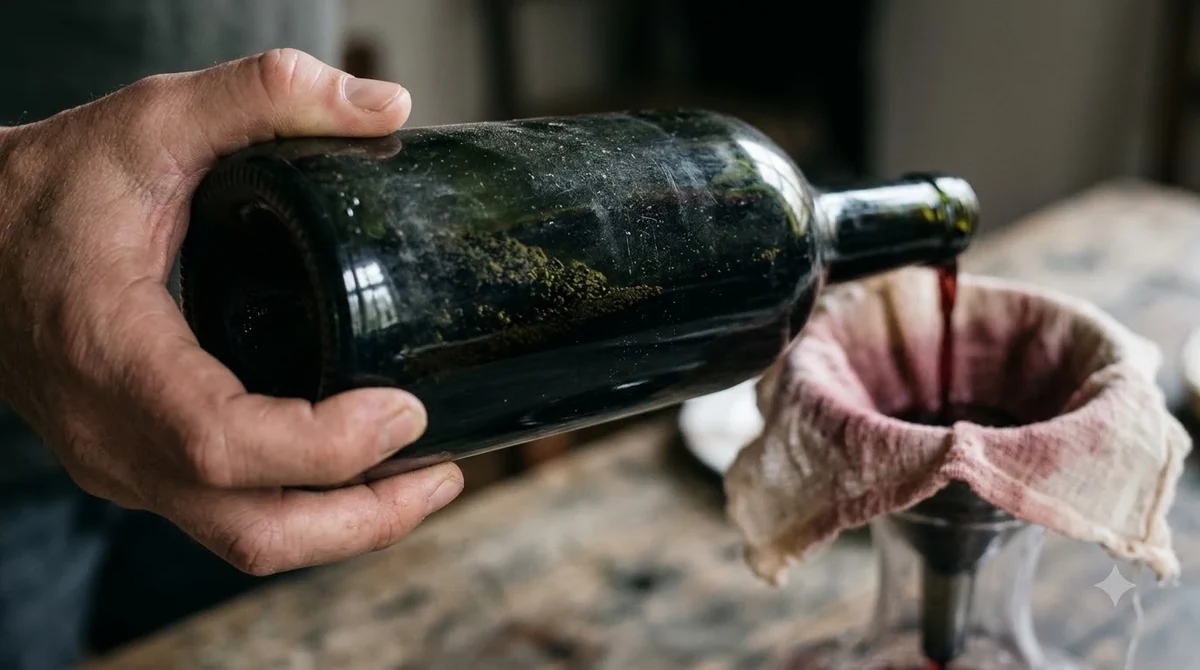
Older Malbec requires a different approach. Mature wine may contain sediment, especially if it has spent several years aging in the bottle. In that situation, decanting can help separate the clear wine from the deposit, but gentle handling is more important than maximizing oxygen exposure.
Stand the bottle upright before opening if sediment is present. Pour slowly into a clean decanter and stop when the deposit approaches the neck. Avoid leaving a delicate older wine exposed to air for an extended period because its developed aromas may fade relatively quickly.
Wine Enthusiast distinguishes between decanting young, tannic reds and gently handling older wines. This is a useful principle for Malbec: use aeration to help a young, powerful bottle open up, but prioritize careful sediment separation with mature examples.
4. Understand Malbec Styles Before Serving
Malbec does not taste exactly the same in every region. Argentine examples, particularly those from Mendoza, often emphasize ripe dark fruit and approachable tannins, while French Malbec from Cahors is commonly more structured and savory. Recognizing these differences helps you decide how much chilling, aeration, and preparation each bottle needs.
Argentina is particularly important to Malbec’s modern identity. The grape arrived there in 1853 and became the country’s most widely planted red grape variety. Mendoza developed into its best-known growing region, with high-altitude vineyards producing distinctive expressions of the grape.
Argentine Malbec commonly displays blackberry, plum, cherry, and sometimes violet aromas. Its acidity and tannins can feel relatively supple, especially in fruit-forward bottlings intended for early drinking. These wines are often enjoyable after a brief chill and a short period in the glass.
Argentine Malbec from Mendoza
Mendoza is a useful reference point when choosing a bottle for a casual dinner or grilled-meat meal. Many examples combine ripe dark fruit with moderate-to-firm tannins, making them suitable for dishes with substantial flavor. They generally work well at 60–65°F.
Some higher-altitude Argentine Malbecs have greater freshness and more defined structure. These bottles may benefit from 30–45 minutes of decanting, particularly when young. Their aromatic character can include floral notes, black cherry, and mineral impressions alongside the familiar dark fruit.
French Malbec from Cahors
Cahors in southwestern France is another important reference point for the grape. French Malbec from this region is traditionally known for deep color, black plum, cherry, cocoa, and savory or smoky characteristics. Its tannins can feel firmer than those of a soft, fruit-forward Argentine example.
A structured Cahors bottle can benefit from careful decanting for approximately 30–60 minutes, depending on its age and style. Serve it toward the warmer end of the 60–65°F range if it has pronounced tannins and earthy characteristics. Avoid allowing the wine to become warm enough for alcohol to dominate.
Other French regions also produce Malbec. In the Loire Valley, for example, the grape can appear in lighter, refreshing red wines with red-fruit characteristics. These bottles may need less aeration and can sometimes be enjoyed at the cooler end of the usual red-wine serving range.
How oak aging affects serving
Oak aging can add vanilla, toast, cocoa, and spice characteristics to Malbec while influencing its texture. A bottle with noticeable oak and firm tannins may benefit from decanting, while an unoaked or lightly oaked example often emphasizes fresh fruit and can be enjoyed soon after opening.
On Argentine labels, the terms Reserva and Gran Reserva can provide useful clues. Total Wine explains that Reserva Malbec indicates at least one year of oak aging, while Gran Reserva indicates at least two years. These classifications can help you anticipate a more developed style, although the precise flavor and structure still depend on the producer and wine.
For more information about different grape varieties and their characteristic styles, explore our guide to Wine by Type. Comparing Malbec with other reds can help clarify which serving methods work best for each style.
5. Pair Malbec With Food That Matches Its Structure
Malbec pairs especially well with grilled and roasted meats, rich sauces, mushrooms, and aged cheeses. Its full body, dark fruit character, and moderate-to-firm tannins give it enough structure to complement substantial dishes without requiring complicated preparation. Grilled steak remains one of the most dependable combinations.
The reason this pairing works is the interaction between wine and food. Protein, fat, and salt can soften the perception of tannin, making a structured red wine feel smoother. Meanwhile, the savory flavors produced by grilling and roasting complement Malbec’s dark fruit, spice, and occasional smoky characteristics. For more pairing ideas, see Total Wine’s guide to Malbec food pairings.
Steak, barbecue, and grilled meats
Grilled ribeye, sirloin, flank steak, and beef short ribs are excellent partners for Malbec. The savory richness of the meat balances the wine’s fruit concentration, while the fat softens its tannins. A grilled steak seasoned with black pepper, garlic, and rosemary provides a particularly reliable match.
Malbec also works well with lamb chops, venison, bison, and dark turkey meat. These proteins have enough flavor to stand alongside a full-bodied red without overwhelming its fruit. For barbecue, choose dishes with smoky or savory seasoning rather than extremely hot sauces that could exaggerate the wine’s alcohol and tannin.
Pasta, stews, and roasted vegetables
Pasta with tomato-based meat sauce, slow-cooked beef ragù, and mushroom-based sauces can all complement Malbec. The wine’s dark fruit profile works particularly well with dishes containing roasted tomatoes, caramelized onions, and herbs.
Grilled mushrooms are another strong pairing. Their earthy, savory qualities complement the cocoa and smoky characteristics sometimes found in Malbec, especially structured examples from Cahors. Roasted eggplant, peppers, and onions also provide suitable vegetable-based options.
For a simple dinner, serve Argentine Malbec with beef empanadas, roasted potatoes, and chimichurri. The herbs and garlic provide aromatic contrast, while the meat filling gives the wine enough savory substance to match.
Cheese and charcuterie
Malbec pairs well with aged Cheddar, Gouda, Manchego, and blue cheese. Salt and fat soften tannin, while concentrated cheese flavors complement the wine’s ripe fruit. Blue cheese can be particularly interesting with a fruit-forward Malbec because its salty intensity creates a contrast with the wine’s dark berry character.
For a simple cheese board, combine aged Gouda, firm Cheddar, cured beef, olives, roasted nuts, and crusty bread. Avoid relying entirely on very mild cheeses because they may disappear beside a powerful red wine.
Foods that require more care
Delicate white fish, oysters, and lightly seasoned seafood generally work better with lighter white wines than with full-bodied Malbec. Tannic reds can clash with oily fish, while the weight of Malbec may overwhelm subtle seafood flavors.
Very spicy food also requires care. Chili heat can become more pronounced alongside alcohol and tannin, making a powerful Malbec taste hotter and less balanced. If serving spicy food, choose a milder preparation or a softer, lower-alcohol red rather than a highly structured bottle.
Sweet desserts are another difficult match. A dry Malbec can taste more acidic and less fruity beside a dessert that is sweeter than the wine. If you want to serve Malbec after dinner, choose a savory cheese course or dark chocolate with restrained sweetness rather than a very sugary dessert.
For a comparison with lighter white wine service, our articles on how to serve Pinot Grigio and how to serve Pinot Gris explain why temperature and glass selection change with wine style.
6. Pour, Store, and Preserve Malbec Properly
Good serving technique continues after the bottle is opened. Pouring approximately 5 ounces into each glass, keeping the remaining wine cool, and storing unopened bottles away from heat and sunlight help preserve Malbec’s intended character. These habits are especially useful when serving a bottle over a long dinner.
Before opening, inspect the bottle and closure for signs of damage or leakage. If the wine has been stored horizontally, stand it upright for a period before serving, especially if it is an older bottle that may contain sediment.
Opening and pouring
Use a suitable corkscrew and remove the cork smoothly to avoid pushing fragments into the wine. Wipe the bottle opening if necessary, then pour a small amount into your glass to check its appearance and aroma.
Malbec should normally show a deep ruby, purple, or garnet color depending on its age and style. Its aromas may include plum, blackberry, cherry, violet, cocoa, and spice. Unusual musty, vinegar-like, or strongly oxidized aromas can indicate a wine fault rather than a characteristic of the grape.
For a standard dinner pour, aim for 5 ounces per person. This allows a 750 ml bottle to provide approximately five servings. If guests want to compare different Malbec styles, smaller pours make it easier to sample several wines without filling the table with large glasses.
Storing unopened Malbec
Unopened Malbec should be stored in a cool, dark location with a consistent temperature. A storage temperature near 55°F is a useful target for maintaining wine quality. Avoid locations near ovens, radiators, direct sunlight, or appliances that produce frequent temperature changes.
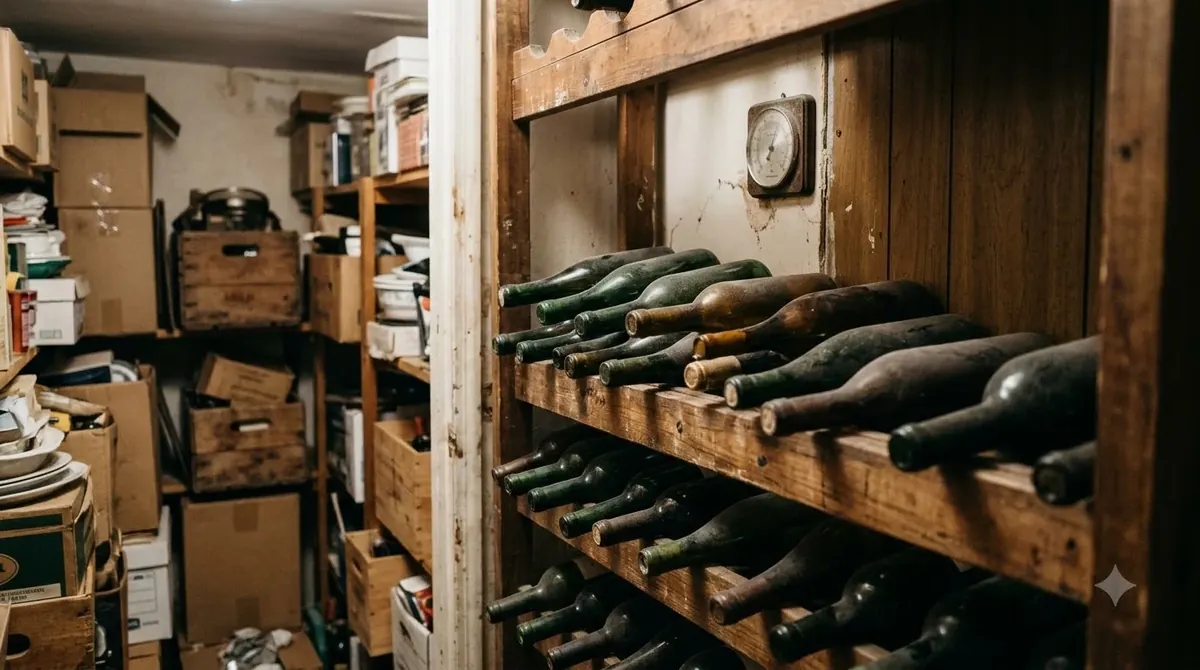
For bottles sealed with natural cork, horizontal storage keeps the cork in contact with the wine and helps prevent it from drying out. A stable environment is more important than repeatedly moving bottles between warm and cold locations.
Everyday Malbec is often intended for relatively early enjoyment, while more structured wines can develop additional complexity with suitable aging. The producer’s style, grape-growing conditions, and oak treatment all influence how well a particular bottle will develop over time.
Preserving an opened bottle
If you have leftover Malbec, replace the cork or use a suitable wine stopper and refrigerate the bottle. Even red wine benefits from refrigeration after opening because cooler temperatures slow the chemical changes caused by exposure to oxygen.
As a general guideline, opened still wines remain enjoyable for approximately 3–5 days when properly sealed and refrigerated. Malbec may gradually lose some fresh fruit character during this period, particularly if much of the bottle has already been consumed and there is considerable air inside.
Before serving the leftover wine, remove it from the refrigerator and allow it to warm slightly toward 60–65°F. Pour a small sample first to assess its aroma and flavor. If it still smells fresh and tastes balanced, it can be enjoyed with another meal.
For readers interested in the wine’s nutritional characteristics, our guide to calories in Malbec explains how serving size and alcohol content influence the estimated calorie content of a glass.
Frequently Asked Questions
Is Malbec always a dry red wine?
Most traditional Malbec is dry, although some producers make sweeter or off-dry versions. The grape’s naturally ripe fruit aromas can make a dry wine seem sweet even when its residual sugar is low. Argentine Malbec is particularly known for its juicy blackberry and plum character.
Does Malbec contain sulfites?
Most commercially produced Malbec contains sulfites, either naturally generated during fermentation or added during winemaking. Sulfur dioxide is used in wine production to help protect against oxidation and unwanted microbial activity. The amount varies between producers and bottles.
What color should a young Malbec have?
Young Malbec commonly displays an intense purple, violet-red, or deep ruby color. Its naturally dark grape skins contribute substantial pigment during fermentation. With bottle age, the color can gradually shift toward garnet and brick-like tones.
Can Malbec be used in cooking?
Yes. Dry Malbec works well in beef stew, red wine reductions, and braised meat dishes. Its dark fruit and savory characteristics complement onions, mushrooms, garlic, and herbs. Allow the wine to reduce with the other ingredients so its flavors become concentrated rather than adding a large amount immediately before serving.
What is the alcohol content of Malbec?
Malbec commonly falls around 13–15% alcohol by volume, although individual bottles vary according to grape ripeness, climate, and winemaking decisions. For example, Nieto Senetiner’s Benjamin Malbec technical sheet lists 12.5% ABV. Checking the stated alcohol percentage can help you compare different bottles and understand their relative weight.
Serving Malbec well does not require complicated equipment or extensive preparation. Keep the bottle around 60–65°F, use a generously sized red wine glass, and give structured young wines time to breathe when needed. With grilled meats, savory pasta, or aged cheese alongside it, Malbec makes a versatile and enjoyable choice for everyday dinners and special gatherings alike.
More in Wine Types & Grapes
 What Does Mourvèdre Taste Like? Flavor Profile, Regions, and PairingsUpdated Nov 20, 2026
 What Does Marsanne Taste Like? Flavors, Styles, and Food PairingsUpdated Nov 20, 2026
 What Does Malvasia Taste Like? Styles, Flavors, and Food PairingsUpdated Nov 20, 2026
 What Does Grenache Blanc Taste Like? Flavor Profile, Styles, and PairingsUpdated Nov 20, 2026
 What Does Garnacha Taste Like? Key Flavors, Styles, and Pairing TipsUpdated Nov 20, 2026
 What Does Fruit Wine Taste Like? A Complete Flavor and Style BreakdownUpdated Nov 20, 2026