

We may earn a commission when you buy through links on this page, at no extra cost to you. Learn more.
Cooking with malbec is an excellent way to add dark-fruit flavor, color, and savory depth to beef dishes, braises, pan sauces, and hearty pasta recipes. This dry red wine brings plum, blackberry, and cherry characteristics that complement browned meat, mushrooms, onions, and herbs. Choose a reasonably priced, balanced bottle rather than an expensive oak-heavy wine, and add it gradually so its tannins and acidity remain in balance with the other ingredients.
Malbec is especially useful in recipes that benefit from a full-bodied red wine but do not need the particularly firm tannins of some Cabernet Sauvignon wines. Its fruit-forward character can give a sauce a rounded flavor, while its natural acidity helps balance rich cooking liquids and browned ingredients. Whether you are preparing beef short ribs, mushroom pasta, or a simple steak sauce, understanding how Malbec behaves under heat will help you use it effectively.
Why Malbec Works So Well in Savory Cooking
Malbec brings dark-fruit flavors, color, and a substantial texture to savory recipes. Its combination of ripe fruit, moderate acidity, and generally smooth tannins makes it particularly suitable for dishes containing browned meat, mushrooms, onions, and concentrated stock.
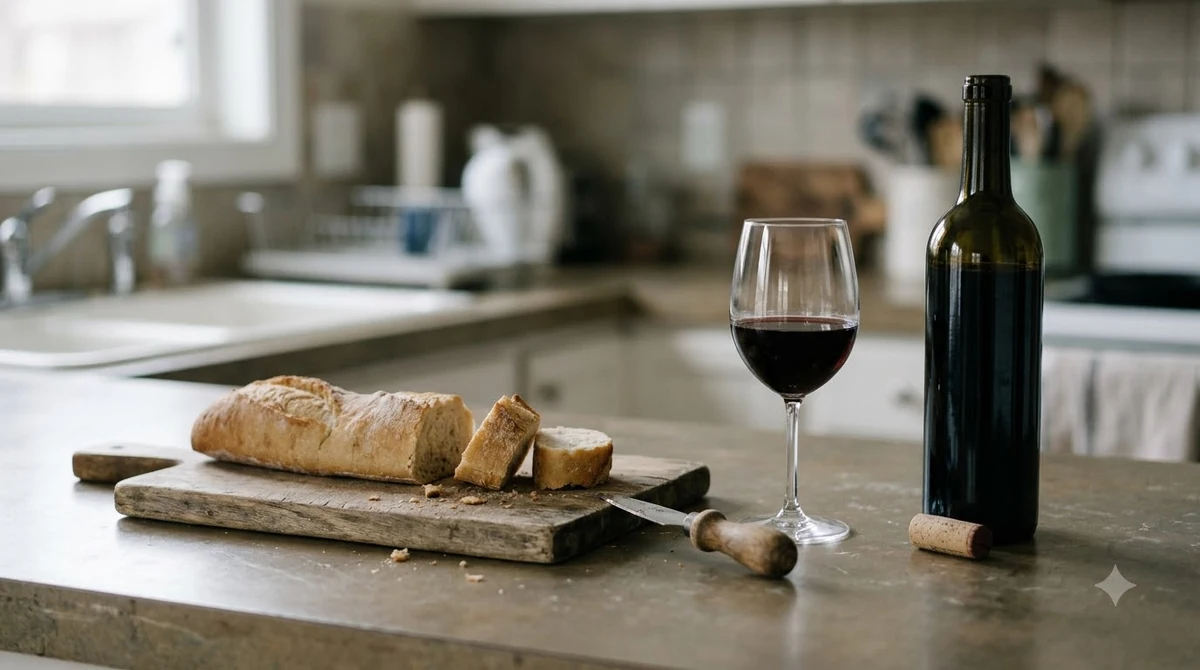
Malbec is best known for its Argentine expression, especially wines from Mendoza. According to the Wine and Spirit Education Trust, Malbec is recognized for its deep color, smooth tannins, and black-fruit characteristics. Common flavor descriptions include plum, blackberry, cherry, and black pepper. These qualities make the wine a natural ingredient in recipes that already contain similar flavors or savory seasonings.
Unlike a delicate red wine, Malbec generally has enough body to remain noticeable after it is added to a substantial cooking liquid. This is useful in beef stew, braised short ribs, lamb shoulder, and slow-cooked tomato sauces. A splash of wine can contribute fruit and complexity without making the finished dish taste like a glass of wine poured over dinner.
Malbec’s tannins also interact with the other ingredients in a recipe. Proteins and fats can soften the perception of tannin, which helps explain why a substantial beef dish is often a better match than a delicate vegetable preparation. Butter, olive oil, meat juices, and gelatin-rich stock can all contribute to a more rounded final sauce.
However, Malbec is not automatically suitable for every recipe. Its concentrated fruit and dark color can overwhelm light seafood dishes, delicate chicken preparations, and sauces that depend on fresh citrus or subtle white-wine flavors. For those dishes, a crisp white wine is usually a more appropriate choice.
The distinction between cooking with Malbec and serving it alongside a meal is also important. A wine that tastes pleasant in a glass may become more concentrated and assertive after reduction. The best choice is therefore a dry, balanced bottle whose fruit and structure can withstand cooking without dominating the dish.
Choosing the Right Malbec for Cooking
The best cooking Malbec is dry, reasonably balanced, and free from unpleasant faults. Look for a wine with recognizable plum or blackberry fruit, moderate oak influence, and enough acidity to complement a savory recipe.
Argentina is an excellent starting point because Malbec is one of its signature varieties. Wines from Mendoza commonly offer ripe dark fruit and approachable tannins. These characteristics work well in tomato-based sauces, beef braises, and reductions. A straightforward young Malbec is generally more practical for everyday cooking than a highly structured bottle intended for extended aging.
There are also meaningful differences between Argentine Malbec styles. Wines from lower-altitude sites in Mendoza tend to have fuller bodies and richer fruit, while higher-altitude wines can show fresher acidity and more floral character. The Uco Valley, for example, has vineyards reaching approximately 1,500 meters, while parts of Luján de Cuyo have vineyards around 900 to 1,100 meters. These regional differences can influence the way the wine contributes to a sauce.
What to Look for on the Bottle
Use the following characteristics as a practical shopping guide rather than treating them as rigid rules.
| Wine characteristic | What to look for | Best cooking application |
|---|---|---|
| Sweetness | Dry | Beef sauces and savory braises |
| Body | Medium to full | Stews and slow-cooked meat |
| Acidity | Moderate and refreshing | Tomato sauces and pan reductions |
| Tannin | Moderate and smooth | Gravy and meat-based sauces |
| Fruit profile | Plum, blackberry, cherry | Beef, mushrooms, and roasted vegetables |
| Oak influence | Light to moderate | General-purpose savory cooking |
| Alcohol | Typical dry red wine strength, often around 13–15% ABV | Long-simmered sauces and braises |
Heavily oaked Malbec deserves extra consideration. Oak can contribute vanilla, coffee, chocolate, and toasted spice aromas, but prolonged reduction may make some oak-derived flavors seem excessive or bitter. A fruit-forward wine with restrained oak is generally more versatile.
Do not assume that an expensive wine will produce a better sauce. The finished dish depends on the quality of the other ingredients, the amount of wine used, and the cooking technique. An affordable bottle that you would happily drink is usually sufficient. Avoid wines with cork taint or unpleasant oxidation because cooking will not reliably correct those defects.
Wine Enthusiast’s guide to choosing wine for cooking also emphasizes selecting wine according to the dish and avoiding heavily oaked bottles that may become bitter during cooking.
Tip: Buy a dry Malbec that you would enjoy drinking with dinner. Use the same bottle for the recipe and the meal, rather than purchasing a separate bottle labeled specifically as cooking wine.
How to Cook With Malbec Using Different Techniques
Malbec can be used in several cooking techniques, but the amount and timing matter. Deglazing, reducing, braising, and marinating each extract different qualities from the wine.

Deglazing a Pan
Deglazing is one of the easiest ways to use Malbec. After browning steak, beef cubes, pork chops, or mushrooms, remove the cooked food and excess grease while leaving the browned particles attached to the pan. Add approximately 1/4 to 1/2 cup of Malbec to a standard skillet, then scrape the bottom with a wooden spoon to release the flavorful fond.
Allow the wine to bubble for approximately 2 to 4 minutes, depending on the pan size and heat. Add beef stock, shallots, thyme, or a small amount of butter to build a sauce. The wine should contribute a concentrated savory character rather than remain a thin, strongly alcoholic liquid.
Making a Malbec Reduction
A reduction is useful when you want a concentrated sauce for steak, roast beef, or grilled mushrooms. Begin with approximately 1 cup of Malbec in a saucepan. Add a finely chopped shallot, a sprig of thyme, and a small amount of beef stock if a less intense wine flavor is desired.
Simmer gently until the liquid has reduced by approximately one-half. The actual cooking time depends on the width of the saucepan and the heat level, but 10 to 20 minutes is a reasonable starting range for a modest quantity. Avoid aggressive boiling because rapid evaporation can make it harder to control the final flavor and texture.
Strain the liquid if a smooth sauce is desired, then whisk in a small amount of cold butter. This helps create a glossy finish and softens the perception of tannin. Taste before adding salt because stock and butter may already contribute seasoning.
Braising With Malbec
Braising is particularly effective for tougher cuts of beef. First, season and brown the meat on several sides. Remove it from the pot, then cook onions, carrots, celery, garlic, and tomato paste until fragrant and lightly browned.
Add approximately 1 to 2 cups of Malbec for a typical medium-sized braising pot. Scrape up the browned particles, then add enough beef stock to partially surround the meat. Include bay leaves, rosemary, thyme, or black pepper according to the recipe.
Cover the pot and cook gently in an oven set around 300 to 325 degrees F. Depending on the cut and size, beef short ribs may need approximately 2 1/2 to 3 1/2 hours. The goal is tender meat that separates easily with a fork, not simply a particular cooking time.
Using Malbec in Marinades
Malbec can also form part of a marinade for beef, lamb, or pork. Combine 1/2 cup of wine with olive oil, crushed garlic, rosemary, black pepper, and a little salt. The quantity can be adjusted for the amount of meat being prepared.
Refrigerate the meat while it marinates. Approximately 2 to 8 hours is a practical starting window for many beef preparations, although the ideal time depends on the cut and thickness. Do not expect wine alone to tenderize a thick steak throughout. Its main contribution is flavor, while the other ingredients provide seasoning and aromatic complexity.
Discard marinade that has contacted raw meat unless it is brought to a proper boil before being used as a sauce. A separate portion reserved before marinating is a simpler option when you want a finishing sauce.
Best Dishes to Make With Malbec
Malbec is particularly effective in hearty recipes that can support dark-fruit flavors and a substantial red wine character. Beef, lamb, mushrooms, roasted vegetables, and tomato-based dishes are among the most useful ingredients to combine with it.
Beef Short Ribs and Pot Roast
Beef short ribs are among the strongest applications for Malbec. Their rich flavor and connective tissue suit a slow braise, while the wine contributes fruit, color, and complexity to the cooking liquid. Combine the wine with beef stock, onion, carrot, celery, garlic, and thyme for a balanced preparation.
Pot roast benefits from the same approach. Add approximately 1 cup of Malbec to a standard roasting pot alongside stock and vegetables. Cook until the beef is tender, then strain and reduce the cooking liquid to create a sauce. If the sauce becomes too concentrated, loosen it with additional stock rather than adding more wine automatically.
Beef Stew
Malbec works especially well in traditional beef stew because its dark fruit complements browned beef, mushrooms, carrots, and onions. Brown the meat in batches before adding the wine. Crowding the pot can cause the meat to steam instead of brown, leaving less flavorful fond for the sauce.
For a medium-sized stew, approximately 1 cup of wine is a useful starting quantity. Add stock until the ingredients are sufficiently surrounded by liquid, then simmer gently until the meat and vegetables are tender. Potatoes can help thicken the finished stew, while a small amount of flour or cornstarch can provide additional body if needed.
Tomato and Meat Pasta Sauce
A small amount of Malbec can add depth to a meat-based tomato sauce. Begin by browning ground beef or Italian sausage, then cook onion and garlic in the rendered fat. Add tomato paste and allow it to cook briefly before deglazing the pan with approximately 1/2 cup of wine.
Let the wine reduce before adding crushed tomatoes. This step helps incorporate its flavor into the sauce instead of leaving a separate wine-like taste. Simmer the mixture for approximately 30 to 60 minutes, stirring occasionally. Finish with basil, oregano, or a little butter, depending on the style of sauce.
Mushroom and Vegetable Dishes
Malbec is not limited to red meat. Mushrooms have savory, earthy flavors that work well with the wine’s dark fruit and pepper characteristics. Use it to deglaze sautéed cremini mushrooms, portobello mushrooms, or a mixture of wild mushrooms.
Roasted eggplant, onions, and bell peppers can also benefit from a modest amount of Malbec in a finishing sauce. The wine should complement the browned vegetable flavors rather than cover them. For a vegetarian dish, vegetable stock can replace beef stock in a reduction without sacrificing the wine’s contribution.
Risotto and Other Grain Dishes
Red wine risotto is another possibility, especially with mushrooms or roasted beetroot. Add a modest splash of Malbec after sautéing the aromatics and before incorporating the stock. Stir until most of the liquid has been absorbed, then continue adding warm stock gradually.
Because Malbec has a strong color, it will give the finished risotto a reddish-purple appearance. Choose ingredients that complement that appearance and flavor, such as mushrooms, thyme, roasted beetroot, and aged hard cheese. A delicate seafood risotto is generally better prepared with a lighter white wine.
Pairing Malbec With Food and Balancing Its Flavor
Malbec’s dark fruit and substantial body make it suitable for rich, savory foods, but successful cooking depends on balancing acidity, tannin, salt, fat, and sweetness. These elements determine whether the finished sauce tastes harmonious or overly concentrated.
Beef is a particularly reliable partner because its protein and fat help soften the perception of tannin. A Malbec reduction served with grilled steak can benefit from butter, stock, and browned meat juices. The same principle applies to lamb shoulder, pork shoulder, and other substantial preparations.
Acidity is equally important. Tomato-based dishes need sufficient acidity to prevent a heavy, flat taste. Malbec can provide fruit and some acidity, but it should not be treated as a substitute for every acidic ingredient. If a tomato sauce tastes too rich, a small amount of lemon juice or vinegar added near the end may restore balance.
Salt and fat can make tannic wines seem softer. This is useful in a beef stew containing fatty meat or a reduction finished with butter. However, too much salt can make an already concentrated sauce unpleasant, so season gradually throughout the cooking process.
Sweetness requires particular care. A dry Malbec is usually the better option for savory food. If a recipe includes caramelized onions, roasted carrots, or naturally sweet tomatoes, the fruitiness of the wine may already provide enough perceived sweetness. Adding sugar without tasting first can make the sauce unnecessarily sweet.
For a more substantial meal, serve a Malbec-based beef sauce with mashed potatoes, roasted root vegetables, grilled steak, or a mushroom side dish. These foods have enough flavor and texture to stand alongside the wine. For lighter dishes, consider a different wine style rather than trying to force a full-bodied red into a delicate recipe.
Keep chili heat in mind as well. Alcohol and tannin can amplify the perception of heat, so a strongly spiced dish may become more aggressive when combined with a concentrated Malbec sauce. Use moderate chili quantities and balance the recipe with fat or dairy where appropriate.
Substituting Malbec, Storing Leftovers, and Avoiding Mistakes
Malbec can be substituted with another dry red wine when a recipe calls for it, provided the replacement has a similar body and flavor intensity. Proper storage and careful portioning also help preserve the wine’s usefulness between cooking sessions.
Best Substitutes for Malbec
Merlot is a practical alternative when you want softer tannins and a more restrained structure. Its medium tannin level makes it suitable for beef sauces, stews, and tomato-based preparations. Use approximately the same quantity of Merlot as the recipe specifies for Malbec, then adjust the seasoning after reduction.
Cabernet Sauvignon is another option, especially for substantial beef dishes. However, Cabernet generally has higher tannins than Malbec. Because those tannins can become more concentrated during cooking, use a moderate amount and avoid reducing the wine excessively without stock or another balancing liquid.
Syrah can work in recipes containing black pepper, rosemary, grilled meat, and roasted vegetables. Its savory and spicy characteristics can complement the same ingredients that work with Malbec. However, some examples have substantial tannin and alcohol, so the style of wine matters.
Pinot Noir is a better option for lighter sauces, poultry, and mushroom dishes where a less forceful red wine character is desirable. Its lower-to-medium tannin level and higher acidity create a different result from Malbec, but that difference may suit the recipe.
If you need to understand how these varieties differ, the Wine by Type resource provides a useful starting point for comparing red wine styles. For a different cooking direction, see cooking with sweet red wine, particularly when the recipe deliberately calls for a sweeter flavor profile.
Storing an Opened Bottle
An opened bottle of Malbec can usually remain useful for cooking for approximately 3 to 5 days when properly refrigerated. Replace the closure securely and keep the bottle in the refrigerator, even if the wine is normally served at room temperature.
Before using leftover wine, smell and taste a small amount. Wine that has developed strong vinegar-like aromas, unpleasant oxidation, or other faults is not a good cooking ingredient. Heat will not reliably restore its original quality.
You can also freeze leftover wine in measured portions. Pour it into an ice cube tray or small freezer-safe containers and freeze until solid. Transfer the portions to a labeled freezer bag and use them in sauces, stews, and braises. Small portions are particularly useful because many recipes require only a few tablespoons.
Common Cooking Mistakes
One frequent mistake is adding too much wine at the beginning of a recipe. Excessive quantities can make a sauce taste sharp, fruity, or alcoholic. Start with the quantity recommended by the recipe and add more only if the finished flavor needs it.
Another mistake is reducing a strongly tannic Malbec too aggressively. As water evaporates, tannins and other flavor compounds become more concentrated. A wine that tasted smooth before cooking may produce a dry or bitter sauce after prolonged reduction. Dilute with stock when needed, and finish with a little butter if the recipe allows.
Using sweet or heavily oaked wine in a savory dish can also create an unbalanced result. Most savory recipes benefit from dry red wine, while sweet wine should be reserved for preparations where sweetness is intentional. If you are considering a different wine style, compare the approach in cooking with moscato before choosing a sweet aromatic wine for a savory sauce.
Finally, do not assume that all the alcohol disappears during cooking. Wine Enthusiast explains that the amount remaining depends on cooking time, the ingredients, and the pan. A reduction or short-simmered sauce can retain alcohol, so cooking with wine should not be treated as a guaranteed alcohol-free preparation.
Frequently Asked Questions
Can I use Malbec instead of red cooking wine?
Yes. A dry Malbec can replace general-purpose red cooking wine in most recipes that call for dry red wine. It is particularly useful in beef-based sauces, but a lighter Merlot or Pinot Noir may be preferable for more delicate dishes. Ordinary drinking wine is generally a better choice than specially formulated cooking wine containing added salt.
Does Malbec make meat more tender?
Malbec contributes flavor to marinades and braising liquids, but wine alone should not be expected to tenderize thick cuts throughout. Cooking method, temperature, time, and the cut of meat have a much greater influence on final tenderness. Slow braising is particularly effective for connective-tissue-rich cuts such as beef short ribs and chuck roast.
Can I cook with Malbec that has been opened for a week?
A bottle opened for a week may have deteriorated, even if it has been refrigerated. Smell it for vinegar-like aromas, stale fruit, or other unpleasant changes before deciding whether to use it. Freezing wine in small portions soon after opening is a better way to preserve leftovers for future cooking.
Does Malbec turn food purple?
Malbec’s deep red-purple pigments can noticeably darken sauces, gravies, and risotto. The final shade depends on the amount of wine, cooking time, and other ingredients. Tomato paste and beef stock can shift the appearance toward a deeper reddish-brown color.
Can I use sparkling Malbec for cooking?
Yes, provided it is a dry red sparkling wine and its flavor suits the recipe. The carbonation will dissipate quickly when heated, leaving the wine’s acidity and fruit characteristics behind. However, ordinary still Malbec is usually the more practical choice for everyday braises and sauces because it offers a familiar flavor profile without the additional bubbles.
Cooking with Malbec is a practical way to build richer sauces, more flavorful braises, and satisfying meat and vegetable dishes. Start with a dry, fruit-forward bottle, use moderate quantities, and allow the wine to reduce gradually alongside stock and aromatics. With a little attention to acidity and tannin, Malbec can become a versatile ingredient in your everyday kitchen.
More in Wine Types & Grapes
 What Does Mourvèdre Taste Like? Flavor Profile, Regions, and PairingsUpdated Nov 20, 2026
 What Does Marsanne Taste Like? Flavors, Styles, and Food PairingsUpdated Nov 20, 2026
 What Does Malvasia Taste Like? Styles, Flavors, and Food PairingsUpdated Nov 20, 2026
 What Does Grenache Blanc Taste Like? Flavor Profile, Styles, and PairingsUpdated Nov 20, 2026
 What Does Garnacha Taste Like? Key Flavors, Styles, and Pairing TipsUpdated Nov 20, 2026
 What Does Fruit Wine Taste Like? A Complete Flavor and Style BreakdownUpdated Nov 20, 2026