

We may earn a commission when you buy through links on this page, at no extra cost to you. Learn more.
Cabernet sauvignon with venison is one of the most dependable red wine pairings, because the wine’s firm tannins and dark fruit match the meat’s lean, gamey richness. Venison tastes deeper and more mineral than beef, and a full-bodied cabernet can carry that intensity without losing its shape. Cooking method matters most, since grilled, roasted, and braised venison each suit a slightly different style of cabernet. The sections below cover those choices, along with sauces, serving temperature, and bottle styles.
Venison is one of the most rewarding meats to pair with wine, and also one of the most misunderstood. Many home cooks assume any big red will do, yet the best bottle depends on the cut, the animal, and whether the meat was seared hard over a fire or simmered for hours. Cabernet sauvignon is a logical starting point because it has the structure to hold its own against game. This guide explains why it works, when it works best, and when a different red may serve the dish better.
Why Cabernet Sauvignon Pairs Well With Venison
Cabernet sauvignon brings the structure that venison needs, and venison brings enough flavor to match it. The two balance each other rather than competing for attention on the plate.
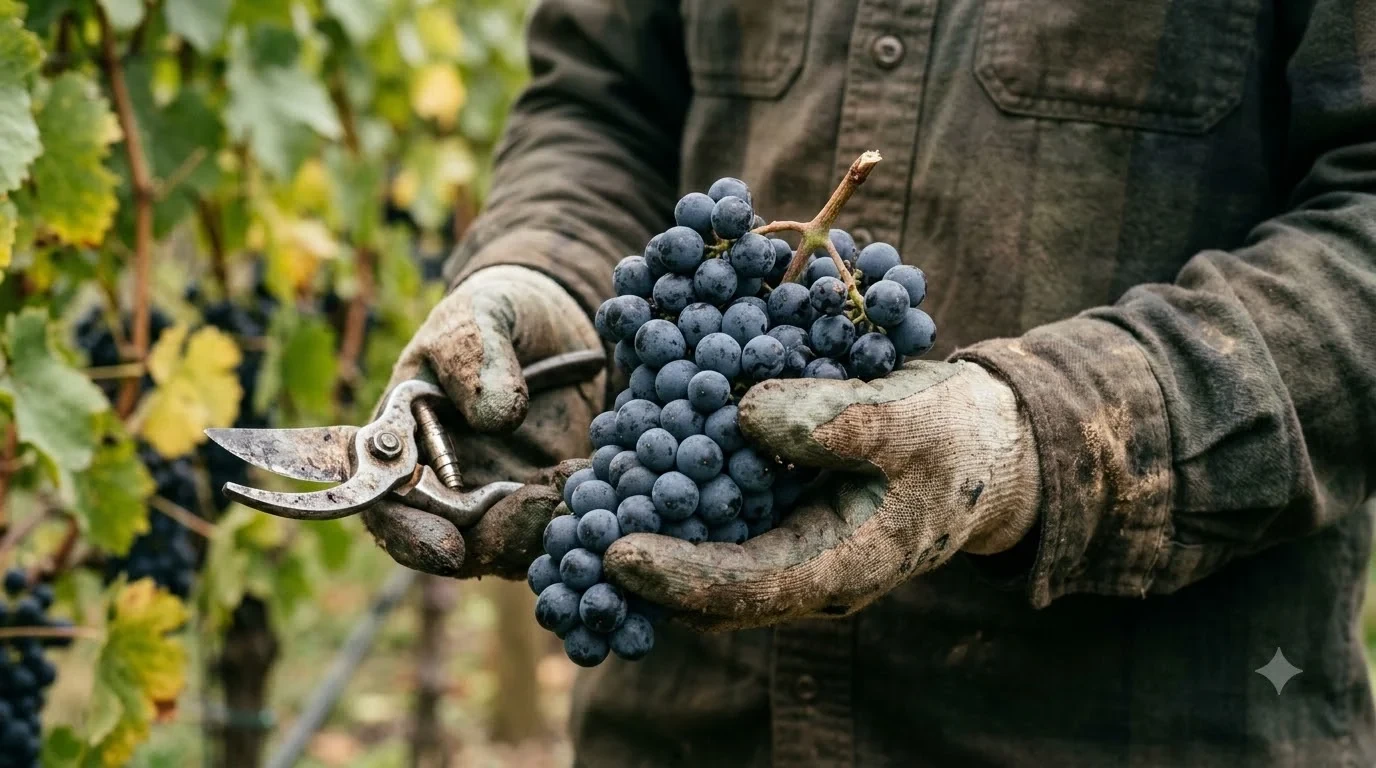
Cabernet sauvignon is known for firm tannins, dark blackberry and cassis fruit, and a backbone that often shows a touch of oak. Those traits give the wine enough weight to stand beside a rich main course. According to Vivino’s venison pairing guide, grilled venison calls for bold, structured reds, and Cabernet Sauvignon is the first name on that list.
The flavor match goes beyond body. Venison carries a gamey, earthy note, and cabernet’s savory edge of dried herbs, cedar, and dark fruit picks up those same tones. Vivino points to Coonawarra in Australia for a cabernet with a distinctive eucalyptus character, a style that can stand up to the most strongly flavored game. Napa Valley cabernet, by contrast, tends to be plush and ripe, which makes it a softer partner for leaner cuts.
There is also a practical reason to reach for cabernet. Fat and salt soften the perception of tannin, so a seared, seasoned, or butter-basted venison loin makes a young cabernet taste rounder and less astringent. Keep that effect in mind when you plate, because the same bottle can taste harsh alongside a plain, underseasoned piece of meat.
How Venison Differs From Beef on the Plate
Venison looks like beef in the pan but behaves differently at the table. Its lower fat content and gamier flavor change how a wine lands, which is why many pairing guides treat it as a separate case.
Venison is lean, with a delicate sweetness and a subtle gaminess that sets it apart from beef. Decanter’s advice on game, reproduced by Shooting Times, describes venison as similar to beef in flavor but with less fat and a more gamey character. Its conclusion is that the best wines for venison are full-bodied with softer tannin, and it points to Pinot Noirs from Alto Adige, New Zealand, and Burgundy, along with Barbera, mature Tuscan Sangiovese, and Côte du Rhône. Cabernet sits at the firmer end of that range, so it benefits from a little help from the cooking method or the sauce.
The leanness also means venison can dry out quickly. A loin pulled at a true medium-rare keeps its tenderness, while the same loin cooked to well done turns firm and mineral. Tannin reacts to that dryness, so an overcooked piece of venison can make even a good cabernet taste harsh. Pulling the meat at the right moment is part of the pairing, not a separate step.
Matching Cabernet Sauvignon to How You Cook Venison
Preparation decides the style of cabernet to open. Smoky, charred venison wants a ripe, structured wine, while a long braise calls for something with more lift. The table below gives typical targets for common preparations.
| Preparation | Typical cut | Target doneness or time | Cabernet style to reach for |
|---|---|---|---|
| Grilled or pan-seared loin | Backstrap or loin | 125 to 135 F internal, 4 to 6 minutes per side | Napa Valley, ripe and plush |
| Roasted rack or saddle | Rack or saddle | 125 to 130 F before a 10-minute rest | Bordeaux-style, firm and herbal |
| Braised shank or shoulder | Shank or shoulder | 2.5 to 3 hours at low heat until tender | Medium-bodied cabernet with lively acidity |
| Venison stew | Shoulder or leg chunks | 1.5 to 2 hours of simmering | Medium-bodied cabernet or a Chianti-style blend |
Grilled venison is where cabernet shines brightest. Vivino describes smoky, charred edges as a call for bold, structured reds, and cabernet’s firm tannins and dark fruit cut through that char. Cook the loin over direct heat for about four to six minutes per side, let it rest for a few minutes, and slice it against the grain so the wine meets tender meat rather than chewy fibers.
Roasted racks and saddles are more forgiving. The outside develops a crust while the interior stays pink, and a Bordeaux-style cabernet has the herbal structure to match that roasted flavor. Aim for roughly 125 to 130 F before a ten-minute rest, which lets the internal temperature settle at a medium-rare finish of about 130 to 135 F. Slicing too early lets the juices run onto the board, and the wine then tastes flatter by comparison.
Braises and stews need a different approach. Vivino recommends medium- to full-bodied reds with good acidity for braised venison, including Rioja, Chianti, and Rhône blends. A cabernet can still work if it has cooler-climate freshness, but if your braise includes tomatoes or vinegar, acidity becomes the priority. Acidic food needs wine with equal or higher acidity, so a tomato-based stew usually pairs better with a sangiovese-based red than with a ripe, softer cabernet.
Sauces, Sides, and Fat That Shift the Match
Sauce often matters more than the cut. A fruit reduction, a peppercorn glaze, and a smoky barbecue rub each push the wine in a different direction, so think about the whole plate before opening a bottle.
Vivino’s rule of thumb is simple: pair fruity sauces with fruity wines, and smoky spices with structured reds. A blackberry or cherry reduction over venison tenderloin suits a cabernet with ripe dark fruit, while a rub of smoked paprika and black pepper calls for a wine that brings structure rather than sweetness. Sweetness deserves attention too. A wine should be at least as sweet as the dessert or sauce that accompanies it, and a dry cabernet can taste sour or thin beside a very sweet glaze, so keep the sugar in the sauce moderate.
Fat is the other lever. Venison is lean, so a little added richness helps the wine feel smoother. In its venison guide, Game & Fish describes mixing ground venison with 20 percent pork shoulder for pasta and burgers, because the pork adds fat and flavor to the lean game. A pan sauce finished with butter, or a few strips of bacon laid over a loin, works the same way. Both soften the tannin in cabernet and bring its dark fruit forward.
Sides matter too. The same guide pairs a venison steak with creamy au gratin potatoes alongside a medium- to full-bodied red, which makes a useful template for the rest of the plate. Keep vegetables simple, such as roasted root vegetables or mushrooms sautéed with thyme, so the wine stays the focus. If your holiday table also features cabernet sauvignon with turkey, a bottle that works for both mains can save you a second wine. For a lighter game bird on the same menu, cabernet sauvignon with duck offers a useful comparison.
Serving Temperature, Decanting, and Leftovers
Temperature and air change how cabernet tastes with venison. Serve it too warm and the alcohol feels loud, and serve it too cold and the tannin tightens. Both problems are easy to avoid with a little planning.
Full reds show their best between 60 and 65 F, and light reds sit a few degrees lower, around 55 to 60 F. If the bottle has been sitting in a warm kitchen, twenty minutes in a cool room or a short stay in the fridge brings it into range. Store unopened bottles on their sides in a cellar or cupboard near 55 F, which keeps the cork moist and the wine stable until dinner.
Young, tannic cabernet benefits from decanting. Pour it into a decanter 30 to 60 minutes before serving, and the tannins soften as air reaches the wine. This matters most with a young Napa cabernet or a Bordeaux-style bottle that has not had time to age. An older bottle with sediment should be decanted more gently and served soon after.
Tip: Pull the bottle from storage 30 to 45 minutes before dinner so it reaches the 60 to 65 F serving range, then decant it while the venison rests.
For planning, a standard 750 ml bottle gives about five 5-ounce pours. A dinner for four with two glasses each needs roughly 1.5 to 2 bottles. Leftover wine keeps for 3 to 5 days if you recork it and refrigerate it, which makes it useful for a sauce or a stew base the next day.
Choosing a Cabernet Style, Region, and Alternatives
Within cabernet, region tells you a lot about how the bottle will behave. Napa Valley cabernet is generally plush and ripe, a good match for grilled loin and steaks. Bordeaux blends are more structured and herbal, which suits roasted racks and bigger savory dishes. Coonawarra in Australia brings a eucalyptus note that works well with bolder game preparations.
Some venison dishes call for a different grape altogether. Vivino recommends Syrah or Shiraz for venison stew, noting that Rhône Syrah leans peppery and savory while Barossa Shiraz is bold, ripe, and fruit-driven. Zinfandel is a strong choice for barbecue-style venison, with Sonoma and Paso Robles producing jammy styles. Malbec from Mendoza offers plush dark berry notes for grilled or spiced cuts. Pinot Noir is the lighter option, particularly for roasted tenderloin with a fruit glaze, because it carries lower tannin and higher acidity than cabernet.
A high price is not required. Game & Fish’s venison guide names Bogle Cabernet Sauvignon and 14 Hands Cabernet Sauvignon among the favorite wines its writer serves with venison steak, which is a useful reminder that an everyday bottle can do the job. Look for a cabernet with clear dark fruit, moderate oak, and enough structure to stand up to the meat. If a young bottle tastes tight and bitter, give it time in a decanter, or serve it with a richer side rather than a sharp, acidic one.
For the broader principles behind these matches, our Grape x Food resource explains how acidity, tannin, and sweetness interact across different dishes.
Frequently Asked Questions
Does marinating venison change which cabernet to choose?
It can. A marinade built on red wine, juniper berries, and bay leaves deepens the meat’s gamey notes, so a slightly riper cabernet with dark fruit usually matches the result better than a lean, austere bottle. Marinating for 12 to 24 hours is typical, and the meat should be patted dry before searing so the marinade does not burn.
Can I cook venison with the same cabernet I serve?
Yes, and it is a common approach. Game & Fish notes that the wine poured at the table is often the same wine used in the dish, and a braise is a natural place to do this. Choose a bottle you would happily drink, because a cooking wine that tastes flat or sour will flatten the stew.
What internal temperature should a venison steak reach?
Most cooks aim for 130 to 135 F for a medium-rare steak, then rest it for about five minutes. Carryover heat usually adds a few degrees during the rest, so pull the steak slightly early if you want a rosier center. An instant-read thermometer is the most reliable way to check.
What wine works best with venison burgers?
Game & Fish calls pinot noir a great all-around choice for venison burgers, because it complements the slight gaminess without overpowering the toppings. The same writer suggests trying red blends as well, since a blend made from several grapes often costs less than a single-varietal cabernet and still delivers plenty of flavor.
What wine goes with venison red-sauce pasta?
Game & Fish recommends iconic Chianti, made from sangiovese, or zinfandel for pasta with venison red sauce. Both have the tart or spicy character needed to stand up to a tomato base. A full cabernet can be too heavy here, so a medium-bodied red usually works better.
Cabernet sauvignon with venison is a dependable choice, especially when you match the bottle to the cooking method and the sauce. Start with a Napa or Bordeaux-style cabernet for grilled or roasted cuts, and switch to a sangiovese-based or medium-bodied red for braises. Keep the wine at the right temperature, decant it if it is young, and season the meat well so the tannin lands softly.
More in Food & Wine Pairing
 Risotto With White Wine Recipe: Make a Creamy Dinner at HomeUpdated Nov 20, 2026
 Wassail With Wine Recipe for a Festive Spiced Holiday DrinkUpdated Nov 20, 2026
 Spritz Veneziano Recipe: Make a Classic Venetian Aperitivo at HomeUpdated Nov 20, 2026
 Summer Wine Punch Recipe for Easy Homemade EntertainingUpdated Nov 20, 2026
 Bishop Recipe: How to Make a Bright, Citrus-Forward Red Wine CocktailUpdated Nov 20, 2026
 Wine Cupcakes Recipe: Bake Rich Chocolate Cupcakes at HomeUpdated Nov 20, 2026