

We may earn a commission when you buy through links on this page, at no extra cost to you. Learn more.
Cabernet sauvignon with turkey can work, especially when you choose a mature, balanced bottle and serve it with flavorful dark meat, savory stuffing, or rich gravy. Young Cabernet Sauvignon is often too tannic and powerful for lean turkey breast, but bottle-aged examples and softer regional styles can make more successful companions. The key is matching the wine’s structure with the preparation of the bird and the flavors of the entire meal.
Cabernet Sauvignon is a popular choice for American holiday dinners, particularly among guests who prefer full-bodied red wines. Its dark-fruit flavors, cedar notes, and firm structure offer plenty of character, but a traditional Thanksgiving plate presents several pairing challenges. Turkey is relatively delicate, cranberry sauce is sweet and tart, and sides such as mashed potatoes and stuffing introduce additional textures and flavors. With a little attention to the bottle and the menu, Cabernet can earn a place at the table without overpowering the food.
Why Cabernet Sauvignon Can Be Challenging With Turkey
Cabernet Sauvignon has a powerful structure that can overwhelm turkey, particularly the lean breast meat. Its high tannins, full body, and concentrated fruit generally need richer food than a simple serving of roasted poultry.
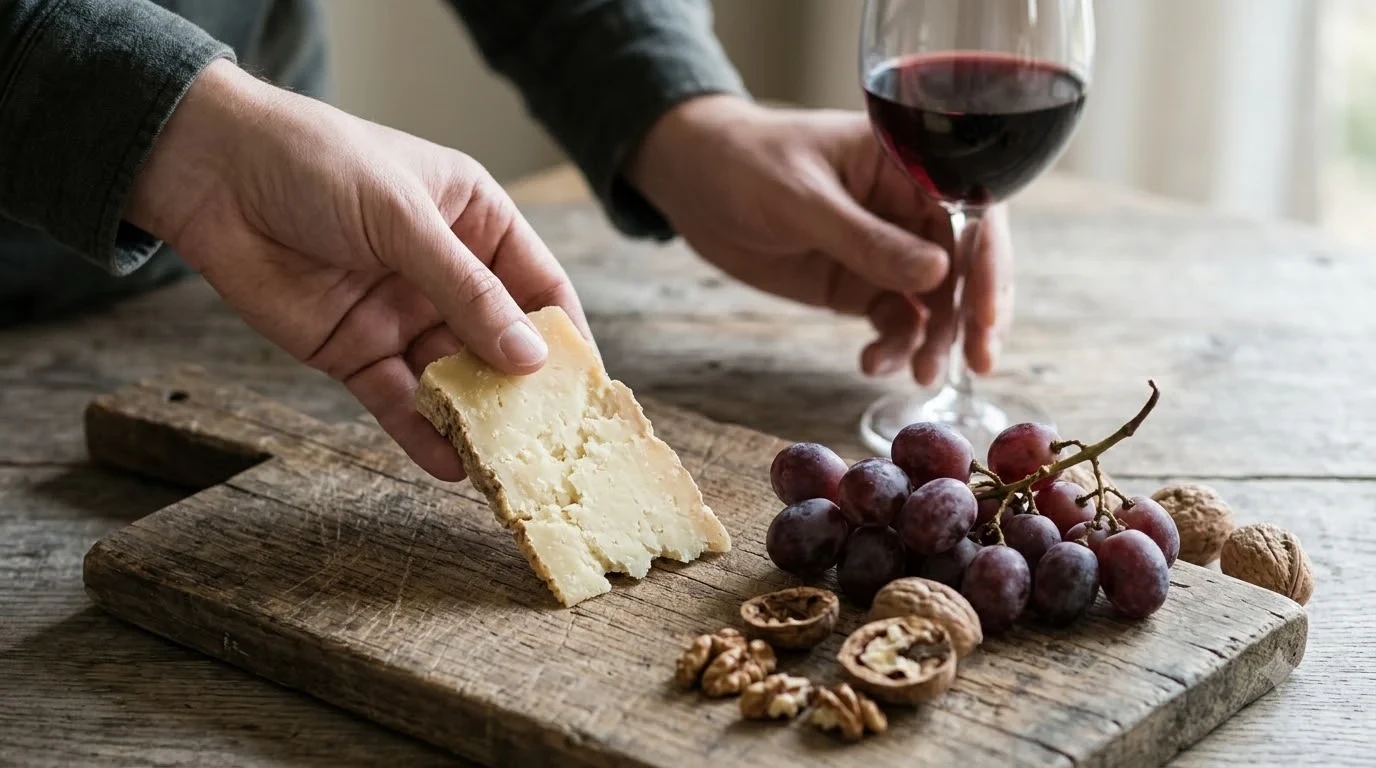
Tannins create the drying, slightly gripping sensation associated with many red wines. Cabernet Sauvignon has plenty of them, and that structure works particularly well with protein-rich, fatty foods such as steak and lamb. Fat and protein help soften the perception of tannin, allowing the wine’s fruit and other flavors to become more noticeable.
Turkey presents a different situation. White breast meat is relatively lean and mild, so it does not provide the same richness that makes Cabernet Sauvignon such a natural match for beef. A young, heavily extracted Cabernet can make each bite of turkey seem drier, while its concentrated blackcurrant and blackberry flavors may dominate the relatively subtle flavor of the bird.
Acidity is another consideration. Cabernet Sauvignon generally has medium acidity, which provides some freshness but may not be enough to balance every component of a Thanksgiving plate. Cranberry sauce, for example, has a pronounced sweet-tart profile. A structured red without sufficient freshness can taste heavy alongside it, particularly when the sauce is noticeably sweet.
That does not mean Cabernet is automatically unsuitable. A mature bottle with integrated tannins can behave very differently from a young, powerful example. Similarly, dark turkey meat, roasted skin, mushroom stuffing, and savory gravy provide more flavor and richness than plain breast meat.
For a traditional meal, think of Cabernet as a wine for selected parts of the plate rather than a perfect match for every dish. If the table includes beef, aged cheese, or particularly rich side dishes, the pairing becomes even easier.
Choose the Right Cabernet Sauvignon Style
The best Cabernet Sauvignon for turkey is generally a mature, balanced wine with integrated tannins, moderate oak influence, and enough fruit to complement roasted flavors. Regional differences and blending choices can make a meaningful difference.
Cabernet Sauvignon from Napa Valley often has concentrated black fruit, noticeable alcohol, and substantial tannins. These characteristics can be excellent with grilled beef, but a particularly powerful Napa bottle may overpower traditional turkey breast. If you prefer this style, look for an example with some bottle age or a less heavily extracted profile.
Sonoma County Cabernet Sauvignon can offer another direction. According to Total Wine’s regional overview, Sonoma examples can show softer tannins, brighter acidity, and more red-fruit characteristics than Napa Valley counterparts. These qualities can make the wine more adaptable to a mixed holiday plate.
Bordeaux is also worth considering. Cabernet Sauvignon is frequently blended with Merlot and Cabernet Franc in Bordeaux, and Merlot can soften the tannins while contributing additional red-fruit flavors. A balanced Bordeaux blend may therefore be more comfortable alongside turkey than a young, intensely structured Cabernet Sauvignon made entirely from Cabernet grapes.
For additional background on the grape’s flavor profile, regional differences, and structure, consult Total Wine’s Cabernet Sauvignon wine guide.
Consider these general style differences when selecting a bottle:
| Cabernet style | Typical characteristics | Turkey pairing potential |
|---|---|---|
| Young Napa Valley | Full body, dark fruit, firm tannins | Better with dark meat and rich gravy |
| Sonoma County | Brighter fruit, potentially softer tannins | More adaptable to roasted turkey |
| Mature Bordeaux blend | Integrated tannins, earthy and savory complexity | Good with roasted meat and mushroom stuffing |
| Merlot-blended Cabernet | Rounder fruit and potentially softer structure | Useful with flavorful turkey and savory sides |
| Heavily oaked Cabernet | Pronounced vanilla, cedar, spice, and toast | Best with browned skin and richer accompaniments |
These are general style descriptions rather than guarantees. Producer choices, growing conditions, and winemaking techniques influence the finished wine. A well-balanced Napa Cabernet can work better than an aggressively structured Bordeaux, so consider the actual characteristics of the bottle rather than relying entirely on its origin.
Another option is a Cabernet Sauvignon blend containing Merlot or Cabernet Franc. These grapes can contribute different fruit and structural characteristics, producing a more approachable wine for a meal that includes several different dishes.
If you enjoy comparing related varieties, Cabernet Franc with turkey offers another useful pairing to consider. Cabernet Franc generally provides a different balance of fruit, herbal character, and tannin.
Match Cabernet Sauvignon With White Meat and Dark Meat
Dark turkey meat is generally a better match for Cabernet Sauvignon than plain breast meat because thighs and drumsticks have a richer texture and more pronounced savory flavors. White meat can still work, but it benefits from additional richness and seasoning.

Turkey breast is relatively lean and delicate. When served simply with salt, pepper, and a little butter, it can disappear beside a full-bodied Cabernet. A softer, mature red is preferable in this situation, especially if the wine has developed earthy or savory characteristics through bottle aging.
Adding gravy changes the equation. A well-seasoned gravy made from roasting juices, stock, and browned pan drippings introduces savory depth and additional richness. This helps the turkey stand up to a more structured wine. A slice of breast meat covered with gravy can therefore make a more convincing Cabernet pairing than plain sliced turkey.
Dark meat has more intense roasted flavors and a richer texture. Thighs and drumsticks can accommodate Cabernet’s black-fruit concentration and oak-derived spice, especially when roasted until the skin is browned. A wine with moderate tannin and developed fruit is preferable to one that is exceptionally young and aggressive.
Roasted turkey with browned skin
Roasting produces caramelized and savory flavors on the exterior of the bird. These characteristics provide a stronger flavor foundation for Cabernet Sauvignon than gently poached or simply cooked turkey. Pair the browned skin and darker portions with a wine showing black cherry, cedar, and restrained oak.
Herb-roasted turkey
Rosemary, thyme, sage, and black pepper can complement the herbal characteristics found in some Cabernet Sauvignon wines. However, heavy seasoning should be avoided if the wine already has prominent green pepper notes or substantial oak influence. A balanced bottle is more flexible than one with overpowering herbal or woody flavors.
Smoked turkey
Smoked turkey has a deeper savory profile than conventional roasted turkey. This makes it more capable of handling a fuller red wine. Cabernet can work with smoked thighs and dark meat, especially when accompanied by a savory barbecue-style glaze. Keep the sweetness moderate, since sugary sauces can make dry Cabernet seem harsh.
For a mixed platter, serve Cabernet alongside the richer portions and offer a lighter alternative for guests who prefer breast meat. This approach makes the meal more enjoyable without forcing one wine to accommodate every bite.
Pair Cabernet Sauvignon With Thanksgiving Side Dishes
The side dishes often determine whether Cabernet Sauvignon succeeds at Thanksgiving. Savory, rich, and roasted accompaniments are generally more suitable than sweet or strongly acidic dishes.
Stuffing is one of the most useful partners. Traditional bread stuffing with sausage, mushrooms, onions, celery, and sage provides savory depth that can complement Cabernet’s dark fruit and earthy flavors. Sausage adds richness, while mushrooms contribute umami characteristics that work particularly well with mature red wines.
Gravy is another helpful accompaniment. Its concentrated roasting flavors and rich texture make the turkey more substantial, helping it stand up to Cabernet’s tannins. A gravy made from turkey drippings, stock, and herbs is generally a better match than a thin, lightly seasoned sauce.
Roasted root vegetables can also work, particularly when they are prepared with herbs and moderate seasoning. Carrots, parsnips, and roasted mushrooms offer earthy and caramelized flavors that complement the wine. However, heavily glazed vegetables can create a different experience.
Cranberry sauce is one of the more difficult dishes. Its acidity and sweetness can make a dry, tannic Cabernet taste less balanced. If cranberry sauce is an essential part of the meal, try keeping it separate from the turkey and serving Cabernet with the savory portions instead.
Mashed potatoes and macaroni and cheese introduce richness, but their compatibility depends on preparation. Butter, cream, and cheese can soften the perception of tannin, while simple mashed potatoes may not provide enough flavor to stand up to a powerful Cabernet.
Here is how common Thanksgiving dishes generally compare:
| Thanksgiving dish | Pairing compatibility | Practical approach |
|---|---|---|
| Roasted turkey thigh | Good | Choose mature or balanced Cabernet |
| Turkey breast with gravy | Moderate to good | Use a softer, less tannic style |
| Sausage stuffing | Good | Favor savory herbs and browned flavors |
| Mushroom stuffing | Good | Choose an earthy, mature red |
| Rich mashed potatoes | Moderate | Serve alongside the wine rather than as the main pairing |
| Sweet cranberry sauce | Challenging | Keep the sauce separate from the wine pairing |
| Honey-glazed carrots | Challenging | Favor less-sweet preparations |
| Roasted mushrooms | Very good | Use herbs, olive oil, and moderate seasoning |
Salt and fat can soften the perception of tannin, which explains why buttery sides and savory stuffing can improve the experience. However, sweetness is a different issue. A dry Cabernet is rarely the ideal partner for a very sweet casserole or dessert.
Tip: Build your Cabernet pairing around turkey thighs, sausage stuffing, mushroom dishes, and savory gravy. Keep cranberry sauce and sweeter vegetables on another part of the plate so their flavors do not dominate the wine.
For more ideas on combining wine with different ingredients and preparation methods, explore the Grape x Food pairing guide.
Compare Cabernet Sauvignon With Other Wines for Turkey
Cabernet Sauvignon is not the easiest red wine for a traditional turkey dinner. Pinot Noir, Gamay, and some other lighter reds generally provide more flexibility, particularly when the menu includes both lean white meat and sweet holiday sides.
Pinot Noir is a particularly reliable alternative. It generally has low-to-medium tannins and high acidity, with red-fruit flavors that complement roasted poultry and cranberry dishes. Its lighter structure makes it less likely to overpower delicate breast meat.
Gamay, especially from Beaujolais, is another useful option. Its bright fruit and relatively soft tannins make it adaptable to turkey, stuffing, and roasted vegetables. A slightly chilled serving temperature can make it especially refreshing during a long holiday meal.
Cabernet Franc provides another red-wine alternative. It can have noticeable herbal and red-fruit characteristics, making it an interesting match for herb-roasted turkey. The style varies, but many examples are less imposing than powerful Cabernet Sauvignon.
White wine should not be overlooked. Chardonnay has enough body to accompany richer preparations, while Sauvignon Blanc offers higher acidity that can refresh the palate between bites of gravy and buttery sides. Off-dry Riesling is particularly useful when the menu includes sweet potatoes, glazed carrots, or cranberry sauce.
The following comparison summarizes the main options:
| Wine | Tannin or acidity | Best turkey pairing |
|---|---|---|
| Cabernet Sauvignon | High tannin, medium acidity | Dark meat and rich gravy |
| Pinot Noir | Low-medium tannin, high acidity | White meat, stuffing, cranberry sauce |
| Cabernet Franc | Medium tannin, variable acidity | Herb-roasted turkey |
| Gamay | Low tannin, refreshing acidity | Mixed turkey plates and roasted vegetables |
| Merlot | Medium tannin, softer texture | Roasted turkey and savory gravy |
| Sauvignon Blanc | High acidity | Herb-seasoned turkey and vegetables |
| Chardonnay | Medium acidity | Roasted turkey and creamy sides |
| Riesling | High acidity | Turkey with sweet and savory sides |
If the dinner is centered on traditional Thanksgiving dishes, Pinot Noir is often the more dependable single-bottle red choice. Cabernet Sauvignon makes more sense when the meal includes particularly rich accompaniments or when guests specifically enjoy fuller-bodied reds.
For a direct comparison with another white-wine option, read about Sauvignon Blanc with turkey. Offering both red and white wine gives guests more flexibility, particularly at a table with many different dishes.
Serve and Prepare Cabernet Sauvignon Correctly
Serving temperature and preparation can improve Cabernet Sauvignon’s balance alongside turkey. Aim for 60–65°F, use an appropriately sized glass, and consider decanting a young, structured bottle before dinner.
Many people serve red wine too warm, particularly when bottles sit in a heated dining room for several hours. Excessive warmth can make alcohol seem more prominent and cause a full-bodied Cabernet to feel heavier. A slightly cool serving temperature helps preserve freshness and makes the wine easier to enjoy with food.
For a bottle stored at ordinary room temperature, approximately 20 minutes in the refrigerator before opening can help move it toward the recommended serving range. If the bottle is already cool, allow it to warm gradually in the glass rather than placing it near a heat source.
Young Cabernet Sauvignon can benefit from decanting. Pouring it into a decanter and allowing approximately 30–60 minutes of aeration can help soften its initial impression and release aromas. This is particularly useful for concentrated examples with firm tannins. Decanting does not remove tannins, but exposure to oxygen can make the wine seem more expressive and approachable.
Mature Cabernet Sauvignon requires a little more care. Some older wines develop sediment, so slow pouring can help leave that material behind in the bottle. Excessive aeration may cause a delicate older wine to lose its remaining aromatic character, making a shorter period of exposure preferable.
Choose a large-bowled red wine glass with a tapered opening. The broad bowl allows aromas to develop, while the narrower opening helps concentrate them. Cabernet’s dark fruit, cedar, and herbal notes become easier to appreciate with this type of glass.
For a standard dinner pour, use approximately 5 ounces per glass. A 750 ml bottle provides about five servings, making it easy to estimate how much wine to prepare for a gathering.
Storage matters, too. Keep unopened bottles on their sides in a cool, dark location near 55°F when possible. After opening, reseal the bottle and store it in the refrigerator. Most opened still wines are best consumed within approximately 3–5 days, although the precise window depends on the wine’s condition and storage.
Plan a Cabernet-Friendly Turkey Dinner
A successful dinner does not require every dish to match Cabernet Sauvignon perfectly. Instead, organize the menu around a few rich, savory components and provide another wine option for guests who prefer lighter styles.
Start with a roasted turkey prepared with moderate seasoning. Rosemary, thyme, sage, garlic, and black pepper can provide aromatic depth without overwhelming the meat. Allow the skin to brown properly, since roasted flavors create a more substantial match for Cabernet than plain, lightly seasoned poultry.
For the main sides, choose sausage stuffing, mushroom dishes, roasted potatoes, and a savory gravy. These foods provide the texture and flavor intensity that help balance a full-bodied red. Keep sweeter dishes such as candied yams and honey-glazed carrots in smaller portions if Cabernet is the main wine being served.
It is also helpful to offer a lighter red alongside the Cabernet. Pinot Noir can accommodate the leaner turkey portions, while Cabernet can accompany the richer dark meat and stuffing. A bottle of Sauvignon Blanc or Riesling provides another choice for guests who prefer white wine.
For a practical serving plan, use these steps:
- Choose the wine: Select a mature Cabernet Sauvignon or a balanced regional example rather than an exceptionally tannic young red.
- Prepare the turkey: Roast the bird until the exterior develops savory browned flavors, and season with herbs rather than excessive sweetness.
- Prepare the sides: Include sausage stuffing, mushroom dishes, roasted potatoes, and gravy to provide richer pairing opportunities.
- Separate sweet dishes: Keep cranberry sauce and sweet potato casserole away from the main Cabernet pairing.
- Prepare the bottle: Bring the wine to approximately 60–65°F and decant a young, structured example for 30–60 minutes when appropriate.
- Offer another option: Provide Pinot Noir or an aromatic white wine for guests who prefer a lighter pairing.
This approach also makes it easier to accommodate guests with different wine preferences. Cabernet enthusiasts can enjoy the wine with flavorful portions of the meal, while guests who prefer lighter wines have alternatives that complement the entire plate.
Leftover turkey can offer another opportunity to enjoy Cabernet. Use dark meat in a savory sandwich with mushrooms, roasted onions, or a moderate amount of gravy. A turkey casserole with mushrooms and herbs can also provide a richer setting for the wine than plain cold breast meat.
The most important consideration is balance. A bottle that tastes enjoyable on its own should remain pleasant alongside the meal, rather than dominating the food or making every bite seem dry.
Frequently Asked Questions
Can you drink Cabernet Sauvignon with turkey?
Yes. Cabernet Sauvignon can accompany turkey, particularly when served with dark meat, roasted skin, mushroom stuffing, and rich gravy. A mature bottle with integrated tannins is generally a better choice than a young, intensely structured wine.
Does Cabernet Sauvignon go with smoked turkey?
Yes. Smoking introduces phenolic compounds from wood smoke that contribute distinctive aromas and flavors to poultry. A savory smoked turkey preparation can stand up to Cabernet’s dark fruit and oak character, especially when the meat is not covered in a very sweet glaze.
Should Cabernet Sauvignon be chilled before Thanksgiving dinner?
Yes. Cabernet Sauvignon is best served slightly cool, with 60–65°F being a useful target. A bottle stored in a warm room can benefit from a short refrigerator rest before serving.
Can Cabernet Sauvignon pair with turkey leftovers?
Yes. Leftover turkey used in a mushroom pie, savory casserole, or sandwich with roasted onions can provide a richer match than plain sliced breast meat. The added savory ingredients help the dish stand up to the wine’s full body and tannins.
Is Cabernet Sauvignon suitable for deep-fried turkey?
It can work, although sparkling wine is often more refreshing with fried preparations. The crispy exterior and additional richness make the turkey more substantial, but a heavily tannic Cabernet may still feel overpowering. A softer red or balanced Cabernet is preferable.
Cabernet Sauvignon with turkey is a pairing that rewards thoughtful bottle selection and a menu built around savory, flavorful dishes. Choose a mature or balanced red, serve it slightly cool, and concentrate on dark meat, stuffing, mushrooms, and gravy. If the table includes sweeter sides or delicate breast meat, keep Pinot Noir or a refreshing white wine available so everyone can enjoy the meal.
More in Food & Wine Pairing
 Risotto With White Wine Recipe: Make a Creamy Dinner at HomeUpdated Nov 20, 2026
 Wassail With Wine Recipe for a Festive Spiced Holiday DrinkUpdated Nov 20, 2026
 Spritz Veneziano Recipe: Make a Classic Venetian Aperitivo at HomeUpdated Nov 20, 2026
 Summer Wine Punch Recipe for Easy Homemade EntertainingUpdated Nov 20, 2026
 Bishop Recipe: How to Make a Bright, Citrus-Forward Red Wine CocktailUpdated Nov 20, 2026
 Wine Cupcakes Recipe: Bake Rich Chocolate Cupcakes at HomeUpdated Nov 20, 2026