

We may earn a commission when you buy through links on this page, at no extra cost to you. Learn more.
Gaja Barbaresco Price generally sits in the low-to-mid hundreds for current U.S. 750 ml retail listings, with 2020 bottles around $305 to $350 in Caveau’s U.S. retail snapshot. The exact figure depends on vintage, retailer, bottle size, condition, and where the shop can legally ship. The wine is a 100% Nebbiolo Barbaresco from 14 vineyard sites, so a fair comparison starts with the vintage and the provenance rather than the label alone.
Gaja’s classic Barbaresco is a serious Piedmont red with the structure to develop in the cellar and enough perfume to make it appealing before full maturity. This guide explains how to read U.S. retail listings, what the vineyard blend and oak program contribute, and how to compare bottles without confusing a current-release offer with a rare older-vintage listing.
Who This Bottle Is For
Gaja Barbaresco is best suited to buyers who value Nebbiolo’s combination of perfume, acidity, and firm tannin, and who have a reason to spend at the premium end of the Barbaresco category. Its 14-vineyard blend brings together fruit from the municipality of Barbaresco in Piedmont, while 14% alcohol and a two-year oak-aging sequence signal a full, structured red rather than an easy weeknight pour.

The wine makes sense for a collector building a Piedmont section, a host planning a special dinner, or a drinker who wants a benchmark example of the Gaja style. Wine Enthusiast’s review of the 2020 vintage describes ripe cherry, warmed strawberry, sweet spice, fresh herbs, mixed flowers, boysenberry, dried blood orange, and black tea.
It is less suitable for someone seeking a soft, low-tannin red to drink without food or a bottle to open casually on the day of purchase. Nebbiolo can feel firm in youth, and an expensive bottle is not automatically more enjoyable just because it is older. Buyers who prefer gentler tannins, lower acidity, or a fruit-forward style with little cellar potential may find a different red more satisfying. A shopper exploring the wider Gaja wine range should also distinguish this classic appellation bottling from the producer’s separate single-vineyard wines, which occupy a different buying decision.
Key Factors to Compare
Start with vintage, bottle size, seller, and storage history; these details can change the value more than small differences in tasting-note language. The winery’s U.S. distributor, Wilson Daniels’ Barbaresco DOP profile, lists 14 vineyards, 21.4 hectares, elevations of 250 to 330 meters, and vines averaging 40 years old.
Price snapshots need to be read by vintage and stock status. Caveau’s U.S. listings put 750 ml bottles of the 2020 vintage at about $305 to $350, and its tracked 2017-to-2020 vintages span about $327 to $460; its vintage price tracker and WinesRate’s California page show how much the range shifts by vintage and stock status. WinesRate’s California page shows in-stock standard bottles across several vintages at about $280 to $455. These are retail observations rather than a guaranteed national price, and prices vary by state and retailer.
| Comparison point | Observed U.S. range | How to read it |
|---|---|---|
| 2020 vintage, 750 ml | About $305–$350 | Caveau’s observed retail range for this vintage |
| Selected 2017–2020 vintages, 750 ml | About $327–$460 | Caveau’s wider tracked vintage span; older listings sit higher |
| California in-stock listings, 750 ml | About $280–$455 | WinesRate’s visible spread covers several vintages from 2016 to 2023 |
Use those ranges as a screening tool, not a promise that every shop will have the same vintage in stock. Caveau describes its figures as current U.S. retail offers for the exact wine and vintage, rather than auction results or winery release prices. Caveau reports only one observed listing for its 2017 and 2018 entries, so those higher-end figures are thin samples. WinesRate separates bottle sizes and marks out-of-stock listings, an important distinction when comparing a standard bottle with a rare older one; the lower edge of a broad range may not be purchasable, while the upper edge may reflect scarcity rather than better quality.
Also compare the condition and seller details. A 750 ml bottle with a clean label, sound capsule, clear fill level, and documented professional storage is a different proposition from a bottle with uncertain provenance. For a purchase intended to drink soon, the available vintage and handling record should carry more weight than a listing headline that simply calls the bottle collectible.
Step-by-Step: How to Compare Offers
A disciplined comparison prevents a low listing from disguising a different vintage, bottle format, or stock condition. Use the same sequence for online shops, local retailers, and specialist merchants before deciding whether the offer fits the occasion.
- Match the exact wine name. Look for Gaja Barbaresco or Barbaresco DOP, not a similarly named Gaja single-vineyard bottling or a Barolo. Gaja also produces wines such as Costa Russi and Sorì Tildìn, so confirm that the offer is the classic Barbaresco rather than one of those separate wines.
- Match the vintage. Compare 2020 with 2020, not with 2017 or 2001. A vintage is part of the wine’s identity, and the U.S. retail snapshots show why: Caveau’s 2020 listing range is lower than its recorded prices for the 2017 and 2018 bottles.
- Confirm bottle size. Standard comparisons should use 750 ml. A 375 ml half bottle is not directly comparable to a 750 ml bottle, while a magnum has a different format and may have a different availability profile.
- Check that the offer is live. Retail comparison pages can retain out-of-stock listings. Confirm the retailer’s inventory, shipping state, delivery terms, and whether the displayed vintage is the vintage that will actually be sent.
- Assess provenance and condition. For older vintages, ask how the bottle was stored, whether it has been kept in temperature-controlled conditions, and whether the seller can explain its source. Look for signs of seepage, a pushed cork, a damaged capsule, or an unusually low fill.
- Compare the total purchase. Include applicable shipping, insurance, local taxes, and any adult-signature requirement. The bottle with the lowest displayed listing may not have the lowest final cost or the strongest delivery protections.
Keep a simple note of the exact vintage, bottle size, seller, stock status, and condition. When details line up, prioritize receiving the correct bottle in sound condition over small listing differences. Keep unlike offers in separate categories.
Tip: Save a screenshot or confirmation of the vintage and bottle size at checkout. For a high-value bottle, written confirmation helps resolve a substitution before it becomes a delivery problem.
Vintage and Style Differences Explained
Gaja’s classic Barbaresco is a multi-vineyard expression, not a single-cru wine, and each harvest gives that blend a different balance. The distributor describes the vineyard sites as lying between 250 and 330 meters above sea level, while Decanter’s historical account of the 2001 wine discusses the variation in elevation, exposure, and soil across the 14 vineyards.
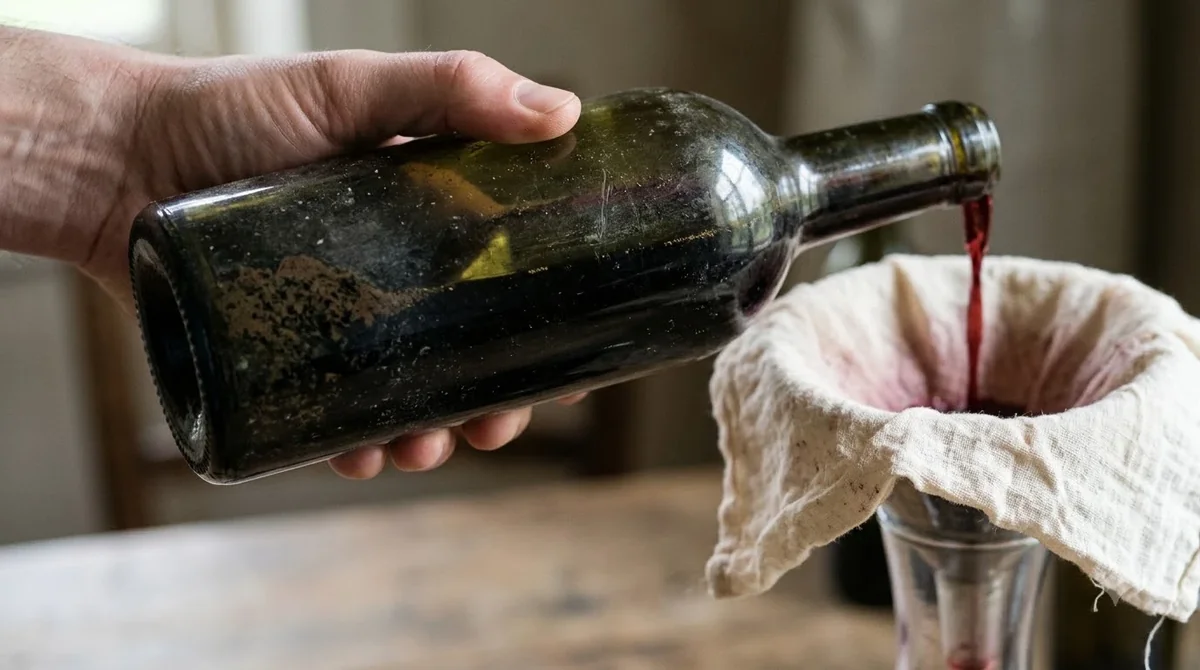
The 2020 vintage offers one useful point of comparison because several critics describe its fruit and structure in detail. Wine Enthusiast awarded it 94 points and suggested a drinking window extending from now through 2045; its note emphasizes cherry, strawberry, sweet spice, herbs, flowers, boysenberry, dried blood orange, and black tea. Wine Spectator’s note, reproduced on Wine.com, instead foregrounds cherry, raspberry, mineral, eucalyptus, and hay, with well-integrated tannin and a lively finish. The difference is a reminder that tasting notes are interpretive, not a fixed flavor checklist.
Production details help explain the texture. According to Wilson Daniels, each lot spends 12 months in oak before blending and another 12 months in oak after the blend is assembled. That totals 24 months of oak aging, but it does not mean every bottle tastes heavily oaked; the finished wine is described in the same profile through red fruit, floral notes, and integrated tannins. For a broader introduction to the producer and its range, the overview of Gaja Barbaresco can help separate the classic bottling from other labels.
Age alone should not decide which vintage to buy. A younger bottle may offer fresher fruit and a longer development runway, while an older bottle may have more developed savory aromas but greater risk from storage or bottle variation. Decanter’s review of the 2001 vintage characterizes that year as very fine and records 58,000 bottles produced, but those details do not guarantee that every surviving 2001 bottle is in ideal condition. A mature bottle is attractive only when its storage history and seller are credible.
Common Buying Mistakes
The most costly mistakes usually come from comparing unlike bottles or treating rarity as proof of quality. A 750 ml current-release listing, an older vintage, and a half bottle belong in separate comparisons, even when all three show the same producer name.
One frequent error is assuming that every Gaja Barbaresco listing represents the same cuvée. The producer’s portfolio includes the classic Barbaresco as well as separately named wines such as Costa Russi and Sorì San Lorenzo. Those labels are not interchangeable, so check the full wine name before comparing any offer. The main Barbaresco combines grapes from 14 vineyard sites; that blended identity is part of what distinguishes it from a separately designated vineyard wine.
Another mistake is reading an advertised range without checking the rows behind it. Price aggregators may show an old listing that is no longer in stock, or group together vintages with very different availability. The California WinesRate page, for example, identifies bottle size and stock status on individual offers; a sold-out listing can help explain the market history but cannot serve as a live purchase option. Caveau’s narrower sample is more useful for the selected 2017, 2018, and 2020 vintages it tracks, but single-shop observations for some vintages are not a broad market survey.
Do not buy a mature bottle simply because it is older, either. Nebbiolo’s firm tannin and acidity can support extended aging, but storage is decisive. A bottle kept for years in fluctuating heat can disappoint even when its vintage has a strong reputation. For a celebratory dinner, a younger and well-stored bottle from a trusted retailer may be the safer choice than a much older bottle with an unclear history. Also avoid relying on a single critic score or a retailer’s short description: reviewers may emphasize flowers and red berries, while another highlights mineral, herbal, or earthy details. Use those comments to understand the wine’s profile, then decide based on vintage, drinking horizon, condition, and the meal you plan to serve.
Care and Storage Tips
Good storage protects the value of a bottle after purchase and gives the wine a better chance to mature as intended. Keep Gaja Barbaresco away from light, vibration, and temperature swings, ideally in a cool, stable space near 55°F, with the bottle on its side when sealed with a natural cork.
For a young, structured vintage, consider opening it ahead of dinner rather than pouring immediately after pulling the cork. A young full-bodied red can benefit from about 30 to 60 minutes in a decanter, although the right amount of air depends on the vintage and how it responds in the glass. Taste a small pour first; if the wine is already expressive, a long decant may not be necessary. For serving, aim for 60°F to 65°F rather than room temperature in a warm home, which can make alcohol feel more prominent and flatten the wine’s detail.
Food should complement Nebbiolo’s high acidity and firm tannin. Braised beef, lamb, roast duck, mushroom dishes, and aged hard cheeses can provide enough savory depth and texture to meet the wine’s structure. Salt and fat can soften the impression of tannin, while a highly spicy dish can make alcohol and tannin feel more assertive. Avoid pairing a tannic red with delicate oily fish, where the match can feel metallic or harsh.
Once opened, keep the bottle in the refrigerator with a reliable closure and bring the wine back toward its serving temperature before the next pour. Still wines commonly keep for about three to five days under refrigeration, though the fruit and aroma will gradually fade. Transfer the remaining wine to a smaller bottle if there is a large air gap, and do not leave it on a warm counter overnight. A well-kept bottle is an investment in a future meal, not a reason to rush the drinking occasion.
Frequently Asked Questions
These answers cover a few final points that can help distinguish Gaja’s classic Barbaresco from related wines and interpret older-vintage listings. They also explain why grape variety, appellation, and bottle format matter when researching the wine.
Is Gaja Barbaresco the same wine as Costa Russi?
No. Costa Russi is a separately named Gaja Barbaresco wine, while the classic Barbaresco DOP is the multi-vineyard bottling. Wilson Daniels lists Costa Russi, Sorì Tildìn, and Sorì San Lorenzo as separate portfolio wines, so the full label name matters when comparing offers.
Why do some listings call the bottle Nebbiolo rather than Barbaresco?
Nebbiolo is the grape variety, while Barbaresco identifies the wine’s appellation and place of origin. Wine Enthusiast titles its 2020 review “Gaja 2020 Nebbiolo (Barbaresco),” showing how a retailer or publication may lead with the grape and put the place in parentheses.
What is notable about the 2001 Gaja Barbaresco?
Decanter’s historical profile describes 2001 as a very fine vintage and records production of 58,000 bottles at a yield of 33 hectoliters per hectare. Those figures describe that vintage’s reported production, not a current release or a guarantee of the condition of any particular bottle.
Is a half bottle a fair comparison with a standard bottle?
No. A 375 ml half bottle holds half the wine of a 750 ml standard bottle, so the per-bottle figures are not directly comparable. For a standard five-ounce pour, a 375 ml bottle provides roughly two and a half pours before allowing for sediment or a generous serving.
Was Barbaresco central to Gaja’s modern reputation?
Yes. Decanter’s account credits Angelo Gaja with helping bring Barbaresco into the modern era and notes that he joined the family firm in 1961 before adopting barriques for the wine in 1978. The 2001 wine’s historical profile also places the classic bottling within the family’s long-running focus on the region.
Gaja Barbaresco is easiest to buy well when the vintage, size, storage history, and live stock status are compared together. Use current retail ranges as a starting point, then choose the bottle that suits your drinking window and comes from a seller able to document its condition; the wider Gaja red wine selection offers further context if you are still deciding which style belongs in your cellar.
More in Wine Brands
 Klinker Brick Wine Review: Find the Right Lodi WineUpdated Nov 21, 2026
 Kirkland Signature Wine Price: Compare Bottles and Find Better ValueUpdated Nov 21, 2026
 Is Segura Viudas Brut Good? A Crisp Cava Worth PouringUpdated Nov 21, 2026
 Jordan Wine Review: How to Choose the Right BottleUpdated Nov 21, 2026
 Jordan Cabernet Review: Find the Right Bottle for Your TableUpdated Nov 21, 2026
 Is Yellow Tail Shiraz Good? A Practical Buying GuideUpdated Nov 21, 2026