

We may earn a commission when you buy through links on this page, at no extra cost to you. Learn more.
Gaja Barbaresco is a red wine from the Barbaresco zone in Piedmont, Italy, made from the Nebbiolo grape and known for firm tannins, high acidity and a long aging curve. The producer Gaja is one of the best-known names associated with Barbaresco, and its bottles show the structure and perfume that the region is famous for. Expect a serious, food-friendly red that rewards patience and a little decanting.
This guide explains what Barbaresco is, how the Nebbiolo grape shapes its taste, how to serve it well and which foods bring out its best. It also covers how to read a label and how to think about aging, which is the part of Barbaresco that most buyers find confusing at first.
What Barbaresco Is and Why It Matters
Barbaresco is a wine named after a region and its village in the Langhe hills of Piedmont, in northwestern Italy. The wine is made from Nebbiolo, a grape that is also the basis of Barolo, the neighboring red that sits alongside it in Italian wine lists. Both wines are known for their tannin and their aromatic lift, and both reward careful cellaring.
Gaja is among the most recognizable estates in Barbaresco. Its reputation has made the name a reference point for anyone who wants to understand what this part of Piedmont can produce. When you see the producer’s name on a label, you are looking at a winery that many wine writers and collectors follow closely.
How the Nebbiolo Grape Shapes the Taste
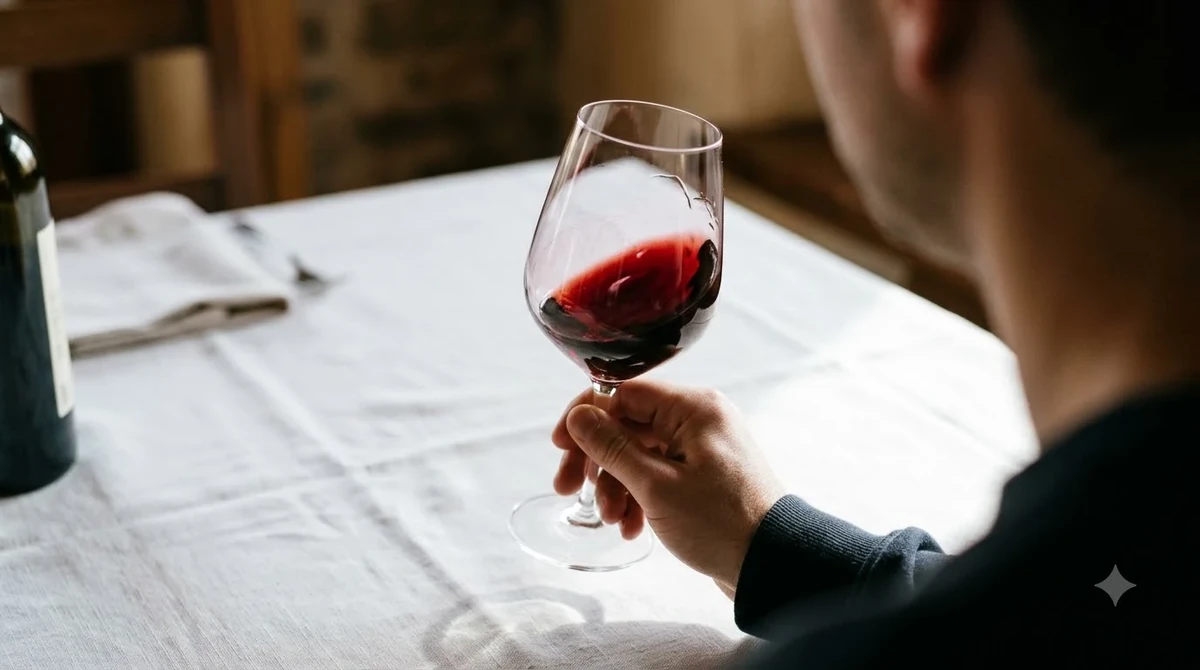
Nebbiolo is one of Italy’s most important red grapes, and it is known for delicate aromas paired with strong tannins. In Barbaresco, those tannins sit alongside medium-high acidity, so the wine feels firm and dry rather than soft.
According to Wine Folly’s Nebbiolo guide, the wine is bone-dry, medium-full in body and typically 13.5 to 15% ABV. Its primary flavors include cherry, rose, leather, anise and a clay-like earthiness. Those notes become more layered as the wine ages, with dried fruit and savory character taking over from the brighter fruit of a young bottle.
Young Barbaresco can taste tight and grippy, with sharp tannins that soften only after time in the bottle. That is why many people find the first few years of a bottle less rewarding than a well-aged one.
| Feature | What to expect in Barbaresco |
|---|---|
| Grape | Nebbiolo |
| Body | Medium-full, dry |
| Tannin and acidity | High tannin, medium-high acidity |
| Typical alcohol | About 13.5 to 15% ABV |
| Common aromas | Cherry, rose, leather, anise |
| Serving temperature | About 55 to 60°F (12 to 15°C) |
How Long to Age Barbaresco
Barbaresco is a wine that rewards cellaring. Wine Folly suggests a Nebbiolo-based red can be cellared for 10 years or more, and the tannins are a big reason for that patience. Over time the wine loses some of its harshness and gains a silkier texture and deeper aromas.
Not every bottle needs a decade. Younger examples can be enjoyed with food sooner, especially when they are decanted. Check the vintage on the label and ask the retailer or producer for a drinking window if you plan to keep a bottle for a special occasion.
Tip: A young Barbaresco benefits from decanting. Pour it into a decanter about an hour before serving, so the tannins and aromas have time to open.
How to Serve Gaja Barbaresco
Serve Barbaresco slightly cooler than room temperature. Around 55 to 60°F (12 to 15°C) keeps the aromas lifted without letting the tannins feel harsh. A wide-bowled red glass helps the perfume gather, and it gives the wine room to breathe as it warms in the glass.
Because the wine is firm, it works best with food. Pour generously but not too quickly, and let the glass sit for a few minutes between sips. The wine changes as it opens, so a bottle served over a long meal often tastes better at the end than at the start.
Food Pairings for Barbaresco
Barbaresco is built for food, and the right dish softens its tannins while lifting its fruit. The best matches usually have some fat or richness, since fat smooths out the grip of the wine.
Wine Folly suggests dishes with higher fat, such as creamy sauces or cheeses, to counteract the tannins, and it names truffle risotto and butternut ravioli as good examples. Roast beef, braised meats, hard aged cheeses and mushroom dishes also suit the wine well. Lighter fish or delicate salads are better served with a white or a rosé, because the tannins can overwhelm them.
How to Choose a Bottle
Start with the label. Barbaresco is the name of the zone, and the producer’s name tells you who made the wine. Vintage matters a great deal, because weather changes how much structure and fruit a given year produces. Look for information on the producer’s website or in a trusted wine guide before you buy a bottle for aging.
If you want to understand how a single producer fits into the wider wine world, the wine brands guide explains how to read a brand name and what it usually tells you about style and price tier. It is a useful starting point before you compare two or three bottles side by side.
Common Mistakes When Buying and Drinking Barbaresco
The most frequent mistake is opening a young bottle too early without giving it air. Nebbiolo’s tannins can taste tight and drying when the wine is cold and closed, and many drinkers blame the wine when a little time in a decanter would have made it more open and balanced.
Another mistake is serving the wine too warm. In a heated room, a Barbaresco can taste hot and heavy, with the alcohol standing out more than the fruit. Bringing the bottle down to the cool end of the serving range, around 55 to 60°F (12 to 15°C), keeps the aromas clear.
Buyers also sometimes overlook the vintage. Two bottles from the same producer can taste quite different in a cooler year and a warm one, so compare the year before choosing a bottle for a specific meal or for cellaring.
Barbaresco Compared With Other Nebbiolo Styles
Nebbiolo is grown across northern Piedmont, and the wines it makes vary with the soil, slope and winemaking. Barbaresco is usually seen as a more balanced, slightly earlier-drinking expression than the best-known Barolo, though the difference depends a great deal on the producer and the year.
When comparing bottles, focus on the same things you would use for any serious red: the vintage, the producer’s stated approach to oak and aging, and the serving advice on the label or the producer’s site. Those details tell you more about how a bottle will drink than the region name alone.
Frequently Asked Questions
What is the difference between Barbaresco and Barolo?
Both are made from Nebbiolo in Piedmont. Barbaresco is generally considered more approachable at a younger age, while Barolo is often described as more structured and slower to open. The two zones are close together, and their styles overlap enough that the producer and vintage matter as much as the name.
Does Barbaresco need to be decanted?
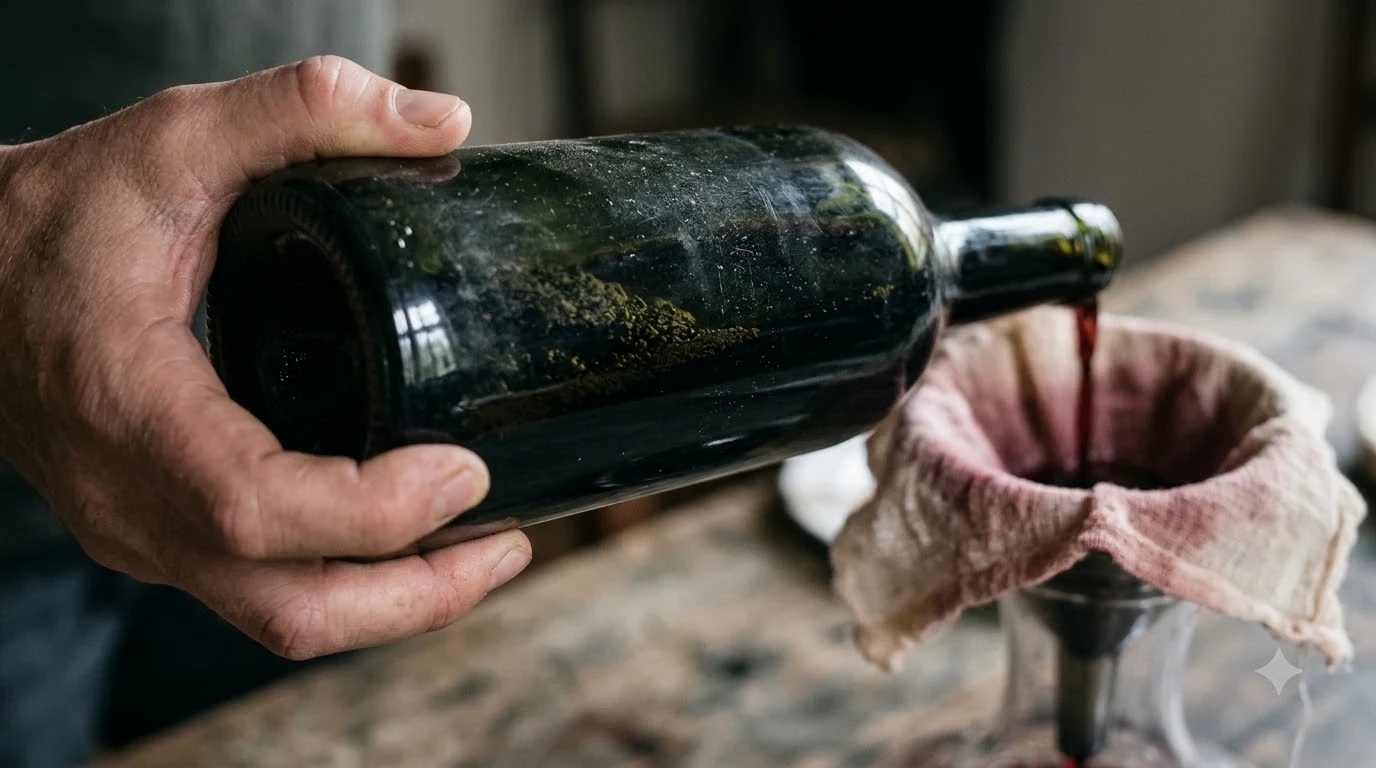
Young bottles benefit from decanting, often about an hour before serving. Older bottles can be sensitive, so pour them carefully and check for sediment before serving, which can collect in long-aged reds.
What food goes best with Barbaresco?
Richer dishes work best. Truffle risotto, butternut ravioli, roast beef, braised meats and aged cheeses all suit the wine. The fat in these foods softens the tannins and makes the fruit more noticeable.
How should Barbaresco be stored?
Keep the bottle in a cool, dark place with steady temperature and humidity, and lay it on its side if it has a cork. Serious collectors often use a wine fridge or cellar for long-term keeping.
Gaja Barbaresco rewards attention to vintage, serving temperature and food. Give a young bottle time in a decanter, serve it slightly cool and pair it with dishes that have some richness. For a wider look at how wine brands are organized, the A to Z Wineworks guide is another useful place to compare producers and styles.
More in Wine Brands
 Underwood Wine Price: Compare Bottles, Cans, and Pack SizesUpdated Nov 21, 2026
 Zenato Wine Price: Compare Styles and Choose the Right BottleUpdated Nov 21, 2026
 Zuccardi Wine Price: Compare Bottles and Find the Right RangeUpdated Nov 21, 2026
 Yellow Tail Moscato Review: Taste, Sweetness and Serving TipsUpdated Nov 21, 2026
 Wolf Blass Yellow Label Review: Choose Your Best StyleUpdated Nov 21, 2026
 Wolffer Estate Rose Review: Choose the Right Bottle for Your TableUpdated Nov 21, 2026