

We may earn a commission when you buy through links on this page, at no extra cost to you. Learn more.
Gaja wine comes from the Gaja estate in Barbaresco, in Italy’s Piedmont region, and the house is known for its serious, age-worthy Nebbiolo-based reds. The estate is based in the village of Barbaresco, one of the two famous Nebbiolo appellations of northern Italy alongside Barolo. Gaja is among the best-known names in Italian fine wine, and its bottles are usually bought for the cellar or for a special dinner rather than for everyday drinking.
This guide explains where Gaja wine comes from, what the grape and the region do to the wines, how the bottles taste and age, and how to serve and pair them. It draws on the estate’s own website and on reference material about Nebbiolo, so you can judge whether a Gaja bottle suits your plans.
What Gaja Wine Is
Gaja is a wine estate in Barbaresco, a small village in the Langhe hills of Piedmont. The estate’s address and contact details sit in the Barbaresco commune, and its official website is the most direct source for current releases. The estate is widely associated with the Barbaresco appellation, and its name has become a reference point for the style of the whole region.
Buyers who search for gaja wine are usually trying to decide whether the wine is worth the price and the wait. The short answer is that Gaja wines are built on the same grape that gives Barolo its reputation, so they reward patience. The sections below explain the grape, the region, the taste profile and how to make the most of a bottle.
Why Nebbiolo and the Langhe Matter
Most Gaja red wines are based on Nebbiolo, a thin-skinned red grape that grows mostly in Piedmont and is the grape behind both Barolo and Barbaresco. Reference material on the grape describes it as one of Italy’s most important red wine varieties, and says the Barolo region made it famous. Nebbiolo is a difficult grape to grow and a difficult grape to make into wine, because it ripens late and produces wines with high tannin and acidity.
That difficulty explains the price and the patience. A young Nebbiolo can taste tight, dry and grippy, with a flavour that opens only after several years. The Langhe hills give the grape cool nights and long autumns, which help it keep acidity while building the aromas that make the wine interesting. For a buyer, the lesson is simple: a Nebbiolo-based wine like the estate’s bottles is a long-term purchase, not a quick one.
What the Wines Taste Like
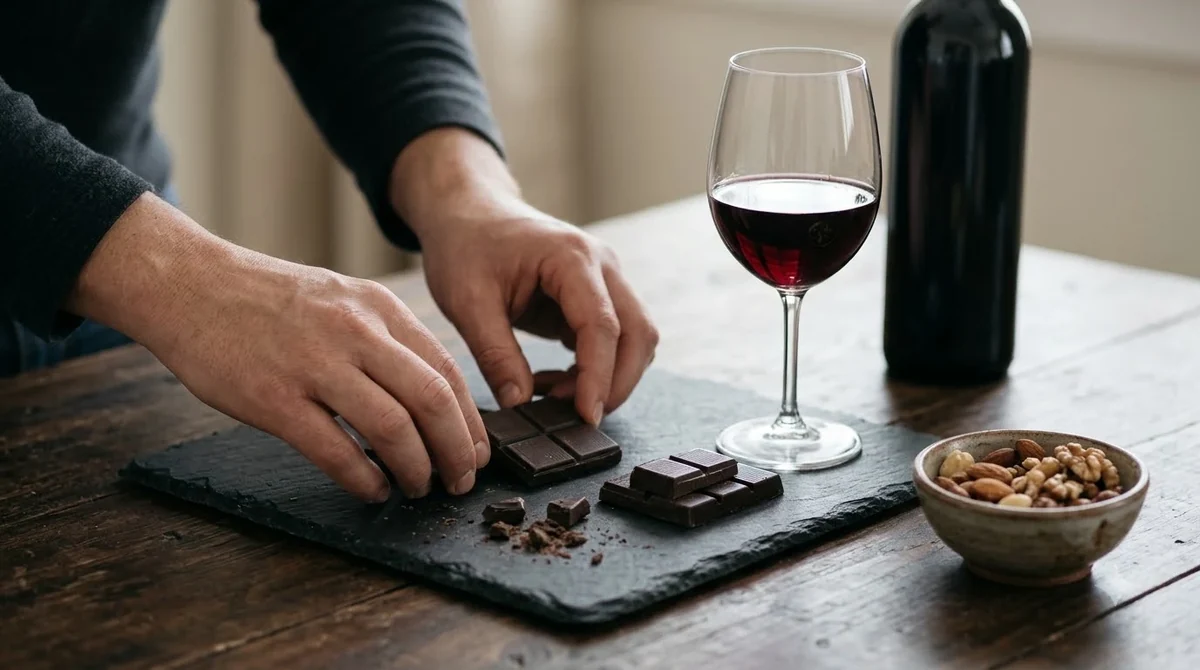
Reference material on Nebbiolo lists cherry, rose, leather, anise and clay-pot notes as its primary flavours, with delicate aromas and a bone-dry, medium-full body. Its tannins are strong, and its acidity is medium to high. The estate’s wines follow that pattern, with the exact balance depending on the vineyard, the vintage and the ageing.
When a bottle is young, the tannins dominate and the fruit can seem hidden. With time, the wine shows more perfume and a softer texture, and the flavours move towards dried roses, tar and earth. Drinkers who want an approachable red for the week may find a young Nebbiolo too firm, so it is better matched to a meal or to a bottle that has already been given time to settle.
| Element | What to expect (Nebbiolo, per reference) | What it means for buyers |
|---|---|---|
| Flavour | Cherry, rose, leather, anise, clay | Aromatic and savoury rather than jammy |
| Tannin | Strong, high | Needs food or time in the cellar |
| Acidity | Medium-high | Keeps the wine lively with rich dishes |
| Alcohol | About 13.5 to 15 percent ABV | Full-flavoured, but not overly heavy |
| Ageing | Cellaring for ten years or more | Best bought for a future occasion |
How to Serve and Age a Gaja Bottle
Reference material recommends decanting Nebbiolo for about an hour before serving, and serving it at 55 to 60 degrees Fahrenheit, or about 12 to 15 degrees Celsius, in a large aroma glass. Those numbers are a good starting point for a serious Barbaresco-style red, because the wine is best at a cool temperature that lets the aromas show without the alcohol feeling hot.
For ageing, the usual approach is to store the bottle in a cool, dark, steady place and leave it alone for years. Many people open a young bottle to learn the style, and then keep the rest for a special meal. If you are buying a bottle to drink soon, check the vintage and ask the seller about its recommended drinking window.
Tip: Pour a small amount first and let it sit in the glass for ten minutes. The change in aroma over that time shows how much the wine is still opening.
Food Pairings for Gaja Wine
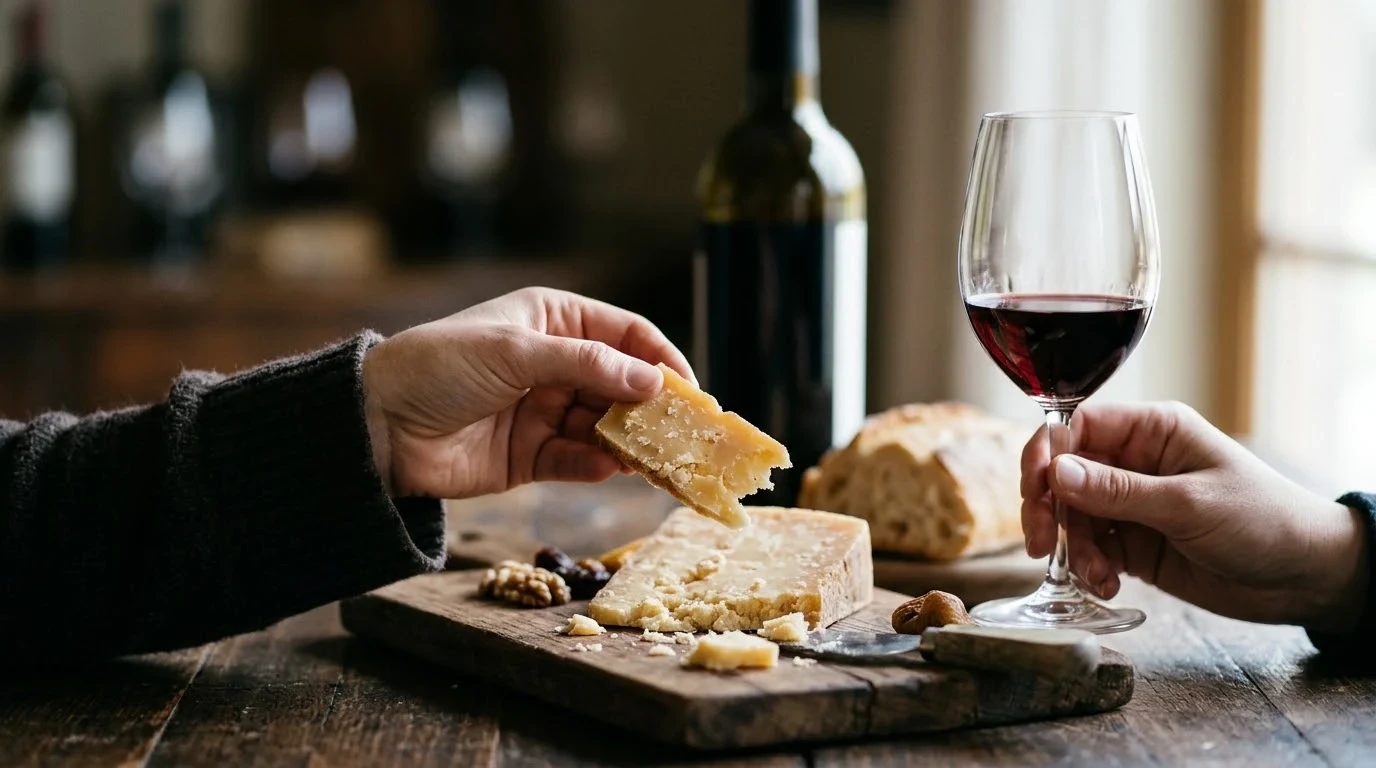
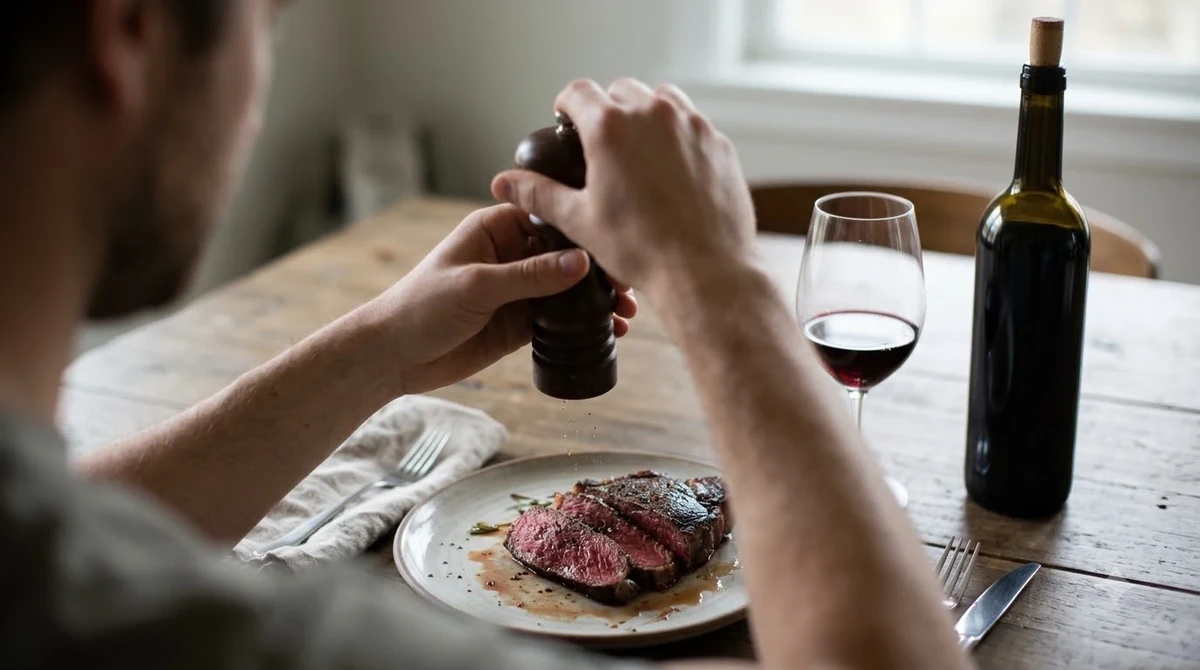
Nebbiolo’s firm tannins call for rich food with fat, which softens the grip of the wine. Cream sauces, aged cheeses and truffle-based dishes are classic partners, and they match the savoury, earthy notes of the wine. Butternut ravioli, mushroom risotto and roast meats with a rich sauce all work well.
Lighter food is a poorer match. Delicate fish and simple salads tend to be overwhelmed by the tannin and the body of a serious Nebbiolo, so save the bottle for a dish with some weight. If you are serving Gaja at a dinner with several courses, open the bottle early and let it breathe while the first course is served.
Who Gaja Wine Suits and Who Might Skip It
Gaja suits collectors, people who enjoy traditional Italian reds, and anyone who wants a wine to age and share with friends over a long dinner. It rewards drinkers who are curious about how a single grape can change across vineyards and vintages. It is less suited to shoppers who want a bright, fruit-first red for casual drinking, or who expect a fast result from a young bottle.
If you are exploring Italian reds more broadly, our wine brands guide lists producers by style, which helps when you want to compare a serious estate wine with more approachable bottles. If you are comparing a Gaja with other premium reds, our guides to spottswoode wine and pedernales wine cover other producers and styles, so you can see how a long-lived estate red differs from a more immediate one. Start with one bottle, note how it changes over an evening, and decide whether a second bottle is worth the wait. Keep the receipt or the label with the bottle, since the vintage and the producer’s notes are the details you will want when you revisit the wine years later.
Frequently Asked Questions
Where does Gaja wine come from?
Gaja is based in Barbaresco, a village in the Langhe hills of Piedmont in northern Italy. The estate’s wines are closely linked to the Barbaresco appellation.
What grape is used in Gaja wine?
Most of the estate’s serious reds are based on Nebbiolo, the grape behind Barolo and Barbaresco. The estate’s website lists its full range of grapes and wines.
Does Gaja wine need to age?
Nebbiolo-based wines are usually built to age, and reference material on the grape recommends cellaring for ten years or more. A young bottle can be opened after decanting, but it will show more complexity with time.
What food goes with Gaja wine?
Rich dishes work best, such as truffle risotto, butternut ravioli, aged cheeses and roast meat with a rich sauce. The fat in these dishes softens the firm tannins of Nebbiolo.
Gaja is a serious Piedmont estate that rewards patience and a good meal. If you enjoy traditional Italian reds, buy one bottle, decant it, and pair it with a rich dish to see how the grape behaves. The estate’s website is the best place to check current releases and the recommended drinking window for each wine.
More in Wine Brands
 Underwood Wine Price: Compare Bottles, Cans, and Pack SizesUpdated Nov 21, 2026
 Zenato Wine Price: Compare Styles and Choose the Right BottleUpdated Nov 21, 2026
 Zuccardi Wine Price: Compare Bottles and Find the Right RangeUpdated Nov 21, 2026
 Yellow Tail Moscato Review: Taste, Sweetness and Serving TipsUpdated Nov 21, 2026
 Wolf Blass Yellow Label Review: Choose Your Best StyleUpdated Nov 21, 2026
 Wolffer Estate Rose Review: Choose the Right Bottle for Your TableUpdated Nov 21, 2026