

We may earn a commission when you buy through links on this page, at no extra cost to you. Learn more.
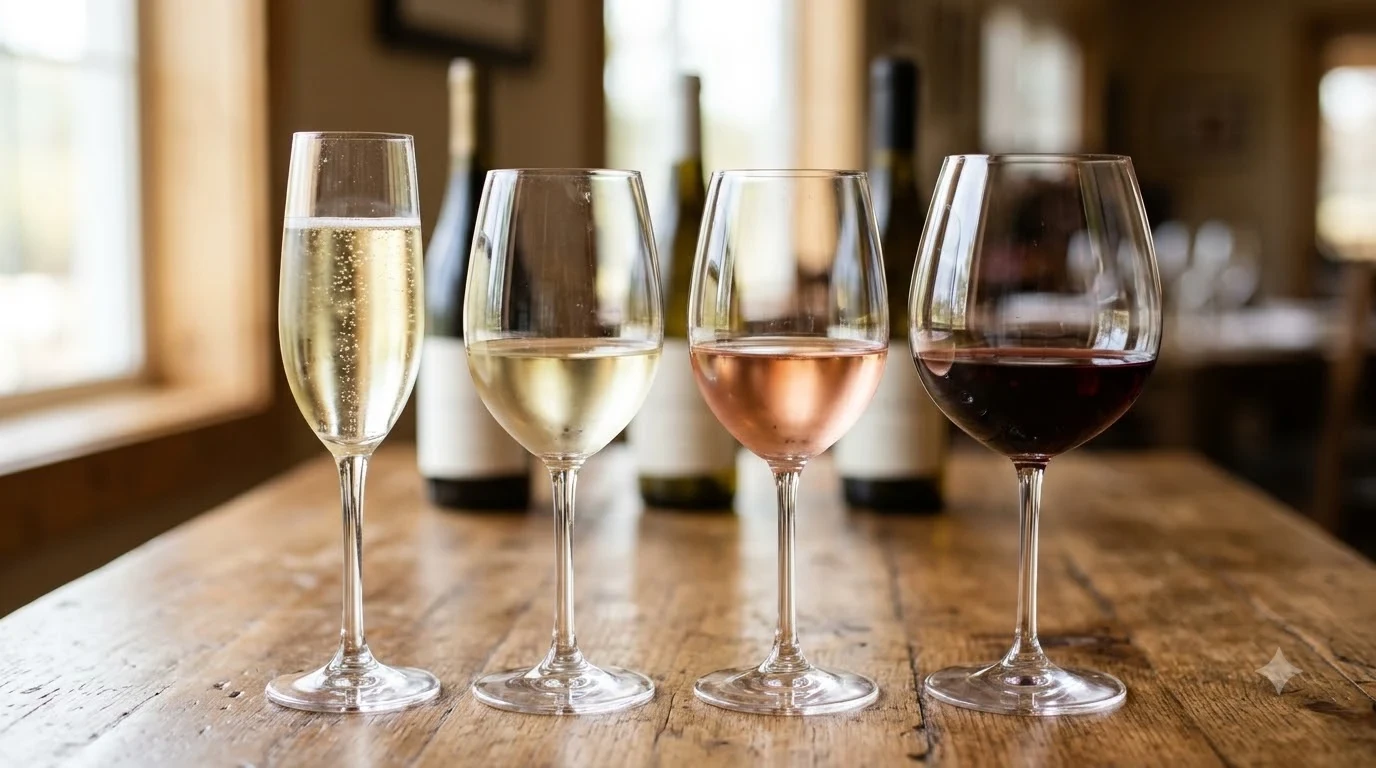
Chalk Hill white wine is a Sonoma County wine known primarily for its expressive Chardonnay and Sauvignon Blanc, combining ripe orchard and tropical fruit, refreshing acidity, and distinctive mineral character. Produced in California’s Chalk Hill region, these wines reflect a distinctive landscape of pale volcanic soils, varied vineyard elevations, and a relatively warm growing climate. Chardonnay typically offers richer apple, pear, citrus, and toasted-oak flavors, while Sauvignon Blanc emphasizes grapefruit, lime, tropical fruit, and brighter acidity.
Chalk Hill is an interesting name for wine drinkers exploring California whites because it describes both a recognized winegrowing area and an established winery. The distinction matters: wines from the Chalk Hill AVA can come from different producers, while Chalk Hill Estate wines represent the particular vineyard and winemaking approach of the estate. Understanding the grapes, vineyard conditions, and production choices makes it easier to select a bottle that suits your preferred style, whether you enjoy creamy Chardonnay or crisp, aromatic Sauvignon Blanc.
What Makes the Chalk Hill Wine Region Distinctive?
Chalk Hill white wine comes from a distinctive corner of Sonoma County where volcanic soils, varied elevations, and a warmer regional climate influence how white grapes develop. The region is especially associated with Chardonnay and Sauvignon Blanc, two varieties that express its combination of ripe fruit and refreshing acidity.
The Chalk Hill American Viticultural Area was established in 1983 in northeastern Sonoma County. It forms part of the larger Russian River Valley AVA, but its growing conditions differ from many cooler locations within that broader region. According to Sonoma County Tourism, Chalk Hill has more than 1,400 vineyard acres and five wineries. Its landscape extends from the Windsor area into rolling hills and higher vineyard sites, with elevations reaching approximately 1,600 feet.
The region’s name comes from its pale, chalk-like soil rather than actual limestone chalk. The ground contains quartzite-rich volcanic tuff and ash, with other soil components that vary across the landscape. These differences influence drainage, water availability, and vine development. Instead of producing one identical expression of Chardonnay throughout the appellation, individual vineyard sites can contribute different combinations of ripeness, texture, aromatic intensity, and freshness.
Climate is another important influence. Chalk Hill is somewhat warmer than much of the Russian River Valley, with less persistent fog and moderating breezes. That combination helps Chardonnay and Sauvignon Blanc develop ripe fruit character without automatically losing all their freshness. Site exposure, elevation, soil composition, and vineyard management still create meaningful differences between individual wines.
Chardonnay is particularly important to the region’s identity, but Sauvignon Blanc deserves equal attention from people who prefer aromatic white wines. Cabernet Sauvignon, Cabernet Franc, and Merlot are also grown in the appellation, demonstrating that Chalk Hill is not exclusively a white-wine region. For an overview of the area’s broader red-wine identity, see our guide to chalk hill red wine.
The official Sonoma County Chalk Hill appellation overview provides additional information about the region’s geography, grape varieties, and winegrowing landscape.
Chalk Hill Chardonnay: Rich Fruit and Balanced Acidity
Chalk Hill Chardonnay is generally the best starting point for wine drinkers who enjoy fuller-bodied California whites with ripe orchard fruit, creamy texture, and integrated oak. Depending on the vineyard and winemaking approach, the wine can range from relatively fresh and citrus-driven to rich, rounded, and layered with baking-spice flavors.
Typical aromas include green apple, ripe pear, peach, lemon curd, and occasionally pineapple or melon. Barrel-aged examples can introduce vanilla, toasted bread, hazelnut, baking spices, and marshmallow. These additional aromas come from winemaking choices rather than simply from the grape variety. Oak selection, fermentation conditions, lees contact, and malolactic fermentation all help determine the finished style.
Chalk Hill Estate has a particularly strong association with Chardonnay. The winery was founded in 1972, and its original Founder’s Block included 11 acres of Chardonnay. Its long-term interest in the grape includes clonal research conducted with UC Davis. The winery reports that its estate includes 23 Chardonnay clones, including its proprietary Clone 97.
That clonal diversity gives winemakers different raw materials to work with. Some Chardonnay selections may contribute aromatic intensity, while others help build texture, structure, or fruit concentration. The resulting wine is a product of vineyard decisions as much as cellar technique.
Estate Chardonnay versus Sonoma Coast Chardonnay
Chalk Hill Estate offers different Chardonnay expressions, and understanding their vineyard sources helps explain why two bottles from the same producer may taste different. Its Estate Chardonnay is associated with the winery’s own Chalk Hill vineyards, while its Sonoma Coast Chardonnay uses fruit from a broader collection of Sonoma growing sites.
The winery’s 2024 Sonoma Coast Chardonnay lists Fuji apple, lemon curd, honeydew melon, toasted oak, baking spices, flinty minerality, and nutmeg among its characteristics. Its published wine data gives an alcohol level of 14.5%, acidity of 5.6 g/L, and a pH of 3.62.
By comparison, the 2024 Estate Chardonnay has a richer aromatic description featuring apple pie, baked bread, toasted marshmallow, vanilla cream, lemon curd, poached pear, hazelnut, and cinnamon. Its published alcohol level is 15%, with acidity of 5.41 g/L and a pH of 3.66. These figures illustrate how individual bottlings can differ even when the grape variety and producer are the same.
| Characteristic | 2024 Sonoma Coast Chardonnay | 2024 Estate Chardonnay |
|---|---|---|
| Grape | Chardonnay | Chardonnay |
| Alcohol | 14.5% | 15% |
| Acidity | 5.6 g/L | 5.41 g/L |
| pH | 3.62 | 3.66 |
| Fruit profile | Apple, melon, lemon | Pear, apple, lemon |
| Additional flavors | Toasted oak, nutmeg, baking spices | Vanilla, hazelnut, cinnamon |
| Overall impression | Bright and approachable | Rich and creamy |
The comparison is useful because it demonstrates that the word Chardonnay alone does not tell you exactly what a bottle will taste like. Vineyard source and cellar treatment influence the balance between fruit, acidity, oak, and texture. Vintage conditions also affect the final result, so these figures should be understood as specific examples rather than permanent characteristics of every Chalk Hill Chardonnay.
Chalk Hill Sauvignon Blanc: Citrus, Tropical Fruit, and Freshness
Chalk Hill Sauvignon Blanc is a good choice for drinkers who prefer aromatic whites with noticeable acidity, citrus flavors, and a lively finish. Compared with the richer Chardonnay style, Sauvignon Blanc generally emphasizes freshness, fruit definition, and herbal or mineral nuances.
Common tasting characteristics include grapefruit, lime, gooseberry, passion fruit, pineapple, honeydew melon, guava, and cucumber. Some bottles may also show white flowers, fresh herbs, or subtle oak. The precise combination depends on grape ripeness, vineyard exposure, fermentation choices, and the amount of time the wine spends on its lees.
The Chalk Hill Estate 2024 Sauvignon Blanc is an informative example of the producer’s approach. Its composition is 82% Sauvignon Blanc and 18% Sauvignon Gris. The inclusion of Sauvignon Gris adds another aromatic and textural dimension rather than relying entirely on the primary grape variety.
The winery reports 14.5% alcohol, 6.32 g/L acidity, and a pH of 3.45 for this bottling. Its tasting description highlights passion fruit, honeydew melon, pineapple, guava, and grapefruit on the nose, followed by lime, gooseberry, citrus, and cucumber on the palate. These figures and flavors show how a relatively ripe California Sauvignon Blanc can still retain a clearly refreshing profile.
How Sauvignon Blanc winemaking affects flavor
Fermentation vessels play an important role in shaping the finished wine. Chalk Hill Estate uses a combination of stainless steel and French oak for its Sauvignon Blanc. Stainless steel helps preserve fresh fruit aromas, while carefully selected oak can contribute additional texture and complexity.
Lees aging is another important technique. Lees are the remaining yeast cells and other fine particles left after fermentation. Allowing wine to rest on these materials can create a fuller mouthfeel, while regular stirring, known as bâtonnage, encourages interaction between the wine and the lees.
These techniques explain why Chalk Hill Sauvignon Blanc should not automatically be compared with the extremely light, sharply grassy Sauvignon Blanc styles associated with some other regions. Its tropical fruit, oak influence, and lees-derived texture can create a more substantial white wine while maintaining a recognizable Sauvignon Blanc freshness.
For readers comparing different white-wine categories, the broader selection in Wine Brands can provide useful context for understanding grape varieties, producer styles, and regional differences.
How to Recognize Quality and Choose the Right Bottle
Choosing Chalk Hill white wine becomes easier when you consider the grape, vineyard source, production method, and overall balance rather than relying on the region name alone. A good bottle should show recognizable fruit, enough acidity to maintain freshness, and a finish that does not feel dominated by oak or alcohol.
Start by deciding whether you prefer Chardonnay or Sauvignon Blanc. Chardonnay is usually the better option for someone who enjoys ripe apple, pear, lemon, vanilla, and a rounded texture. Sauvignon Blanc is generally more appropriate for someone who wants grapefruit, lime, tropical fruit, and more pronounced freshness.
Next, consider the difference between estate-grown and broader regional sourcing. An estate wine reflects grapes associated with a particular winery’s vineyard holdings, allowing the producer to exercise direct control over vineyard decisions. A wine labeled with a larger regional designation can draw on fruit from multiple sites, depending on the producer’s sourcing and labeling practices.
The distinction does not mean one category is automatically better. Estate production may offer a more specific expression of a property, while broader sourcing can give a winemaker greater flexibility to combine different vineyard characteristics. The best choice depends on whether you value a particular vineyard identity or a consistent regional house style.
Alcohol and acidity figures can also help you understand the likely drinking experience. For example, the 2024 Chalk Hill Sauvignon Blanc’s 14.5% alcohol and 6.32 g/L acidity suggest a wine with substantial ripeness alongside noticeable freshness. Its pH of 3.45 provides another indication of its acidic structure. By contrast, the 2024 Estate Chardonnay has 15% alcohol and a pH of 3.66, supporting a different overall impression.
Oak is worth considering separately. French oak fermentation or aging can contribute vanilla, toast, spice, and a broader mouthfeel. However, a wine with oak influence should still retain identifiable fruit and sufficient freshness. Excessive oak character can make a white wine feel heavy or obscure the grape’s natural aromas.
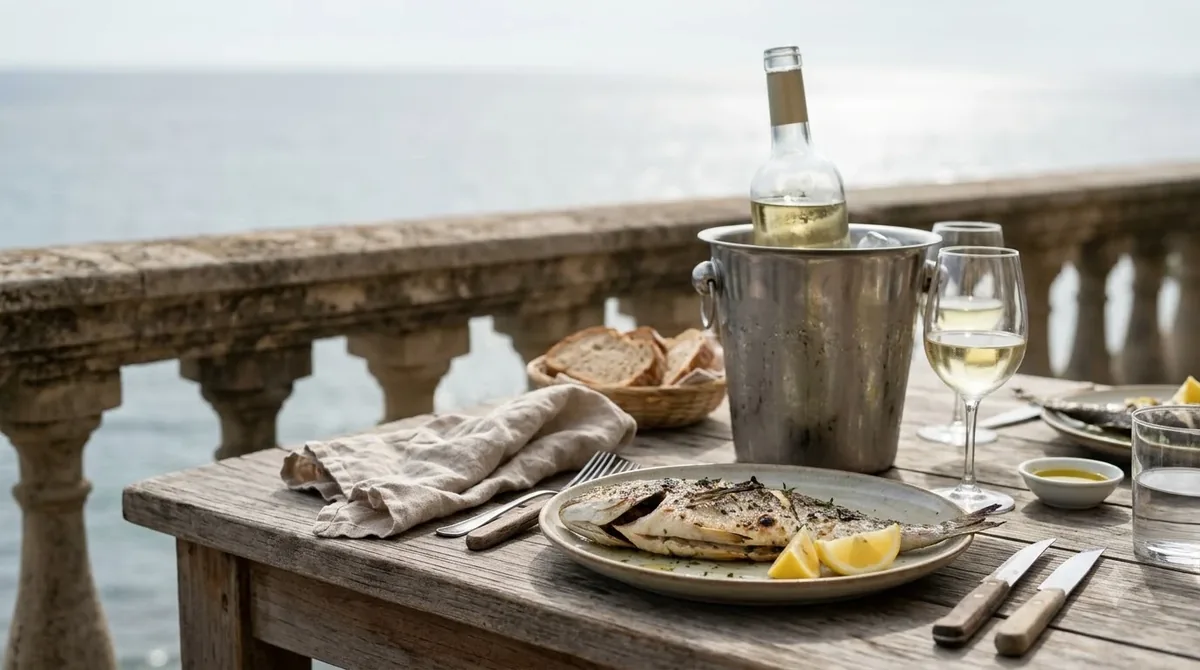
Tip: If you are buying Chalk Hill white wine for a mixed group, Sauvignon Blanc is usually the more versatile starting point for fresh seafood, salads, and lighter dishes. Choose Chardonnay when the meal includes roast chicken, mushrooms, buttery sauces, or richer seafood preparations.
Another useful comparison is the grape variety itself. Sauvignon Blanc generally has higher acidity than Chardonnay, so it often tastes fresher and more citrus-driven. Chardonnay has medium acidity and can feel rounder, particularly when oak fermentation and lees aging contribute additional weight.
Drinkers who already enjoy other California producers may also appreciate comparing regional styles. For example, readers exploring baron philippe de rothschild wine can learn how producer identity and grape selection influence the differences between wines from separate regions.
Best Food Pairings for Chalk Hill White Wine
Chalk Hill white wine works well with foods that complement its fruit, acidity, and texture. Sauvignon Blanc generally suits lighter, citrus-focused dishes, while Chardonnay can handle richer preparations with butter, cream, roasted vegetables, and poultry.
Food pairings for Chardonnay
Chardonnay’s medium acidity and fuller texture make it particularly useful with roast chicken, grilled salmon, lobster, crab, scallops, creamy pasta, and mushroom dishes. The richness of a barrel-influenced Chardonnay can complement butter-based sauces without making the overall pairing feel too sharp.
Roast chicken with herbs is a dependable option because the savory skin and tender meat provide enough flavor to match the wine’s fruit and texture. For seafood, grilled salmon with lemon butter or scallops with a light cream sauce can work especially well. Mushroom risotto is another strong match because earthy flavors complement Chardonnay’s baked bread, hazelnut, and toasted-oak characteristics.
Soft cheeses such as Brie and Camembert are also suitable choices. Their creamy texture complements a rounded Chardonnay, while mild cheeses avoid overwhelming the wine’s more delicate fruit aromas.
Food pairings for Sauvignon Blanc
Sauvignon Blanc’s higher acidity makes it a natural partner for foods with citrus, herbs, and fresh ingredients. Oysters, shrimp, grilled white fish, crab salad, ceviche, goat cheese, and green vegetable dishes are all useful starting points.
For example, grilled shrimp with lime and cilantro can complement the grapefruit and tropical fruit character of Chalk Hill Sauvignon Blanc. A salad with cucumber, fresh herbs, citrus dressing, and goat cheese offers a similar combination of freshness and acidity. The wine can also work with sushi and lightly seasoned white fish.
Acidity matters particularly when matching wine with acidic food. A dish containing lemon juice, vinegar, or tomato should ideally be paired with a wine that has equal or higher perceived acidity. Otherwise, the wine may taste flat beside the food.
Pairings to approach carefully
Very spicy foods can make higher-alcohol wines seem hotter, so heavily chili-seasoned dishes may be difficult with a ripe Chalk Hill bottling. Similarly, extremely sweet desserts can make a dry white wine taste sour or thin. If dessert is the main attraction, choose a wine at least as sweet as the dish.
Strongly flavored sauces can also overpower delicate seafood and lighter Sauvignon Blanc. A simple preparation with herbs, citrus, olive oil, or butter usually allows the wine’s characteristics to remain noticeable.
For a simple dinner menu, consider Sauvignon Blanc with shrimp and citrus salad, followed by Chardonnay with roast chicken and mushroom risotto. The progression moves from the fresher wine to the fuller-bodied one, giving each bottle an appropriate place at the table.
Serving Temperature, Glassware, and Storage
Serving Chalk Hill white wine at the right temperature helps preserve its aromas and gives its acidity and texture the opportunity to show clearly. Light, crisp whites generally benefit from colder service, while fuller-bodied Chardonnay is more expressive when served slightly warmer.
For Sauvignon Blanc, aim for approximately 45–50°F. This temperature range keeps citrus and tropical aromas lively without making the wine taste overly cold. If the wine is served directly from a very cold refrigerator, allowing it to warm briefly in the glass can reveal additional fruit and mineral notes.
For fuller-bodied Chalk Hill Chardonnay, approximately 50–55°F is a useful target. Excessively cold service can mute its pear, apple, vanilla, and toasted-oak aromas. Allowing the wine to warm gradually can reveal more texture and complexity.
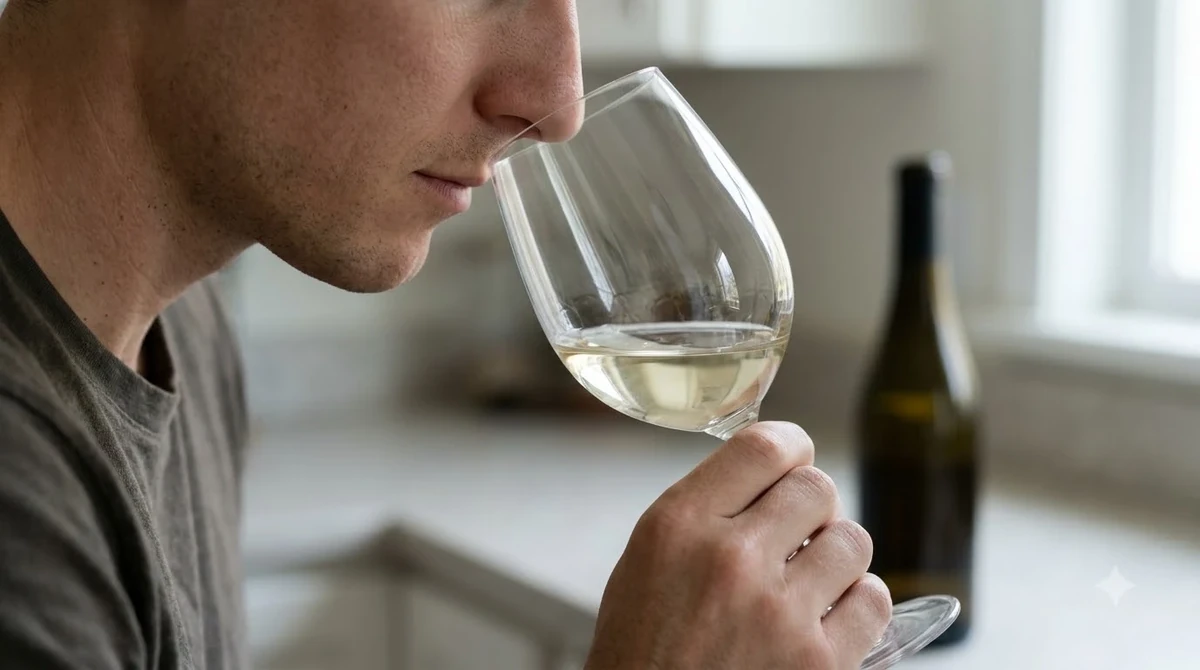
Glassware also influences the experience. A medium-sized white wine glass works well for Sauvignon Blanc because it concentrates fresh fruit and citrus aromas. Chardonnay benefits from a slightly broader bowl, which gives its fuller texture and layered aromas more room to develop.
A standard wine pour is approximately 5 ounces, and a 750 ml bottle provides about five standard glasses. This makes one bottle suitable for a small dinner gathering or a tasting with several different food courses.
Storage is equally important. Keep unopened bottles in a cool, dark location with a relatively stable temperature. A cellar temperature near 55°F is a useful target, and bottles with natural cork closures should generally be stored on their sides to help keep the cork from drying out.
Once opened, reseal the bottle and place it in the refrigerator. Most still white wines remain in good drinking condition for approximately three to five days, although aromatic freshness gradually declines. A wine stopper can reduce oxygen exposure, and removing the bottle from the refrigerator shortly before serving helps bring it back to the appropriate temperature.
For longer storage, avoid locations near ovens, sunny windows, or heating equipment. Repeated temperature changes can affect wine quality, even when the bottle remains unopened. Chardonnay with greater structure may develop differently from a fresh Sauvignon Blanc, but both benefit from consistent storage conditions.
It is also useful to distinguish between serving temperature and storage temperature. A bottle kept near 55°F for storage should be chilled further before serving as Sauvignon Blanc. A fuller Chardonnay needs less chilling, but should still be cooler than typical room temperature.
Frequently Asked Questions
Is Chalk Hill white wine made only from grapes grown in California?
Yes, the Chalk Hill AVA is located in Sonoma County, California, and its regional wines are associated with grapes grown in that American appellation. The federal American Viticultural Area system establishes geographic boundaries for wine labeling. A wine carrying an AVA designation must meet the applicable grape-origin requirements, including the rule that at least 85% of its grapes come from the named AVA.
Is Chalk Hill an official American wine appellation?
Yes. Chalk Hill received official AVA recognition in 1983. The American Viticultural Area system is administered by the Alcohol and Tobacco Tax and Trade Bureau (TTB), which establishes geographic boundaries for recognized winegrowing regions. An AVA designation identifies grape-growing origin rather than guaranteeing a particular quality level or winemaking style.
Does Chalk Hill white wine contain sulfites?
Most commercially produced wines contain some sulfites, which can occur naturally during fermentation and may also be added during winemaking. In the United States, wines containing at least 10 parts per million of sulfur dioxide must carry the applicable sulfite declaration. The exact amount varies by wine and production method.
Can Chalk Hill white wine be used for cooking?
Yes. Dry Chardonnay can work well in cream sauces, mushroom risotto, and pan sauces for poultry. Sauvignon Blanc is particularly useful in seafood preparations, herb-based sauces, and dishes that benefit from citrus-like acidity. For cooking, use a wine with a flavor profile you would enjoy drinking rather than relying on a bottle with obvious faults.
Is Chalk Hill Chardonnay suitable for bottle aging?
Some structured Chalk Hill Estate Chardonnay bottlings have the concentration and acidity to develop additional complexity in the bottle. The winery has described its Estate Chardonnay as age-worthy, reflecting its approach to native yeast fermentation, French oak aging, and vineyard selection. The ideal aging period depends on the specific bottling, vintage, and storage conditions rather than the Chardonnay designation alone.
Chalk Hill white wine offers two distinctive styles for Sonoma wine enthusiasts: Chardonnay with ripe orchard fruit, creamy texture, and oak complexity, and Sauvignon Blanc with tropical fruit, citrus, and refreshing acidity. Understanding the difference between these grapes, their vineyard sources, and their winemaking methods makes choosing the right bottle much easier. Whether you are planning a seafood dinner or serving a richer meal with roast chicken, Chalk Hill provides an appealing range of California white wines to explore.
More in Wine Brands
 Is Sterling Wine Good? How to Choose a Bottle Worth BuyingUpdated Nov 21, 2026
 Is Mateus Rose Good? Taste, Sweetness and Food Pairing ExplainedUpdated Nov 21, 2026
 Is Orin Swift Wine Good? How to Choose the Right BottleUpdated Nov 21, 2026
 Is Penfolds Wine Good? How to Choose the Right BottleUpdated Nov 21, 2026
 Is J Lohr Wine Good? What to Know Before You BuyUpdated Nov 21, 2026
 Is Hardys Wine Good? How to Choose the Right BottleUpdated Nov 21, 2026