

We may earn a commission when you buy through links on this page, at no extra cost to you. Learn more.
When comparing cabernet sauvignon vs rioja, you are contrasting a single global grape variety known for full-bodied dark fruit and firm tannins with a northern Spanish wine region whose Tempranillo-based reds emphasize savory spice, leather, and oak aging. Cabernet Sauvignon typically delivers higher alcohol, deeper color, and concentrated black currant notes, while red Rioja ranges from bright, cherry-driven young bottles to silky, vanilla- and tobacco-scented Gran Reservas. Choosing between them comes down to whether you want bold, plush fruit intensity or structured, earth-and-oak complexity at the table.
Walking down a wine aisle, it is easy to treat these two classics as interchangeable reds for a steak dinner, yet they represent fundamentally different traditions in winemaking. One is a specific grape planted from Bordeaux to Napa Valley, while the other is a legally protected Spanish appellation defined by its indigenous grapes and strict barrel-aging rules. Understanding how they differ in grape genetics, regional climate, oak treatment, and food affinity makes picking the right bottle effortless.
What It Is: Grape Variety vs. Spanish Appellation
The core distinction in the cabernet sauvignon vs rioja matchup is taxonomy: Cabernet Sauvignon is a specific red wine grape variety, whereas Rioja is a geographic Denominación de Origen Calificada (DOCa) in northern Spain. While Cabernet Sauvignon can be grown and bottled anywhere in the world under its varietal name, authentic Rioja must be produced within designated zones along the Ebro River using approved local grapes.
According to Wine Folly’s Cabernet Sauvignon guide, the grape is a natural cross between Cabernet Franc and Sauvignon Blanc that originated in Bordeaux, France. It features thick skins and small berries, traits that yield deeply pigmented wines packed with tannins and high concentration. Because it adapts well to diverse climates, winemakers from California to South Australia bottle it either as a single-varietal wine or as the backbone of classic Bordeaux-style blends.
Rioja, by contrast, takes its name from its home territory in Spain rather than a single cultivar. Red grapes account for more than ninety percent of Rioja vineyard plantings, with native Tempranillo serving as the dominant grape. Winemakers frequently blend Tempranillo with smaller proportions of Garnacha, Graciano, and Mazuelo to build aromatic lift, acidity, and color, though Rioja also produces white wines from Viura and rosés from Garnacha.
| Feature | Cabernet Sauvignon | Red Rioja (DOCa) |
|---|---|---|
| Classification Type | Single red grape variety | Protected Spanish wine region (DOCa) |
| Primary Grape | Cabernet Sauvignon (often blended with Merlot or Cabernet Franc) | Tempranillo (often blended with Garnacha, Graciano, or Mazuelo) |
| Core Fruit Profile | Black currant, black cherry, blackberry | Red cherry, plum, dried fig, dark berries |
| Signature Oak & Savory Notes | Cedar, graphite, baking spices, green bell pepper | Vanilla, dill, coconut, tobacco, leather, dried herbs |
| Body & Tannin Structure | Full-bodied with medium-high to high tannins | Medium- to full-bodied with medium to high tannins |
| Typical ABV Range | 13.5% to 15% ABV | Moderate to full alcohol depending on zone and style |
| Ideal Serving Temperature | 60°F to 68°F (15°C to 20°C) | 55°F to 64°F (12°C to 18°C), slightly cooler for young styles |
Flavor and Styles: Dark Power vs. Savory Oak
Cabernet Sauvignon leans toward bold, dark-fruited intensity and structural grip, while red Rioja emphasizes red-to-dark berry fruit layered with savory spice and extended oak maturation. Even when both wines spend time in barrel, their aromatic signatures diverge sharply because of grape chemistry and cellar tradition.
In a glass of Cabernet Sauvignon, primary flavors center on black cherry, black currant, and blackberry. Depending on climate and vineyard pruning, the grape also carries naturally occurring compounds called methoxypyrazines that impart subtle notes of green bell pepper, green peppercorn, or bay leaf. French oak aging typically layers cedar, graphite, and baking spices over its dense tannic frame, creating a wine that feels expansive and mouth-coating.
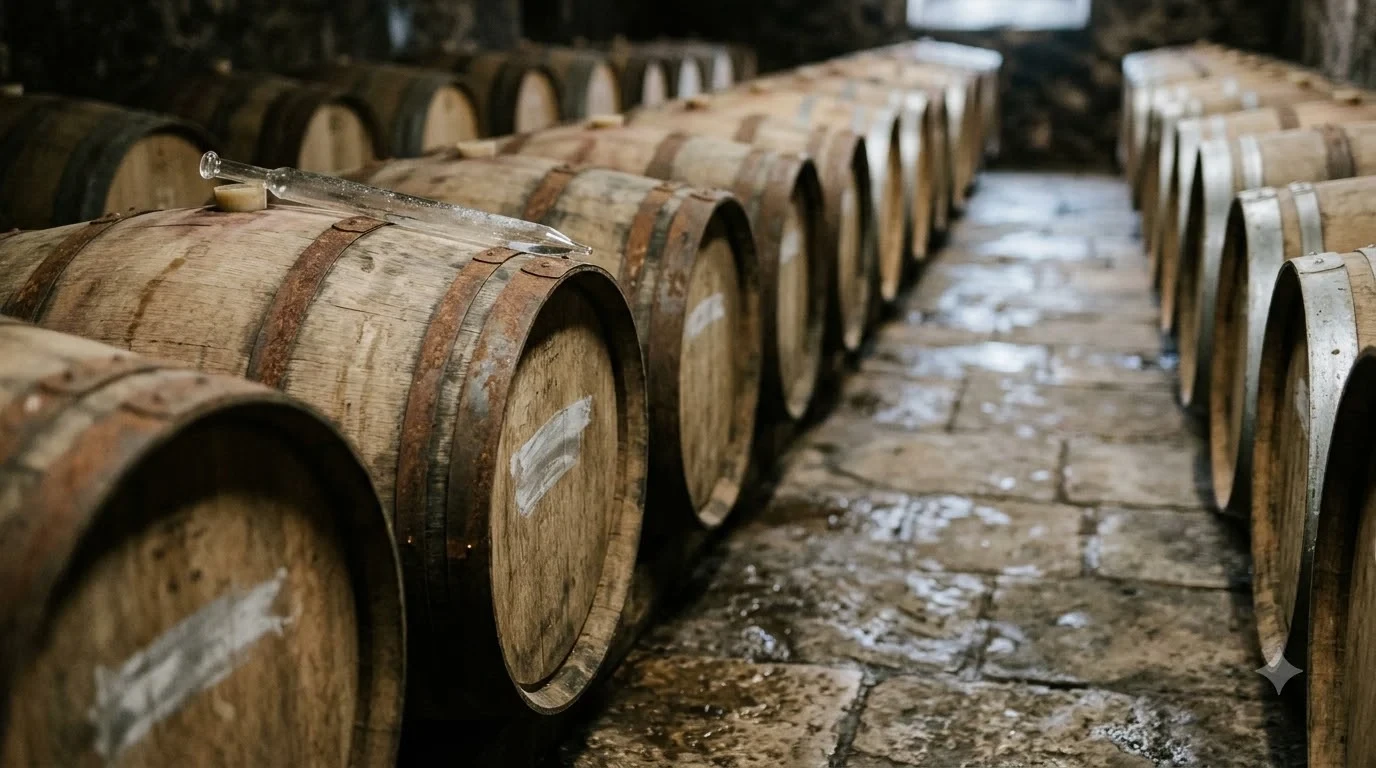
Red Rioja builds its personality around Tempranillo’s savory elegance and a regulated aging system. As editors at VinePair’s Rioja primer explain, bottles are categorized into four official tiers: Genérico (or Joven), Crianza, Reserva, and Gran Reserva. Genérico bottles see little to no oak and highlight juicy red fruit, whereas Crianza spends at least one year in barrel to pick up gentle spice. Reserva and Gran Reserva undergo prolonged barrel and bottle maturation—Gran Reserva requires at least five total years of aging—transforming plum and cherry notes into complex aromas of vanilla, coconut, dill, leather, and sweet tobacco, especially when aged in traditional American oak.
Where It Grows: Global Benchmarks vs. The Ebro Valley
Cabernet Sauvignon thrives across major wine regions on nearly every continent, whereas authentic Rioja comes exclusively from a roughly hundred-kilometer stretch along northern Spain’s Ebro River. Geography shapes each wine’s balance between ripeness, acidity, and mineral tension.
For Cabernet Sauvignon, benchmark terroirs illustrate how climate shifts style. On Bordeaux’s Left Bank—specifically the gravelly soils of the Médoc and Graves—cooler maritime conditions yield savory, cedar-driven wines built for decades in the cellar. In California’s Napa Valley, warmer sunshine produces riper, plush bottles with lush dark fruit and higher alcohol. Meanwhile, South Australia’s Coonawarra adds distinct white pepper and herbal nuances, and Chile’s Maipo Valley balances warm Andean days with cool Pacific breezes for vibrant blackberry and spice character.
DOCa Rioja spans three autonomous Spanish communities—La Rioja, the Basque Country, and Navarre—and is divided into three distinct sub-zones. Rioja Alta and Rioja Alavesa sit at higher elevations with calcareous clay soils and cooling Atlantic influences, producing aromatic, high-acid wines capable of aging twenty years or more. Further east, Rioja Oriental experiences a warmer, drier Mediterranean climate with iron-rich clay soils where Garnacha flourishes alongside Tempranillo, yielding riper fruit and fuller body. Many classic producers blend fruit across zones, though single-village and single-vineyard labels have gained prominence under modern DOCa rules.
How to Serve: Temperature, Glassware, and Decanting
Both wines reward slightly cool cellar temperatures and a bit of air, though youthful Cabernet Sauvignon generally demands warmer service and longer decanting than delicate aged Rioja. Serving either bottle at modern heated room temperature dulls its aromatic nuance and exaggerates alcohol.
Cabernet Sauvignon shows best between 60°F and 68°F (15°C to 20°C) in an oversized Bordeaux-style bowl that concentrates dark fruit aromas while softening firm tannins. Because young Cabernet carries heavy tannic structure, decanting it for about an hour before dinner helps the tight fruit open up. If you enjoy exploring structured reds, comparing these serving habits alongside guides to barolo vs cabernet sauvignon reveals how much tannin level dictates aeration time.
Red Rioja prefers slightly cooler temperatures depending on its aging tier. Young Genérico and Crianza bottles shine between 55°F and 60°F (12°C to 15°C), preserving fresh cherry acidity, while mature Reserva and Gran Reserva bottles open gracefully around 61°F to 64°F (16°C to 18°C). Younger Crianzas and Reservas benefit from 30 to 60 minutes in a decanter, but fragile Gran Reservas fifteen years or older should only be decanted briefly to separate fine sediment before pouring.
Tip: Put a room-temperature bottle of Cabernet Sauvignon or Rioja in the refrigerator for 20 minutes before opening so the alcohol stays crisp and balanced instead of tasting hot.
Food Pairing: Matching Weight and Savory Notes
Cabernet Sauvignon excels alongside richly marbled meats and peppery reductions, while Rioja’s brighter acidity and earthy spice make it remarkably versatile with roasted meats, mushrooms, and cured charcuterie. Matching the protein fat and seasoning intensity in your dish to each wine’s tannin profile keeps both food and wine in harmony.
High tannins in Cabernet Sauvignon bind naturally to proteins and dietary fats, cleansing the palate after every bite of grilled ribeye, prime rib, braised short ribs, or lamb chops. Dishes accented with cracked black pepper, rosemary, or savory pan sauces echo the grape’s natural cedar and herbal undertones. If you prefer herbal, medium-bodied alternatives for grilled steak, browsing cabernet sauvignon vs carmenere offers another helpful benchmark.
Rioja pairs effortlessly with traditional Spanish fare as well as everyday American roasts. Young Crianza complements chorizo, tapas, pork tenderloin, and tomato-based stews thanks to its lively acidity. Aged Reserva and Gran Reserva bottles—with their developed notes of leather, cedar, and dried herbs—are classic partners for roast lamb, wild mushroom risotto, roast turkey, and aged Manchego cheese. You can see a similar contrast between Italian acidity and New World richness in cabernet sauvignon vs chianti.
How to Choose a Bottle for Your Table
Choosing between Cabernet Sauvignon and Rioja starts with checking the label for regional origin and aging cues rather than chasing a single style. A quick scan of the front and back labels tells you immediately whether a bottle will taste plush and fruit-driven or structured and savory.
Reach for Cabernet Sauvignon when you want unmistakable dark berry concentration, dense texture, and firm tannic grip. Look to Napa Valley or South Australia if you favor ripe, sumptuous fruit and plush oak spice, or choose Bordeaux’s Left Bank and Chile’s Alto Maipo when you prefer earthy, cedar-scented restraint. Check the alcohol percentage on the label as a quick clue: bottles closer to 13.5% ABV generally taste leaner and more herbal, while bottles nearing 15% ABV deliver riper, fuller-bodied richness.
Pick Rioja when you want food-friendly acidity, layered oak spice, and immediate drinkability—especially in aged releases that the winery has already cellared for years before sale. Verify the official numbered DOCa Rioja back seal to confirm authenticity, then pick your tier based on the occasion: Crianza for vibrant weeknight dinners, Reserva for balanced fruit and savory depth, and Gran Reserva for special celebrations centered on slow-roasted meats. For more head-to-head tasting breakdowns across classic regions, explore our full Wine vs Wine library.
Frequently Asked Questions
Is Rioja sweeter or drier than Cabernet Sauvignon?
Both standard red Rioja and Cabernet Sauvignon are fermented completely dry, meaning virtually no residual sugar remains in the finished wine. However, warm-climate Cabernet Sauvignon or American-oak-aged Rioja can give an impression of sweetness because ripe fruit and vanillin compounds from oak barrels trick the palate.
Which wine has higher tannins, Cabernet Sauvignon or Rioja?
Cabernet Sauvignon generally has higher, firmer tannins due to its naturally thick grape skins and small berries. Red Rioja has medium-to-high tannins from Tempranillo, though extended barrel and bottle aging in Reserva and Gran Reserva styles softens those tannins into a smoother, silkier texture.
Is Rioja a grape or a wine region?
Rioja is a protected wine region (Denominación de Origen Calificada) in northern Spain, not a grape variety. Most red Rioja is made primarily from native Tempranillo grapes, often blended with smaller amounts of Garnacha, Graciano, or Mazuelo.
Which is better for aging in a home cellar?
Both wines are famously age-worthy, with top Cabernet Sauvignons and structured Riojas from Rioja Alta or Rioja Alavesa capable of evolving for ten to twenty years or more. The practical difference is that Rioja Gran Reserva is already aged at the winery for at least five years before release, so you can open it the day you buy it.
Whether you gravitate toward the dark, structured power of Cabernet Sauvignon or the savory, oak-kissed elegance of Rioja, both bottles anchor a memorable meal. Use the occasion, the richness of your main course, and your appetite for oak spice as your compass next time you browse the red wine shelf.
More in Wine vs Wine
 Nero d’Avola vs Pinot Noir: Taste, Body, and Pairing DifferencesUpdated Nov 21, 2026
 Chenin Blanc vs Pinot Blanc: Key Differences in Taste, Acidity, and PairingsUpdated Nov 21, 2026
 Chardonnay vs Shiraz: Key Differences in Taste, Serving, and PairingUpdated Nov 21, 2026
 Chardonnay vs Verdejo: How Spain’s Crisp White Compares to the World’s ChameleonUpdated Nov 21, 2026
 Chardonnay vs Sancerre: Key Differences in Taste, Grapes, and PairingUpdated Nov 21, 2026
 Chardonnay vs Malbec: Key Differences in Taste, Body, and PairingUpdated Nov 21, 2026