

We may earn a commission when you buy through links on this page, at no extra cost to you. Learn more.
cabernet sauvignon vs carmenere comes down to structure and flavor: Cabernet Sauvignon usually has firmer tannins and a more pronounced blackcurrant-and-cedar profile, while Carménère is often softer, with dark fruit, herbs, and pepper. Both are dry red wines that can be full-bodied, deeply colored, and satisfying with hearty food. The better choice depends on whether you prefer a firm, structured finish or a rounder texture with a savory, herbal edge.
These grapes share a Bordeaux background, but their modern identities are different. Cabernet Sauvignon is planted widely, from Bordeaux and California to Chile, while Carménère is most closely associated with Chile, where it was once mistaken for Merlot. Comparing them by taste, tannin, growing region, food match, and serving temperature makes the choice easier than relying on grape names alone. The site’s Wine vs Wine collection compares other varieties by structure, flavor, and food match.
The Main Differences in the Glass
Cabernet Sauvignon is usually the more firmly structured wine, while Carménère tends to offer a softer tannin feel and a more obvious herbal-pepper character. Both can reach full body, but their texture and aromatic emphasis make them distinct at the table.
Cabernet Sauvignon usually leads with blackcurrant, blackberry, and sometimes black cherry. With oak aging, the aroma can move toward cedar, vanilla, tobacco, coffee, or baking spice. When grapes are grown in cooler conditions or picked before full ripeness, green pepper, leafy notes, or mint can become more noticeable. Decanter describes Cabernet as a thick-skinned, late-ripening grape with assertive tannins and a strong affinity for oak; its flavor can shift from capsicum when underripe to cassis as it ripens. That combination explains why Cabernet can feel firm in youth and develop more savory complexity with bottle age.
Carménère also delivers dark fruit, but plum, blackberry, and red berry notes often mingle with bell pepper, green herbs, peppercorn, and earthy spice. The herbal quality is not automatically a fault. At moderate levels, it gives the wine a savory edge that distinguishes it from fruit-forward reds. A well-ripened example can feel plush and full, with less grip than Cabernet Sauvignon but enough structure to stand up to grilled or braised dishes.
The simplest tasting distinction is therefore not that one grape is powerful and the other is light. Carménère can be just as deeply colored and broad across the palate. Instead, Cabernet usually emphasizes tannin, cassis, and oak-derived structure; Carménère more often emphasizes dark fruit alongside green pepper, herbs, and a softer finish. Individual bottlings can overlap, especially when a winemaker uses similar oak, extraction, and blending choices.
| Characteristic | Cabernet Sauvignon | Carménère |
|---|---|---|
| Typical body | Medium-full to full | Medium-full to full |
| Tannin | High and firm | Usually softer; medium to moderately firm |
| Common fruit notes | Blackcurrant, blackberry, black cherry | Blackberry, plum, red berries |
| Signature savory notes | Cedar, mint, capsicum, tobacco | Bell pepper, herbs, pepper, earth |
| Serving range for a full-bodied red | 60–65°F | 60–65°F |
| Standard pour and bottle yield | 5 oz; about 5 glasses per 750 ml bottle | 5 oz; about 5 glasses per 750 ml bottle |
Flavor, Aroma, and Tannin Structure
The most dependable way to tell the grapes apart is to look for Cabernet’s firmer tannin frame and Carménère’s peppery, herbal aroma. Acidity, ripeness, oak, and age can change the details, so judge the whole profile rather than one isolated smell.
Tannin is the drying sensation that can make the gums feel grippy after a sip. Cabernet Sauvignon is a high-tannin grape, and a young, concentrated bottle can feel quite firm, especially alongside a lean meal. Those tannins are part of the wine’s structure: they give the palate shape, help balance ripe fruit, and contribute to its ability to mature in bottle. Carménère generally has softer tannins, although a serious example from a favorable site can still feel substantial rather than soft or simple.
Acidity matters as well. Cabernet commonly has enough acidity to keep dark fruit from seeming heavy, particularly in cooler regions or at higher elevations. Carménère’s acidity is often moderate, so ripe fruit, herbal notes, and the wine’s texture may be more prominent than a sharp, mouthwatering line. Neither grape has one fixed acidity level: climate, harvest timing, vineyard exposure, and winemaking all affect the balance in the finished wine.
To compare aromas, start with fruit before searching for the green notes. In Cabernet, blackcurrant or cassis is a useful reference point; cedar, tobacco, mint, and graphite-like impressions may appear with region and oak. In Carménère, look for black plum, blackberry, red fruit, bell pepper, dried herbs, and peppery spice. An aroma of green pepper can occur in both varieties, so it is the combination of fruit, herbs, tannin, and finish that tells the fuller story.
Origins and Chilean Wine Regions
Cabernet Sauvignon has a broad international footprint, but Carménère’s modern identity is strongly tied to Chile. Within Chile, Maipo is especially associated with Cabernet Sauvignon, while Colchagua and Cachapoal are important reference points for Carménère.
Cabernet Sauvignon originated in Bordeaux and became established in many regions because it produces deeply colored wines with substantial tannin. In Chile, Maipo is a classic home for the grape. Wines of Chile describes its mild Mediterranean climate, hot dry summers, and cold wet winters; Cabernet is the valley’s main planted variety and is known for well-structured tannins. Maipo also grows Carménère, Merlot, and Syrah, so the region name alone does not identify the grape.
Carménère also comes from Bordeaux, but it became a Chilean signature after plantings arrived in the late nineteenth century. For decades, many vines were identified as Merlot. Wine Enthusiast notes that the grape was correctly identified in Chile in 1994, with the Central Valley—especially Colchagua—becoming a key home for it. Its history shows that grape identity is not always obvious from the flavor in the glass.
Colchagua lies in the southern part of the Rapel Valley. Wines of Chile says Pacific breezes meet Andean winds there, cooling the valley and extending ripening, which can help preserve acidity as late-ripening Carménère matures. In northern Rapel, Cachapoal is another useful name: Carménère, Cabernet Sauvignon, and Merlot together account for about 80% of regional production, and clay soils plus Pacific breezes support Carménère. For additional regional context, consult the Wines of Chile regional overview.
How Harvest and Winemaking Shape the Style
Both grapes ripen relatively late, and the timing of harvest can change how fruit-forward or herbal a wine tastes. Carménère is especially sensitive to its growing site and the length of the season, while Cabernet’s thick skins and tannins give winemakers a broad range of options for structure and aging.
Cabernet Sauvignon is thick-skinned and late-ripening, which means growers need a site and season that allow the grapes to mature fully. If the fruit is harvested too early, green pepper and leafy notes can dominate. With sufficient ripeness, blackcurrant, cassis, and dark fruit become more prominent, while the tannins can feel ripe rather than raw. Decanter’s Cabernet grape profile also notes the variety’s affinity with oak, which is why cedar, vanilla, tobacco, and spice are common secondary notes in barrel-aged Cabernet.
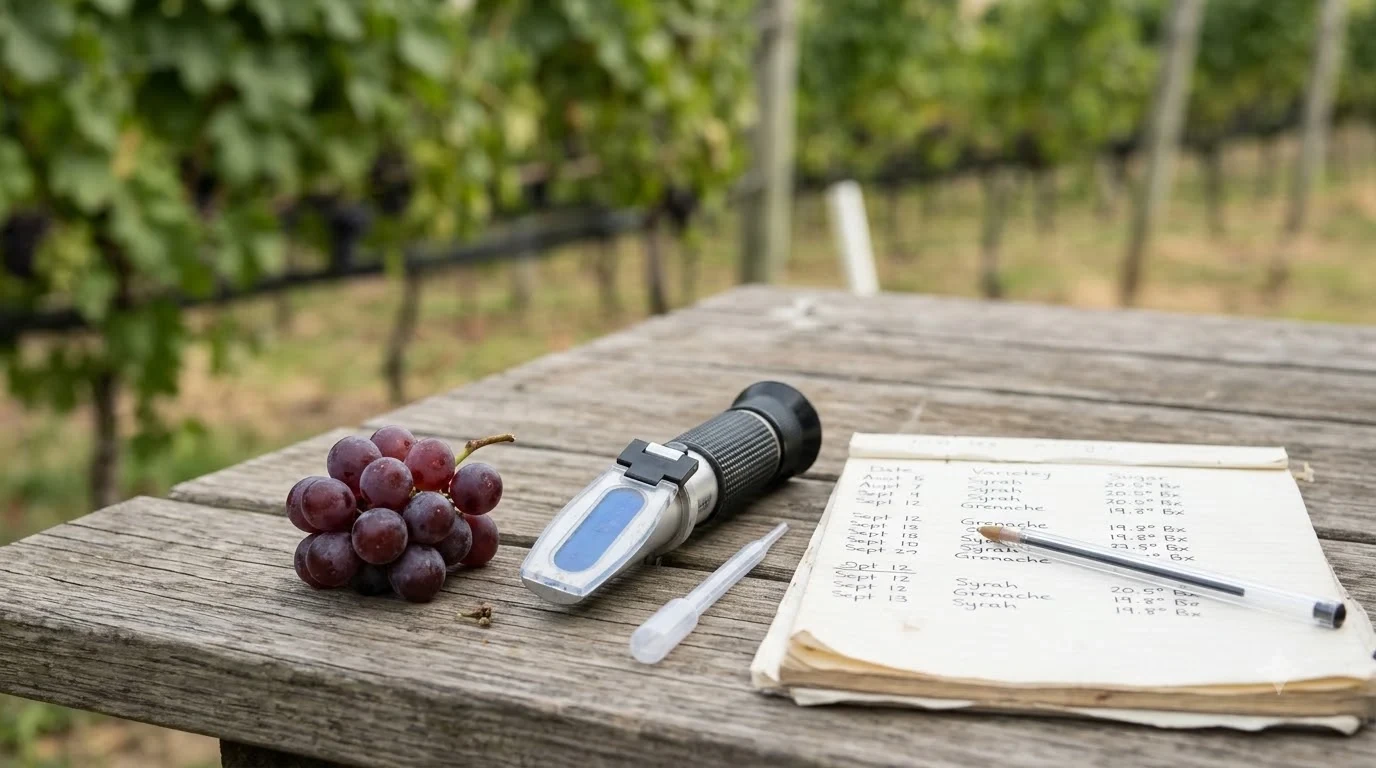
Carménère ripens even later than Cabernet Sauvignon, according to Wine Enthusiast. That timing makes climate and vineyard selection especially important. In a suitable Chilean site, a long dry ripening season can help it reach full maturity. If picked too early, its herbal character can become aggressively green; if harvested at good ripeness, the same family of aromas can read more like pepper, dried herbs, and savory complexity alongside ripe berries.
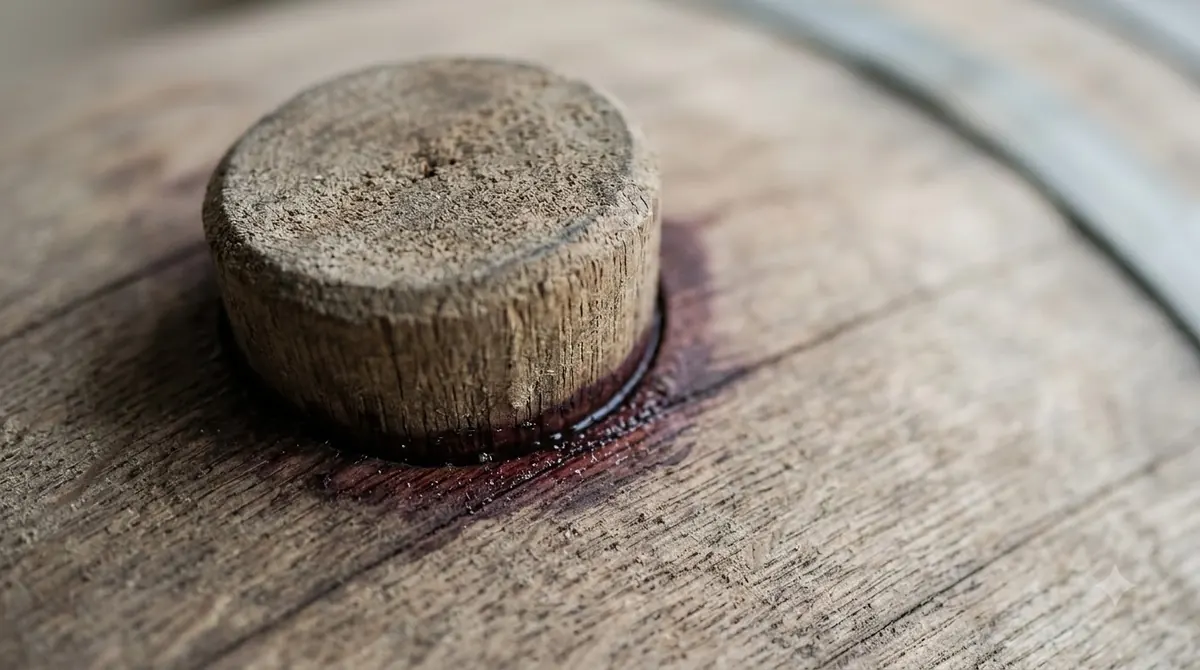
Winemaking can highlight or soften grape signatures. Gentle extraction can reduce harshness in tannic Cabernet, while oak adds texture and spice; for Carménère, extraction, fruit maturity, and barrel choice help determine whether the wine feels fresh and peppery or broad, smoky, and dark-fruited. Neither grape needs heavy oak to be expressive. Cabernet often appears with Merlot or Cabernet Franc in Bordeaux-inspired blends, while Carménère is bottled alone or blended with other reds. Warmer sites and ripe harvests can create darker, softer fruit, while cooler nights and a longer season can preserve freshness.
Food Pairings for Steak, Pork, and Spiced Dishes
Cabernet Sauvignon is a natural match for rich, protein-heavy dishes, while Carménère’s softer texture and herbal notes work especially well with grilled pork, roasted vegetables, and seasoned foods. Both can pair with beef, but sauces, fat, salt, and spice should guide the final choice.
For Cabernet Sauvignon, start with grilled steak, roast beef, lamb, or a savory burger. Its firm tannins pair well with the protein and fat in red meat, which can make the wine feel smoother and less drying. Rib-eye, lamb chops, or beef short ribs stand up to structured Cabernet; mushrooms, black pepper, rosemary, and a little char echo its savory notes. A lean cut with little fat may make a young, tannic Cabernet seem harder, so a richer preparation is often more comfortable.
Carménère is a good partner for grilled pork, sausages, roasted peppers, beef empanadas, and dishes with cumin, paprika, or a moderate amount of chili. Its dark fruit and peppery herbs can complement smoky flavors without requiring the same level of fat as a powerful Cabernet. Try it with pork tenderloin rubbed with cumin and coriander, grilled vegetables, or a tomato-based stew with beans. For beef, braised short ribs or a slow-cooked beef dish can work particularly well because the softer tannin profile is less forceful than a very structured Cabernet.
Pairing rules matter more than grape stereotypes. Salt and fat soften tannin, so a salty steak or fatty cheese can make Cabernet seem less austere. Acidic food needs a wine with equal or higher acidity; a sharp vinaigrette can make a low-acid red seem flat. Chili heat is amplified by alcohol and tannin, so a high-alcohol, tannic red can make very spicy food feel hotter. Neither red is a default match for delicate oily fish, where firm tannin can clash with the fish’s texture; a lighter red may be easier with salmon or tuna, and a crisp white with delicate white fish. Aged cheddar or gouda can work with Cabernet, while semi-firm cheese can suit Carménère. For nearby comparisons, read Cabernet Sauvignon vs Chianti and Barolo vs Cabernet Sauvignon.
Serving Temperature, Decanting, and Storage
Serve full-bodied Cabernet Sauvignon and Carménère slightly cool rather than warm, and give young, firmly structured Cabernet time to breathe. Temperature and air exposure can make the wines feel more balanced without changing their underlying grape character.
For a full-bodied red, aim for 60–65°F. Room temperature is often warmer than that in a heated home, so a short spell in the refrigerator can help bring the bottle into range. Lighter-bodied red wines are generally served cooler, around 55–60°F, but most Cabernet Sauvignon and many Carménère bottlings sit comfortably in the full-bodied red category. Avoid serving either wine warm: higher temperatures can make alcohol seem more prominent and soften the impression of freshness.
Decanting is most useful for a young, full-bodied Cabernet Sauvignon with firm tannins. Give it about 30–60 minutes of air, then taste periodically; longer is not always better. Carménère may also benefit from a little air if it seems closed or smoky, but it has no fixed decanting requirement. Pour a small taste first and see whether the aromas open in the glass.
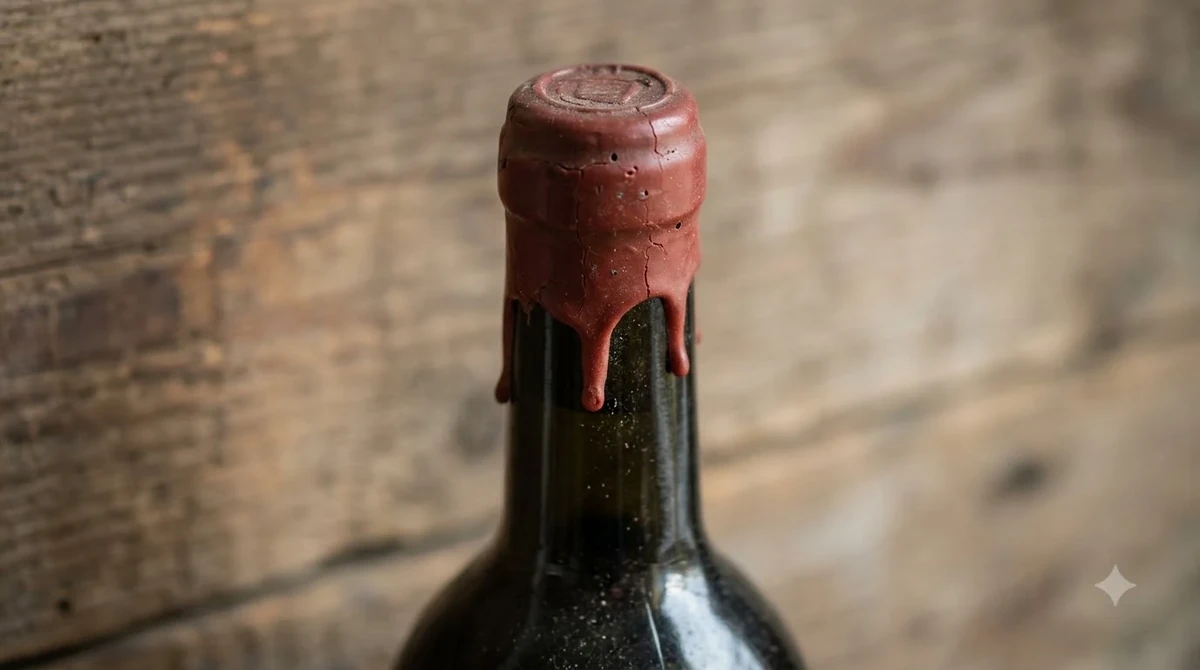
A standard pour is 5 ounces, so a 750-milliliter bottle provides about five glasses. For a side-by-side comparison, pour equal amounts at the same temperature into similar glasses. Store unopened bottles on their sides in a cool, dark place near 55°F, with minimal temperature swings. After opening, reseal and refrigerate the wine; most still wines keep their best qualities for about 3–5 days, depending on the wine and the air left in the bottle. Bring the remaining wine back toward serving temperature before pouring.
Tip: For a fair side-by-side comparison, open both bottles at the same time, serve each at 60–65°F, and pour 5 ounces or less into similar glasses. Taste the Cabernet first for cassis and firm tannin, then look for Carménère’s peppery herbs and softer finish.
Frequently Asked Questions
The answers below cover a few details that often come up after comparing the two grapes, including blending, origin, and bottle age. They add context beyond the usual fruit and tannin differences.
Is Carménère used in Bordeaux blends?
Yes, but it is now uncommon in Bordeaux. Wine Enthusiast notes that some producers use small amounts in red Bordeaux-style blends, rarely more than 1%. Its role is much more prominent in Chile.
Can Carménère be blended with Cabernet Sauvignon?
Yes. VinePair describes Viña Maquis Revela as a blend containing 8% Cabernet Sauvignon and 2% Petit Verdot alongside Carménère. A small Cabernet component can add structure without erasing the main grape’s herbal character.
Is Carménère grown only in Chile?
No. Wine Enthusiast lists examples from Italy, China, Argentina, Brazil, Croatia, France, New Zealand, and the United States too. In Trentino and Lombardy, Italy, varietal wines may be labeled Carmenero.
Can both wines age in the bottle?
Yes. Cabernet’s firm tannins and affinity for oak can support development over years and sometimes decades. Wine Enthusiast also describes Carménère as a substantial, relatively long-lived red, though potential varies by producer and bottling.
Does oak always make Carménère taste sweeter?
No. Oak can add vanilla aromas without increasing residual sugar. VinePair describes a Viña Maquis Revela Carménère aged for 12 months in French oak, with subtle vanilla alongside red fruit, pencil-shaving, clove, and saline notes.
Choose Cabernet Sauvignon when you want firmer tannins, cassis, and a classic partner for steak or lamb. Choose Carménère when you prefer dark fruit with peppery herbs, a softer texture, and flexibility with pork or moderately spiced dishes. Trying both from Chile—such as Maipo Cabernet and Colchagua Carménère—is a practical way to learn how grape variety and place shape a red wine.
More in Wine vs Wine
 Nero d’Avola vs Pinot Noir: Taste, Body, and Pairing DifferencesUpdated Nov 21, 2026
 Chenin Blanc vs Pinot Blanc: Key Differences in Taste, Acidity, and PairingsUpdated Nov 21, 2026
 Chardonnay vs Shiraz: Key Differences in Taste, Serving, and PairingUpdated Nov 21, 2026
 Chardonnay vs Verdejo: How Spain’s Crisp White Compares to the World’s ChameleonUpdated Nov 21, 2026
 Chardonnay vs Sancerre: Key Differences in Taste, Grapes, and PairingUpdated Nov 21, 2026
 Chardonnay vs Malbec: Key Differences in Taste, Body, and PairingUpdated Nov 21, 2026