

We may earn a commission when you buy through links on this page, at no extra cost to you. Learn more.
Cabernet Sauvignon vs Chianti comes down to body, tannins, acidity, and flavor: Cabernet Sauvignon is generally fuller-bodied, darker-fruited, and more tannic, while Chianti is typically brighter, more acidic, and centered on tart cherry and savory flavors. Cabernet Sauvignon is a grape variety, whereas Chianti is an Italian wine designation based primarily on Sangiovese. Both are dry red wines that work with food, but Cabernet Sauvignon usually suits steak and rich grilled meats, while Chianti is particularly good with tomato-based dishes, pizza, and Italian pasta.
Choosing between these wines becomes easier once you understand what produces their different personalities. Cabernet Sauvignon emphasizes concentrated black fruit, firm structure, and oak-influenced complexity. Chianti offers freshness, lively acidity, red-fruit character, and a more savory expression of Tuscany. The differences also extend to winemaking, aging potential, serving temperature, and the dishes that bring out each wine’s best qualities.
Cabernet Sauvignon vs Chianti: The Main Differences
The biggest difference is that Cabernet Sauvignon describes a grape, while Chianti describes a wine from Tuscany, Italy, with specific production requirements. Cabernet Sauvignon generally produces a fuller, more tannic wine, whereas traditional Chianti emphasizes Sangiovese’s acidity, cherry flavors, and savory character.
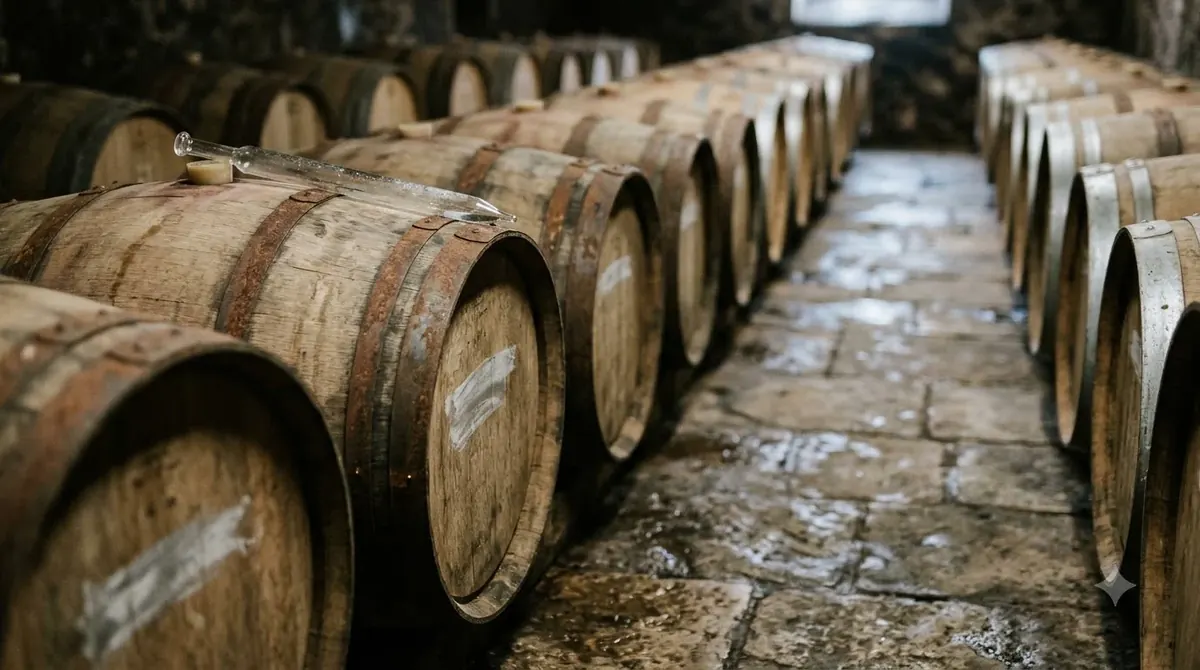
Cabernet Sauvignon originated in Bordeaux, France, and is now grown in important wine regions such as Napa Valley, California, Washington State, Australia, and Chile. It is a black-skinned grape that produces deeply colored wines with substantial structure. Thick skins and small berries contribute to its firm tannins and concentrated fruit flavors. Winemakers frequently mature Cabernet Sauvignon in oak barrels, adding notes of vanilla, cedar, toast, and spice.
Chianti comes from Tuscany, a region in central Italy. Its principal grape is Sangiovese, a variety associated with bright acidity, red cherries, earthy notes, and herbal complexity. According to the official Tuscany tourism authority, Chianti vineyards extend across parts of more than 100 municipalities in several Tuscan provinces. The wine can also contain permitted complementary varieties, depending on its production category and applicable rules.
These differences create two distinct drinking experiences. Cabernet Sauvignon often feels dense and structured, with dark fruit and a noticeable drying sensation from tannins. Chianti usually feels fresher and more energetic, with acidity that makes the mouth water and helps balance food.
| Characteristic | Cabernet Sauvignon | Chianti |
|---|---|---|
| Wine identity | Grape variety | Italian wine designation |
| Primary grape | Cabernet Sauvignon | Sangiovese |
| Origin | Bordeaux, France | Tuscany, Italy |
| Typical body | Full | Medium |
| Tannins | High | Medium to medium-high |
| Acidity | Medium to high | High |
| Main fruit | Blackcurrant, blackberry, black cherry | Sour cherry, red cherry, plum |
| Additional flavors | Cedar, tobacco, mint, vanilla | Violet, herbs, earth, anise |
| Typical sweetness | Dry | Dry |
| Serving temperature | 60–65°F | 55–60°F |
| Classic food pairing | Grilled steak | Tomato-based pasta |
These are typical profiles rather than absolute rules. Climate, vineyard location, grape ripeness, blending, oak treatment, and bottle age can change the character of either wine. A cool-climate Cabernet Sauvignon may have more freshness and herbal character than a ripe example from a warmer region. Similarly, a structured Chianti Riserva can feel considerably more powerful than a young, uncomplicated Chianti.
For readers comparing other styles, the differences between Barolo vs Cabernet Sauvignon provide another useful example of how grape variety, regional identity, tannins, and aging influence red wine.
Flavor Profiles and Aromas
Cabernet Sauvignon is generally characterized by dark fruit, herbal notes, and oak-influenced aromas, while Chianti emphasizes red fruit, floral character, and savory flavors. The contrast is especially noticeable when comparing a young Napa Valley Cabernet Sauvignon with a traditional Sangiovese-based Chianti from Tuscany.
Cabernet Sauvignon flavors
Blackcurrant, blackberry, black cherry, and dark plum are among the most recognizable Cabernet Sauvignon flavors. These wines can also show green bell pepper, mint, eucalyptus, tobacco, and herbal notes. The exact balance depends on growing conditions and ripeness.
Oak aging adds another dimension. Barrels can contribute vanilla, cedar, baking spice, smoke, and toasted wood characteristics. Some producers use substantial new oak, producing a rich and polished style, while others rely on older barrels to preserve the grape’s fruit character.
Cabernet Sauvignon from Napa Valley often displays ripe black fruit and a generous texture. Examples from cooler areas can show more pronounced herbal notes, fresh acidity, and firmer structure. Bordeaux versions may also include Merlot, Cabernet Franc, or other permitted blending varieties, depending on the wine’s appellation and producer.
Chianti flavors
Chianti’s primary flavor identity comes from Sangiovese. Expect sour cherry, red cherry, plum, dried herbs, and sometimes cranberry-like tartness. Violet and other floral aromas can appear, especially in wines with more expressive Sangiovese character.
With bottle age or oak maturation, Chianti can develop additional notes of dried fruit, leather, tobacco, earth, vanilla, and coffee. These secondary characteristics make more mature examples interesting alternatives to young, fruit-forward Cabernet Sauvignon.
The Consorzio Vino Chianti describes Sangiovese as a grape with marked acidity and a distinctive tannic structure. Its fruit character can include plum, cherry, and blackberry, while oak maturation may introduce vanilla, coffee, and tobacco. These qualities explain why Chianti can feel both refreshing and complex. The Consorzio Vino Chianti’s explanation of Sangiovese provides further detail about the grape’s role in the regional wine style.
There is also a difference in the wines’ visual appearance. Cabernet Sauvignon is commonly deep ruby, dark red, or nearly opaque. Young Chianti is often brighter and more translucent ruby, developing garnet tones as it ages.
Tip: Compare the wines in similar glassware and taste them at appropriate temperatures. Start with Chianti at approximately 57°F and Cabernet Sauvignon at approximately 63°F. This makes their differences in acidity, tannins, fruit, and body easier to recognize.
Body, Tannins, Acidity, and Alcohol
Cabernet Sauvignon generally has a fuller body and higher tannins than everyday Chianti, while Chianti usually has more noticeable acidity and a lighter overall feel. These structural differences influence how each wine feels in the mouth and how well it works with particular foods.
Body and texture
Body describes the perceived weight of wine on the palate. Cabernet Sauvignon is generally full-bodied, with concentrated fruit, noticeable alcohol warmth, and a substantial texture. Its combination of tannins and extract can make it feel dense and persistent.
Chianti is generally medium-bodied, although its style varies according to the designation, producer, grape composition, and aging. Basic Chianti often feels relatively light on its feet, with a juicy texture and refreshing finish. More structured Chianti Riserva can offer greater concentration and depth.
Tannin structure
Cabernet Sauvignon is a high-tannin red wine. Tannins create a drying, slightly grippy sensation around the gums and tongue. In young bottles, that sensation can be quite prominent, particularly in wines from producers who favor extraction and extended maceration.
Chianti also contains tannins, but many examples have a less forceful texture than Cabernet Sauvignon. Sangiovese can produce firm, sometimes angular tannins, especially in concentrated or traditionally made wines. Bottle aging generally helps soften their edges and integrate them with the wine’s acidity and fruit.
Acidity and alcohol
Acidity is one of Chianti’s defining characteristics. It creates a lively sensation that balances the wine’s fruit and helps refresh the palate between bites of rich food. Cabernet Sauvignon also has acidity, but its full body and tannin structure can make it seem less prominent than the acidity in Sangiovese.
Alcohol levels vary with growing conditions, grape ripeness, and production choices. The European Union product specification sets a minimum total alcoholic strength of 11.5% for several basic Chianti categories and 12% for certain other subzones. Chianti Riserva has a minimum of 12% for the general category, with higher requirements for some subzones.
Cabernet Sauvignon has no single universal alcohol requirement because it is produced across many countries and wine regions. A bottle from a cool-climate area may have a different alcohol level from a ripe, warm-climate example. Alcohol contributes to perceived warmth and body, so it is useful to consider it alongside tannins and acidity rather than treating it as the only measure of strength.
Grapes, Regions, and Winemaking Styles
Cabernet Sauvignon is made primarily from one internationally recognized grape variety, whereas Chianti is governed by Italian geographical and production rules centered on Sangiovese. Understanding these differences helps explain why Cabernet Sauvignon bottles can vary greatly by country and why Chianti labels carry regional information.
Cabernet Sauvignon around the world
Bordeaux remains an important historical home for Cabernet Sauvignon, particularly in the Left Bank, where it is frequently blended with Merlot, Cabernet Franc, Petit Verdot, and other permitted varieties.
California is another major source. Napa Valley Cabernet Sauvignon is particularly associated with concentrated dark fruit, firm structure, and oak maturation. Washington State produces examples that can combine dark fruit with freshness and herbal complexity.
Outside the United States, Australia, Chile, and South Africa also produce Cabernet Sauvignon. Australian examples can show ripe black fruit and herbal or mint-like notes. Chilean Cabernet Sauvignon often offers a balance of fruit, structure, and savory character. These regional differences mean that the grape’s name alone does not guarantee a particular flavor profile.
Chianti and its Sangiovese foundation
Chianti is produced in designated parts of Tuscany, including areas associated with Florence, Siena, Arezzo, and Pisa. The designation includes several geographical subzones, such as Rufina, Colli Senesi, Colli Fiorentini, and Colli Aretini.
According to the Consorzio Vino Chianti, Sangiovese must account for at least 70% of Chianti DOCG, with the remainder potentially including approved complementary grapes. The exact permitted composition is governed by the relevant production specification. Cabernet Sauvignon can be included within the permitted limits, but it does not replace Sangiovese as the defining grape.
This is an important distinction: a Chianti that includes Cabernet Sauvignon is still a Sangiovese-led regional wine, not simply a Cabernet Sauvignon with an Italian label.
Chianti should also not be confused with Chianti Classico. Although both names refer to wines from Tuscany, they have distinct production areas and rules. Chianti Classico has its own production code and quality categories, including Annata, Riserva, and Gran Selezione.
These differences are useful when exploring other grape comparisons, such as Cabernet Sauvignon vs Carmenere, where both wines are grape-based styles rather than a comparison between an individual grape and a geographical designation.
Chianti Categories and Cabernet Sauvignon Aging Potential
Cabernet Sauvignon and Chianti can both develop complexity with age, but their aging potential depends on the individual wine. Chianti has defined categories with minimum aging requirements, while Cabernet Sauvignon’s maturation is determined largely by its region, producer, structure, and intended style.
Understanding Chianti categories
Basic Chianti is generally intended to show fresh fruit, acidity, and approachable tannins. It can be enjoyed relatively young, making it a practical choice for everyday meals. Some examples have additional concentration or oak influence, but the main appeal remains their fresh Sangiovese character.
Chianti Superiore follows more demanding production requirements than basic Chianti and has a minimum total alcoholic strength of 12%. Its profile is generally dry, persistent, and somewhat more structured.
Chianti Riserva undergoes longer aging before release. The official Tuscany tourism authority specifies at least two years of aging for this category, beginning on January 1 following the harvest, including at least three months in bottle. Its character can include more integrated tannins, greater complexity, and mature fruit and savory notes.
Chianti Classico has a separate hierarchy. Its Riserva category requires at least 24 months of aging, including at least three months in bottle. Gran Selezione requires at least 30 months, including at least three months of bottle aging, under the production code.
Cabernet Sauvignon aging
Cabernet Sauvignon is known for its ability to age, especially when it has strong tannins, concentrated fruit, balanced acidity, and appropriate oak maturation. Young bottles often show blackcurrant, blackberry, dark cherry, and firm tannins. With time, these can develop into more integrated flavors involving cedar, tobacco, leather, dried fruit, and earth.
Not every Cabernet Sauvignon benefits from extended cellaring. Many approachable examples are designed to be enjoyed within a few years, while selected wines from regions such as Napa Valley and Bordeaux can develop over much longer periods.
Decanting is useful for some young, full-bodied Cabernet Sauvignon wines. A period of 30–60 minutes can help soften the immediate impression of tannins and allow aromas to become more expressive. Older bottles require more care because excessive exposure to oxygen can diminish delicate aromas.
Chianti does not always need decanting. Young examples can be served directly, while a more structured Riserva may benefit from a short period of aeration. The aim is to reveal the wine’s character rather than expose every bottle to the same treatment.
Food Pairings: Steak, Pasta, Pizza, and Cheese
Cabernet Sauvignon is particularly effective with protein-rich meats and dishes that can balance its strong tannins. Chianti’s acidity makes it especially versatile with tomato-based meals, Italian cooking, and foods that benefit from a refreshing red wine.
Best foods for Cabernet Sauvignon
Grilled steak is one of the classic Cabernet Sauvignon pairings. The protein and fat in beef soften the perception of tannins, while the wine’s dark fruit and structure complement the meat’s savory, browned flavors.
Other good options include:
- Grilled ribeye with rosemary and black pepper.
- Roast beef with roasted vegetables.
- Lamb chops with herbs and garlic.
- Beef burgers with aged cheddar.
- Slow-cooked beef short ribs.
- Hard cheeses such as aged cheddar and mature Gouda.
Rich sauces and fatty ingredients are useful because they balance Cabernet Sauvignon’s drying texture. A lean dish without enough fat or protein can make the tannins seem more aggressive.
Best foods for Chianti
Chianti is a natural companion for Italian food because its acidity works well with tomato sauce. Tomato-based dishes often have considerable acidity themselves, and wines with sufficient acidity can maintain balance instead of tasting flat.
Good Chianti pairings include:
- Spaghetti with tomato and basil sauce.
- Margherita pizza with mozzarella and fresh tomatoes.
- Lasagna with beef, tomato, and cheese.
- Italian sausage with roasted peppers.
- Grilled pork with rosemary.
- Chicken cacciatore with tomatoes and herbs.
- Mushroom risotto with Parmesan.
Chianti’s cherry fruit and savory notes also complement mushrooms, herbs, and aged cheeses. A mature Chianti Riserva can be particularly suitable for richer preparations involving slow-cooked meat or roasted vegetables.
Choosing between the two with cheese
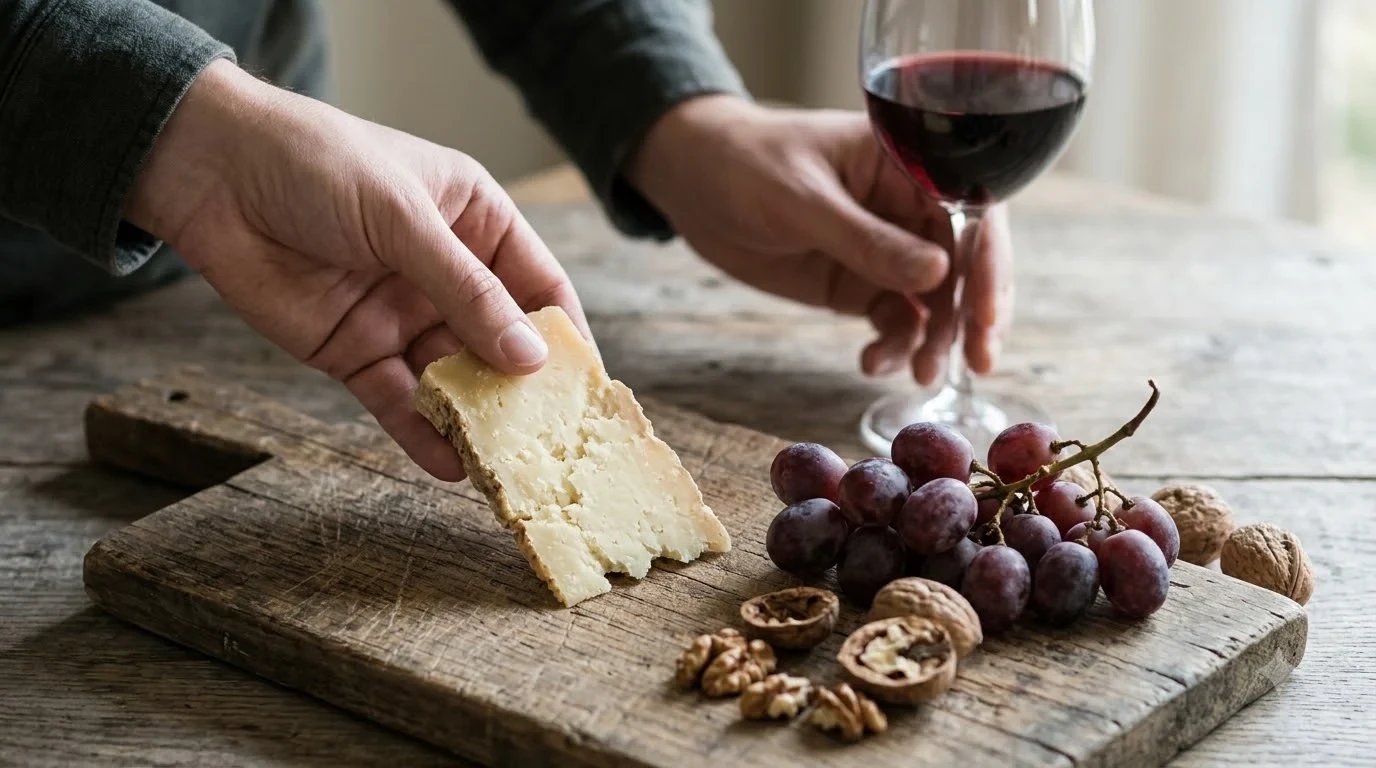
Both wines can pair well with cheese, but the best choice depends on the cheese’s intensity and texture. Cabernet Sauvignon works particularly well with firm, aged cheeses because their fat and concentrated flavors can soften the wine’s tannins.
Chianti is a good match for Pecorino Toscano, Parmesan, and other savory Italian cheeses. Its acidity cuts through richness, while the wine’s cherry and herbal notes complement the salty, nutty flavors.
There are a few combinations to approach carefully. Very spicy dishes can make the alcohol and tannins in either red wine seem more pronounced. Oily fish can also clash with tannic reds, making a lighter, more acidic white wine a better option.
Serving Temperature, Glassware, and Storage
Serving temperature affects how Cabernet Sauvignon and Chianti express their aromas, acidity, alcohol, and tannins. Cabernet Sauvignon generally benefits from slightly warmer service than Chianti, although neither wine should be served excessively warm.
Ideal serving temperatures
Serve Cabernet Sauvignon at approximately 60–65°F. This range allows its dark-fruit aromas, oak characteristics, and tannins to show without making alcohol warmth overly prominent.
Chianti is generally best at approximately 55–60°F. A slightly cooler temperature helps preserve its refreshing acidity and red-fruit character. Serving it too warm can make the wine seem heavy and reduce its crisp impression.
Room temperature is not a reliable serving guideline because modern indoor environments are often warmer than traditional wine cellars. If a bottle has been stored in a warm room, a short period in the refrigerator can help bring it closer to its ideal serving temperature.
Choosing the right glass
A large Bordeaux-style glass is a good choice for Cabernet Sauvignon. Its generous bowl allows the wine to develop aromas and gives the drinker enough space to swirl the wine without spilling it.
Chianti works well in a standard red wine glass with a moderately sized bowl. A large glass can also be useful for structured Riserva wines, especially when they have spent time aging in oak or bottle.
There is no need to own separate glasses for every wine. A quality universal red wine glass is sufficient for comparing both styles.
Pouring and storing
A standard serving is approximately 5 ounces. A 750 ml bottle therefore provides about five standard glasses, making it easy to plan a tasting with both wines.
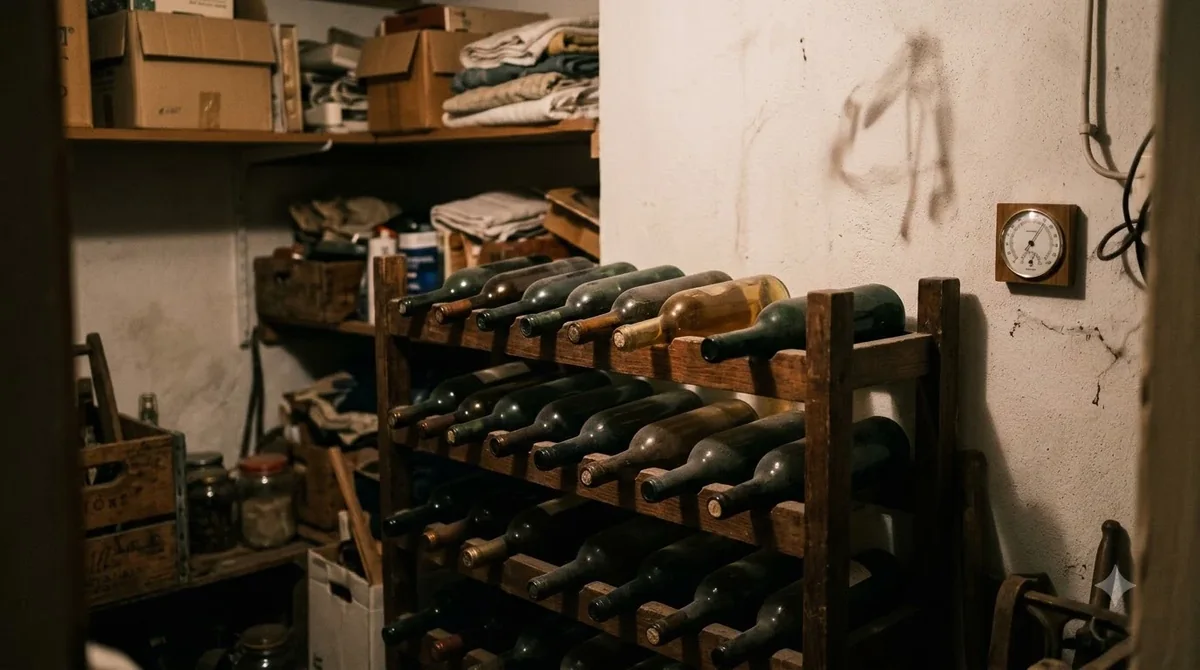
For unopened bottles, store wine in a cool, dark location near 55°F. Bottles with natural cork closures should generally be stored on their sides to keep the cork from drying out. Avoid areas with direct sunlight, frequent temperature changes, or strong vibrations.
Once opened, recork the bottle and keep it refrigerated. Most still red wines remain enjoyable for approximately three to five days, although freshness depends on the wine’s condition, storage, and exposure to oxygen. Bring the remaining wine back toward its recommended serving temperature before pouring.
When comparing the two wines, pour equal amounts into separate glasses and taste them side by side. Begin with Chianti, then move to Cabernet Sauvignon. This sequence helps prevent the fuller body and stronger tannins of Cabernet Sauvignon from dominating the lighter wine. For more background on Cabernet Sauvignon’s characteristics and serving considerations, see Wine Enthusiast’s Cabernet Sauvignon overview.
Frequently Asked Questions
Is Cabernet Sauvignon the same as Chianti?
No. Cabernet Sauvignon is a grape variety, while Chianti is a protected Italian wine designation. Chianti is based primarily on Sangiovese, although certain complementary grapes are permitted. Cabernet Sauvignon can appear in some Chianti blends within the applicable production limits.
Is Chianti always made from 100% Sangiovese?
No. Chianti DOCG requires at least 70% Sangiovese under the Consorzio Vino Chianti rules, allowing approved complementary varieties in the remaining portion. The exact blend can differ between producers and individual wines. A bottle containing only Sangiovese is possible, but it is not a universal requirement.
Does Chianti Classico use a different grape from regular Chianti?
Both wines are based on Sangiovese, but Chianti Classico follows its own production code and geographical boundaries. Its minimum Sangiovese requirement is 80%, compared with 70% for Chianti DOCG. The two designations also have distinct production and aging requirements.
Can Chianti be made using Cabernet Sauvignon without Sangiovese?
No. A wine labeled Chianti must meet the designation’s minimum Sangiovese requirement. A Tuscan wine made entirely from Cabernet Sauvignon cannot qualify as Chianti DOCG simply because its grapes come from Tuscany. Such wines may instead use another applicable designation or a different labeling category.
Why is the black rooster associated with Chianti Classico?
The black rooster, known in Italian as the Gallo Nero, is the historic emblem of Chianti Classico. It distinguishes wines from the Chianti Classico designation and appears on the neck labels of certified bottles. It is not the general identifying symbol for every bottle of Chianti DOCG.
Cabernet Sauvignon is the better starting point if you enjoy full-bodied reds with dark fruit, substantial tannins, and rich meat pairings. Chianti is an excellent choice if you prefer lively acidity, cherry flavors, and a red wine that complements Italian food. Comparing both styles side by side is one of the easiest ways to discover which combination of body, structure, and freshness suits your palate.
More in Wine vs Wine
 Chenin Blanc vs Pinot Gris: Acidity, Body, and Pairing DifferencesUpdated Nov 20, 2026
 Chianti vs Lambrusco: How Tuscany and Emilia-Romagna Reds CompareUpdated Nov 20, 2026
 Chianti vs Primitivo: Key Differences in Taste, Body, and PairingUpdated Nov 20, 2026
 Chianti vs Rioja: Key Differences in Taste, Aging, and PairingUpdated Nov 20, 2026
 Chianti vs Shiraz: How Acidity, Body, and Food Pairings CompareUpdated Nov 20, 2026
 Chianti vs Syrah: Key Differences in Taste, Body, and Food PairingUpdated Nov 20, 2026