

We may earn a commission when you buy through links on this page, at no extra cost to you. Learn more.
How to serve cabernet sauvignon: pour it at about 60 to 68 degrees Fahrenheit (15 to 20 degrees Celsius), decant it for about an hour when possible, and use a large glass. Wine Folly lists these exact serving points in its grape profile, and they cover most red wines in this style. Cooler service keeps the structure clear, while a short rest in the glass lets the aromas open.
Cabernet sauvignon is one of the most widely planted red grapes, and it is often poured at dinners, gatherings, and restaurants. Many people are unsure how cold or warm a bold red should be, whether it needs to breathe before pouring, and which glass makes the most difference. This guide covers temperature, decanting, glassware, and a few practical habits that make the wine taste more balanced.
Serving Temperature for Cabernet Sauvignon
Serving temperature has a strong effect on how a red wine tastes. When a red is too warm, the alcohol can seem sharp and the fruit can feel heavy. When it is too cold, the tannins can taste rough and the flavors can seem closed. Cabernet sauvignon usually shows its best balance somewhere in the middle of the range.
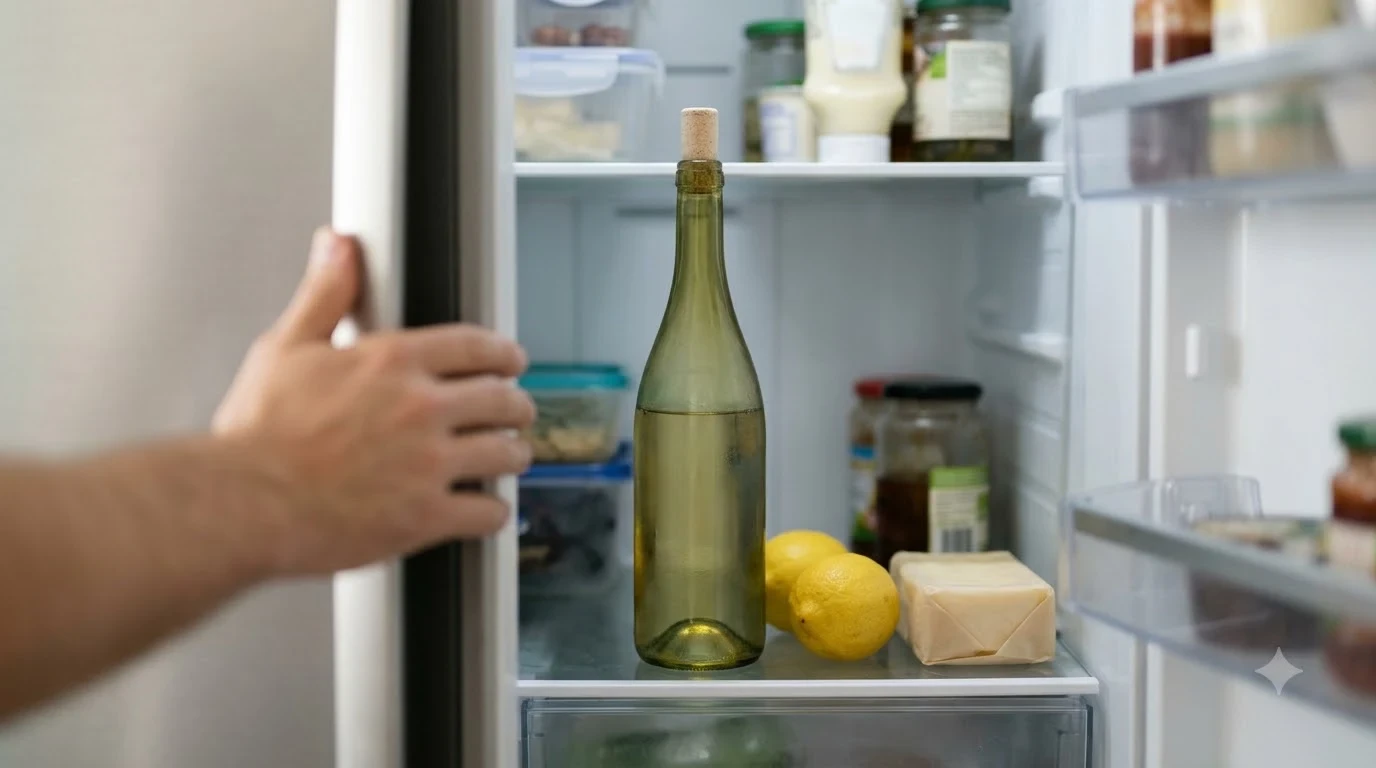
Wine Folly gives a serving range of 60 to 68 degrees Fahrenheit, or 15 to 20 degrees Celsius. That range is a good target for most bottles. If the wine has been stored in a warm room, a short time in the refrigerator can bring it down toward the right range. Check the temperature with a simple thermometer if you want precise results.
Decanting: Does Cabernet Need to Breathe?
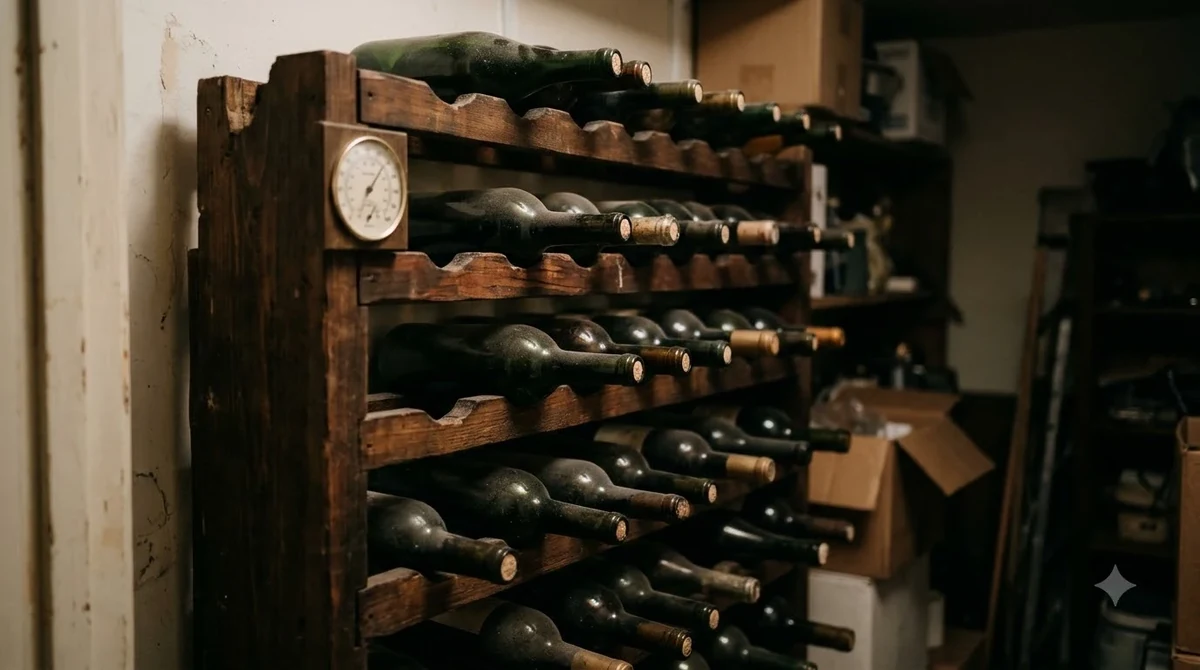
Decanting means pouring the wine from its bottle into another container, usually a glass decanter, before serving. The main purpose is to expose the wine to air, which can soften tannins and let aromas develop. Young cabernet sauvignon with firm tannins often benefits most, while older bottles may be more delicate and should be decanted more gently.
Wine Folly recommends decanting cabernet sauvignon for about one hour. That is a practical starting point. Pour the wine slowly into the decanter so that sediment, if present, stays in the bottle. You can also simply open the bottle and let it stand for the same period before pouring, which gives a similar effect with less equipment.
Tip: If the bottle is older and has sediment, stand it upright for a while before opening, then pour carefully. Keep the last part of the wine in the bottle if the liquid looks cloudy.
Glassware That Shows the Wine Well
The glass changes how the wine reaches your nose and mouth. A large bowl gives the aromas room to open, and a wider opening lets the scent reach you more directly. For bold reds, a large, oversized glass is a common choice, and Wine Folly recommends an oversized glass for cabernet sauvignon in its serving notes.
A large glass does not need to be expensive. What matters is that it has enough room to swirl without spilling, and that the bowl is thin enough that the wine feels smooth on the lips. Fill the glass about one-third of the way, which leaves space to swirl and keeps the aromas concentrated.
Pouring Order and Timing
Red wines are usually poured in a sensible order at a meal. Many hosts start with lighter reds and move to fuller styles, and cabernet sauvignon often comes after those lighter wines because its tannins and body can overpower delicate flavors. If you are serving only cabernet, you can pour it alone and let guests enjoy it with the first course.
Timing matters as well. If you plan to decant, start the process at least an hour before guests arrive. Once the wine is poured, leave the glass for a few minutes so the aromas can develop before the first sip. Taste the wine after it has rested, since the flavors often change as it warms slightly in the glass.
Food Pairings That Work Well
Cabernet sauvignon pairs well with foods that have enough fat and savory depth to match its tannins. Grilled steak, roasted lamb, aged cheese, and mushroom dishes are all common matches. The wine’s firm structure softens when the food is rich, which makes the pairing feel balanced rather than harsh.
Lighter dishes can be overwhelmed by a bold cabernet, so save it for dinners with stronger flavors. If you are serving a meal with delicate fish or salads, a lighter red or a white wine may suit the table better. The goal is to match the wine’s weight with the food’s weight, so neither one dominates the other.
Common Serving Mistakes to Avoid
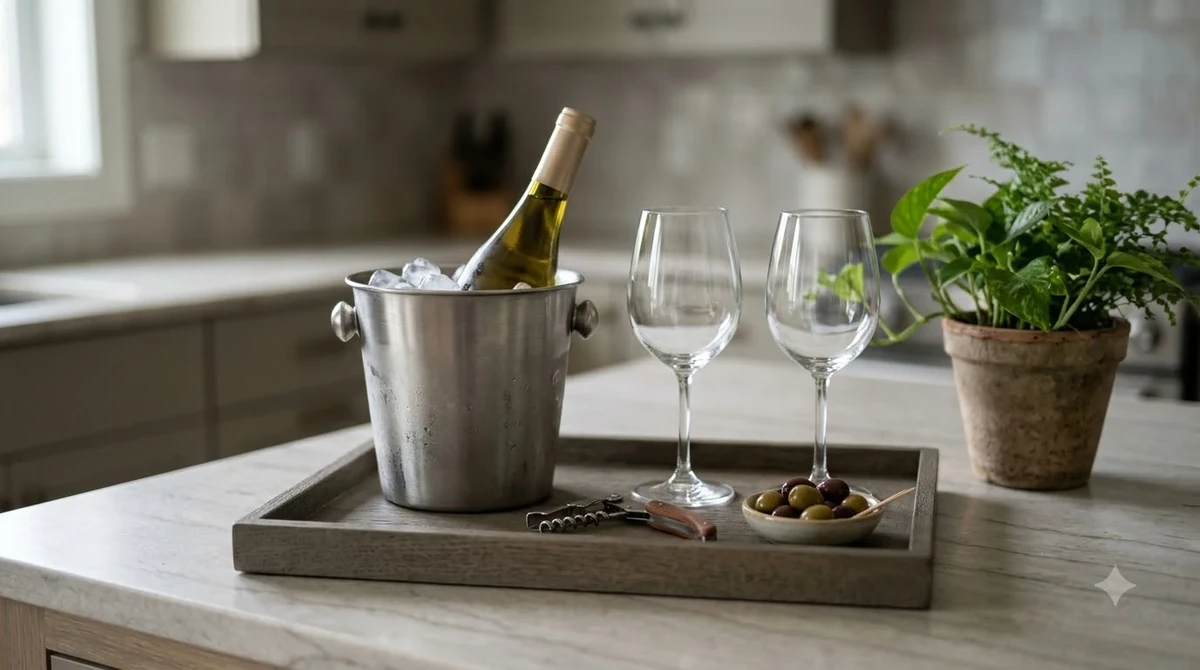
Several small habits can change how cabernet sauvignon tastes. The most common mistake is serving the wine too warm, especially in a room that is heated during winter. A second mistake is pouring too much into the glass, which blocks the aromas and makes the wine seem flat. A third is skipping decanting when a young bottle has firm tannins, which can make the wine taste harsh on the first sip.
Some people also serve cabernet in a small glass, which concentrates the alcohol and hides the fruit. A larger glass gives the wine room to show its character. Finally, avoid storing an open bottle in a hot place. Recork it and keep it cool if you plan to finish it another day.
How to Serve Cabernet Sauvignon at Home
A simple home routine works well for most bottles. Open the wine about an hour before the meal, pour a little into a decanter, and check the temperature with a thermometer. Set out large glasses, fill each one about one-third of the way, and let guests swirl and smell before tasting.
If you are serving a group, you can decant a bottle in advance and keep it covered on the counter. Pour the rest of the wine into glasses as guests arrive, and refill the decanter as needed. Keeping the wine at a steady temperature during the evening helps the flavors stay consistent from the first glass to the last.
For a fun variation, some hosts blend cabernet into a fruit-based drink. The guide on cabernet sauvignon sangria explains how to make that kind of drink, though a simple glass of properly served wine is often the best choice for a dinner party.
Learn More About the Wine Before You Serve It
Serving temperature and glassware matter more when you know what the wine tastes like. Cabernet sauvignon is known for dark fruit, firm tannins, and a structure that can age for years in good conditions. The guide on cabernet sauvignon tasting notes describes the flavors you might find in a glass, which helps you judge whether the serving tips are working.
For an overview of grape names and wine styles, the Wine by Type section groups major varieties together, so you can compare cabernet sauvignon with other red grapes.
Frequently Asked Questions
What temperature should cabernet sauvignon be served at?
Wine Folly gives a range of 60 to 68 degrees Fahrenheit, or 15 to 20 degrees Celsius. Serving within that range helps the tannins and fruit stay balanced.
Does cabernet sauvignon need to be decanted?
Decanting is helpful for young bottles with firm tannins. Wine Folly recommends about one hour. Older bottles may need gentler handling, so pour slowly and leave any sediment in the bottle.
What glass is best for cabernet sauvignon?
A large, oversized glass is recommended in Wine Folly’s serving notes. The extra room lets the aromas develop, and a thin rim helps the wine feel smooth on the lips.
Can I chill cabernet sauvignon if it is too warm?
Yes, a short time in the refrigerator can bring a warm bottle into the serving range. Check the temperature before pouring, and avoid leaving the wine too cold, since that can mute the flavors.
Serving cabernet sauvignon well comes down to a few simple steps: keep the temperature in range, give the wine time to open, and pour it into a glass that lets the aromas show. Once those habits are in place, the wine is easier to enjoy at any table.
More in Wine Types & Grapes
 Zinfandel Sugar Content: Dry Red vs. White Zinfandel GramsUpdated Nov 21, 2026
 Best Zinfandel Substitute Options for Sipping and CookingUpdated Nov 21, 2026
 Zweigelt Food Pairing: Best Dishes, Cheeses, and Serving TipsUpdated Nov 21, 2026
 Zinfandel Tannins Explained: How Structure Shapes Every BottleUpdated Nov 21, 2026
 Zinfandel Sweetness Level: Dry Red vs. Sweet White Zin ExplainedUpdated Nov 21, 2026
 Xinomavro Food Pairing: Best Dishes, Styles, and Serving TipsUpdated Nov 21, 2026