
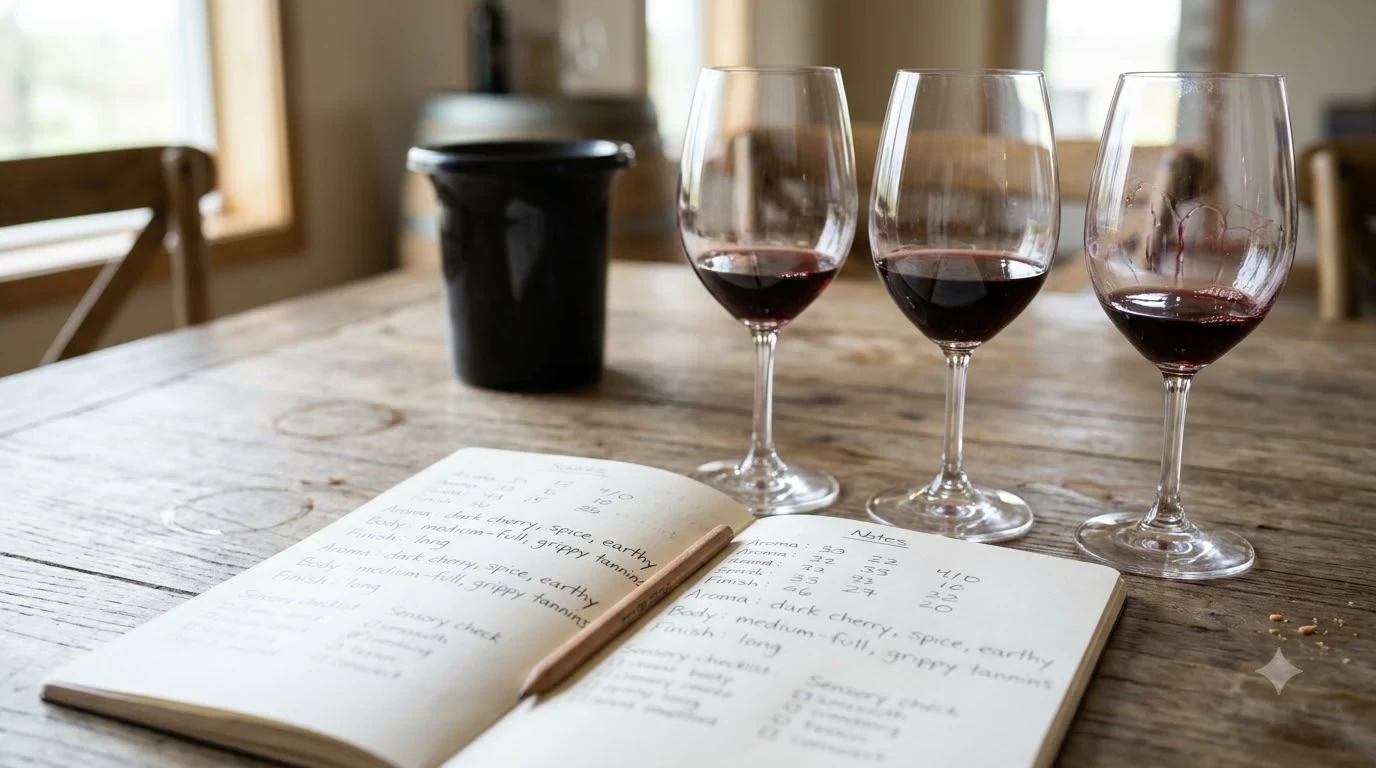

We may earn a commission when you buy through links on this page, at no extra cost to you. Learn more.
Cabernet sauvignon tasting notes usually describe a full-bodied, dry red with black cherry, black currant, cedar, and baking spice, backed by high tannin and firm acidity. Wine Folly lists black cherry, black currant, cedar, baking spices, and graphite, with medium-high tannin and acidity and an alcohol range of 13.5 to 15 percent ABV. The exact flavors shift with the climate where the grapes were grown.
Cabernet sauvignon is the red that many people learn first, and it is also the one that many people find hard to describe. The words on a back label can sound similar from bottle to bottle, yet a cool-climate Cabernet and a hot-climate Cabernet can taste very different. This guide explains the core tasting notes, how climate changes them, and how to use the notes to choose and enjoy a bottle.
Where Cabernet sauvignon comes from
Cabernet sauvignon is one of the most widely planted red grapes in the world, and its story begins in Bordeaux. Wikipedia reports that DNA typing at UC Davis in 1996 showed the grape is a cross of Cabernet franc and Sauvignon blanc, most likely a chance crossing in the 17th century. Bordeaux is the likely place of origin, and the grape later spread to many other wine regions.
That history explains why the variety travels so well. A grape with a thick skin, high tannin, and strong structure can handle very different growing conditions, from cool coastal vineyards to hot inland valleys. The same grape can therefore show a range of flavors, which is the reason tasting notes vary so much.
The core flavors of Cabernet sauvignon
The classic profile is full-bodied, with dark fruit at the center. Wine Folly lists black cherry, black currant, cedar, baking spices, and graphite as the main notes. Those flavors form the backbone of most tasting notes, and they are the first place to look when you are comparing bottles.
Some styles add herbal or savory notes. Mint, eucalyptus, and tobacco appear in a number of Cabernets, and they add a cooling or earthy edge that balances the fruit. These secondary notes often come from the grape’s natural character and from oak aging, and they can make a wine feel more complex without making it sweeter.
Cabernet is also known for its tannin. Wine Folly rates tannin as medium-high, and Wikipedia describes the classic profile as high in tannin. That grip is part of the tasting experience, because it gives the wine structure and makes it pair well with rich food.
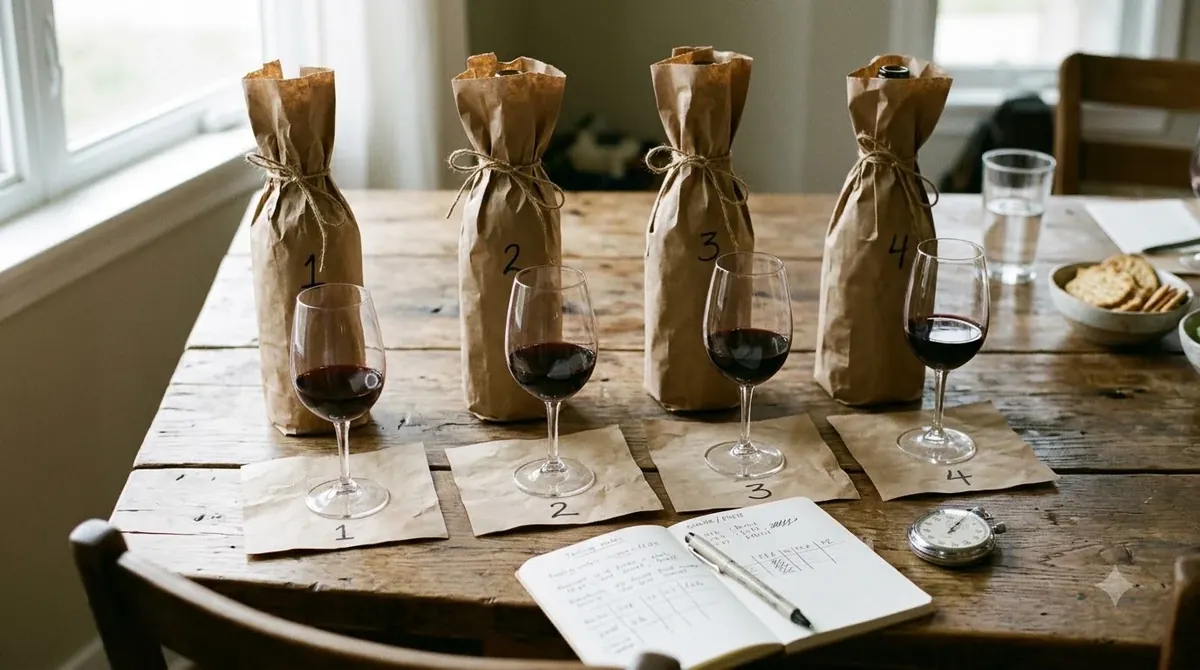
How climate changes the tasting notes
Climate is the biggest influence on what you taste. Cooler vineyards ripen the grapes more slowly, which tends to preserve acidity and bring out savory, green notes. Warmer vineyards ripen the fruit more fully, which pushes the flavor toward dark, ripe fruit and a softer texture. Wikipedia gives a clear summary of the pattern.
The table below compares the typical notes by climate, based on that description. Use it as a starting point rather than a rule, since producers also make choices in the vineyard and winery.
| Growing climate | Typical notes | Texture |
|---|---|---|
| Cool | Blackcurrant and green pepper | Firm, lively acidity |
| Warm | Black cherry and olive | Balanced, rounder fruit |
| Very hot | Jammy, ripe fruit | Soft, plush, lower acidity |
Tip: If you enjoy green pepper notes, look for a Cabernet from a cooler area. If you prefer ripe dark fruit, a warmer region is usually the better bet.
Alcohol and body
Cabernet is a full-bodied wine, and its alcohol is part of that feel. Wikipedia cites an average of 12 to 13 percent for Bordeaux examples, while many California wines are often above 14 percent, and Tuscan wines typically reach about 14 percent. Wine Folly lists the range as 13.5 to 15 percent ABV for the grape overall.
Higher alcohol usually makes the wine feel warmer and heavier. A lower-alcohol Cabernet from a cooler site can taste lighter and more focused, even when the flavor profile is similar. Reading the label for the alcohol figure is a simple way to predict how full the wine will feel.
Serving Cabernet sauvignon
Serving temperature changes how the wine tastes. Wine Folly recommends serving Cabernet between 60 and 68 degrees Fahrenheit (15 to 20 degrees Celsius), and suggests a large glass that gives the aromas room to open. A wine served too warm can taste hot and heavy, so a short time in the fridge before pouring is often helpful.
Decanting is useful for young bottles with firm tannin. Pouring the wine into a decanter lets it breathe and softens the first hard edges. Older bottles can benefit from a gentle pour and a cautious decant, since sediment may form over time.
Food pairing with Cabernet sauvignon
Cabernet pairs best with foods that have fat, protein, and some smoky or peppery flavor. Wine Folly suggests grilled meats, peppery sauces, and boldly flavored dishes. A steak with pepper crust, lamb with rosemary, or a roasted mushroom dish all suit the wine’s structure and its dark fruit.
The wine’s tannin needs something to soften it. Fatty foods work well because they coat the palate and make the wine feel smoother. Acidic or very spicy dishes can clash, so pair them with a lighter red instead. Hard aged cheese is another reliable match.
How oak and winemaking shape the glass
Winemaking decisions add layers on top of the grape’s natural flavors. Time in oak can bring vanilla, toast, cocoa, and spice, which often show up in the tasting notes as baking spice or cedar. A wine aged in new oak will usually taste more obviously of wood than one aged in older barrels or in stainless steel.
Extraction is another factor. Winemakers who leave the skins in contact with the juice longer pull more color and tannin into the wine. The result is a darker, more structured Cabernet that can feel firm when young and open up with food or time.
When you read a back label, look for words about oak and structure alongside the fruit words. A note such as oak-driven suggests a bottle with strong wood character, while a note about fresh fruit and balance points toward a lighter, more fruit-led style. Both can be good choices, but they suit different meals and moods.
How to choose a bottle from the notes
Start with the flavor you want. If you prefer black fruit and cedar, read the back label for those words and check the region. If you want a softer, plusher wine, look for ripe fruit descriptions and lower acidity. If you like a sharper, more savory profile, choose a cooler-climate bottle.
Notes are useful but not a guarantee. Two bottles with the same label words can taste different because of vintage, oak use, and winemaking. Buy one bottle to learn your taste, then return to the producer or region that suits you best.
Frequently Asked Questions
What does Cabernet sauvignon taste like?
Most Cabernets taste of black cherry and black currant, with cedar and baking spices. The wine is full-bodied, dry, and firmly tannic, and cooler-climate examples can show green pepper.
Why do Cabernet sauvignon tasting notes differ so much?
Climate, ripeness, oak aging, and winemaking choices all shape the flavor. Cooler vineyards tend to show blackcurrant and green pepper, while warmer ones lean toward black cherry, olive, and jammy fruit.
Is Cabernet sauvignon high in alcohol?
Yes, it is generally a strong red. Wine Folly lists 13.5 to 15 percent ABV, and many California wines exceed 14 percent, so the wine often feels full in the mouth.
What temperature should Cabernet sauvignon be served at?
Wine Folly suggests 60 to 68 degrees Fahrenheit, or 15 to 20 degrees Celsius. Serve it slightly cool rather than hot, and give it a few minutes to open in the glass.
Cabernet sauvignon rewards a careful reading of the label and a good meal. To compare it with a lighter red, see the Cabernet franc tasting notes guide, or try the grape in a bright party drink through the Cabernet sauvignon sangria article.
More in Wine Types & Grapes
 Zinfandel Sugar Content: Dry Red vs. White Zinfandel GramsUpdated Nov 21, 2026
 Best Zinfandel Substitute Options for Sipping and CookingUpdated Nov 21, 2026
 Zweigelt Food Pairing: Best Dishes, Cheeses, and Serving TipsUpdated Nov 21, 2026
 Zinfandel Tannins Explained: How Structure Shapes Every BottleUpdated Nov 21, 2026
 Zinfandel Sweetness Level: Dry Red vs. Sweet White Zin ExplainedUpdated Nov 21, 2026
 Xinomavro Food Pairing: Best Dishes, Styles, and Serving TipsUpdated Nov 21, 2026