

We may earn a commission when you buy through links on this page, at no extra cost to you. Learn more.
Cabernet franc tasting notes usually point to red berries like strawberry and raspberry, plus a distinctive bell pepper or herbal edge, high acidity and medium-high tannins. Cooler climates tend to add violet and a leaner structure, while warmer sites bring dried fruit and a touch of spice.
Cabernet franc is one of the more recognizable red grapes once you know its signature aromas. Many people first meet it as a blending partner in Bordeaux or as a single-variety wine from the Loire, and the tasting notes change a lot depending on where the grapes were grown. This guide walks through the main flavors, the structure you can expect in the glass, and how climate shapes the result.
The Core Flavors in Cabernet Franc
The most common fruit notes are strawberry and raspberry. These red fruit flavors often sit at the center of the wine, with savory notes around them. Crushed gravel and chili pepper come up often in descriptions, and they give the wine a sense of place that many tasters find memorable.
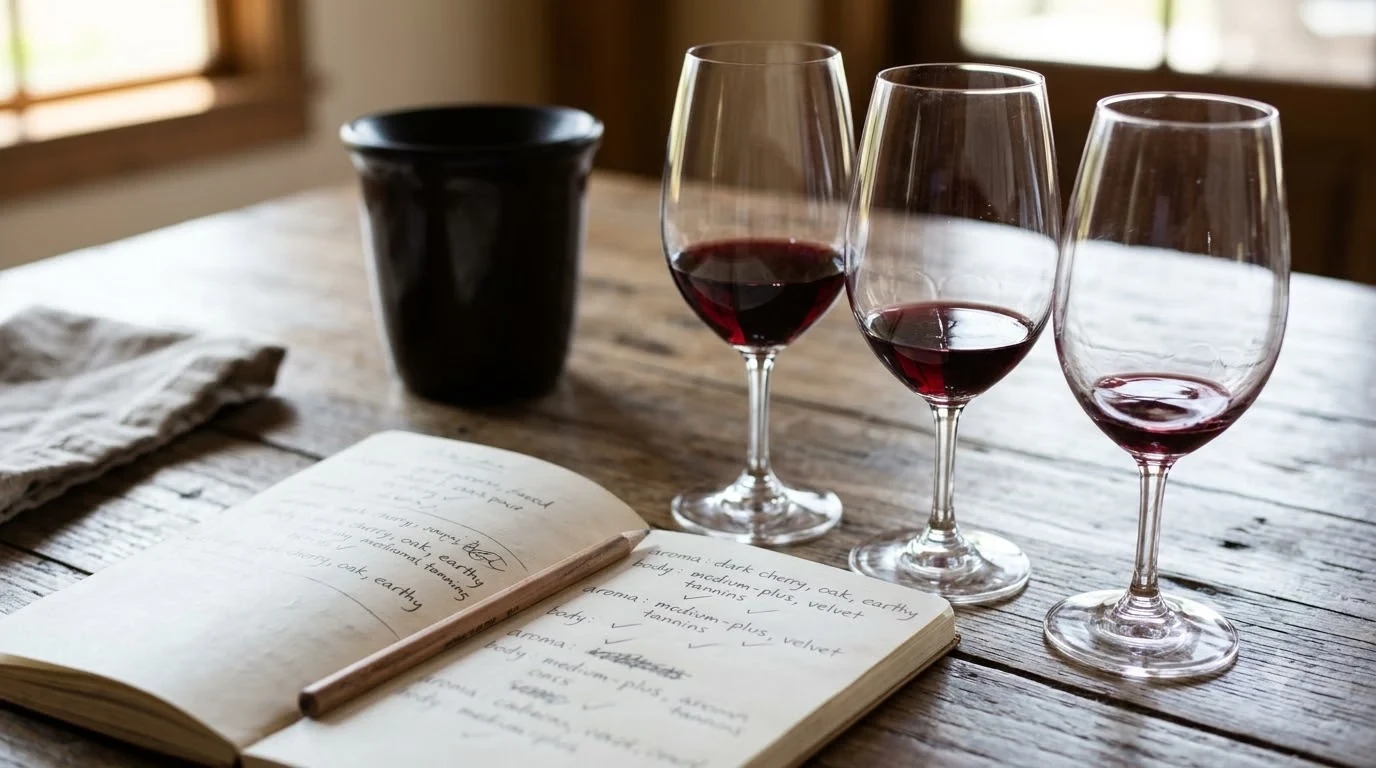
The aroma is where the grape really stands out. Wine Folly describes a “distinctive herbaceous and bell-pepper aroma,” often with red fruit and sometimes pencil lead. If you have tasted a cabernet franc and noticed a green edge, that is usually the herbaceous note at work, and it is part of the grape’s identity rather than a flaw.
| Tasting element | Typical note | What it signals |
|---|---|---|
| Red fruit | Strawberry, raspberry | Bright, fresh fruit core |
| Green edge | Bell pepper, herbaceous | Classic cabernet franc character |
| Mineral note | Crushed gravel, pencil lead | Often linked to stony soils |
| Spice | Chili pepper | Adds lift on the finish |
| Cool-climate floral | Violet | Common in cooler sites |
| Warm-climate fruit | Dried fruit, cayenne | Riper, more concentrated styles |
How Climate Changes the Glass
Climate is the biggest factor in how cabernet franc tastes. In cooler regions, the wine often shows violet notes and a lighter, more lifted profile. The tannins also tend to be slightly lower, which gives the wine a softer feel on the palate.
In warmer regions, the fruit tends toward dried fruit, and the spice can turn toward cayenne pepper. The wine usually feels fuller, although it still keeps the grape’s characteristic acidity. Growers and winemakers choose their site and harvest timing partly to decide which of these styles they want to produce.
Acidity, Tannin and Body
Most cabernet franc tasting notes mention acidity first. The wine is usually zesty and high in acid, which keeps the flavors fresh and gives the wine lift. This is one reason it pairs well with a wide range of foods.
The tannins are relatively high, though they are generally lower than those of cabernet sauvignon. Wine Folly rates the tannin level as medium-high and the body as medium. In practical terms, a glass of cabernet franc usually feels firm enough to hold up to food but not so heavy that it overwhelms a meal.
Alcohol and Serving Temperature
Cabernet franc typically falls between 11.5 and 13.5 percent alcohol by volume, according to the Wine Folly grape profile. That range is moderate for a red wine and helps explain why the wine feels fresh rather than heavy.
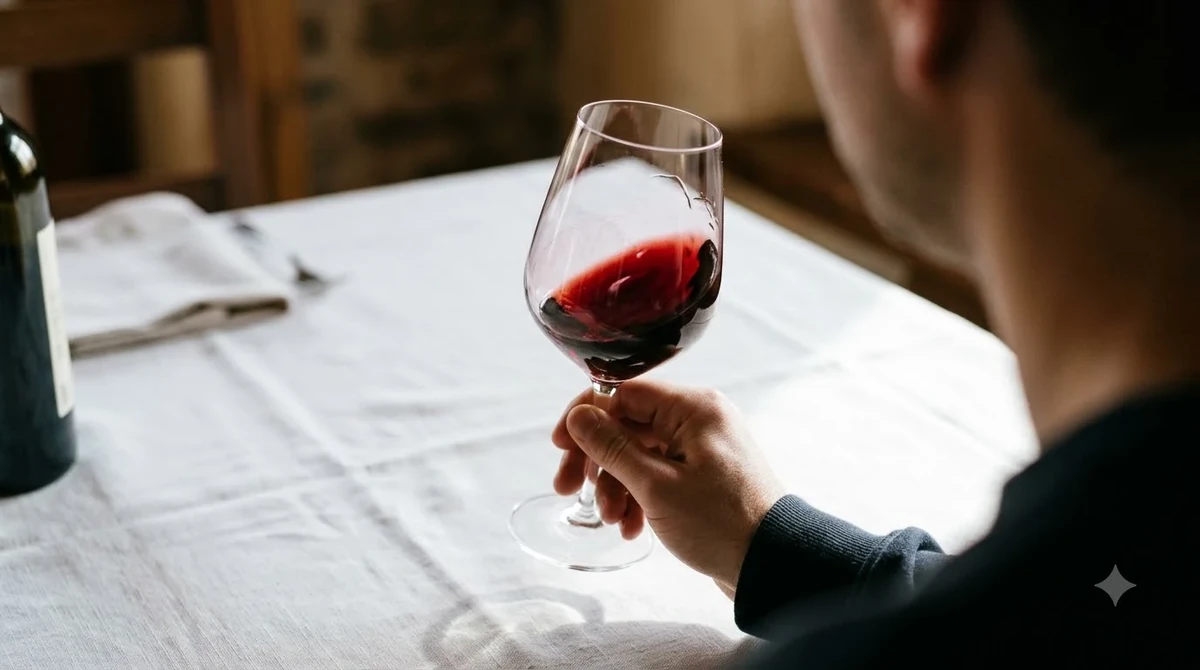
Serving temperature has a visible effect on the tasting notes. Wine Folly recommends serving the wine between 60 and 68 degrees Fahrenheit (15 to 20 degrees Celsius), which is just below room temperature. Fuller styles can benefit from about 30 minutes of decanting, which lets the aromas open and softens the first impression of the tannins.
How It Compares With Cabernet Sauvignon
Cabernet franc and cabernet sauvignon are often mentioned together, and the comparison is useful when you are reading tasting notes. Wine Folly notes that cabernet franc has relatively high tannins, though lower than cabernet sauvignon. That difference is one of the easiest ways to tell the two apart on the palate, since cabernet sauvignon usually feels firmer and more grippy at the finish.
The fruit profiles also differ. Cabernet sauvignon tasting notes often lean toward dark fruit and a fuller body, while cabernet franc is more likely to show red fruit, herbs and a lifted, zesty edge. If you like the structure of a cabernet sauvignon but want something lighter and more aromatic, cabernet franc is often a good next step.
Food Pairings That Match the Notes
Because cabernet franc combines red fruit, herbal notes and acidity, it works with a broad set of dishes. Roasted chicken, pork with herbs, and tomato-based pasta sauces are all natural matches. The green pepper character also suits dishes that include peppers, roasted vegetables or fresh herbs.
Cooler-climate styles with violet and higher acidity can handle lighter dishes, while the riper, dried-fruit style from warmer sites suits richer meats and aged cheeses. When in doubt, match the wine’s intensity with the dish’s richness, and let the acidity cut through fat.
How to Read a Label for Tasting Clues
A label rarely lists tasting notes, so it helps to know what else to look for. The region and vintage are the most useful clues. A cool-climate region will usually point to a leaner, more aromatic wine, while a warm-climate region suggests more fruit and body. The producer’s tech sheet, when available, often lists the wine’s alcohol and recommended serving temperature.
Pay attention to the wine’s age as well. Younger cabernet franc often shows brighter red fruit and more herbal lift, while bottles with a few years of bottle age can take on softer, more savory notes. Tasting notes shift with time in the bottle, so a note that fits a young wine may not describe an older one. Keep that in mind when you compare a bottle you tasted last year with one you open now, because the same label can taste different after a few seasons in the cellar. A short note in your phone with the year and the region is often enough to track what you like.
If you are comparing bottles, try two cabernet franc wines from different climates side by side. The contrast will show you how much the grape changes with its site, and it will help you recognize the bell pepper and red fruit notes on your own.
Frequently Asked Questions
What do cabernet franc tasting notes usually include?
The most common notes are strawberry, raspberry, bell pepper and herbs, with chili pepper and crushed gravel appearing often in descriptions. Violet is typical of cooler sites, and dried fruit and cayenne show up in warmer ones.
Is cabernet franc a light or full-bodied red?
It is generally considered medium-bodied. The acidity is high and the tannins are medium-high, so the wine feels structured without the heavy weight of many cabernet sauvignon styles.
What temperature should cabernet franc be served at?
Wine Folly recommends serving it between 60 and 68 degrees Fahrenheit, or 15 to 20 degrees Celsius. Fuller styles can be decanted for about 30 minutes before serving.
Why does cabernet franc taste like bell pepper?
The grape has a herbaceous aroma that is often described as bell pepper. It is a natural part of the variety’s profile, and it tends to be more noticeable in cooler conditions and in some vintages.
Cabernet franc rewards close attention. Start with the red fruit and the green edge, then notice how the acidity and tannins shape the finish. Once you can pick out those notes, you will find it easier to choose a bottle that matches what you like, and to explore related reds such as cabernet sauvignon tasting notes or malbec tasting notes. You can also browse the full Wine by Type guide for more grape profiles.
More in Wine Types & Grapes
 Zinfandel Sugar Content: Dry Red vs. White Zinfandel GramsUpdated Nov 21, 2026
 Best Zinfandel Substitute Options for Sipping and CookingUpdated Nov 21, 2026
 Zweigelt Food Pairing: Best Dishes, Cheeses, and Serving TipsUpdated Nov 21, 2026
 Zinfandel Tannins Explained: How Structure Shapes Every BottleUpdated Nov 21, 2026
 Zinfandel Sweetness Level: Dry Red vs. Sweet White Zin ExplainedUpdated Nov 21, 2026
 Xinomavro Food Pairing: Best Dishes, Styles, and Serving TipsUpdated Nov 21, 2026