


We may earn a commission when you buy through links on this page, at no extra cost to you. Learn more.
Malbec tasting notes typically include dark plum, blackberry, violet, vanilla and sweet tobacco, with medium tannins and a full body. The grape is best known from Argentina, where high-altitude vineyards in Mendoza produce many of the most-praised examples. Malbec from Cahors in France tends to be darker and more tannic than the Argentine style.
Malbec is one of the most recognizable red grapes in the world, and its tasting notes are a common question for buyers who want to know what to expect from the glass. This guide describes the typical flavor profile, explains how Argentine and French styles differ, covers tannin and body, and gives practical serving advice for a fuller red.
For a broader overview of how red grapes are grouped by style and flavor, the Wine by Type section is a useful starting point.
The typical Malbec flavor profile
Malbec is usually described as a dark, fruit-forward red. Wine Folly’s Malbec grape profile lists red plum, blackberry, vanilla, sweet tobacco and cocoa as the main flavor notes. These descriptors show up across many bottles, although the balance changes with the region, the vineyard and how long the wine spends in oak.
The wine often has a violet or floral aroma on the nose, along with plum and dark berry fruit. Argentine Malbec is typically softer and riper, with a velvety texture, while the French style is more savory, with notes of dark fruit, tobacco and earth. Learning these patterns makes it easier to pick a bottle that matches what you enjoy.
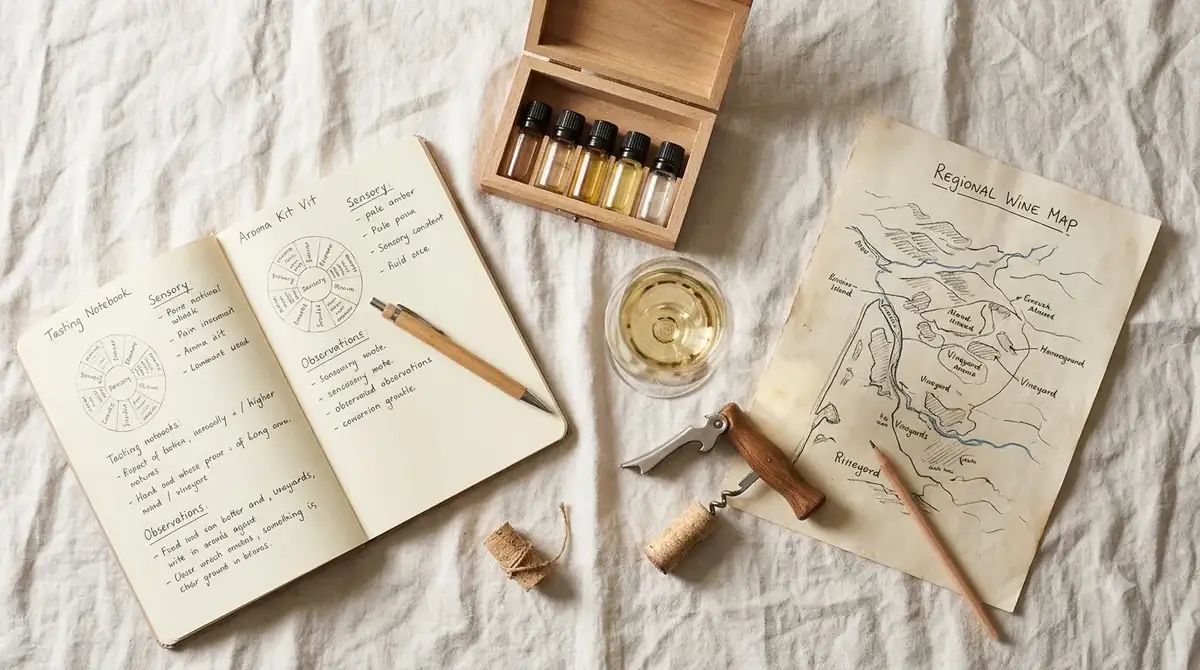
| Element | Typical Malbec |
|---|---|
| Fruit | Red plum, blackberry, dark cherry |
| Other notes | Violet, vanilla, sweet tobacco, cocoa |
| Tannin | Medium |
| Acidity | Medium to low |
| Body | Full |
Argentine Malbec and the Mendoza style
Argentina is the grape’s best-known home. Malbec is the most widely planted red variety there, and Mendoza is the leading producing region, with roughly 25,000 hectares of vineyards. The best wines tend to come from high-altitude sites, such as Luján de Cuyo and the Uco Valley, where vineyards sit between 800 and 1,500 meters above sea level.
Argentine Malbec is usually soft and fruit-driven, with ripe tannins that make it easy to drink young. The altitude helps the grapes keep their acidity and aroma even in a warm, sunny climate. That balance is one reason the style is popular with buyers who want a full red without heavy grip.
French Malbec from Cahors
Malbec has deep roots in southwest France, especially around Cahors, where the grape is the main variety. Cahors AOC rules require a minimum content of 70% Malbec in the blend, so the wine is defined by the grape rather than by a supporting cast of varieties. The style is darker and more tannic than the Argentine version.
Cahors Malbec often shows notes of damson plum, tobacco, garlic and raisin. The firmer tannins suit a longer cellaring period and pair well with food that has structure and fat, while the softer Argentine style is easier to enjoy on its own. If you want to see how a different structured red compares, the Cabernet Sauvignon tasting notes guide covers another red with firm tannins.
Tannin, acidity and body
Tannin is the grip you feel on your gums and cheeks. Malbec usually has medium tannins, which sit between the softness of a Merlot and the firmness of many Cabernets. Argentine bottles often feel rounder because their tannins are riper, while Cahors bottles can feel grippier and more structured.
Acidity in Malbec is usually medium to low. In very warm regions, acidity can drop too far, which can make a wine taste flat or heavy. Good producers manage this by choosing cooler sites or harvesting earlier. The body is full, so the wine feels substantial in the mouth even when the alcohol is moderate.
Alcohol in Malbec is typically between 13.5% and 15% ABV, according to the Wine Folly profile. That places it among the stronger everyday reds, so it suits meals where you want a wine with presence on the table.
How to serve Malbec
Serve Malbec slightly cooler than room temperature. The Wine Folly profile suggests 60–68°F (15–20°C), a range that keeps the fruit clear without letting the alcohol dominate. Decanting a young, structured bottle for about 30 minutes can soften the tannins and open the aromas, which is especially helpful for Cahors-style wines.
A large red wine glass gives the aromas room to develop. Pour a moderate amount so the wine can breathe in the glass, and reseal any bottle you do not finish within a day or two.
Food pairings that suit Malbec
Malbec pairs well with grilled and roasted meats, especially beef, lamb and pork with rich glazes. It also suits hearty stews, sausages and mushroom dishes. Argentine Malbec is a classic match for grilled steak, while Cahors styles work well with dishes that have strong savory flavors such as garlic and herbs.
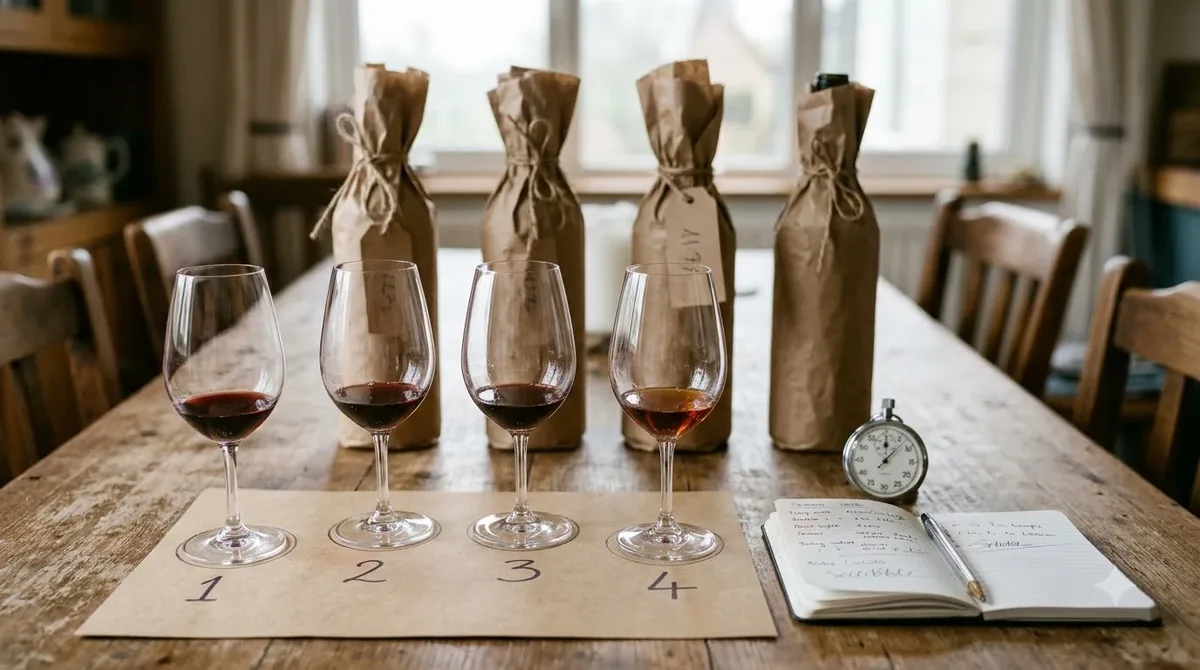
Pairing Malbec works best when you match the wine’s structure with the dish. A grilled Argentine Malbec suits a thick steak with a simple salt crust, because the fruit and soft tannins stand up to the char. A Cahors bottle fits a slow-cooked stew, where the firmer tannins soften in the sauce and the savory notes echo the meat. Vegetarian dishes with roasted mushrooms, eggplant or lentils also work, especially with a medium-tannin Malbec.
Cheese is another option. Aged hard cheeses and mild blue cheeses match the wine’s body without overpowering its fruit. Avoid very delicate fish or light salads, which can taste thin next to a full-bodied red.
For a lighter red with a different balance, the Merlot tasting notes guide explains how a softer, plummier red compares with Malbec on the table.
How to choose a Malbec bottle
Start with the region on the label. An Argentine bottle from Mendoza or a high-altitude subregion usually signals the softer, fruit-forward style. A Cahors bottle suggests the firmer, more savory version. Check the producer’s tasting notes to see whether the wine is described as fruit-driven, structured or oaky.
Tasting notes on the label are only a guide, so compare two or three bottles from the same region to learn your own preference. Malbec from different producers can vary widely in oak use and ripeness, even within a single appellation.
When you taste side by side, pay attention to the balance between fruit, tannin and oak. A bottle with ripe fruit and a soft finish suits drinking now, while a bottle with firmer tannins and a longer finish may improve with a few years of cellaring.
Frequently Asked Questions
What are the main Malbec tasting notes?
Typical notes include red plum, blackberry, violet, vanilla, sweet tobacco and cocoa. The exact balance depends on region and winemaking.
Is Malbec tannic?
Malbec usually has medium tannins. Cahors versions tend to be firmer, while Argentine Malbec is typically softer and riper.
What is the difference between Argentine and French Malbec?
Argentine Malbec is usually softer and fruit-driven, often from high-altitude vineyards in Mendoza. Cahors Malbec is darker, more tannic and savory, with notes of damson, tobacco and garlic.
What temperature should Malbec be served at?
Serve Malbec at about 60–68°F (15–20°C), slightly cooler than room temperature, to keep the fruit clear.
Malbec tasting notes give a reliable picture of a full, fruit-forward red with medium tannins. Learn the difference between Argentine and Cahors styles, serve the wine at a cool room temperature and pair it with grilled or savory food. For more on how red grapes are grouped by flavor, return to the Wine by Type guides.
More in Wine Types & Grapes
 Zinfandel Sugar Content: Dry Red vs. White Zinfandel GramsUpdated Nov 21, 2026
 Best Zinfandel Substitute Options for Sipping and CookingUpdated Nov 21, 2026
 Zweigelt Food Pairing: Best Dishes, Cheeses, and Serving TipsUpdated Nov 21, 2026
 Zinfandel Tannins Explained: How Structure Shapes Every BottleUpdated Nov 21, 2026
 Zinfandel Sweetness Level: Dry Red vs. Sweet White Zin ExplainedUpdated Nov 21, 2026
 Xinomavro Food Pairing: Best Dishes, Styles, and Serving TipsUpdated Nov 21, 2026